
 By admin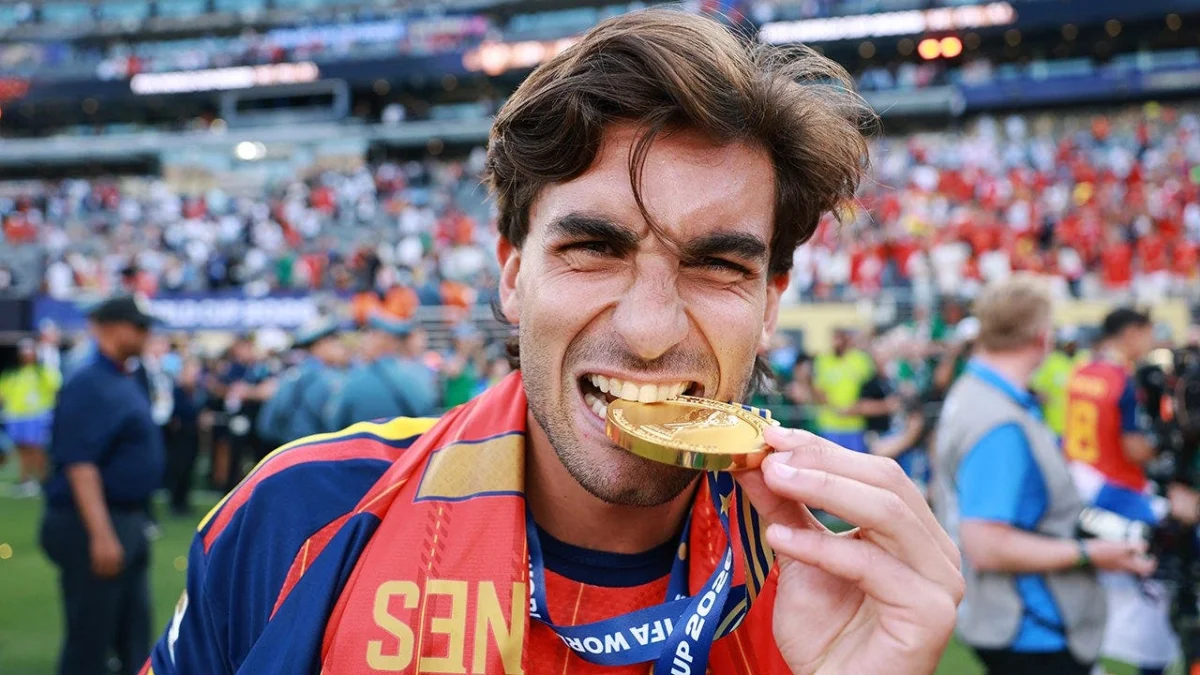
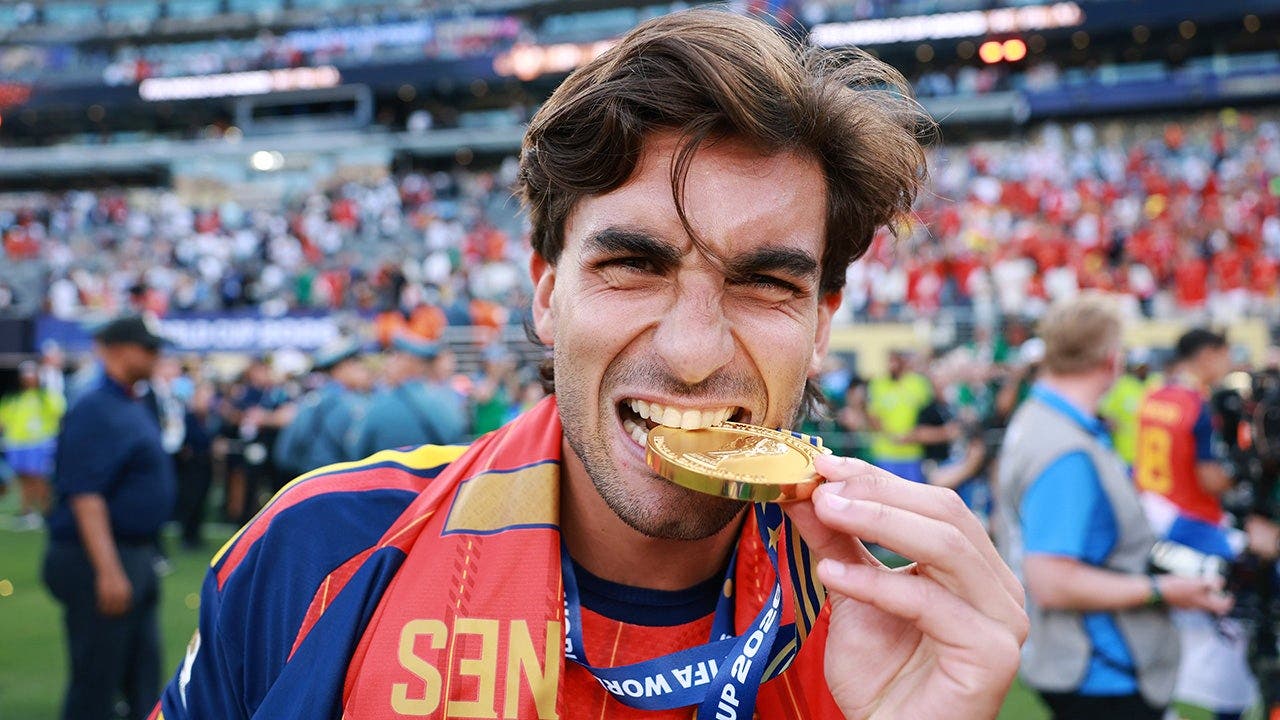
In a stunning display of skill and determination, Spain has been crowned the champions of the 2026 FIFA World Cup, defeating a formidable Argentina side in a nail-biting final at the iconic New York/New Jersey Stadium. The match, which extended into the 106th minute of extra time, saw Spain’s Ferran Torres emerge as the hero, netting the decisive goal that etched Spain’s name into footballing history for the second time. The victory parade back home has been a jubilant affair, with national pride soaring, amplified by a surprising yet captivating sartorial choice from the goal-scoring sensation.
Fox News chief correspondent Jonathan Hunt reported on the monumental victory, highlighting the electrifying atmosphere of the final. The match itself was a testament to the global appeal of football, drawing an immense crowd to the repurposed stadium in East Rutherford, New Jersey, a venue that has hosted countless sporting spectacles. Spain’s triumph marks their second World Cup title, mirroring their historic win in 2010, and solidifies their position as a dominant force in international football.
The celebrations in Spain have been nothing short of extraordinary, with massive crowds descending upon cities and towns to welcome their victorious heroes. Amidst the outpouring of national pride, it was Ferran Torres’s post-match celebration that captured significant attention. During a raucous victory parade, Torres was seen on a vehicle, shirtless and sporting a "Make Spain Great Again" hat. This bold adaptation of former President Donald Trump’s iconic "Make America Great Again" slogan immediately sparked conversation and debate. Torres, a pivotal player throughout the tournament, not only scored the crucial extra-time winner but also became a symbol of Spain’s newfound political and cultural resonance.
The significance of Trump’s presence at the final cannot be understated. The former President, accompanied by First Lady Melania Trump and FIFA President Gianni Infantino, was on hand to present the World Cup trophy to Spain’s captain, Rodri. This symbolic act, coupled with Torres’s choice of headwear, has led to speculation about the underlying messaging and potential interpretations of the gesture. While some may view it as a simple coincidence or a playful nod to a globally recognized slogan, others have suggested it could carry deeper political undertones, especially considering the often-polarized nature of political discourse surrounding Trump and his slogans.
The final itself was a masterclass in defensive resilience and tactical brilliance. Argentina, led by their talismanic players, put up a valiant fight, with goalkeeper Emiliano Martínez delivering a performance for the ages. Martínez made a series of breathtaking saves throughout the match, single-handedly thwarting numerous Spanish attacks and pushing the game towards a tense penalty shootout. His heroics were a testament to Argentina’s strong defensive unit and their unwavering determination. However, football’s unpredictability once again came to the fore. In the 106th minute, a well-crafted cross found Nico Williams Jr., whose header was expertly parried by Martínez. The rebound, however, fell perfectly for Ferran Torres, who made no mistake, unleashing a powerful strike into the back of the net, igniting pandemonium among the Spanish contingent and silencing the Argentine supporters.
Torres, in his post-match interview with FIFA host broadcasters, eloquently expressed the collective effort behind Spain’s victory. "I think in the end the goal came from 47 million people [the estimated Spain population], not just those of us that are here," he stated, as quoted by ESPN. "Today destiny was written, it was made for us to win. We’re far from our people today but we tried to be as close as possible to them." This sentiment underscores the deep connection between the national team and its populace, a bond that is amplified during major international tournaments like the World Cup. The Spanish players’ journey from their home country to the United States, culminating in this monumental victory, represented the aspirations and dreams of an entire nation.
The road to the final was arduous, with both Spain and Argentina navigating challenging group stages and knockout rounds. Spain’s journey was characterized by their fluid attacking style and a solid midfield, orchestrated by players like Rodri and Pedri. They showcased a blend of youthful exuberance and seasoned experience, a formula that proved highly effective. Argentina, on the other hand, relied on their potent attack and a gritty defensive structure, often finding ways to grind out results even in the face of adversity. The final match was a fitting culmination of their respective campaigns, a contest that encapsulated the passion and drama that makes the World Cup the pinnacle of international football.

The victory parade in Spain was a vibrant spectacle, a true reflection of a nation united in celebration. Tens of thousands of fans lined the streets, creating an electric atmosphere as their heroes paraded through the cities. The "Make Spain Great Again" hat, while unconventional, added a unique talking point to the already memorable celebrations. Its wearer, Ferran Torres, has become an enduring symbol of this historic triumph, his decisive goal and subsequent public appearance ensuring his place in the annals of Spanish football lore. The hat, a clear homage to a globally recognized political slogan, has been interpreted in various ways, from a lighthearted political statement to a more profound commentary on national identity and aspirations.
Beyond the immediate celebrations and the sartorial choices, the 2026 FIFA World Cup will be remembered for its gripping narratives, unexpected upsets, and the sheer spectacle of elite football. The tournament, hosted across multiple venues in North America, including the United States, Canada, and Mexico, showcased the growing global reach of the sport. The logistical complexities of hosting such a massive event were largely overcome, providing a platform for a thrilling display of athletic prowess.
The final match itself was not without its controversy. As the final whistle blew, a scuffle broke out on the pitch between players from both Argentina and Spain. While such incidents are not uncommon in the heat of a high-stakes final, FIFA has announced that it will be launching an investigation into the post-match altercations. These investigations can often lead to sanctions and suspensions for the involved players, adding another layer of consequence to an already dramatic conclusion.
Spain’s World Cup triumph is more than just a sporting achievement; it’s a cultural moment that resonates deeply within the nation. The echoes of the victory will be felt for years to come, inspiring a new generation of footballers and reaffirming Spain’s status as a global footballing powerhouse. The players, having achieved the ultimate prize, will now return to their respective clubs, carrying the weight of this accomplishment as they embark on their domestic seasons. The memories of this historic World Cup victory, however, will undoubtedly remain etched in their minds and in the hearts of millions of Spanish fans.

The broader implications of the "Make Spain Great Again" hat remain a subject of discussion. In a world where political slogans can transcend borders and cultures, Torres’s choice has sparked conversations about nationalism, populism, and the intersection of sports and politics. Whether intended as a direct endorsement or a more nuanced statement, the hat has undoubtedly become a talking point, adding an unexpected dimension to Spain’s World Cup victory. As the dust settles on this momentous occasion, the 2026 FIFA World Cup will be remembered for its thrilling football, its iconic moments, and the enduring legacy of a Spanish team that conquered the world.
