
 By admin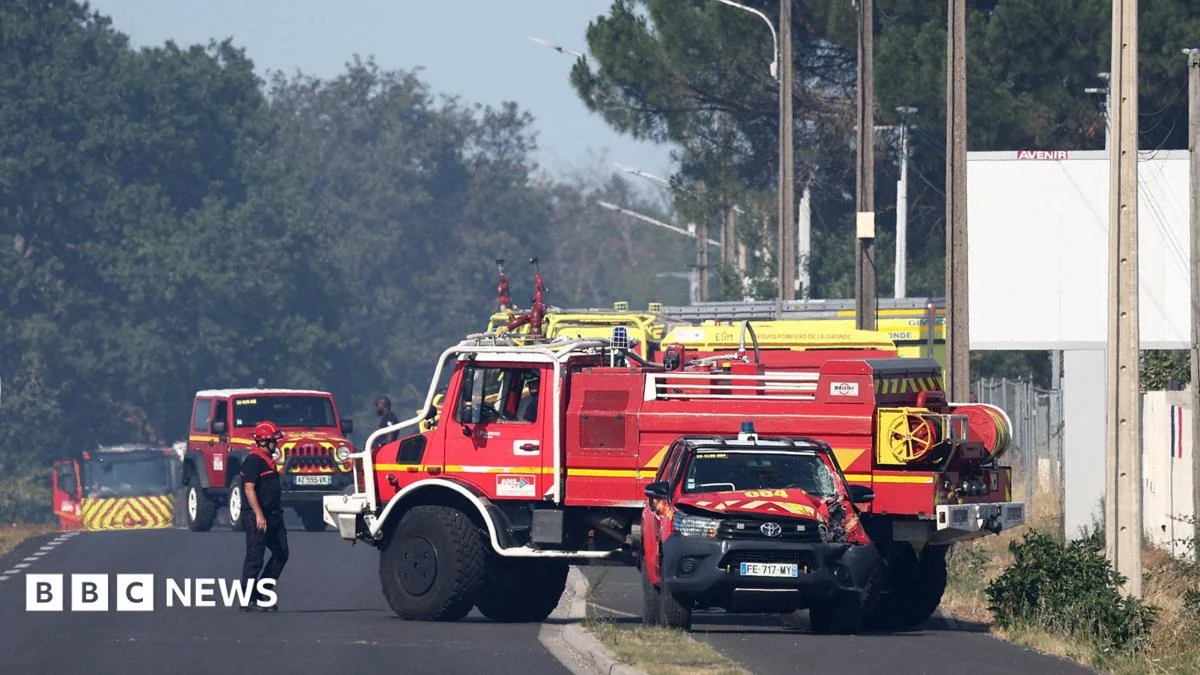
A colossal inferno has erupted in the south-eastern Var department of France, specifically engulfing the commune of Pontevès. As of Tuesday, the blaze was described as "currently out of control and is evolving rapidly" by the PSFDF volunteer association, a dedicated organization that meticulously monitors and reports on fire incidents across the nation. The sheer scale of the conflagration necessitated an immediate and substantial deployment of resources, with approximately 500 firefighters and rescuers mobilized in a desperate attempt to contain its relentless advance. The escalating danger also forced the precautionary evacuation of 150 residents from their homes, highlighting the immediate threat posed by the uncontrolled flames.
This alarming incident in the Var department is not an isolated event but rather a stark manifestation of a broader and deeply concerning trend. France has been besieged by an unprecedented number of wildfires this year, registering nearly 11,000 blazes since the beginning of January. This devastating figure has prompted grave pronouncements from the highest levels of government. President Emmanuel Macron, speaking just last week, articulated the severity of the situation by stating that the country has not witnessed such a proliferation of fires since the conclusion of World War Two. This historical comparison underscores the extraordinary nature of the current fire season and its profound implications for national security and environmental stability.
The grim statistics paint a stark picture of the escalating wildfire crisis. Satellite data, meticulously collected by the European Forest Fire Information System (Effis) and analyzed up to mid-July, reveals a devastating environmental toll. In France alone, over 42,000 hectares, equivalent to a staggering 103,784 acres, have been consumed by flames between January and the middle of July. This figure has already surpassed the previous record set in 2022, indicating a disturbing acceleration in the frequency and intensity of wildfires. The land lost represents not only valuable ecosystems and biodiversity but also potential agricultural resources and historical landscapes.
The root cause of this escalating wildfire crisis is inextricably linked to the overarching phenomenon of climate change. Scientific consensus, as articulated by the Copernicus Climate Change Service, unequivocally identifies climate change as the primary driver of rising global temperatures. Europe, in particular, is experiencing a disproportionately rapid warming trend, heating up at a pace that is double the global average. This amplified warming has a cascade of detrimental effects, directly contributing to the increased frequency and severity of extreme weather events.
Among the most palpable consequences of this accelerated warming are the proliferation of summer heatwaves. These prolonged periods of extreme heat create tinderbox conditions across vast swathes of land, making them highly susceptible to ignition. Furthermore, the increased temperatures place immense pressure on Europe’s already strained water resources. Drought conditions become more prevalent and severe, diminishing the natural resilience of vegetation and exacerbating the risk of fires. Consequently, the combination of extreme heat, drought, and readily available dry fuel creates a perfect storm for the development of more intense and rapidly spreading wildfires.
The record-breaking temperatures that have characterized Europe’s summer this year have directly fueled a surge in major wildfires across the continent. The situation in France, while dire, is mirrored by devastating fires in other European nations. Most notably, Spain has been particularly hard-hit, with a tragic loss of life. At least 13 people have been killed by wildfires that have ravaged the country. The scale of destruction in Spain is immense; a massive wildfire north of the capital, Madrid, alone has destroyed approximately 29,000 hectares of land, leaving a trail of devastation in its wake. This widespread impact across the continent underscores the pan-European nature of the climate-driven wildfire crisis.
The impact of these fires extends far beyond immediate destruction. The economic consequences are substantial, encompassing the costs of firefighting efforts, property damage, loss of agricultural output, and the long-term costs of environmental restoration. The social impact is equally profound, involving the displacement of communities, the loss of livelihoods, and the psychological trauma associated with experiencing such destructive events. Furthermore, the environmental damage is often irreparable, leading to the loss of biodiversity, soil degradation, and the release of significant amounts of greenhouse gases into the atmosphere, which can further contribute to climate change in a vicious cycle.
The ongoing wildfire season in France and across Europe serves as a critical wake-up call. It underscores the urgent need for enhanced strategies to combat and mitigate the effects of climate change. These strategies must encompass a multi-faceted approach, including robust investment in renewable energy sources to reduce greenhouse gas emissions, the implementation of more sustainable land management practices, and the development of advanced early warning systems for fires. Furthermore, international cooperation is essential to share best practices, resources, and technological innovations in wildfire prevention and response.
The efforts of organizations like the PSFDF, while crucial, are ultimately reactive measures. The proactive solutions lie in addressing the underlying causes of climate change and building greater resilience within vulnerable ecosystems and communities. The repeated occurrences of record-breaking heat and fires are not anomalies but rather predictable consequences of a warming planet. As Europe continues to grapple with the immediate threat of raging infernos, the long-term challenge of adapting to and mitigating climate change becomes increasingly pressing. The fires of this summer, and the harrowing statistics they generate, demand a decisive and unified response to safeguard the future of both the environment and the communities that inhabit it. The sight of uncontrolled blazes, consuming vast tracts of land and displacing populations, is a stark reminder of the existential threat posed by climate change, and the imperative for immediate and ambitious action. The data, from the satellite imagery of scorched earth to the chilling pronouncements of national leaders, all point to a future where the intensity and frequency of such devastating events are likely to increase unless fundamental changes are made.
