
 By Rifan Muazin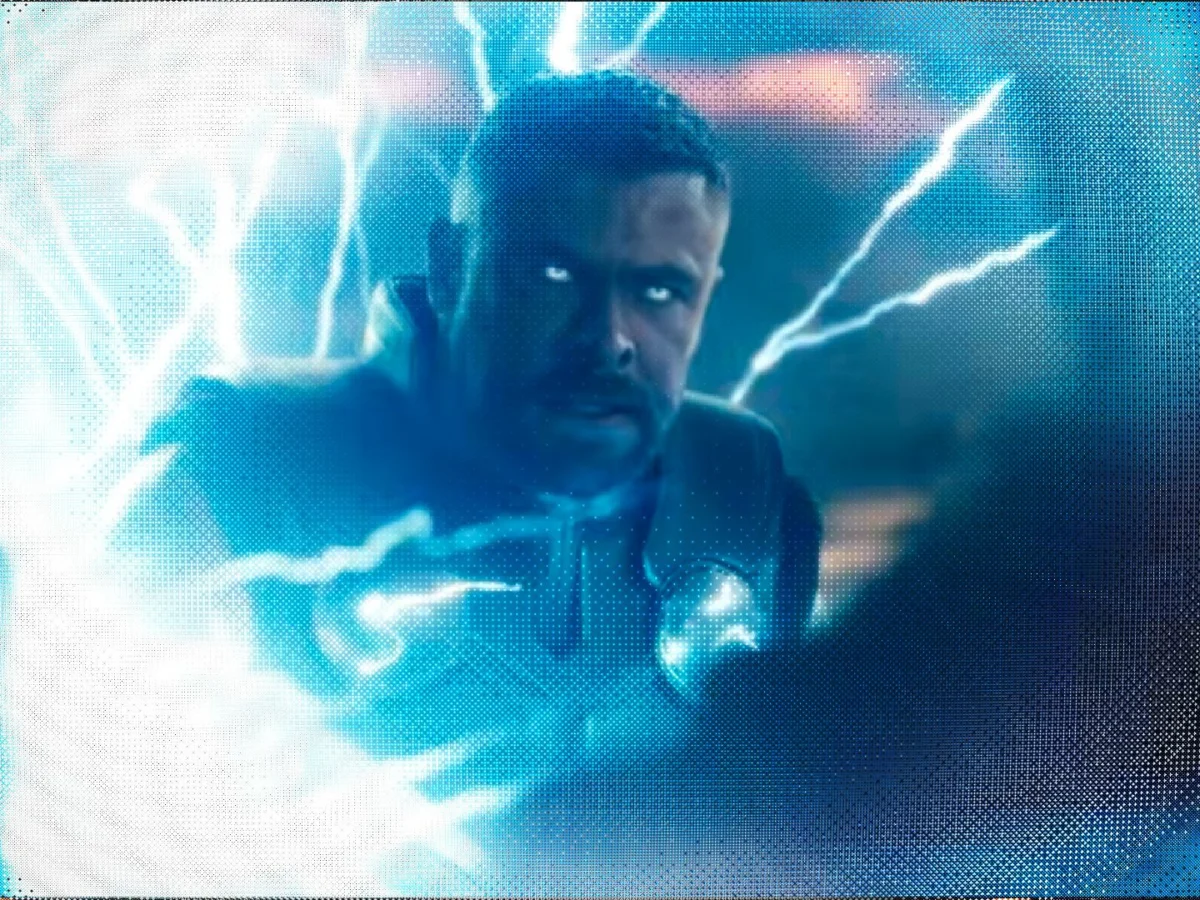
The landscape of modern cinema is often defined by its peaks and valleys, and for the better part of a decade, the Marvel Cinematic Universe (MCU) sat comfortably atop the highest summit. However, recent years have signaled a shift in the cultural zeitgeist. Just as critics and audiences alike began to wonder if the superhero genre had finally exhausted its narrative capital, Marvel Studios attempted to reclaim the throne with a calculated, high-stakes gambit. The release of the first official trailer for Avengers: Doomsday has ignited a firestorm of discourse, serving as both a beacon of hope for the faithful and a target for the cynical. This trailer, arriving a mere five months before the film’s scheduled debut, represents more than just a promotional window; it is a referendum on whether the MCU can still command the "motion" of the industry.
The timing of the trailer’s drop was particularly strategic. Following a weekend dominated by the critical and commercial fervor surrounding major auteur-driven projects—specifically the "Odyssey" talk that has permeated pop culture circles—Marvel’s decision to launch the Doomsday teaser felt like a "hydrogen bomb vs. coughing baby" dynamic. It was an aggressive bid to pivot the conversation back to the multiverse. For months, the production had been shrouded in mystery, shielded by nothing more than vague set photos and loose teasers that hinted at a looming threat without providing a concrete anchor. Now, with an honest-to-goodness, non-leaked look at the film, the stakes have been set.
At the heart of Avengers: Doomsday is the return of the Russo Brothers, the directorial duo responsible for the MCU’s most significant triumphs, Infinity War and Endgame. Their task this time is arguably more difficult: they must adapt the sprawling, complex "Time Runs Out" storyline authored by comic book visionary Jonathan Hickman. In the source material, this narrative arc depicts the collapse of the multiverse through "incursions"—cosmic events where two parallel universes occupy the same space, leading to the inevitable destruction of one or both. It is a classic philosophical trolley problem scaled to a universal level. The heroes are forced to ask themselves a haunting question: Would you commit genocide against another Earth to ensure the survival of your own?
This framework allows the Russos to move beyond the simple "good vs. evil" tropes that have occasionally bogged down recent Marvel entries. By pitting established heroes against impossible moral choices, Doomsday has the potential to recapture the gravitas of the earlier phases. However, the trailer reveals a distinct cinematic twist on Hickman’s work. Rather than focusing on anonymous alternate realities, the film appears to be leveraging the immense nostalgia for the Fox-era X-Men characters. The "incursion" is no longer an abstract concept; it is a collision between the world audiences have known since 2008 and the world of the early 2000s mutants. It is a hero-versus-hero spectacle where the legendary Doctor Doom, now portrayed by Robert Downey Jr., lurks in the shadows, presumably pulling the strings of a Machiavellian endgame.
The decision to cast Robert Downey Jr. as Victor von Doom remains the most polarizing element of this new era. To some, it is a masterstroke of "aura farming"—a way to use the actor’s inherent charisma and history with the franchise to create a villain that feels instantly iconic. To others, it feels like "reheated nachos," a desperate attempt to recapture the magic of the past by recycling its most famous face. The trailer plays this card with surprising restraint, focusing on the atmosphere of dread rather than overexposing the new antagonist. Yet, the skepticism remains. For a villain as "god-tier" as Doom, introducing him this late in the Multiverse Saga—without the years of buildup afforded to Thanos—is a significant narrative hurdle. The film must establish his threat, his motivation, and his distinctness from Tony Stark in a very limited window of time.
Furthermore, the trailer highlights a growing tension between nostalgia and innovation. The inclusion of characters like the aughts-era X-Men feels like a visit from long-lost friends, providing a dopamine hit for millennial viewers. However, the inclusion of cameos like Channing Tatum’s Gambit—a character who became a meta-textual punchline in Deadpool & Wolverine—suggests a reliance on "Reddit-bait" moments that may lack long-term substance. When a trailer leans this heavily on the faces of the dead or the "never-was," it risks undermining the very stakes it tries to establish. If death is a revolving door and every timeline is a playground, does the "doom" of Doomsday actually carry weight?
Technical concerns also linger. Despite the Russo Brothers’ preference for practical sets, the visual effects in the trailer have been met with mixed reviews. Observers have noted "shaky" CGI in sequences involving Namor and other high-flying characters, suggesting that the post-production teams are working against a punishing clock. In an era where audiences have grown increasingly sensitive to "VFX sludge," the polish of the final product will be crucial. This is especially true given the competitive landscape. Marvel is reportedly facing a squeeze in premium formats like IMAX, where Dune 3 is expected to dominate the holiday season. The industry whispers of "Usher Bucks" and unconventional distribution formats suggest a studio that is fighting to maintain its footprint in a world that no longer grants it automatic dominion.
Perhaps the most pressing issue for the MCU, as reflected in the discourse surrounding the trailer, is the "Meh-Day" sentiment regarding the new generation of heroes. While the original Avengers felt like a cohesive unit that the world was invested in, the current roster feels fragmented. Captain Sam Wilson, the Thunderbolts, Shang-Chi, and Namor are all formidable characters, yet they haven’t been given the collective "leg work" required to make their involvement in an Avengers film feel like an event. When Thor delivers a rallying speech in the trailer, some viewers have compared it to a desperate coach trying to pump up a struggling team—it lacks the effortless authority of the Age of Ultron or Civil War eras.
Despite these quibbles, there is a sense that the superhero genre is not dead, but merely evolving. While Supergirl may have struggled to find its footing and the upcoming Spider-Man: Brand New Day faces high expectations, the sheer scale of Doomsday ensures it will be a financial juggernaut. The question is whether it can command the culture. Can it move the needle beyond the box office and become a shared experience on the level of Infinity War? To do so, it must overcome the "Sisyphean feat" of making audiences care about a multiverse that has felt increasingly inconsequential.
As the MCU marches toward its December release, it finds itself in a position similar to the ancient Greeks—caught between the hubris of its past successes and the cold reality of a changing world. The Doomsday trailer is a small step up a very steep hill. It is a mixture of brilliant potential and worrying shortcuts. It offers a glimpse of a world where the stakes are higher than ever, yet it relies on the safety net of nostalgia to ensure people show up. Whether Robert Downey Jr.’s Doom can truly usher in a "Brand New Day" for Marvel, or if this is simply the final gasp of a dying cycle, remains to be seen. For now, the "skeptics" and the "experts" are both watching with bated breath, waiting to see if the Russo Brothers can pull off one more miracle and prove that the MCU is, indeed, "So Back."
