
 By admin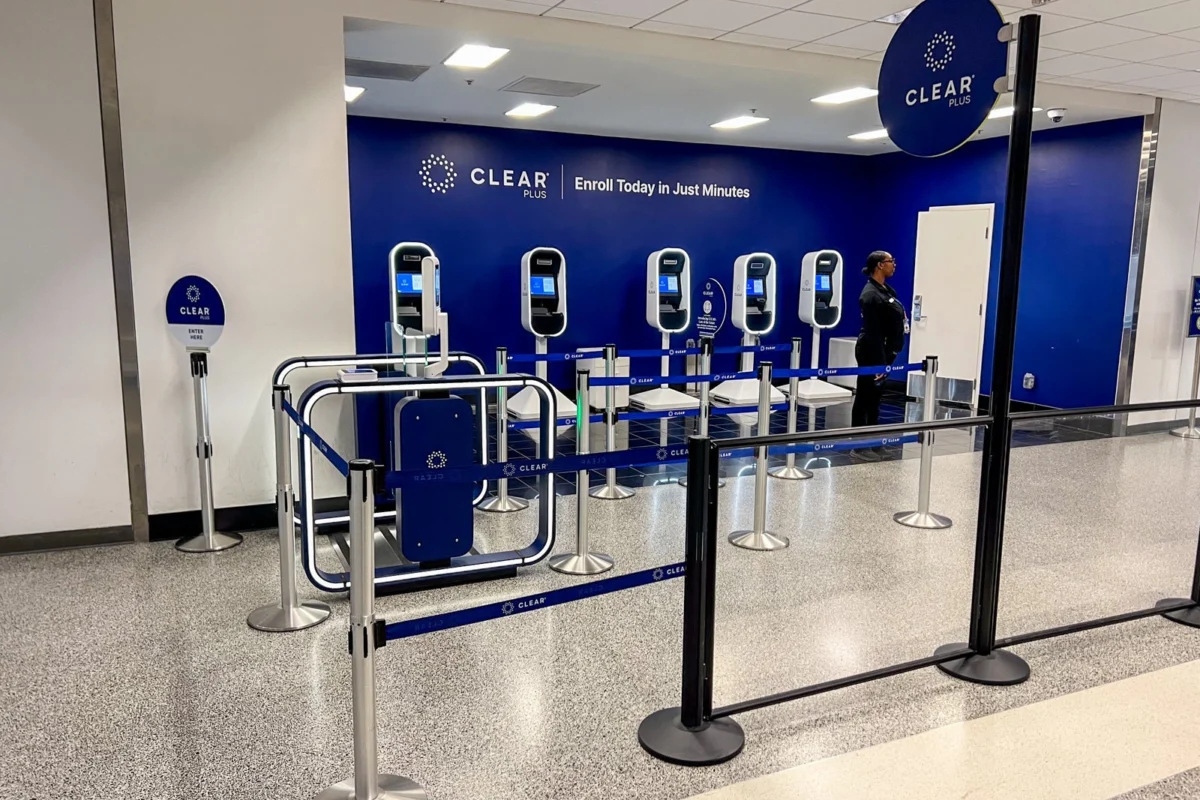
Navigating the modern airport environment has become an exercise in patience, often defined by long queues that snake through terminals and the high-stress environment of Transportation Security Administration (TSA) checkpoints. In this landscape, CLEAR has emerged as a dominant force in the "Registered Traveler" industry, offering a high-tech solution to one of travel’s most persistent pain points. By leveraging advanced biometric technology, CLEAR Plus—the company’s premium airport subscription—allows travelers to bypass the traditional document check performed by TSA agents, effectively jumping to the front of the security screening line. This service is not merely a convenience; for frequent flyers, it represents a fundamental shift in how identity is verified and how time is managed within the aviation ecosystem.
The Evolution and Mechanics of CLEAR
CLEAR is a private identity verification platform that uses biometrics—specifically iris scans and facial recognition—to automate the identity check process. While the TSA is a government entity responsible for physical security screening, CLEAR is a third-party partner that handles the "identity" portion of the security protocol. Under standard operating procedures, a traveler must present a government-issued ID to a TSA officer, who verifies the document’s authenticity and matches it to the passenger’s face. CLEAR replaces this manual interaction with a digital one.

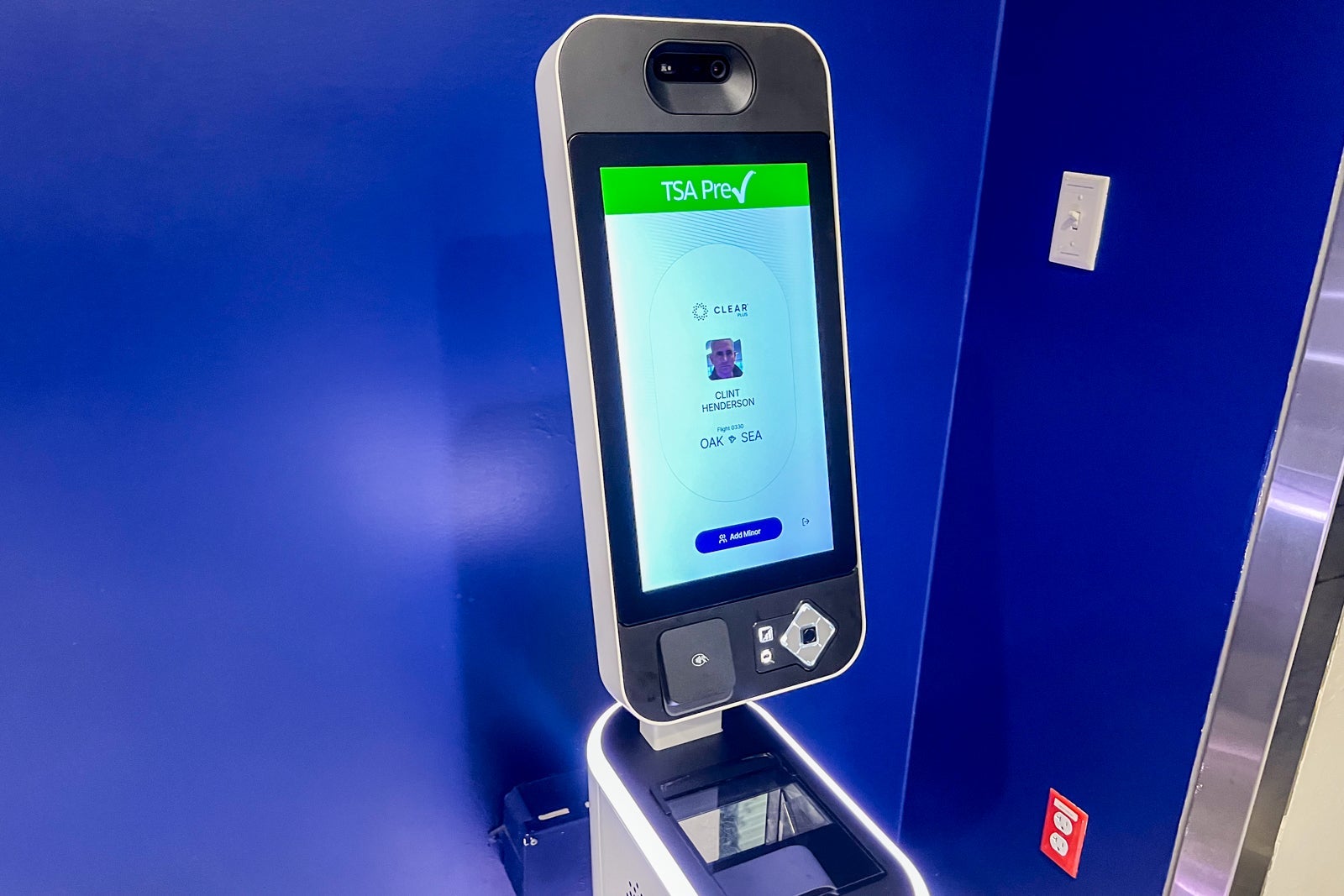
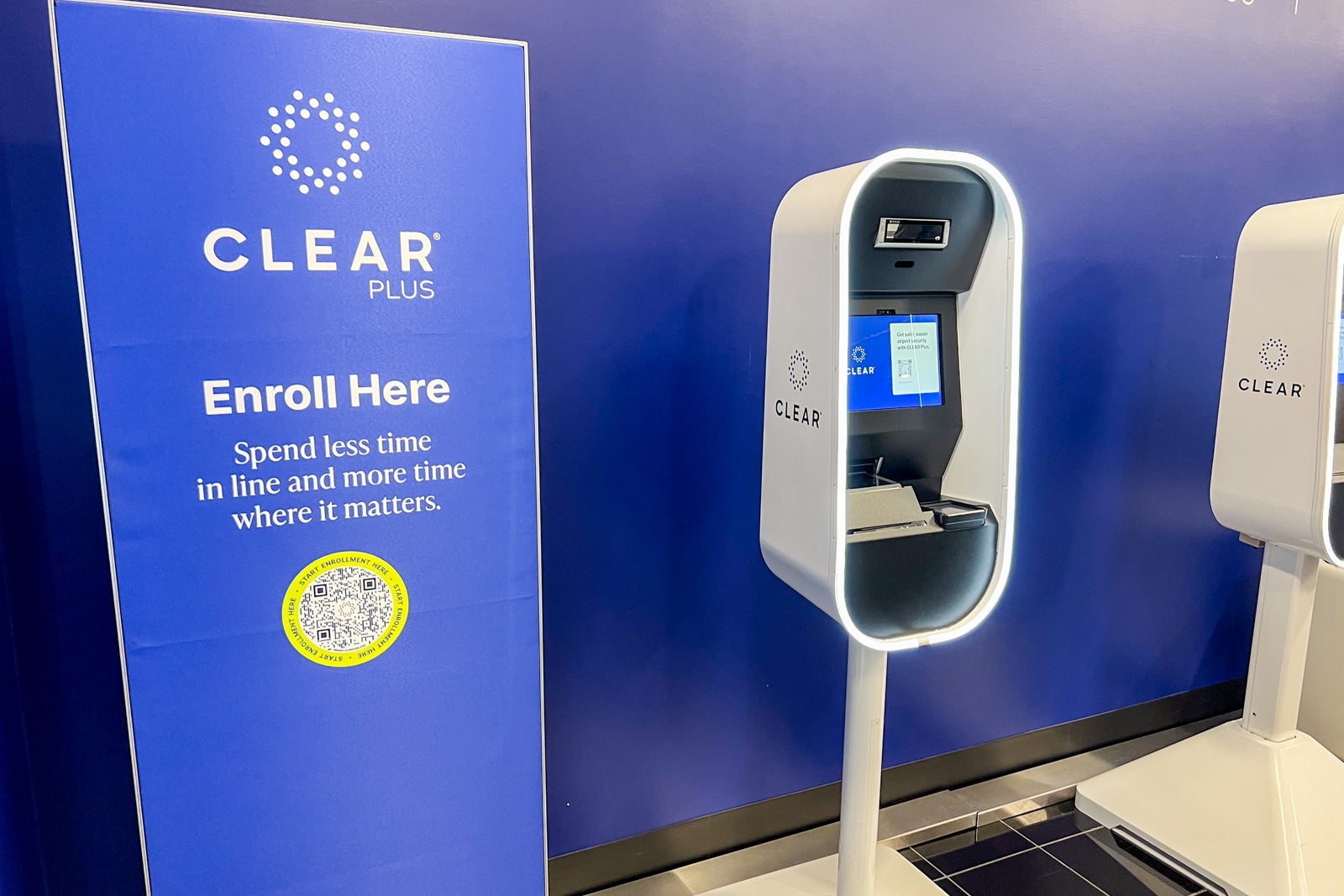
When a CLEAR Plus member arrives at a participating airport, they head to a dedicated CLEAR lane. Instead of waiting for a human agent, they approach a "pod" (kiosk) that utilizes EnVe technology—high-resolution cameras and sensors designed for rapid biometric matching. The kiosk captures a facial scan or an iris image and compares it against the member’s encrypted profile. Once identity is confirmed, a CLEAR ambassador—a specialized employee—escorts the traveler directly to the front of the line for the physical screening machines.
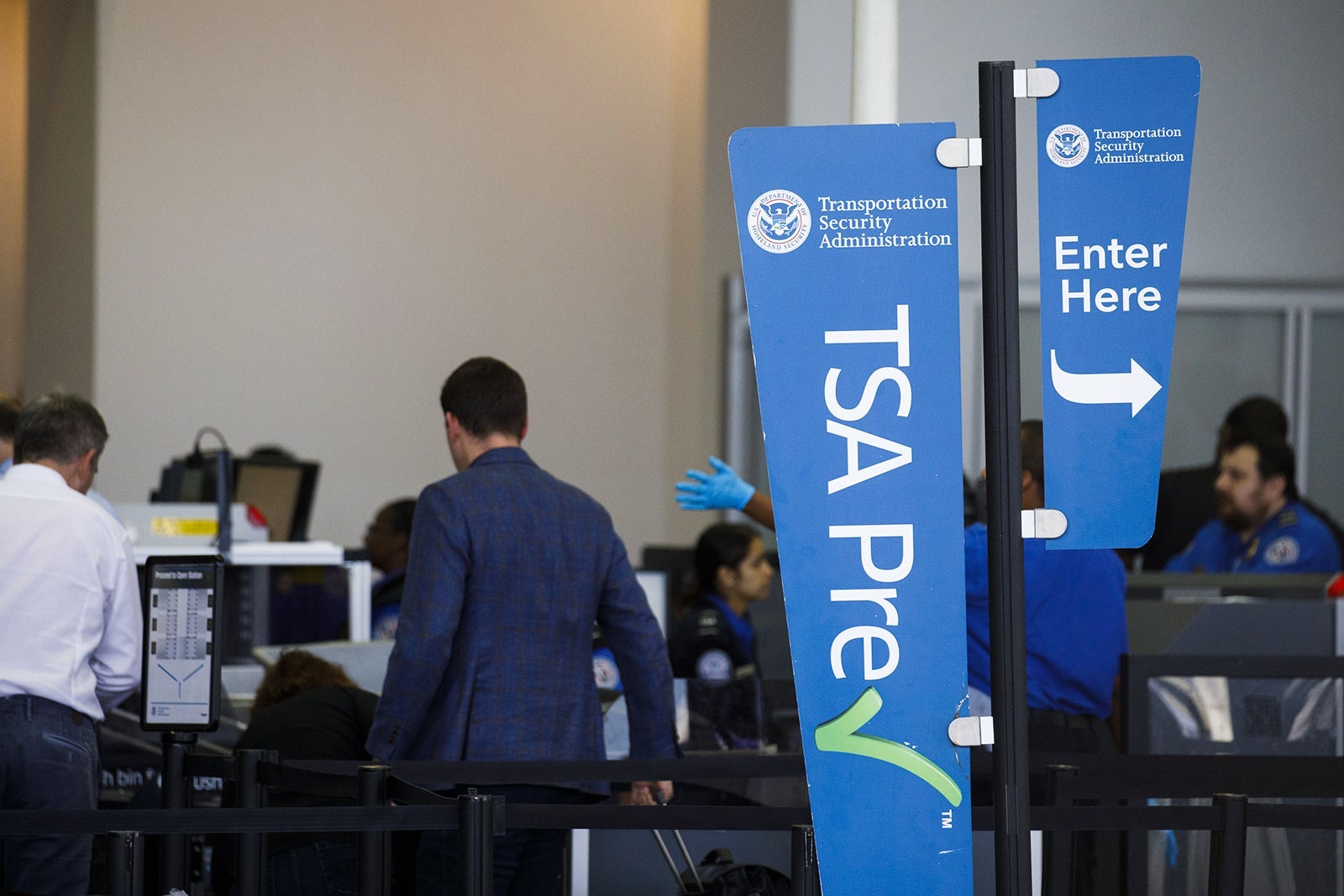
It is important to note that CLEAR does not replace the physical screening process. Travelers must still put their bags through X-ray machines and walk through metal detectors or body scanners. However, if a CLEAR member also has TSA PreCheck, they are escorted to the front of the PreCheck line, allowing them to keep their shoes on and their laptops in their bags, creating what many travel experts call the "frictionless gold standard" of airport transit.
Scale, Reach, and Market Penetration
As of 2024, CLEAR has established a massive footprint, operating in 62 U.S. airports and serving millions of members. Its presence is felt most strongly at major hubs such as Hartsfield-Jackson Atlanta International (ATL), Los Angeles International (LAX), and Denver International (DEN). Beyond the airport, the company has expanded into "Sports & Events" entry. This service, which is often free to the public via a basic CLEAR membership, allows fans to use expedited lanes at select stadiums and arenas, including major venues for MLB, NFL, and NBA games.
This expansion is part of a broader strategy to move toward "Identity 2.0," where a person’s biometric profile serves as a universal key for travel, entertainment, and even office building access. In recent months, CLEAR has introduced "e-gates" at airports like Oakland International (OAK), which further automate the process by allowing users to pass through automated barriers after biometric verification, reducing the need for staff intervention.
The Cost of Convenience: Pricing and the 2024 Hikes
The premium nature of CLEAR Plus comes with a significant price tag. Currently, the standard annual membership fee is $219. This reflects a recent price increase from the previous $189 rate, a move the company attributed to the rising costs of technology implementation and the expansion of its physical footprint.
For a solo traveler who flies once or twice a year, the $219 fee may be difficult to justify. However, for business travelers or families who fly frequently, the "time-is-money" calculation shifts. CLEAR also offers a family plan, allowing primary members to add up to three adult family members or "friends" for $125 each per year. Children under 18 can accompany a CLEAR member through the lane for free, making it a highly valuable tool for parents navigating busy terminals with young children.
Strategic Partnerships and Discounts
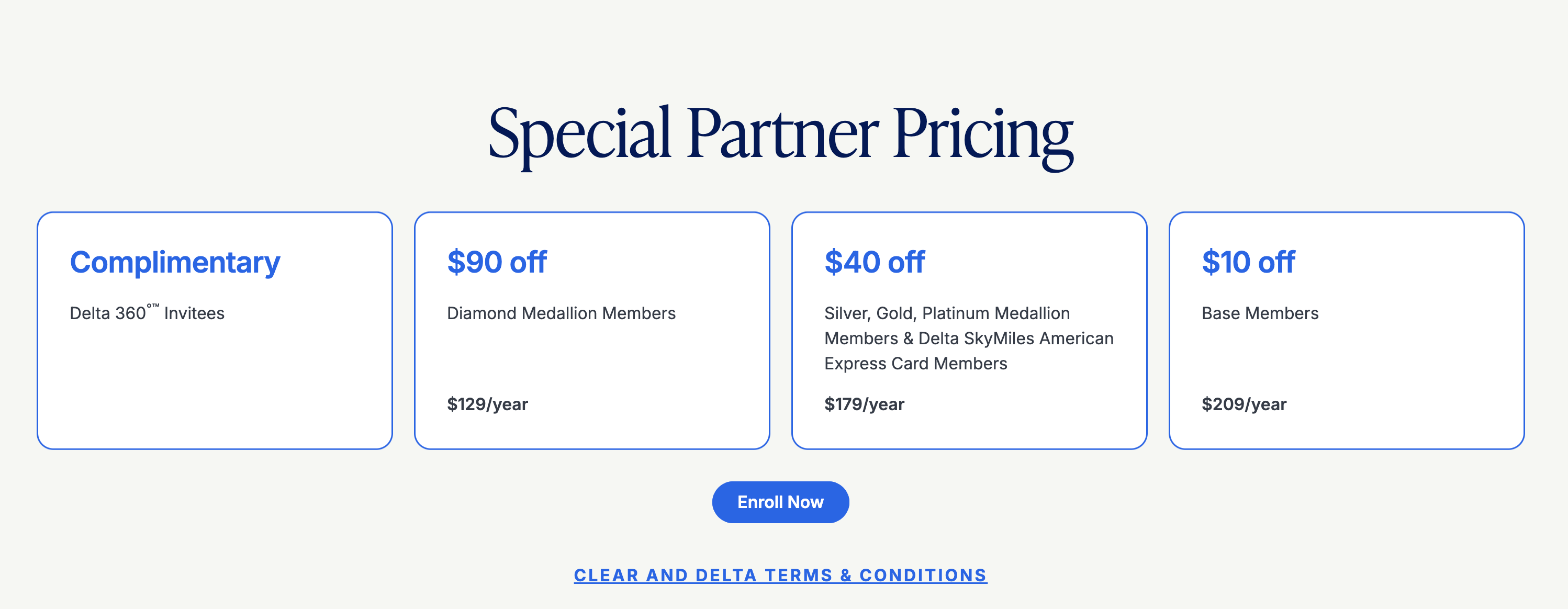
To maintain its competitive edge and grow its user base, CLEAR has formed deep integrations with the loyalty programs of major U.S. airlines. Delta Air Lines and United Airlines both hold equity stakes in CLEAR, which has led to tiered pricing for their frequent flyers:
- Delta SkyMiles: Diamond Medallion members receive CLEAR Plus for free. Platinum, Gold, and Silver Medallion members, as well as Delta SkyMiles credit cardholders, pay $159 annually. General SkyMiles members can join for $189.
- United MileagePlus: Premier 1K and Global Services members receive complimentary membership. Premier Platinum, Gold, and Silver members, along with United credit cardholders, pay $159. General MileagePlus members pay $189.
- Alaska and Hawaiian Airlines: Members of the Atmos Rewards program can access discounted rates and earn bonus miles upon enrollment or renewal.
These partnerships ensure that CLEAR remains a staple for the most profitable segments of the travel market—frequent business travelers who are most sensitive to time delays.
The Role of Credit Cards in Offsetting Costs
Perhaps the most common way savvy travelers access CLEAR Plus is through high-end travel credit cards. Several premium cards offer annual statement credits that completely cover the cost of membership. The American Express Platinum Card and the Business Platinum Card from American Express both provide an annual $189 to $219 credit for CLEAR Plus (depending on the current offer and terms). The American Express Green Card also provides a similar credit, making it one of the most accessible cards for those seeking the service.
Additionally, some cards like the Hilton Honors American Express Aspire Card have integrated CLEAR credits into their benefit suites. For cardholders, this turns CLEAR from a luxury expense into a "free" perk, significantly increasing the program’s value proposition.
CLEAR vs. TSA PreCheck vs. Global Entry
A common point of confusion for travelers is the difference between the various "trusted traveler" programs. It is best to view them as complementary rather than redundant:
- TSA PreCheck: Managed by the federal government. It determines how you are screened (no need to remove shoes/liquids). It costs $78–$85 for five years.
- Global Entry: Managed by U.S. Customs and Border Protection. It includes TSA PreCheck and provides expedited entry into the U.S. from international destinations. It costs $120 for five years.
- CLEAR Plus: A private service. It determines where you stand in line. It gets you to the front of the ID check. It costs $219 per year.
While Global Entry and PreCheck are essential for avoiding physical screening hassles, they do not protect you from a 45-minute wait at the ID check podium during peak hours. CLEAR solves that specific bottleneck.

Emerging Competition: TSA PreCheck Touchless ID
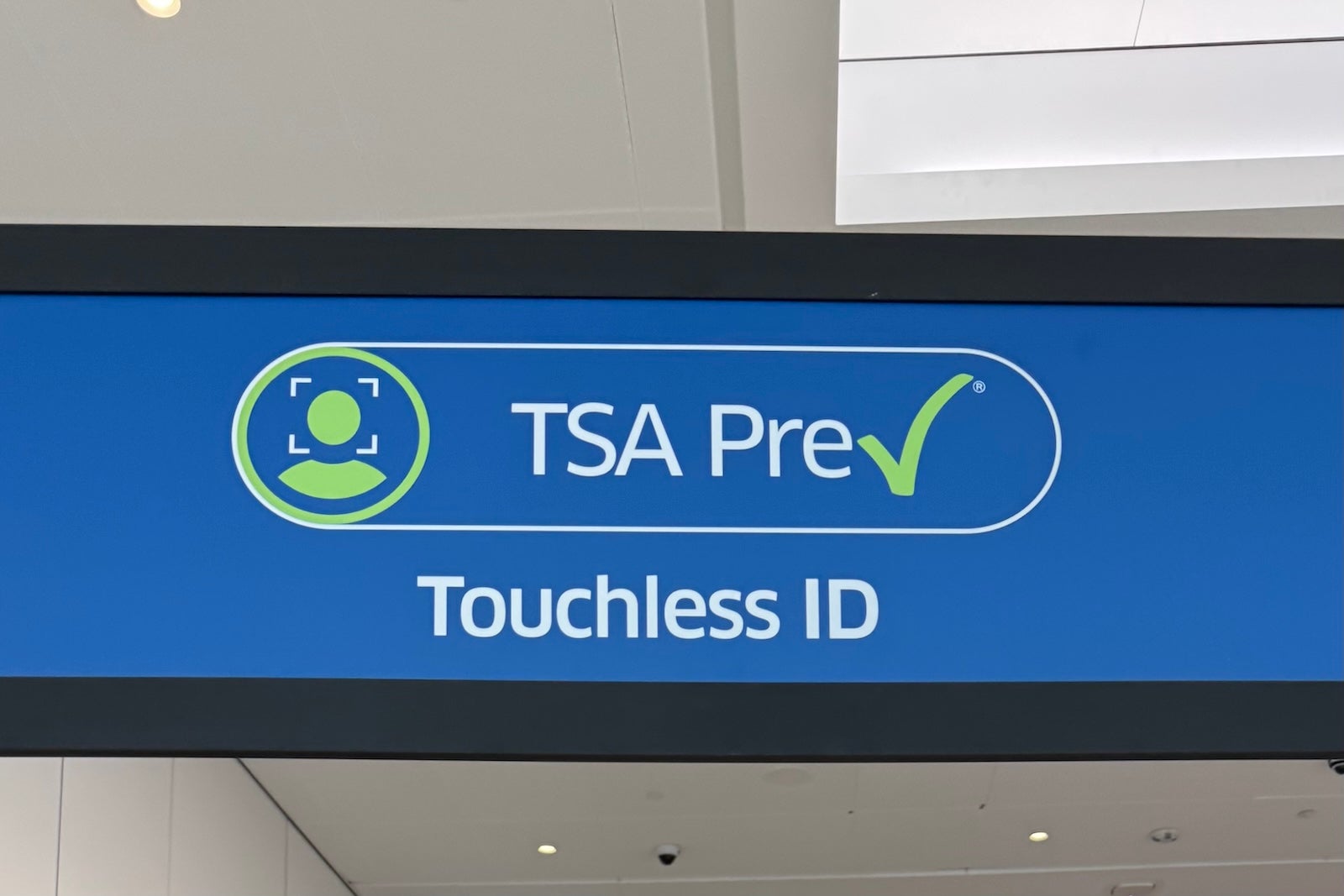
The dominance of CLEAR is being challenged by the TSA’s own innovation: TSA PreCheck Touchless ID. This program, currently being piloted with airlines like Delta and United at select hubs, uses a passenger’s passport photo and flight information to verify identity via facial recognition at the bag drop and security checkpoint.
The primary advantage of Touchless ID is that it is included in the standard cost of TSA PreCheck—there is no additional $219 annual fee. However, Touchless ID is currently limited to specific airlines and specific terminals, whereas CLEAR’s footprint is broader and its "escort to the front" service remains a unique advantage that the government-run program does not yet match.
Innovation: CLEAR Concierge and E-Gates
In its quest to remain the premier choice for luxury travel, CLEAR recently launched "CLEAR Concierge." For an additional fee (often $99 per booking), members can have a dedicated staff member meet them at the curb, assist with luggage, and whisk them through the entire terminal process. This "white-glove" service targets the ultra-high-net-worth traveler and corporate executives.
The introduction of e-gates also represents a pivot toward a more "European-style" automated border experience. By using gates that open only upon successful biometric matches, CLEAR can process more passengers per hour with fewer staff, potentially reducing the "CLEAR line" itself, which has occasionally suffered from its own popularity.
Privacy, Data Security, and the "Random" Factor
As a biometric-first company, CLEAR faces significant scrutiny regarding data privacy. The company emphasizes that it does not sell or rent member data and that all biometric information is encrypted and stored on secure servers. CLEAR is certified as a "Qualified Anti-Terrorism Technology" under the SAFETY Act by the Department of Homeland Security, a designation that requires rigorous security standards.
However, travelers should be aware of the "random selection" protocol. The TSA recently updated its policies to require more frequent random ID checks for CLEAR members. This means that even with a successful biometric scan, a TSA agent may still ask to see your physical ID. Consequently, travelers must always carry a valid Real ID or passport, even when using CLEAR.
Conclusion: Is it Worth It?
The value of CLEAR Plus is subjective and depends entirely on a traveler’s frequency of flight and their "home" airport. If you fly out of a hub like Orlando (MCO) or Atlanta (ATL), where security lines can be legendary, the time saved over a year can easily exceed 10 to 20 hours. When subsidized by a credit card or an airline loyalty discount, the decision becomes a "no-brainer" for most.
As the travel industry moves toward a biometric future, CLEAR remains the most visible and effective tool for bypassing the chaos of the airport terminal. Whether it maintains its lead against rising government competition like Touchless ID remains to be seen, but for now, it remains the fastest way to navigate the "first mile" of the air travel experience.
