
 By admin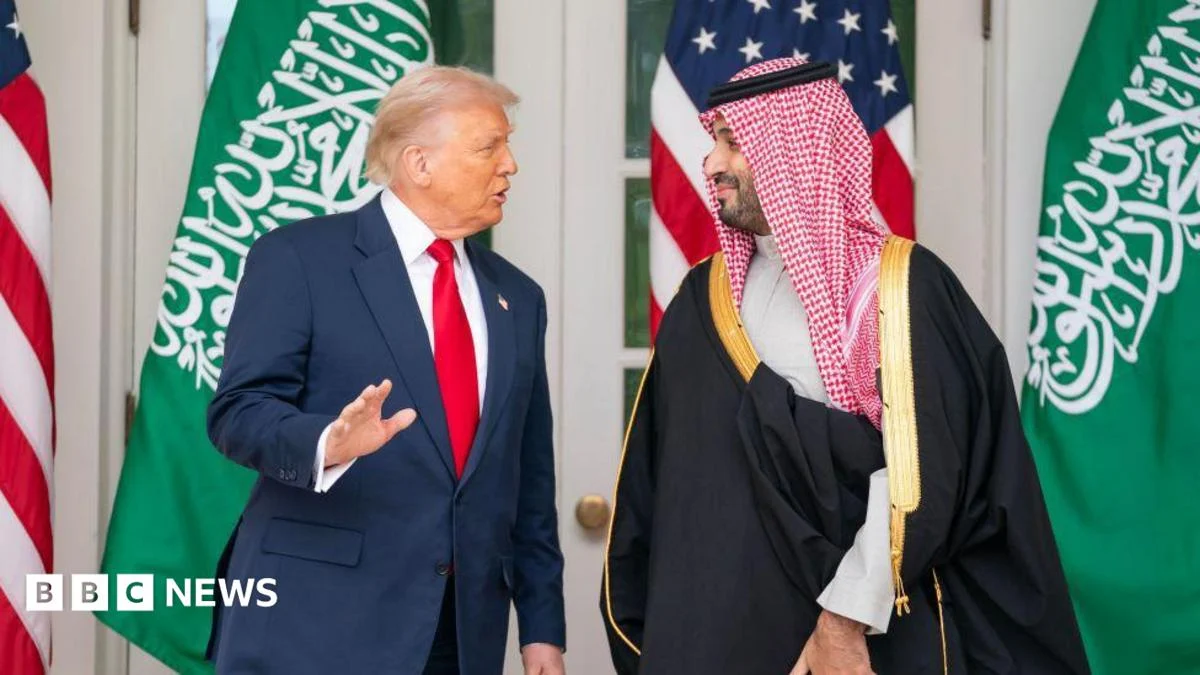
In a move that significantly reconfigures decades of American foreign policy in the Middle East, the Trump administration has finalized a landmark nuclear cooperation agreement with Saudi Arabia. This pact grants the Kingdom access to American nuclear technology for civilian energy programs, a concession that past US presidents had consistently withheld, demanding normalization of relations with Israel as a prerequisite. President Donald Trump, however, opted to bypass this long-standing condition, delivering a key strategic victory to Saudi Arabia without securing any reciprocal concessions for Israel. This decision has ignited fierce debate among critics who warn of the potential to trigger a nuclear arms race in an already volatile region.
The nuclear accord represents the latest instance of the Trump administration diverging from traditional US approaches to the Middle East, which historically prioritized Israel and the pursuit of a two-state solution to the Israeli-Palestinian conflict. In his second term, President Trump has demonstrably shifted his focus towards bolstering America’s economic leverage and competing with global rivals like China. Analysts suggest that this nuclear pact with Saudi Arabia signals a deliberate US strategy to retain regional allies within its orbit, even at the potential cost of alienating Israel.
Yusuf Can, a Middle East expert at the consulting firm Amena Strategies, commented on the evolving geopolitical landscape: "Countries in the Middle East want to develop their nuclear infrastructure, and they’re going to do it even if the US is not involved. Washington at this point is recognizing that." He further elaborated that the US, through this nuclear deal, is essentially conveying a message to these nations: "You don’t have to work with China. You can work with us." This reflects a pragmatic recognition of the region’s burgeoning energy needs and the global race for technological advancement in nuclear power.
Transactional foreign policy has become a defining characteristic of Trump’s second term. Since his return to office with a renewed "America First" mandate, the US has intensified its economic competition with adversaries such as China and Russia, extending its influence across regions like the Arctic. However, the signing of a nuclear pact in the Middle East is a particularly audacious step, one that is likely to heighten tensions in a region already fraught with conflict, notably the ongoing US-led coalition operations against Iran.
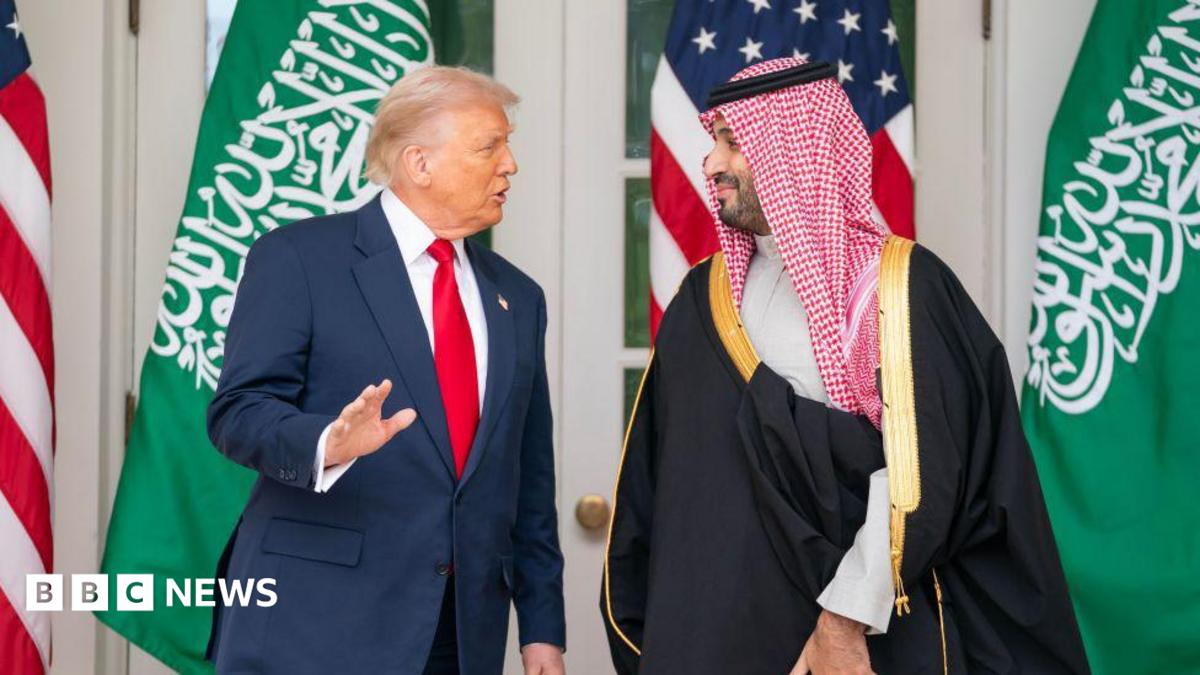
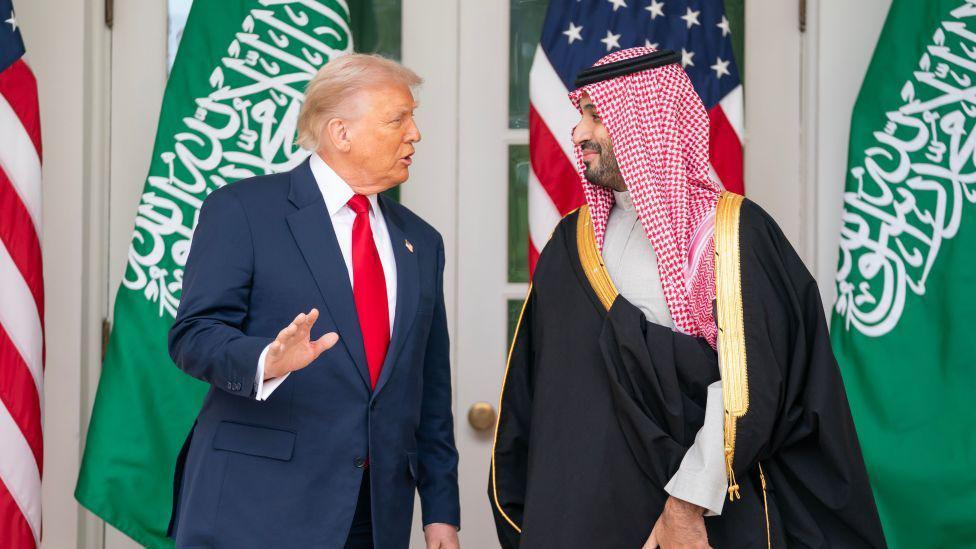
For Saudi Arabia’s Crown Prince Mohammed bin Salman (MBS), the agreement represents a significant diplomatic triumph. MBS has actively sought a nuclear agreement with the US for years as part of a broader effort to strengthen ties with Western powers and bolster his nation’s international standing. His assertiveness on the nuclear front was underscored in 2018 when he famously stated that if Iran were to develop nuclear weapons, Saudi Arabia should be permitted to do the same. This statement highlighted the Kingdom’s deep-seated security concerns regarding Tehran’s nuclear ambitions.
While the specifics of the deal were not immediately disclosed by the administration, reports indicate that it may lack the stringent enforcement measures necessary to definitively prevent Saudi Arabia from pursuing a military nuclear program in the future. This stands in contrast to the 2009 nuclear cooperation agreement between the US and the United Arab Emirates, which included rigorous inspections by the International Atomic Energy Agency (IAEA). Another significant point of contention for critics of the Saudi deal is the reported provision allowing Saudi Arabia to enrich uranium on its own soil. This capability, even if initially intended for civilian purposes, could significantly shorten the timeline for developing a nuclear weapons program should the Kingdom decide to pursue one.
Even if Saudi Arabia does not immediately embark on a path to weaponize its nuclear capabilities, the mere potential to do so could confer a powerful deterrent force within the region, according to analysts. Imran Bayoumi, a resident fellow at the Atlantic Council think tank and a former policy advisor at the US Department of Defense, observed, "It certainly helps lay the groundwork for nuclear weapons in the future." This sentiment reflects a broader concern that the proliferation of nuclear technology, even for ostensibly peaceful purposes, can create a precarious balance of power and increase the risk of an arms race.
From an energy perspective, the agreement is poised to enable Saudi Arabia to diversify its energy sector and leverage nuclear power to meet its escalating electricity demands. Energy experts suggest that the development of nuclear power could eventually reduce the Kingdom’s heavy reliance on oil, thereby insulating it from the inherent volatilities of the global oil market. Christopher Russo, an energy expert at the consulting firm Charles River Associates, explained, "Oil can be disrupted. You can bomb oil fields. Oil tankers can be stuck somewhere, as we’re seeing right now" in the Strait of Hormuz. He contrasted this with nuclear power, stating, "Nuclear power is pretty self-contained." However, the economic benefits of this transition will not be realized in the short term. It is anticipated that it will take a decade or more for Saudi Arabia to construct and commission new nuclear power plants.
The immediate political gains, however, are substantial. Saudi Arabia, already a preeminent power in the Gulf, further solidifies its regional influence. Crucially, the Kingdom secured this nuclear deal without being compelled to formally recognize Israel or abandon its long-standing demand that any normalization with Israel be contingent upon the establishment of a Palestinian state. This concession appears to stem from the Trump administration’s assessment that a diplomatic breakthrough between Saudi Arabia and Israel is unlikely in the near future. While both nations had shown openness to dialogue during the Biden administration, negotiations have stalled in the wake of the Israel-Hamas conflict in Gaza and the broader regional tensions with Iran.
The precise timing of the administration’s announcement remains unclear, with officials offering no explicit explanation for why this agreement with Saudi Arabia was pursued at this particular juncture. However, the ongoing conflict with Iran likely played a significant role. Washington has been actively seeking to de-escalate tensions with Saudi Arabia and other Gulf allies who have been targeted by Tehran since the conflict began. Saudi Arabia’s temporary denial of US access to its airspace earlier in the war, coupled with its persistent calls for de-escalation between the US and Iran, underscore the complex geopolitical dynamics at play.
American companies stand to benefit economically from this nuclear deal, although these rewards will also take time to materialize. Saudi Arabia has indicated its intention to collaborate with US-based firms in developing its civilian nuclear technology, opening up a lucrative market for manufacturers of large-scale conventional nuclear reactors, such as Westinghouse.
Despite the perceived strategic and economic advantages, the deal has already drawn considerable criticism from both Israel and within the United States. As news of the agreement surfaced, several Israeli politicians voiced concerns that Saudi Arabia could emerge as a new nuclear threat in the region. Israel, widely believed to possess nuclear weapons though it has never officially acknowledged it, has been a vocal proponent of curbing Iran’s nuclear program and joined the US-led coalition in response to Iranian aggression due to shared concerns about Tehran’s nuclear ambitions. Avigdor Lieberman, a member of the Israeli parliament and former defense minister, posted on social media, "A civilian nuclear program in Saudi Arabia [will] lead to a mad arms race across the entire Middle East."
Similar apprehensions have been echoed by Democratic lawmakers in Congress. California congressman Ro Khanna articulated his criticism to the BBC, stating, "The deal really is a giveaway to the Saudis, and it’s only going to fuel further ambitions from Iran. It’s only going to further destabilize the region with Israel. It’s just not smart policy."
In contrast, US Energy Secretary Chris Wright defended the agreement, asserting that it would stimulate the American economy and enhance national security. In a statement posted on social media, Wright maintained that the US-Saudi pact would "uphold the highest standards of nuclear safety and nonproliferation." However, the administration’s reluctance to immediately release further details about the agreement on Wednesday has fueled skepticism. Furthermore, in a potentially telling sign, President Trump himself did not preside over the official signing ceremony for the deal. Instead, he attended a dignified transfer ceremony for four US service members killed in Iran before proceeding to a rally in Georgia, where he touted his policies as having brought unprecedented stability to the Middle East.
Related topics:
Nuclear Proliferation
Middle East Politics
US Foreign Policy
Saudi Arabia
Iran
Israel
Donald Trump
