
 By admin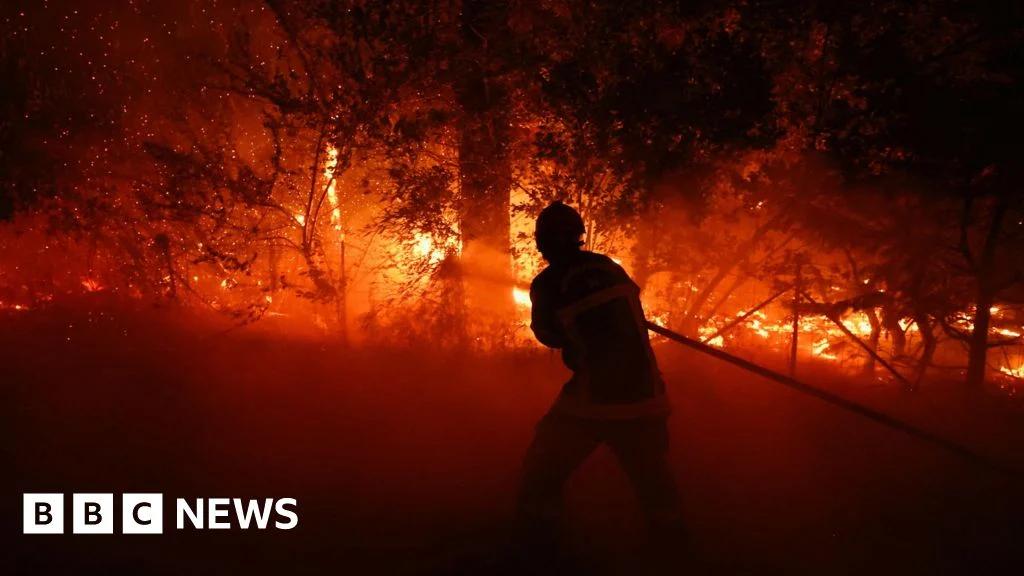
The picturesque Cap Ferret peninsula, a jewel of the Arcachon Bay and a beloved tourism destination on France’s southwestern coast, is currently at the heart of a dramatic and escalating wildfire crisis. French authorities have issued mandatory evacuation orders for hundreds of residents and visitors, forcing a mass exodus from the peninsula, with many escaping the encroaching flames by boat. This urgent operation is part of a broader regional response to wildfires that have been raging uncontrollably for days in the Gironde department, a region renowned for its vast pine forests and vineyards, now threatened by infernos of unprecedented scale. The situation in France is mirrored across the border, where the Spanish government has declared a national emergency as wildfires burn out of control in several of its autonomous communities, highlighting a growing and interconnected threat to the Iberian Peninsula and beyond.
The Gironde region, a significant economic and ecological powerhouse in France, has been battling multiple large-scale blazes for nearly a week. These fires, fueled by tinder-dry vegetation, exceptionally high temperatures, and strong winds, have consumed thousands of hectares of land. The iconic pine forests, crucial for both the local economy and the region’s biodiversity, are particularly vulnerable. The scale of these fires is not merely a local concern; it represents a stark indicator of the intensifying impact of climate change on Europe. These are not isolated incidents but symptoms of a broader pattern of extreme weather events, including prolonged heatwaves and droughts, that are creating ideal conditions for widespread and destructive wildfires.
The Cap Ferret peninsula, a narrow strip of land separating the Atlantic Ocean from the Arcachon Bay, is a highly sought-after tourist locale, attracting hundreds of thousands of visitors annually. Its pristine beaches, oyster farming traditions, and unique natural landscapes are a significant draw. The forced evacuation of this popular area underscores the severity of the situation, as authorities prioritize the safety of human lives over economic and recreational considerations. Images of people boarding boats, their faces etched with a mixture of fear and determination, are a poignant testament to the immediate danger posed by the approaching inferno. The reliance on maritime evacuation highlights the peninsula’s unique geography and the challenges it presents in land-based emergency responses when fires cut off traditional escape routes.
The firefighters, a mix of local French crews and international reinforcements, are engaged in a grueling and often perilous battle. They are operating under immense pressure, battling not only the flames but also the challenging terrain and the relentless heat. The intensity of these fires has necessitated the deployment of significant resources, including aerial firefighting aircraft like water bombers and helicopters, working in tandem with ground crews. However, the sheer size and erratic behavior of the blazes often overwhelm these efforts, forcing a strategic shift from full containment to damage limitation and the protection of critical infrastructure and populated areas.
The situation in Spain, meanwhile, paints an equally alarming picture. The declaration of a national emergency signifies the widespread nature of the wildfires across the country. Regions like Andalusia, Castile and León, and Galicia have been particularly hard hit, with reports of several major fires burning with ferocity. These fires are not only destroying vast tracts of natural landscape but also threatening villages and livelihoods. The economic impact is substantial, impacting agriculture, tourism, and the timber industry. Furthermore, the loss of biodiversity is a significant concern, with many species of flora and fauna facing unprecedented threats to their habitats.
Experts have been warning for years about the increasing risk of wildfires in Southern Europe due to climate change. Dr. Anya Sharma, a climatologist specializing in Mediterranean ecosystems, explains, "We are witnessing a fundamental shift in weather patterns. Prolonged periods of intense heat, coupled with reduced rainfall, create a tinderbox effect. The accumulation of dry vegetation, exacerbated by changes in land management practices in some areas, acts as fuel for these fires, turning what might have once been manageable blazes into uncontrollable infernos." She further emphasizes that the increased frequency and intensity of these events are directly linked to rising global temperatures.
The long-term implications of these recurring and intensifying wildfire seasons are profound. Ecologically, the destruction of forests leads to habitat loss, soil erosion, and a decrease in carbon sequestration capacity, further exacerbating climate change. Economically, the cost of firefighting, rebuilding infrastructure, and compensating for lost economic activity is immense. Socially, these events can lead to displacement, loss of community, and increased anxiety and trauma. The cultural heritage of these regions, often deeply intertwined with their natural landscapes, is also at risk.
The international dimension of this crisis is also noteworthy. The deployment of firefighters and resources from neighboring countries and international organizations underscores the transboundary nature of wildfire threats. France has received assistance from Germany, Italy, and Austria, while Spain has benefited from support from Portugal and other European nations. This collaborative response highlights the understanding that wildfires do not respect national borders and that a coordinated approach is essential for effective management.
Looking beyond the immediate crisis, the events in Cap Ferret and across Spain serve as a stark reminder of the urgent need for more robust and proactive wildfire prevention and management strategies. This includes investing in early warning systems, improving forest management practices to reduce fuel loads, and implementing stricter regulations on activities that could spark fires. Crucially, it underscores the imperative to accelerate global efforts to mitigate climate change by reducing greenhouse gas emissions. The current approach, often reactive, needs to evolve into a more proactive and resilient framework that anticipates and adapts to the escalating risks posed by a warming planet.
The current evacuations are a painful consequence of a growing environmental crisis. The scenes of people fleeing their homes and holiday destinations by boat from Cap Ferret are not just local news; they are a global harbinger of the challenges that lie ahead if significant action is not taken. The resilience of the communities in the affected regions will be tested, but so too will the commitment of governments and international bodies to address the root causes of these devastating events and to build a more sustainable future. The smoke rising from the forests of southwestern France and Spain is a visible testament to the urgent need for change.
