
 By Rifan Muazin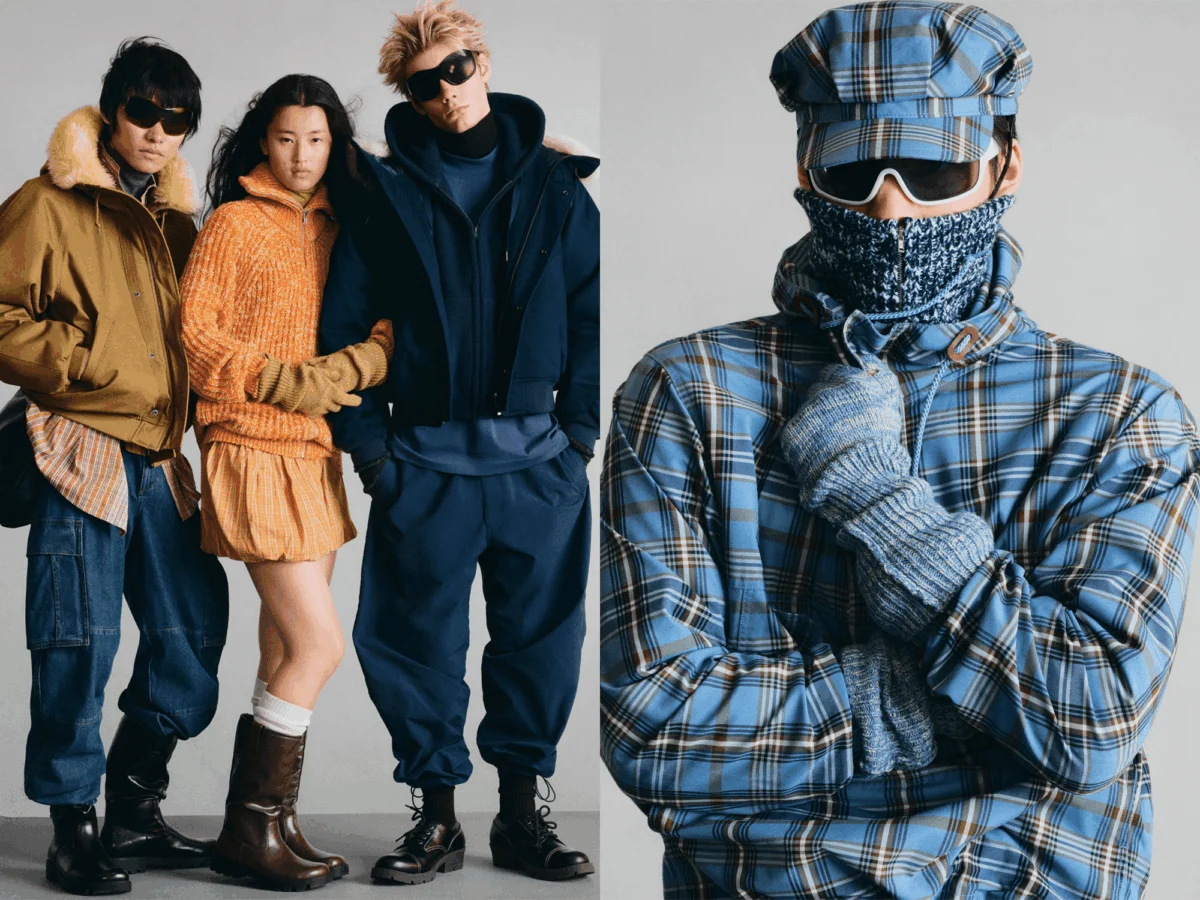
The name GU is a pun on the Japanese word jiyu, which translates to "freedom." This nomenclature is central to the brand’s identity; while Uniqlo focuses on "LifeWear"—clothing designed to make everyone’s life better through universal functionality—GU is about the freedom to enjoy fashion according to the moment’s trends without the burden of high costs. For years, GU was a phenomenon largely contained within Japan and select Asian markets, acting as a laboratory for fast-moving trends that might be too experimental for Uniqlo’s broader demographic. But as consumer appetites shift toward a mix of high-low styling and "quiet luxury" aesthetics, Fast Retailing has identified an opportunity to take GU global, starting with a significant push into the United States market, anchored by a flagship presence in New York City’s Soho.
The catalyst for this new era is undoubtedly Francesco Risso. As the former creative director of Marni, Risso became a darling of the high-fashion world, celebrated for his irreverent, quirky, and intellectual take on menswear. At Marni, he was known for sharing clothing that was bold, playful, and wildly popular, often blending mismatched patterns with avant-garde silhouettes. His status as a visionary was further cemented when he was named a GQ Global Creativity Award honoree in 2024. During that time, Risso spoke extensively about his creative process, emphasizing the importance of making things instinctively, unencumbered by the rigid influences of market data or tradition. By bringing Risso into the GU fold, Fast Retailing is attempting to inject a dose of high-fashion soul into the mass-market machine. Risso is not merely acting as a consultant; he is attempting to bring his singular, instinctive point of view to a brand that prides itself on being accessible to everyone.
The latest collection serves as a manifesto for this new direction, featuring nearly 80 styles for menswear alone. This volume is significant enough for the brand to stage its own runway show, a format Risso is intimately acquainted with from his years in Milan. To make this vast array of garments digestible for the consumer, the new collection segments the designs into five distinct categories: GU Minimal, GU Classic, GU Sport, GU Utility, and GU Playful. Each category represents a specific pillar of the modern man’s wardrobe, yet they are all infused with the updated GU sensibility.
For fans of the ultra-refined aesthetic popularized by brands like The Row or Studio Nicholson, the GU Minimal line is a revelation. It is monochromatic, chic, and mature, emphasizing "quiet design" over loud branding. Key pieces include the Faux Leather Coverall Jacket, priced at a remarkable $70, which offers the structured look of high-end outerwear at a fraction of the cost. This is paired with tailored slacks and crisp button-ups, such as the Easy Care Broadcloth Shirt ($50), which utilizes advanced fabric technology to maintain a sharp appearance with minimal maintenance. The Minimal line proves that affordability does not have to equate to a "fast fashion" look; instead, it offers a sophisticated silhouette that feels expensive.
In contrast, GU Classic leans into a nostalgic, mid-century vibe, featuring touches of ‘70s Americana. This segment is defined by plaid shirts and the Checked Wide Flared Pants ($40), which offer a daring but wearable alternative to the standard straight-leg trouser. It’s a nod to the vintage revival currently sweeping through menswear, providing an entry point for younger consumers who want to experiment with retro proportions without scouring thrift stores for hours.
The GU Utility segment addresses the ongoing obsession with workwear and "gorpcore." Here, the brand fuses rugged, task-oriented designs with urban sensibilities. The Nylon Oversized Coat ($70) is a standout, providing a voluminous, protective layer that mirrors the shapes seen on European runways. This is complemented by the Cargo Baggy Cropped Pants ($30), which offer the utility of traditional hiking gear with a modern, cropped silhouette that highlights footwear. It is a mix that is ready for both the city street and the hiking trail, reflecting a lifestyle where the boundaries between work, leisure, and outdoor exploration are increasingly blurred.
For those whose style is rooted in the gymnasium or the track, GU Sport offers a collection influenced by classic performance gear from the 1980s and ‘90s. This isn’t just about sweat-wicking fabrics; it’s about the aesthetic of athletics. The collection is full of polos, colorful Reversible T-Shirts ($20), and the Heavy Weight Sweat Cocoon Hoodie ($40). The hoodie, in particular, has become a cult favorite for its unique "cocoon" shape, which provides a structured, architectural fit that differentiates it from the limp, standard hoodies found at other retailers.
Finally, GU Playful serves as the most direct expression of Francesco Risso’s Marni DNA. This category emphasizes layering, vivid color palettes, pattern play, and baggy silhouettes. It encourages the wearer to experiment, offering items like the Checked Half Zip Parka ($60) and various Fine Gauge Knit V Neck Cardigans ($30). These pieces are designed to be mixed and matched in ways that feel instinctive and personal, echoing Risso’s own philosophy of creative freedom.
The economic implications of GU’s expansion are profound. By positioning GU as a more affordable alternative to Uniqlo, Fast Retailing is effectively bracketting the market. While Uniqlo competes with the likes of J.Crew or Gap, GU is positioned to take on the "ultra-fast" fashion giants like Zara and H&M, but with a crucial advantage: the legendary supply chain and quality control of the Fast Retailing group. Because GU shares the same manufacturing infrastructure as Uniqlo, it can maintain a level of fabric quality and construction integrity that is often missing from other budget-friendly competitors. This allows the brand to offer a Cotton Boxy T-Shirt for just $20 that feels substantial and durable, challenging the "disposable" reputation of affordable fashion.
Analysis of the current retail market suggests that GU is entering the global stage at the perfect moment. We are living in an era of "price-sensitive style," where consumers are increasingly savvy about where their clothes come from and how much they should cost. The "younger, trendier lens" of GU appeals to Gen Z and Millennial shoppers who are moved by viral trends but are also looking for foundational pieces that last longer than a single season. The appointment of a creative director like Risso adds a layer of intellectual credibility that is rare in this price bracket. It transforms GU from a "budget brand" into a "design brand that happens to be affordable."
As GU marks its 20th year of existence, it is clear that the brand is no longer content with being the "little sibling." The strategic move into the U.S. and European markets, backed by a world-class creative lead and a robust, multi-pillar collection, suggests a trajectory that could soon rival Uniqlo’s global dominance. The brand has successfully identified the white space between basic utility and high-fashion experimentation. Whether it is a $30 pair of pleated tapered pants or a $70 oversized nylon coat, GU is proving that "freedom" in fashion means having the ability to look avant-garde without financial compromise. With Risso at the helm, the brand is right on track to redefine what mass-market menswear can be, proving that flying under the radar was merely the prelude to a total takeover of the modern wardrobe.
