
 By admin
The allure of first-round NFL Draft picks is undeniable. In the immediate aftermath of draft day, headlines are dominated by the highest selections, fueled by fan anticipation and media speculation. However, a deeper dive into NFL history reveals a compelling truth: the most impactful players often emerge from the later rounds, proving that draft position is merely a starting point, not a predictor of greatness. This season, as training camps across the league commence, the focus shifts to identifying those hidden gems, players poised to make significant contributions in 2026, many of whom were not Day 1 selections. Last year’s blueprint is clear: two of the league’s premier defensive rookies, Cleveland Browns linebacker Carson Schwesinger and Seattle Seahawks defensive back Nick Emmanwori, were both Day 2 steals, underscoring the value found beyond the opening round. The players highlighted below, while perhaps not household names today, represent clean schematic fits for their respective teams, possessing a clear path to playing time and the potential to significantly alter their team’s fortunes.
NFC EAST: A Division Primed for Rookie Impact
The NFC East, a perennial battleground in the NFL, features several teams that have strategically bolstered their rosters with promising rookies, particularly in the later rounds.

The Dallas Cowboys, in a move that has drawn widespread acclaim, secured Caleb Downs, DB, from Ohio State with the No. 11 overall pick. Downs was arguably the most straightforward evaluation in this draft class, showcasing an instinctive, athletic, and physical style of play that is expected to translate seamlessly to the professional level. The Cowboys’ defense has long yearned for a commanding presence in the secondary, a true leader to orchestrate the unit. Downs, with his tape-driven leadership and undeniable playmaking ability, is precisely that “sheriff” they have been searching for. His presence is anticipated to provide an immediate upgrade in both coverage and run support, shoring up a defense that has at times struggled to find consistent playmakers. His ability to read offenses, break on the ball, and deliver punishing tackles suggests a Pro Bowl trajectory.
In New York, the Giants have added a potentially game-changing weapon in Malachi Fields, WR, from Notre Dame, selected at No. 74. While the Giants already boast a collection of talented pass-catchers for quarterback Jaxson Dart, including Malik Nabers, Darius Slayton, and Calvin Austin, along with tight end Isaiah Likely, these players, by NFL standards, are relatively diminutive. Fields, on the other hand, presents a stark contrast. Standing at nearly 6-foot-5 and weighing 218 pounds, he is a prototypical "big-bodied" X receiver who excels at winning jump balls and dominating contested catches. This physical mismatch ability is something the Giants have lacked in their receiving corps. Fields is poised to become one of Dart’s favorite deep-threat targets, stretching the field vertically and creating opportunities in one-on-one situations that the Giants’ current receiving threats may not consistently generate. His size and physicality should also make him a more reliable red-zone threat, a critical component for any offense looking to convert crucial drives.

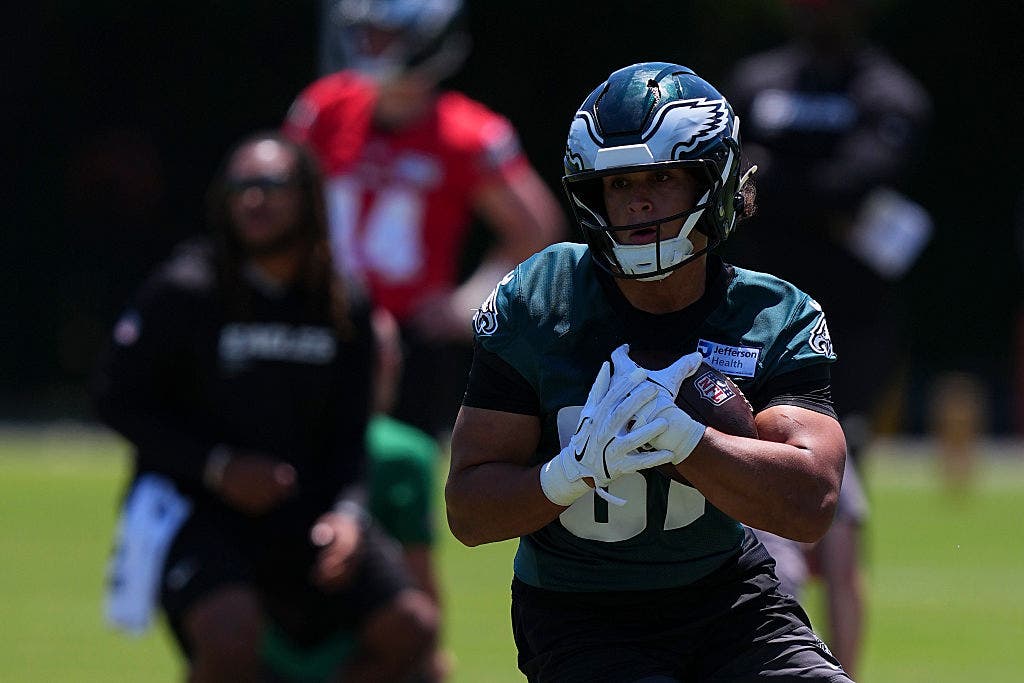
The Philadelphia Eagles, looking to diversify their offensive attack following the departure of star wideout A.J. Brown, have brought in Eli Stowers, TE/WR, from Vanderbilt, with the 54th overall pick. While Dallas Goedert has been a highly productive tight end for the Eagles, often benefiting from defensive attention drawn by the team’s potent rushing attack, Stowers offers a different dimension. He won’t likely supplant Goedert as the primary tight end threat in 2026, but his versatility as both a tight end and a wide receiver provides offensive coordinator Brian Johnson with a wealth of new schematic possibilities. Stowers’ ability to line up in various formations and create mismatches against linebackers or slower defensive backs can force defenses to adjust their coverage schemes, potentially opening up lanes for the run game or creating opportunities for other pass-catchers. His addition signals a commitment to evolving the Eagles’ aerial attack, ensuring they remain a multi-faceted offensive threat.
The Washington Commanders have added Antonio Williams, WR, from Clemson, at No. 71. While rookie linebacker Sonny Styles is expected to make an immediate impact on defense, Williams presents an intriguing offensive prospect. He plays with a physicality and speed that belie his measurements, often making plays against larger defensive backs. His change-of-direction skills and knack for big plays draw comparisons to former Seattle Seahawks standout Doug Baldwin, a receiver known for his gritty play and ability to consistently find the end zone. Williams’ addition injects a much-needed dose of playmaking ability into a Commanders offense seeking to establish a more dynamic passing game. His ability to operate effectively in the short and intermediate areas of the field, coupled with his potential to make explosive plays, could make him a valuable complement to the Commanders’ existing offensive talent.

NFC NORTH: Building Blocks for Sustained Success
The NFC North, a division known for its physical play and burgeoning young talent, has also made shrewd selections to bolster their rosters for the future.
The Chicago Bears have prioritized the protection of their franchise quarterback, Caleb Williams, by selecting Logan Jones, C, from Iowa, with the 57th overall pick. Jones, the recipient of the prestigious Rimington Award as the nation’s top center, arrives with an impressive resume from a highly respected offensive line program. His 50 career starts for Iowa, a program renowned for producing NFL-ready blockers, signal his readiness to step into a starting role immediately. Jones’ technical proficiency, football IQ, and ability to anchor the interior offensive line are crucial for safeguarding Williams and establishing a consistent ground game. His presence is expected to bring stability and leadership to the Bears’ offensive front, allowing Williams to operate from a clean pocket and make plays downfield.
For the Detroit Lions, a team built on grit and physicality under head coach Dan Campbell, Keith Abney II, CB, from Arizona State, at No. 157, represents a perfect fit. Abney is a tenacious defender who plays with a ferocity that belies his size. While the Lions have added free-agent nickel corner Roger McCreary, Abney is a strong candidate to challenge for that role as a rookie. His scrappy style, willingness to tackle, and ability to disrupt passing lanes align perfectly with the Lions’ defensive philosophy. His emergence would provide a crucial boost to the secondary, adding depth and a competitive edge to a defense that has been a cornerstone of their recent success.

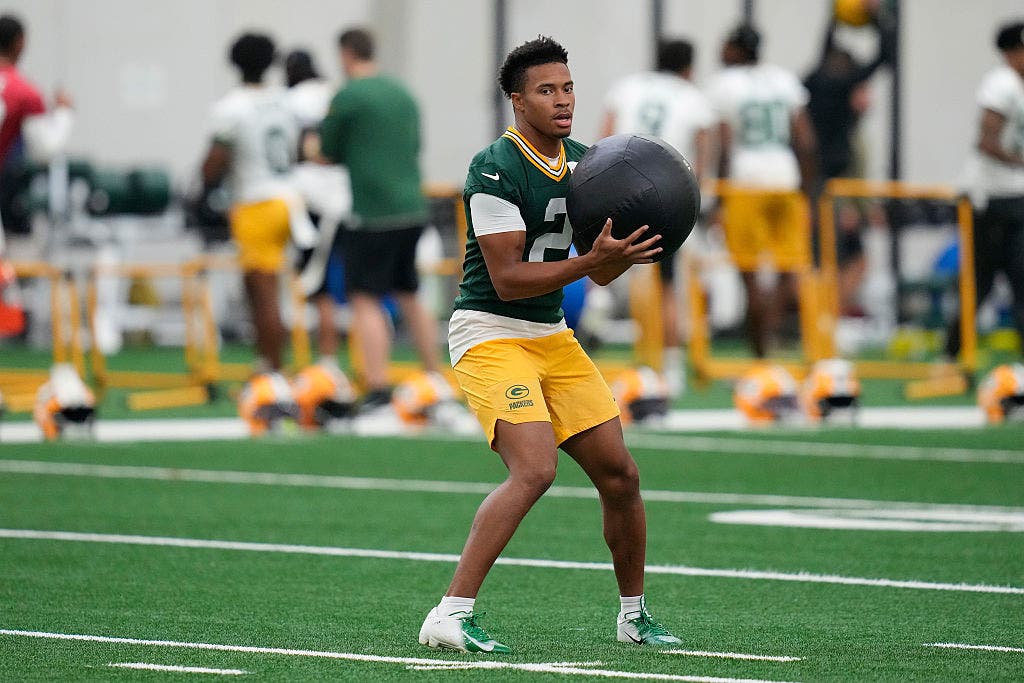
The Green Bay Packers wisely addressed a significant positional need by selecting Brandon Cisse, CB, from South Carolina, with their second-round pick at No. 52. Cisse possesses traits and game tape that suggest first-round potential, offering the Packers a high-upside prospect. He provides crucial depth and a contingency plan should fellow young corner Carrington Valentine continue to struggle with consistency. Furthermore, with Keisean Nixon set to become a free agent, Cisse represents a more cost-effective and younger alternative to secure the cornerback position for the foreseeable future. His ability to match up against opposing receivers and contribute in man and zone coverage will be vital for a Packers secondary looking to elevate its performance.
The Minnesota Vikings have added Domonique Orange, DT, from Iowa State, with their third-round selection at No. 82. While Orange may not be a dominant force in the passing game, his power and tenacity against the run are precisely what the Vikings need. With veteran defensive tackles Javon Hargrave and Jonathan Allen being released prior to the draft, the Vikings’ defensive line is in need of immediate contributors. Orange is expected to step in and provide a physical presence in the interior of the defensive line, helping to solidify the run defense. His development could also see him grow into a more significant pass-rushing threat in the coming years, adding another layer to the Vikings’ defensive strategy.

NFC SOUTH: Playmakers Emerge in the Heat of the South
The NFC South, a division undergoing its own transitions, has also welcomed promising rookies who are expected to make an immediate impact.

The Atlanta Falcons have acquired Zachariah Branch, WR/RS, from Georgia, at No. 79. Branch is almost certain to begin his career as the Falcons’ primary punt and kick returner, bringing explosive potential to special teams. However, his true value lies in his ability to create plays in the quick game as both a receiver and a rusher. In an offense already featuring dynamic playmakers like Bijan Robinson, Drake London, and Kyle Pitts, Branch’s ability to operate in space and exploit one-on-one matchups will stress opposing defenses. He is expected to thrive in a complementary role, adding another dangerous element to an already potent Falcons offense and creating favorable matchups for the team’s established stars.
The Carolina Panthers have added Chris Brazzell II, WR, from Tennessee, with the 83rd overall pick. Reigning Offensive Rookie of the Year Tetairoa McMillan, while a talented receiver, is more of a fluid glider than a true vertical threat. Brazzell, on the other hand, excels at stretching the field vertically. His ability to consistently win downfield will open up opportunities for McMillan and other Panthers receivers, forcing defenses to respect the deep ball. Beyond his deep-threat capabilities, Brazzell possesses impressive body control and sticky hands, making him a reliable pass-catcher in traffic and a threat to make contested grabs. His addition promises to make the Panthers’ passing game more explosive and unpredictable.

The New Orleans Saints have drafted Christen Miller, DT, from Georgia, at No. 42. While offensive playmakers Jordyn Tyson and Bryce Lance may draw more initial attention, Miller has the potential to be the Saints’ most impactful draft selection. He is a rugged run-stuffer with untapped potential as a pass-rusher. Miller is expected to step in as a key contributor on the defensive line from day one, providing much-needed reinforcement against the run. As veteran defensive tackles Davon Godchaux (32) and Nathan Shepherd (31) age and approach the end of their contracts, Miller is poised to emerge as a cornerstone of the Saints’ defensive front in the coming years, solidifying their interior presence.
The Tampa Bay Buccaneers have brought in Josiah Trotter, ILB, from Missouri, with the 46th pick. Trotter, whose family legacy is steeped in NFL success, is well-prepared for the high expectations that come with playing in the league. With the recent retirement of franchise legend Lavonte David, Trotter steps into a situation where immediate impact is not only desired but necessary. He possesses the speed, physicality, and "alpha mentality" required to excel at the inside linebacker position. Furthermore, he is entering a favorable defensive environment, with massive defensive tackles Vita Vea and A’Shawn Robinson occupying blockers and creating cleaner lanes for him to make plays. Trotter has the potential to become the next great Buccaneers linebacker.
NFC WEST: Building Depth and Future Stars
The NFC West, a division known for its competitive balance and strong defensive play, has also made strategic additions in the later rounds.

The Arizona Cardinals have selected Kaleb Proctor, DT, from Southeastern Louisiana, at No. 104. The transition from the FCS to the NFL is significant, but Proctor demonstrated his ability to perform against top competition, including strong showings against LSU and at the Senior Bowl. His combination of quickness, length, and strength provides the Cardinals with much-needed depth and flexibility along their defensive front. Proctor is expected to contribute as a rookie and has the potential to develop into a starter within his first two years, adding a disruptive presence to a Cardinals defense looking to improve its pass rush and run defense.
The Los Angeles Rams may have found a future starting offensive lineman in Keagen Trost, OT, from Missouri, at No. 93. While Trost spent most of his college career at tackle, his physical frame projects best to guard at the professional level. He won’t garner the same attention as first-round quarterback Ty Simpson, but Trost is expected to play a crucial role as the Rams’ sixth man on the offensive line as a rookie, providing versatile depth and the potential to fill in where needed. His development could see him solidify a starting position in the coming seasons, contributing to the Rams’ ongoing efforts to build a dominant offensive line.

The San Francisco 49ers, who were significantly hampered by injuries along their defensive line last season, leading to a league-low 20 sacks, have drafted Gracen Halton, DT, from Oklahoma, with the 107th pick. While the return of defensive end Nick Bosa and the additions of rookie DE Keion White and free agent Osa Odighizuwa may limit immediate opportunities for Halton, his slipperiness and quickness off the ball are highly intriguing. Even if he doesn’t secure a starting role in 2026, don’t be surprised if Halton carves out a significant role as a pass-rushing specialist, potentially matching his collegiate career high of five sacks as a rookie. His ability to generate interior pressure could be a valuable asset for the 49ers’ defense.
Finally, the Seattle Seahawks, in a bold move that has generated considerable buzz, selected Jadarian Price, RB, from Notre Dame, with the 32nd overall pick. In a quarter-century of covering the NFL Draft, it is rare to see a prospect selected in the first round who never started a college game. Price, who remained at Notre Dame despite playing behind Jeremiyah Love, is such a prospect. However, his tape suggests he is an ideal fit for Seattle’s wide-zone offensive scheme. The Seahawks, defending champions, believe Price’s vision, agility, and ability to thrive in space will translate into significant success. The expectation is that Price will not only be Seattle’s leading rusher in 2026 but will also be a strong contender for Offensive Rookie of the Year honors, a testament to the faith the Seahawks have placed in his untapped potential.
