
 By admin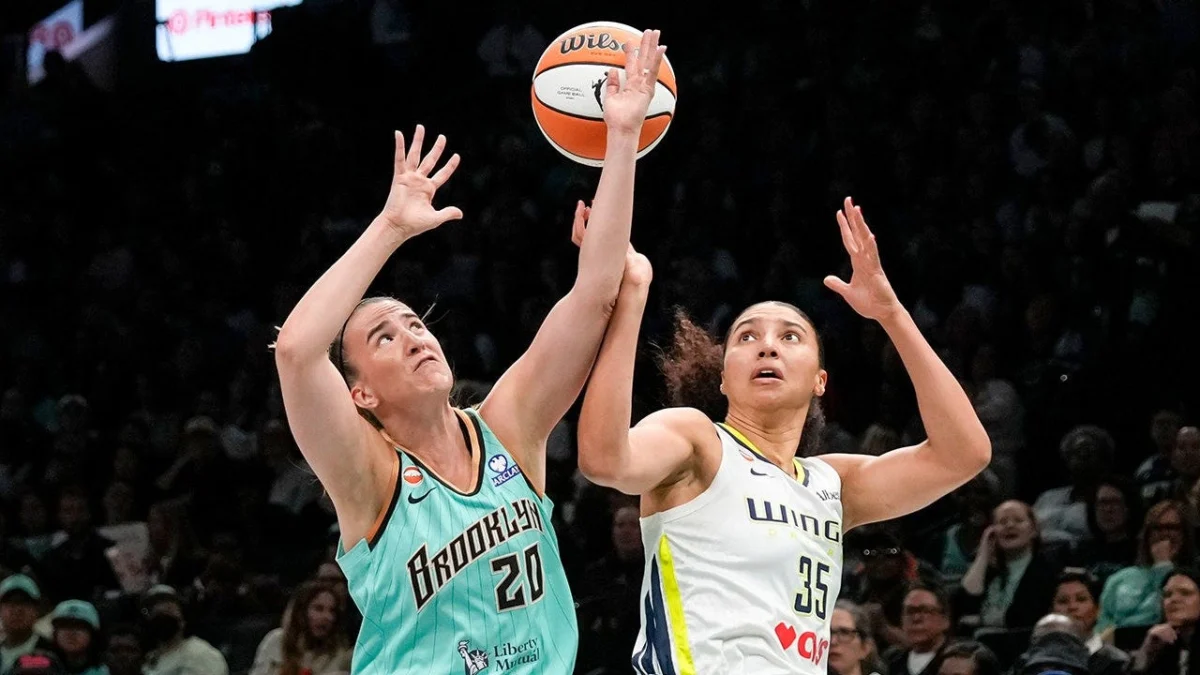
The Women’s National Basketball Association (WNBA) is experiencing a renaissance, fueled by a constellation of burgeoning stars who are injecting unprecedented energy, narrative, and commercial appeal into the league. Yet, amidst this surge of popularity, a curious paradox emerges: the league itself appears hesitant to fully embrace the very forces driving its ascent. Caitlin Clark, the electrifying rookie sensation, and Sophie Cunningham, a seasoned competitor known for her grit, exemplify this dynamic. They are delivering precisely what any professional sports league covets: increased viewership, compelling rivalries, record-breaking ratings, magnetic personalities, viral moments, and a palpable emotional connection with fans. So, why does the WNBA seem uncomfortable with the very star power that is finally drawing widespread attention? This critical question is at the heart of discussions surrounding the league’s trajectory and its potential for sustained growth.
On "The Riley Gaines Show," Riley Gaines delves into this complex issue, dissecting the factors contributing to the WNBA’s current buzz. She examines Caitlin Clark’s remarkable return to elite form, highlighting how her individual brilliance is propelling the Indiana Fever’s impressive surge in performance. Gaines also addresses the controversies surrounding officiating and technical fouls, exploring how these moments, while often debated, contribute to the narrative surrounding Clark and her impact. Furthermore, she analyzes Sophie Cunningham’s role and her pushback against being labeled an "enforcer," suggesting a desire for athletes to be seen beyond simplistic archetypes.
Gaines clarifies that her analysis is not about portraying Caitlin Clark as a victim, but rather about addressing a fundamental question for the future of women’s sports: can the WNBA truly embrace and cultivate stars who are intense, competitive, physical, marketable, and unapologetically themselves? The league’s approach to officiating debates, viral moments, and its perceived hesitation to fully monetize the inherent drama and personality of its athletes are all under scrutiny. Gaines argues that the growth of women’s sports is not achieved by sanitizing rivalries or softening the edges of its competitors. Instead, true expansion comes from allowing athletes the freedom to exhibit their edge, express their unique personalities, demonstrate unwavering loyalty, showcase toughness, and possess a distinct point of view. This unvarnished authenticity, she contends, is the key to unlocking the league’s full potential.
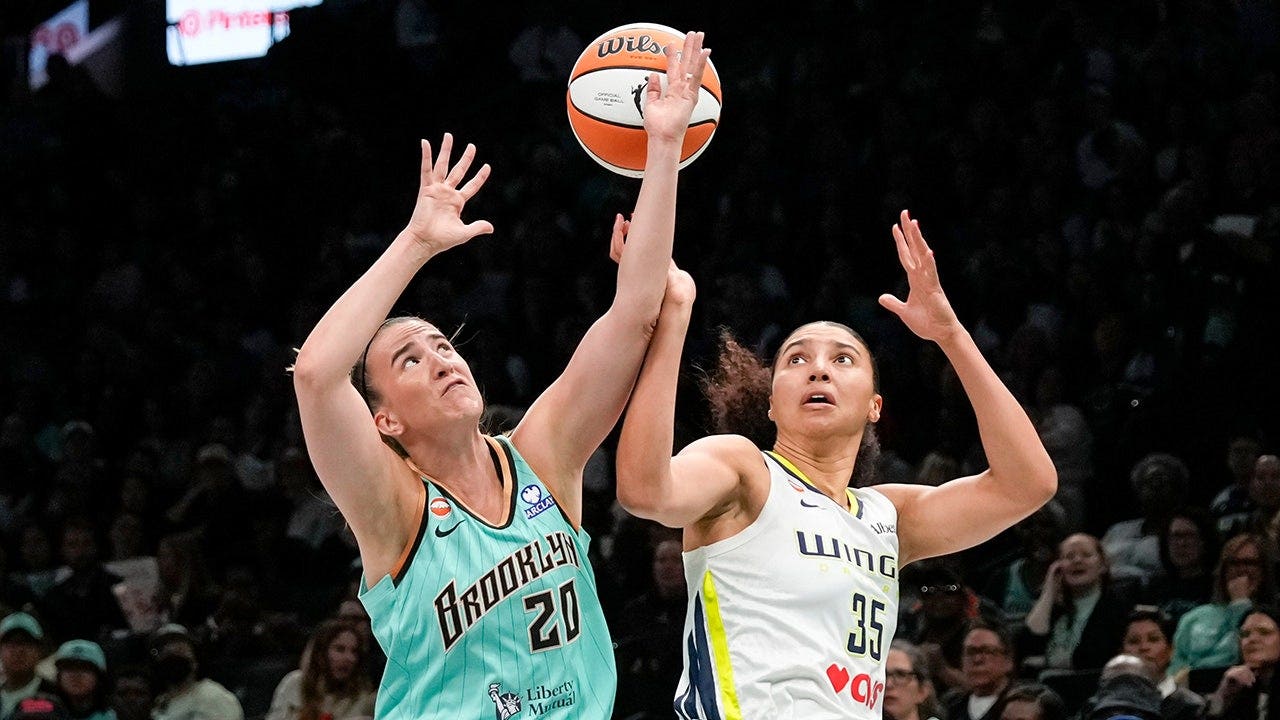
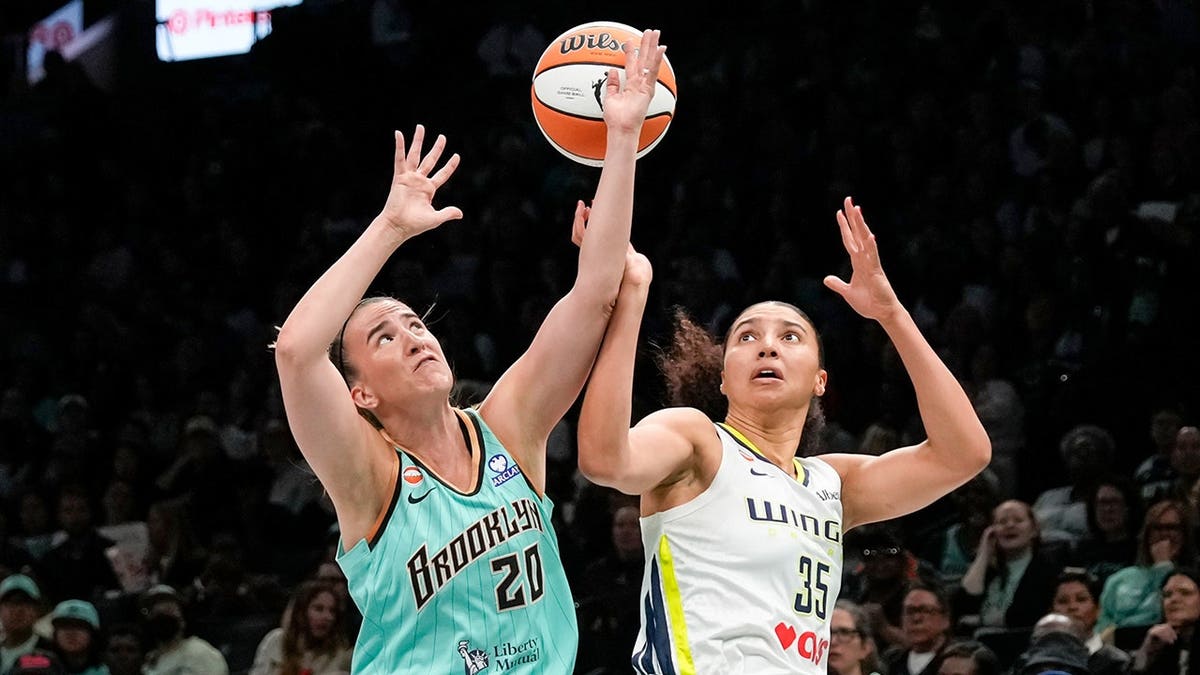
Shifting focus to the on-court action, the upcoming matchup between the New York Liberty and the Phoenix Mercury presents an intriguing betting proposition, moving away from the familiar territory of baseball. The WNBA, a league that has recently found itself frequently in the headlines, often for reasons that could be perceived as self-inflicted, is at a critical juncture. The author suggests that the league could benefit from a strategic overhaul, potentially involving a new marketing team, a different commissioner, and a fresh perspective from individuals with a keen understanding of sports dynamics and marketability. This sentiment underscores a perceived disconnect between the league’s current presentation and the explosive potential of its talent.
The New York Liberty entered the season with significant expectations, widely favored to contend for the WNBA Championship. Despite their current record of 16-13, they remain a formidable force. Their victory in the Commissioner’s Cup, a tournament analogous to the NBA’s Play-In Tournament, showcases their ability to perform under pressure. However, historical data presents a cautionary note: only one team in the four-year history of the Commissioner’s Cup has gone on to win the WNBA Championship in the same season. This statistic raises questions about the tournament’s ultimate impact on championship aspirations. The Liberty’s challenges are not rooted in a lack of talent, which is demonstrably abundant. Instead, the question arises: what factors are contributing to their perceived "average" performance this season?
One significant factor contributing to the league’s increased competitiveness and, by extension, the challenges faced by teams like the Liberty, is the overall elevation of talent. While the arrival of Caitlin Clark has undoubtedly been a catalyst for increased attention, it is crucial to acknowledge that the WNBA has been steadily attracting a wave of exceptionally talented players over the past few seasons. This influx of skill has raised the league’s parity, making every game a more demanding contest. For the Liberty specifically, a substantial contributing factor to their inconsistent performance has been the availability of key players. Sabrina Ionescu, a perennial All-Star, has been limited to just 17 games, and Satou Sabally has played in only 13. The team has grappled with significant roster turnover, with 11 players appearing in 10 or more games while averaging at least 13 minutes of playing time. This constant flux necessitates considerable "mixing and matching" of lineups, hindering the development of consistent chemistry and rhythm.
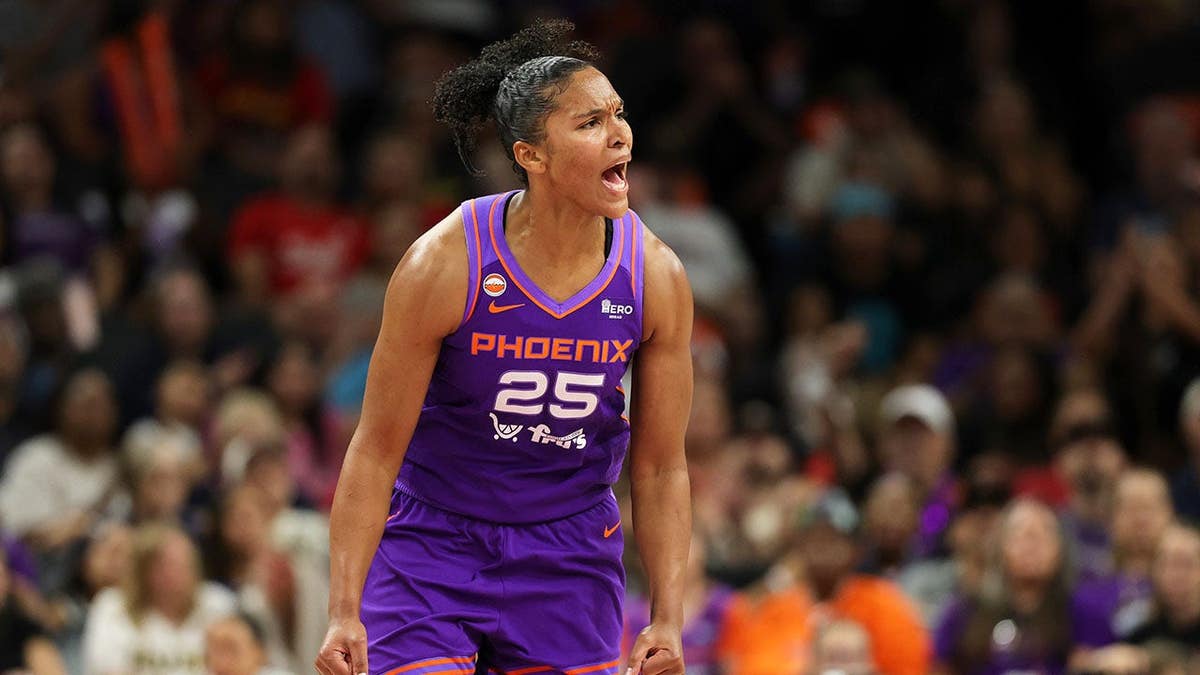
The Phoenix Mercury, who reached the WNBA Finals just last season, are now facing an uphill battle to even secure a playoff spot. Their season began with a disappointing 2-8 record, which quickly deteriorated to 4-12. The Mercury have endured multiple significant losing streaks, with three instances of losing at least four consecutive games. While they have shown signs of improvement and are currently playing better basketball, the reasons behind their substantial decline from championship contenders to postseason hopefuls remain a subject of discussion. Beyond the general improvement of rosters across the league, pinpointing specific causes for their struggles is challenging.
Despite these challenges, the Mercury still boast a standout performer in Kahleah Copper, who continues to deliver at an elite level, averaging an impressive 20.7 points per game. However, a perceived weakness lies in the lack of consistent offensive support around Copper. The team features only three players averaging 10 or more points per game. While another three players are averaging nine or more, the Mercury appear to be missing a clear second or third go-to scorer. This offensive imbalance is further exacerbated by the departure of Satou Sabally, the team’s leading scorer from the previous season, who is now a key player for the New York Liberty.
While Sabally’s absence from the Mercury roster is a factor, it doesn’t fully explain their defensive struggles. Both the Liberty and the Mercury are conceding a significant number of points per game. The Liberty are allowing an average of 87.6 points, while the Mercury are not far behind, giving up 86.6 points per contest. Collectively, these defensive vulnerabilities suggest a game with a high potential for scoring, with an average of 174.2 points allowed between the two teams.
This defensive landscape presents an interesting dynamic for the upcoming game. The Mercury are known for their physicality, a trait that can disrupt opponents’ offensive flow. The Liberty, on the other hand, present a more multifaceted challenge, with a roster capable of potent shooting. Shooters, however, are notoriously streaky, and their effectiveness can fluctuate significantly from game to game. Given the high point totals allowed by both teams and the potential for offensive outbursts, the betting market is closely watching this matchup.
The author’s betting strategy focuses on the "under" for this particular game, a prediction that anticipates a lower-scoring affair than the raw defensive statistics might suggest. This inclination could stem from various factors, including an expectation of improved defensive execution from both teams as they jockey for playoff positioning, or a belief that the offensive strengths of one team will be effectively neutralized by the defensive schemes of the other.
The WNBA’s current surge in popularity is a complex phenomenon, driven by a confluence of factors including star power, increased media attention, and a growing fanbase. However, as highlighted by the discussions surrounding "The Riley Gaines Show," the league’s ability to fully capitalize on this momentum hinges on its willingness to embrace the full spectrum of its athletes’ personalities and competitive spirits. The narrative surrounding star players, their rivalries, and their on-court intensity is a powerful engine for growth. By fostering an environment that celebrates these elements, rather than appearing hesitant to monetize them, the WNBA can solidify its position as a premier professional sports league and continue to expand its reach and influence. The upcoming game between the Liberty and the Mercury, while offering a betting opportunity, also serves as a microcosm of the broader trends and challenges facing the WNBA today. The league’s future success may well depend on its ability to navigate these dynamics with courage and conviction, allowing its stars to shine brightly and authentically.
