
 By admin
United Airlines operates one of the most expansive and sophisticated loyalty programs in the aviation industry. Known as United MileagePlus, the program serves millions of travelers globally, particularly those centered around United’s major domestic hubs in Newark (EWR), Chicago (ORD), Denver (DEN), Houston (IAH), Los Angeles (LAX), San Francisco (SFO), and Washington, D.C. (IAD), as well as its significant international gateway in Guam (GUM). In early 2025, United introduced a series of seismic shifts to the program, overhauling its cobranded credit card lineup and fundamentally changing how miles are earned. These changes have pivoted the program toward a "cardholder-first" model, where the most lucrative earning rates and benefits are reserved for those who carry a Chase-issued United credit card.
The Evolution of MileagePlus: A Strategic Overhaul
The 2025 refresh of the MileagePlus program represents a broader trend in the airline industry: the transition from simple distance-based rewards to complex, revenue-driven ecosystems. United’s recent updates are designed to deepen the relationship between the airline and its most loyal customers. By integrating credit card ownership directly into the flight-earning math, United has essentially created a tiered incentive structure that rewards "stacking" behaviors—flying United, holding a United card, and achieving elite status.
For the modern traveler, understanding MileagePlus requires a grasp of several moving parts: the Star Alliance network, the nuances of Premier elite status, the strategic use of Chase credit cards, and the complexities of dynamic award pricing. This guide provides a comprehensive deep dive into every facet of the program to ensure members can maximize their return on every dollar spent.

Navigating the Global Network: United’s Partners
United Airlines is a founding member of the Star Alliance, the world’s largest global airline network. This membership is the cornerstone of the MileagePlus program’s value proposition, allowing members to earn and redeem miles on a staggering array of international carriers.
Star Alliance Partners
Members can book flights on 26 different partner airlines through United.com, often with the same ease as booking a United-operated flight. These partners include:
- Europe: Lufthansa, Swiss International Air Lines, Austrian Airlines, Turkish Airlines, SAS (though transitioning), TAP Air Portugal, Aegean Airlines, Brussels Airlines, LOT Polish Airlines.
- Asia/Pacific: All Nippon Airways (ANA), Air China, Air India, Air New Zealand, Asiana Airlines, EVA Air, Shenzhen Airlines, Singapore Airlines, Thai Airways.
- Americas: Air Canada, Avianca, Copa Airlines.
- Africa/Middle East: Ethiopian Airlines, EgyptAir, South African Airways.
Non-Alliance and Special Partnerships
United also maintains "boutique" partnerships with carriers outside of Star Alliance, such as Aer Lingus, Air Dolomiti, Azul, Emirates (on specific routes), Hawaiian Airlines, and Olympic Air.
A particularly noteworthy development is the expansion of the "Blue Sky" partnership with JetBlue. As of May 2024, United and JetBlue introduced reciprocal elite benefits. Eligible United Premier members now enjoy priority check-in, priority boarding, and even preferred seating when flying on JetBlue, while JetBlue Mosaic members receive similar treatment on United. This partnership is strategically vital for travelers in the competitive Northeast corridor, providing a seamless experience for those who frequently bounce between Newark and JetBlue’s stronghold at JFK.
The Path to United Premier Elite Status
Earning elite status in the MileagePlus program is a pursuit of "Premier" tiers. The qualification process is based on two primary metrics: Premier Qualifying Flights (PQF) and Premier Qualifying Points (PQP). A PQF is earned for every flight segment flown on United or its partners, while a PQP is roughly equivalent to one U.S. dollar spent on the base fare and carrier-imposed surcharges.
2026 Qualification Requirements
To hold status through January 31, 2028, members must meet the following thresholds in the 2025 calendar year:
| Elite Status Tier | PQP + PQF Requirement | PQP Only Requirement |
|---|---|---|
| Premier Silver | 5,000 PQP + 15 PQF | 6,000 PQP |
| Premier Gold | 10,000 PQP + 30 PQF | 12,000 PQP |
| Premier Platinum | 15,000 PQP + 45 PQF | 18,000 PQP |
| Premier 1K | 22,000 PQP + 60 PQF | 28,000 PQP |
Note: All members must fly at least four segments on United or United Express to qualify for any tier.
Tiers and Key Benefits
- Premier Silver: The entry-level tier provides complimentary access to Economy Plus at check-in, one free checked bag (32kg/70lbs), and Star Alliance Silver status.
- Premier Gold: Widely considered the "sweet spot," Gold status grants Economy Plus access at the time of booking, two free checked bags, and Star Alliance Gold status, which includes access to over 1,000 lounges globally when traveling internationally.
- Premier Platinum: This tier increases the checked bag allowance to three and provides 40 PlusPoints, which can be used to upgrade flights to premium cabins.
- Premier 1K: The highest published tier offers 280 PlusPoints, a dedicated 1K check-in line, pre-boarding, and a complimentary CLEAR Plus membership.
- Global Services: This invitation-only tier is reserved for the airline’s highest spenders. Benefits are shrouded in some mystery but include Mercedes-Benz tarmac transfers and the highest priority for upgrades.
Earning Miles in the New Era
The most significant change to MileagePlus in 2025 is the bifurcation of earning rates based on credit card ownership. United has made it clear: if you do not have a United credit card, you are leaving miles on the table.
The Flight Earning Multipliers
For tickets issued on or after April 2, 2025, the number of miles earned per dollar spent on United-issued tickets depends on your status and whether you hold a United card:
| Elite Status Tier | Standard Earning (No Card) | Cardholder Earning Rate |
|---|---|---|
| Basic Member | 3 miles per $1 | 6 miles per $1 |
| Premier Silver | 5 miles per $1 | 8 miles per $1 |
| Premier Gold | 6 miles per $1 | 9 miles per $1 |
| Premier Platinum | 7 miles per $1 | 10 miles per $1 |
| Premier 1K | 9 miles per $1 | 12 miles per $1 |
Basic Economy and Base Fares
United has also introduced "Base" fares across all cabins, including United Polaris Base and United Premium Plus Base. These fares are more restrictive and offer significantly lower earning rates. For example, a basic member without a card earns zero miles on these fares, while a cardholder still earns 3 miles per dollar. This makes a United credit card an essential tool for budget-conscious travelers who still want to accumulate rewards.
Credit Card Accrual
In addition to the "cardholder bonus" mentioned above, members earn additional miles by paying for their flights with a United card. The United Club Infinite Card, for instance, earns 4 miles per dollar on United purchases. When stacked with the Premier 1K cardholder rate, a top-tier flyer can earn a staggering 16 to 17 miles per dollar spent.
The United Credit Card Portfolio
United’s partnership with Chase has resulted in a diverse array of credit cards tailored to different types of travelers.

- United Gateway Card: Best for occasional flyers, this card has no annual fee. It offers 2 miles per dollar on United purchases and gas stations. However, to unlock the enhanced flight earning rates, members must spend $10,000 on the card annually.
- United Explorer Card: The most popular choice, offering a free first checked bag, two United Club one-time passes annually, and a Global Entry/TSA PreCheck credit.
- United Quest Card: A mid-tier powerhouse that offers two free checked bags, a $125 annual United credit, and 5,000 miles back after you take two award flights in a year.
- United Club Infinite Card: The premium offering. It provides a full United Club membership, allowing the cardholder and two guests access to lounges. It also earns 4 miles per dollar on United purchases and offers significant PQP earning potential through spending.
Transfer Partners
One of the easiest ways to boost a MileagePlus balance is through transfer partners. Chase Ultimate Rewards and Bilt Rewards both transfer to United at a 1:1 ratio. This allows travelers to earn points on dining, rent, or general travel and move them to United instantly to book an award flight.
Strategic Redemptions: Maximizing the Value of Miles
United moved to dynamic award pricing several years ago, meaning the cost of a flight in miles fluctuates based on demand, similar to cash prices. While this removed the predictability of award charts, it opened up new opportunities for those who know where to look.
The "Excursionist Perk"
Perhaps the most valuable hidden feature of MileagePlus is the Excursionist Perk. This allows members to book a free one-way flight within a single multi-city itinerary. For example, if you book a flight from Newark to London, and then London to Paris, and finally Paris to Newark, the London-to-Paris leg could cost zero miles, provided all flights are in the same region.
Dynamic Pricing and "Saver" Awards
While some flights can cost hundreds of thousands of miles, "Saver" awards (often labeled as "Plan" or "Saver" on the search results) offer the best value.

- Domestic Short-Haul: Flights under 500 miles can often be found for as little as 5,000 to 10,000 miles.
- Transatlantic Economy: United frequently offers one-way flights to Europe for 20,000 to 30,000 miles.
- Polaris Business Class: While harder to find, Saver-level business class to Europe or Asia for 80,000 to 100,000 miles represents a massive savings over the cash price, which can exceed $5,000.
Family Pooling
Introduced recently, United now allows up to five members to "pool" their miles into a single account. This is a game-changer for families. Instead of having small, unusable balances spread across children’s accounts, parents can combine everyone’s earnings to book a family vacation.
The New Frontier: Polaris Studio and Fleet Upgrades
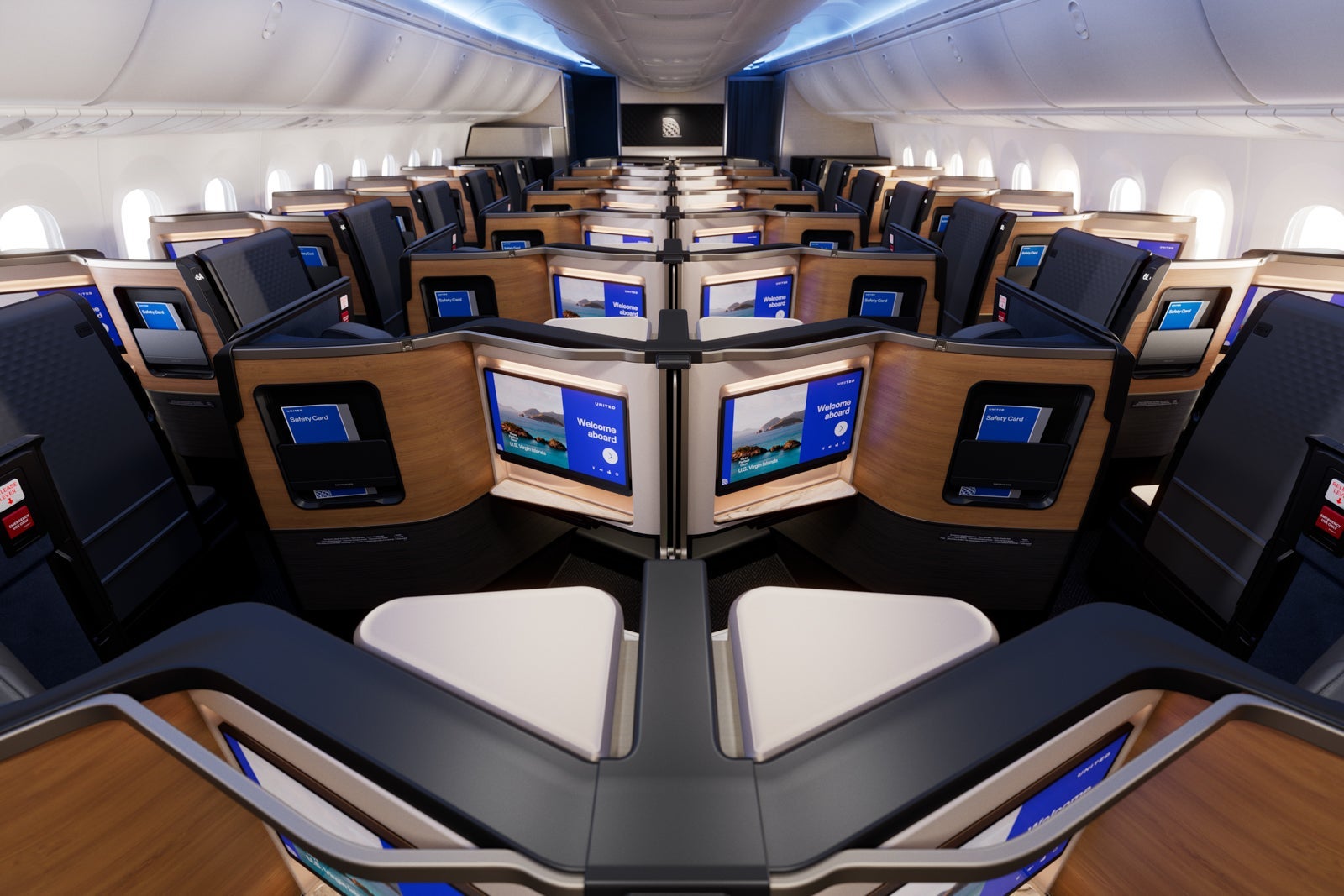
United is not just innovating in its loyalty program; it is also reinvesting in the onboard experience. The airline recently announced the "Polaris Studio," a new configuration of its famed business-class cabin. These suites offer enhanced privacy and updated technology, designed to compete with the likes of Qatar Airways’ Qsuite and Delta One Suites. Furthermore, the "United Next" initiative is retrofitting the narrow-body fleet with larger overhead bins, seatback entertainment at every seat, and high-speed Wi-Fi, ensuring that the experience on the ground with MileagePlus is matched by the experience in the air.
Conclusion: Is United MileagePlus Worth It?
In the current landscape of loyalty programs, United MileagePlus stands out for its flexibility and its integration with the Chase ecosystem. The shift toward rewarding cardholders is a clear signal that United values the "all-in" customer. For a traveler based in a United hub, the combination of a United Quest or Club Infinite card with even mid-tier Premier status creates a travel experience that is both rewarding and comfortable.
While dynamic pricing requires more effort to find high-value redemptions, the lack of fuel surcharges on partner awards and the ability to pool miles make MileagePlus one of the most user-friendly programs for both solo business travelers and families. As the airline continues to expand its global reach and refine its "cardmember-first" philosophy, MileagePlus remains a foundational pillar of the modern travel experience.
