
 By Titik Puspa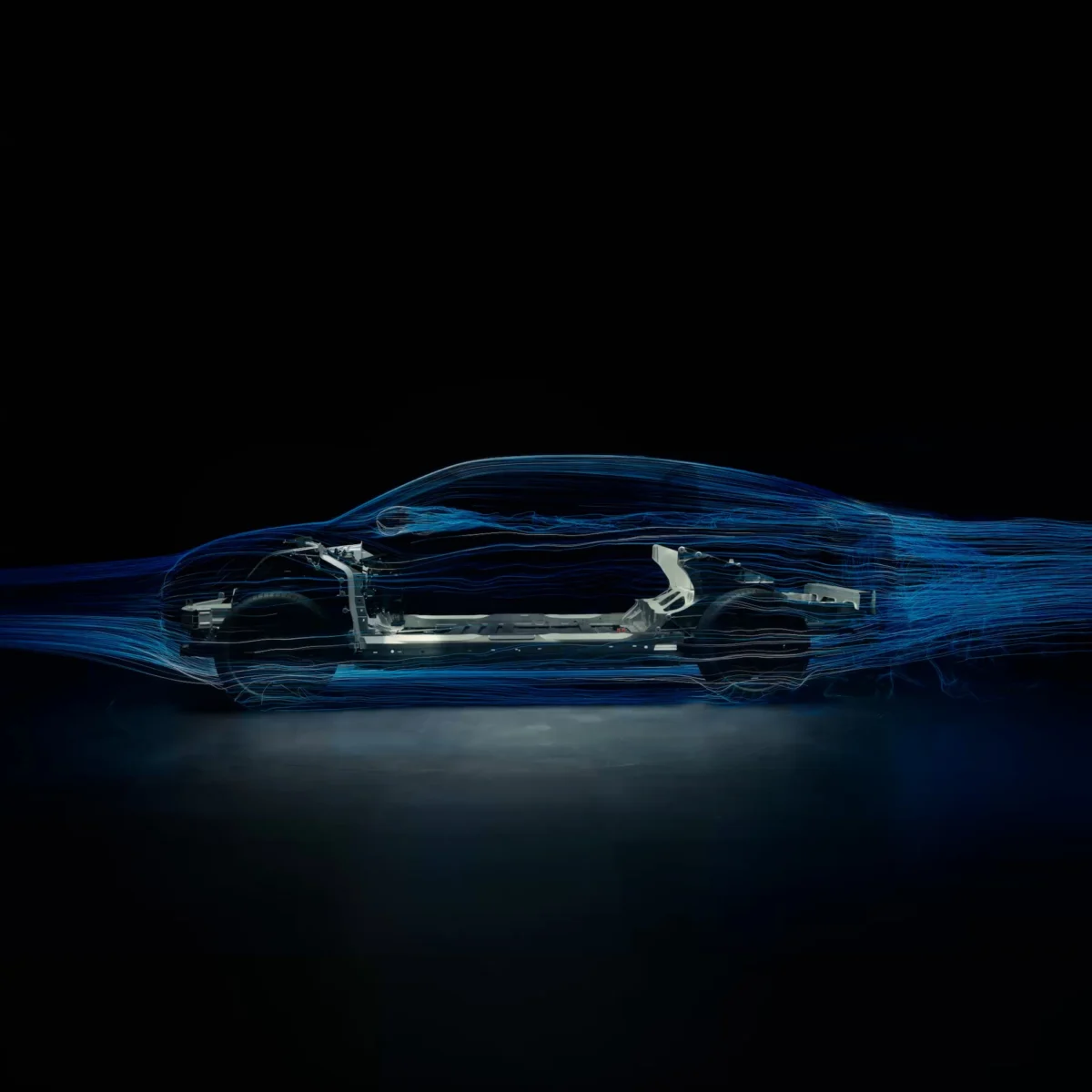
Ford, a titan of the automotive industry, has historically relied on its knack for creating breakout hits to fuel its success. This cyclical reliance on game-changing vehicles is deeply ingrained in its corporate DNA, evident in the monumental impact of the Model T, the revolutionary Taurus, the enduring F-150, and the trailblazing Explorer. These iconic models represent periods of immense growth and market dominance for the Blue Oval, propelling the company through decades of innovation and consumer demand. However, in recent years, Ford’s streak of groundbreaking successes has faltered. While the company reported a modest 6% year-over-year increase in U.S. vehicle sales for 2025, reaching 2.08 million units, this figure pales in comparison to the peak of 4.48 million vehicles sold in the year 2000. This decline underscores a significant challenge: a lack of compelling new models capable of capturing the public’s imagination and driving substantial sales volume.
In a bold move to reignite its market presence, Ford CEO Jim Farley is pinning his hopes on the forthcoming electric pickup truck, dubbed the Fathom. Farley has boldly declared the Fathom and its associated Universal EV platform a "Model T moment" for the company, signaling an ambition to replicate the revolutionary impact of Henry Ford’s original assembly-line marvel. This strategic bet is driven by the urgent need for Ford to develop a competitive offering that can directly challenge the rapidly expanding influence of Chinese electric vehicles, which have been making significant inroads into global markets. Yet, a confluence of internal and external factors suggests that the Fathom, despite its lofty aspirations, may not achieve the same level of seismic success as past Ford icons like the Taurus or the Explorer, vehicles that were instrumental in shaping Ford’s sales trajectory throughout the 1990s.
While the Fathom might not be positioned to become an instant blockbuster, its potential for moderate success is undeniable, largely due to its aggressively competitive pricing. Ford announced that the Fathom will have a starting price of $29,945, including destination fees. This figure represents a substantial departure from the current automotive market landscape, where the average price for a new vehicle hovers around $50,000, and the average for an electric vehicle climbs even higher to approximately $56,000. Furthermore, the Fathom’s sticker price is roughly $5,000 less than the Keating Line, which represents the average listing price for the largest vehicle segments available at dealerships. This pricing strategy positions the Fathom as a highly attractive option for budget-conscious consumers, potentially drawing in a segment of the market that has been priced out of new vehicle ownership or is seeking more affordable electric mobility solutions.
However, as any seasoned automotive analyst will attest, price is only one piece of the consumer purchasing puzzle. The decision to buy a vehicle is a complex interplay of factors, and it is in these other areas that the Fathom may encounter significant headwinds. The Fathom is slated to enter the market as a compact pickup truck, a vehicle segment that, until the introduction of the Ford Maverick in 2021, was largely overlooked by mainstream consumers. While the Maverick has found a dedicated following and achieved brisk sales, it has not, by any measure, become a runaway sensation. Last year, Maverick sales reached approximately 155,000 units, a respectable figure but one that falls considerably short of the sales volumes achieved by legendary vehicles of the past. For context, the Ford Taurus, in its heyday, sold more than double that amount at its peak in 1992, highlighting the different scales of market impact. This comparison suggests that while the compact truck niche is growing, it may not possess the inherent volume potential to redefine Ford’s market standing single-handedly.
Despite these market realities, the Fathom does appear to possess several advantages over its Maverick predecessor. Ford has indicated that the Fathom will offer increased interior space for passengers, a crucial consideration for families and individuals who prioritize comfort and practicality. Moreover, the inclusion of a "frunk" – a front trunk compartment in an electric vehicle that utilizes the space typically occupied by an internal combustion engine – could be a significant draw for consumers who have previously shied away from pickup trucks due to concerns about secure storage. This feature could potentially appeal to a broader audience, including those who might traditionally opt for sedans but are intrigued by the utility of a truck combined with the convenience of enclosed cargo space.
Nevertheless, the fundamental identity of the Fathom as a pickup truck remains a potential barrier for a significant portion of the car-buying public. The prevailing market trend clearly favors SUVs, with approximately 70% of prospective buyers expressing interest in this vehicle type, compared to just 33% for pickup trucks, according to recent data from Cox Automotive. Even within the enthusiast community of pickup truck buyers, the Fathom might struggle to capture significant market share. For many truck aficionados, the appeal of a pickup truck is intrinsically linked to its aesthetic and perceived capability. There’s a strong desire for vehicles that project an image of ruggedness and off-road prowess, capable of tackling challenging terrains, even if their daily use is confined to urban environments. This sentiment is well understood by automakers; General Motors, for instance, recently emphasized its commitment to delivering "lifted trucks" that cater to this specific customer demand. Based on initial glimpses, the Fathom’s design, while perhaps modern and functional, does not immediately evoke the "rugged" image that many truck buyers actively seek.
The "EV thing" also presents a complex challenge for the Fathom. While a growing number of drivers who have experienced electric vehicles, including the author, express a strong preference for never returning to internal combustion engine vehicles, a substantial segment of the population remains hesitant about embracing new technology. Many consumers are content with the familiarity and perceived simplicity of gasoline-powered cars and trucks. This preference is often reinforced by dealerships, which may have vested interests in continuing to sell traditional vehicles. Overcoming this inertia and convincing consumers of the benefits of electric mobility will require a concerted effort in education, marketing, and product experience.
Despite these potential obstacles, Ford possesses the agency to influence the Fathom’s trajectory. The company can invest heavily in marketing campaigns designed to highlight the Fathom’s unique selling propositions, such as its affordability, practicality, and innovative features like the frunk. Furthermore, robust dealer training programs can equip sales staff to effectively address consumer concerns about EVs and articulate the advantages of electric ownership. Ford could also strategically position the Fathom as an ideal replacement for traditional sedans, emphasizing its blend of utility and efficiency. It is also highly probable that Ford will introduce a more ruggedized, off-road-oriented variant of the Fathom, catering to the segment of the market that prioritizes a more adventurous aesthetic and capability.
However, even with these proactive measures, it remains unlikely that the Fathom will emerge as another breakout hit on the scale of Ford’s past successes. But perhaps, Ford’s objectives for the Fathom are more nuanced and strategic than a singular pursuit of a blockbuster. The Fathom could represent a crucial testbed for Ford’s newly developed production processes, particularly its "new production process" aimed at creating low-cost EVs in America, as highlighted in previous reports. By introducing the Fathom into the relatively less saturated compact truck market, Ford can gain invaluable experience in manufacturing and refining its Universal EV platform without the immense pressure of immediate, record-breaking sales. This approach allows Ford to "soak up" the demand for compact trucks while simultaneously ironing out the kinks in its new manufacturing infrastructure and platform.
Once Ford gains confidence in its operational capabilities and the reliability of its Universal EV platform, it can then leverage this experience to expand into more dominant market segments, such as SUVs. This strategy suggests that the Fathom may not be Ford’s grand slam home run, but rather a calculated bunt or a solid single to get on base. The company might be strategically laying the groundwork for future models built on the Universal EV platform – vehicles that are expected to be more critical to Ford’s long-term success and market leadership. The ultimate goal might not be for the Fathom to be a standalone triumph, but rather a stepping stone, a vital learning experience that paves the way for the truly transformative EVs that Ford needs to reclaim its position at the forefront of the automotive industry. The Fathom’s success, therefore, should be measured not just by its individual sales figures, but by its contribution to Ford’s broader evolution in the rapidly changing landscape of electric mobility and manufacturing innovation.
