
 By admin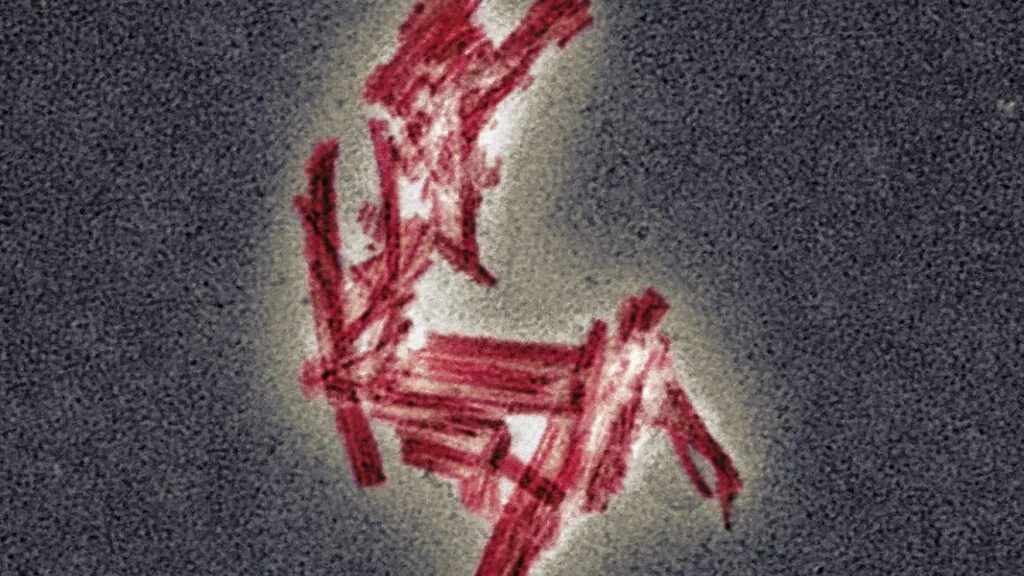
For decades, the battle against Alzheimer’s disease has been waged primarily on the front of amyloid-beta, the protein that forms sticky plaques in the brains of afflicted patients. However, as clinical trials for amyloid-clearing drugs have yielded a mix of breakthrough successes and frustratingly modest improvements in cognitive decline, the scientific community has increasingly turned its gaze toward the tau protein. While amyloid-beta aggregates outside the neurons, tau forms "tangles" inside them, and its presence has long been more closely correlated with the actual onset of cognitive symptoms. A groundbreaking study led by researchers at Stanford University has now provided a significant piece of the puzzle, describing a previously unknown role that tau plays in neurodegeneration and suggesting a novel therapeutic pathway that could revolutionize how we treat not only Alzheimer’s but a spectrum of related neurologic diseases.
The study, published in a leading scientific journal, identifies a destructive interaction between tau and the mitochondria—the microscopic powerhouses responsible for generating the energy that keeps cells alive. In a healthy brain, tau is a vital structural protein that stabilizes microtubules, the "tracks" along which cellular materials are transported. In the context of neurodegenerative disease, however, tau becomes chemically altered, misfolding and detaching from these tracks to form toxic aggregates. The Stanford team discovered that these rogue tau proteins do more than just create physical clutter; they actively sabotage the energy production process within the neuron.
Specifically, the researchers found that tau disrupts the electron transport chain, the series of protein complexes within the mitochondria that transfer electrons to create a proton gradient, which ultimately drives the synthesis of ATP (adenosine triphosphate), the cell’s energy currency. Under normal conditions, this electron relay race moves in a single direction. However, the presence of pathological tau causes a phenomenon known as reverse electron transport (RET). In this "wrong-way" flow, electrons are pushed backward through the respiratory chain, specifically targeting Complex I.
The consequences of this microscopic reversal are catastrophic for the cell. When electrons flow in reverse, they frequently leak out of the transport chain and react with oxygen to create reactive oxygen species (ROS)—highly unstable molecules also known as free radicals. This surge in ROS triggers a cascade of cellular stress, leading to oxidative damage to DNA, proteins, and lipids. Furthermore, the researchers observed that this mitochondrial dysfunction sends distress signals that activate the brain’s immune system, leading to chronic inflammation, a known accelerator of neurodegeneration.
To test the significance of this discovery, the Stanford team employed a variety of animal models, including Drosophila (fruit flies) and mice, genetically engineered to exhibit tau-related pathology. In these models, the researchers utilized pharmacological agents and genetic tools to block the reverse flow of electrons. The results were striking: by preventing RET, the scientists were able to significantly reduce the production of reactive oxygen species and dampen the inflammatory response. More importantly, the intervention led to measurable improvements in functional outcomes. The treated flies and mice demonstrated enhanced learning capabilities and better memory retention compared to their untreated counterparts, suggesting that the mitochondrial damage caused by tau is a primary driver of the cognitive deficits seen in these diseases.

The leap from animal models to human application is the "valley of death" where many promising Alzheimer’s treatments have historically failed. To bridge this gap, the researchers conducted a series of sophisticated analyses on human cells grown in the laboratory, as well as post-mortem brain tissue from patients who had suffered from Alzheimer’s disease. These analyses confirmed that the signatures of reverse electron transport and the resulting oxidative stress were present in human neurons affected by tau pathology. This suggests that the mechanism identified in the lab is not merely a quirk of animal biology but a fundamental feature of human neurodegeneration.
The implications of this research extend beyond the ivory tower of academia. Recognizing the therapeutic potential of their findings, two of the study’s senior authors have co-founded a biotechnology startup dedicated to developing small-molecule drugs capable of safely blocking reverse electron transport in the human brain. This move reflects a broader trend in the industry toward "mitochondrial medicine," an emerging field that seeks to treat chronic diseases by repairing or protecting the cell’s energy-producing machinery.
The timing of this discovery is particularly poignant. The Alzheimer’s landscape has been recently transformed by the FDA approval of drugs like Leqembi (lecanemab) and Kisunla (donanemab), which target amyloid-beta. While these drugs represent a historic milestone in the field, they are not cures. They slow the progression of the disease by roughly 27% to 35%, leaving a vast unmet need for therapies that can more aggressively halt or even reverse cognitive decline. Many experts believe the future of Alzheimer’s treatment lies in "combination cocktails" similar to those used to manage HIV or cancer—targeting amyloid, tau, and neuroinflammation simultaneously.
The Stanford study provides a roadmap for the "tau" component of that cocktail. By focusing on the functional consequences of tau—specifically mitochondrial failure—rather than just trying to clear the protein tangles themselves, researchers may be able to protect neurons even if some tau remains present. This "functional protection" strategy is gaining traction because it addresses the immediate cause of neuronal death.
However, the path to a commercial drug remains fraught with challenges. One of the most significant hurdles is the blood-brain barrier, the physiological shield that protects the brain from toxins but also prevents most drugs from entering. Any therapeutic designed to block RET must be potent enough to work at low concentrations and selective enough to avoid interfering with the normal, forward-flowing electron transport that every cell in the body requires for survival.
Furthermore, the diversity of "tauopathies"—a group of more than 20 neurodegenerative diseases characterized by tau accumulation, including Frontotemporal Dementia (FTD) and Progressive Supranuclear Palsy (PSP)—means that a drug targeting this mechanism might have broad utility. This could allow for faster regulatory pathways through "orphan drug" designations for rarer conditions before moving into the massive Alzheimer’s market.

Outside experts have greeted the Stanford findings with cautious optimism. Dr. Elena Rossi, a neurobiologist not involved in the study, noted that "the link between tau and mitochondria has been suspected for years, but the identification of reverse electron transport as the specific mechanism provides a tangible target for drug development. It moves the conversation from ‘mitochondria are broken’ to ‘we know exactly which part is broken and how to fix it.’"
As the newly formed biotech startup moves into the preclinical phase, the next few years will be critical. The researchers will need to demonstrate that their RET-blocking compounds are safe for long-term use and do not cause "off-target" effects in other energy-intensive organs like the heart or muscles. If they succeed, they could open a new chapter in the treatment of dementia, turning the tide against a disease that currently affects more than 55 million people worldwide—a number expected to nearly triple by 2050 as the global population ages.
The story of tau and the mitochondria serves as a reminder of the complexity of the human brain and the persistence required to decode its failures. While the race for an Alzheimer’s cure has been a marathon of setbacks, discoveries like this one from the Stanford team provide the necessary fuel to keep the scientific community moving forward. By shining a light on the microscopic "short circuit" caused by tau, they have provided a spark of hope for millions of patients and families waiting for a breakthrough that can truly preserve the essence of who they are.
As the industry watches the progress of the Stanford-affiliated startup, the broader scientific community is already looking for ways to integrate these findings into existing frameworks. The interplay between amyloid-beta and tau remains a central mystery; some evidence suggests that amyloid-beta may actually act as the initial trigger that sets the tau-mitochondrial destruction in motion. If this is the case, blocking RET could serve as a vital second line of defense, protecting the brain’s power supply even after the initial "amyloid fire" has started. In the high-stakes world of biotech and life sciences, the move from a fly’s memory to a human’s life is a long one, but for the first time in years, the path toward a tau-centered therapy looks clearer than ever.
