
 By Rifan Muazin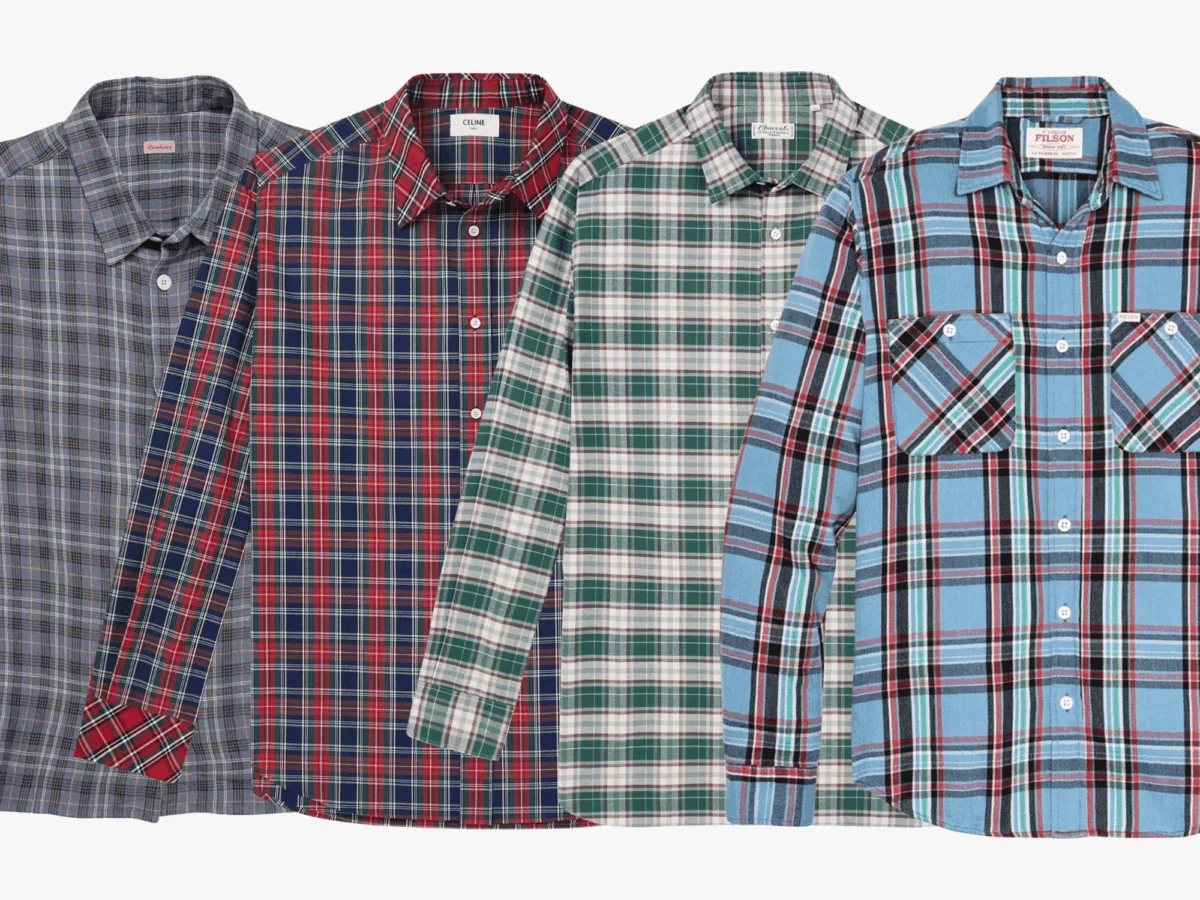
This isn’t the heavy, napped flannel of a Pacific Northwest winter. Instead, the trend is defined by "dry" cotton—crisp, breathable, and often lightweight weaves that prioritize texture and pattern over thermal retention. These colorful, complex button-ups are appearing in high-summer contexts, draped over shoulders, tied around waists, or worn open over tank tops in a way that feels entirely fresh yet deeply rooted in Americana. The unexpected heat of this trend is driven by a desire for visual complexity in a season usually dominated by the monochromatic simplicity of linen and basic tees.

To understand why a plaid shirt works in July, one must first understand the technical distinction between the winter versions we know and the summer versions currently trending. Traditional flannel achieves its warmth through "napping," a mechanical process where metal brushes lift the fibers of the cotton to create a fuzzy, insulating surface that traps air. The summer plaid, however, utilizes a "dry" hand-feel. These are often poplins, broadcloths, or high-twist cottons that allow for maximum airflow. Some iterations even lean toward the madras style—a lightweight, hand-woven cotton from India that has been a preppy summer staple for nearly a century. By utilizing these breezier fabrics, designers are able to maintain the rugged aesthetic of the outdoorsman while adapting to the soaring temperatures of a modern metropolitan summer.

The current resurgence is being championed by a specific subset of the menswear community—the "advanced basics" enthusiasts and heritage-obsessed stylists who populate the intersection of Instagram and specialized fashion newsletters. Style arbiters like Sam Bolianatz and the duo of James Harris and Lawrence Schlossman (the voices behind the influential Throwing Fits ecosystem) have been spotted integrating these shirts into their summer rotations. For Bolianatz, the look is often about the "third piece" rule—the idea that an outfit becomes a "look" when you add a third element to a simple shirt-and-pant combination. In the dead of summer, when a denim jacket or a blazer is out of the question, a crisp, plaid button-up provides that necessary layer of sophistication without the risk of heatstroke.

The brands leading this charge represent a fascinating cross-section of the industry. On one end, you have heritage stalwarts like Filson. Known for their "unfailing goods" since the Gold Rush era, Filson has mastered the art of the rugged work shirt. While they are famous for their heavy Mackinaw wool, their lighter cotton offerings provide a sense of history and durability that appeals to the modern consumer’s desire for longevity. Then there is the "cult" factor, epitomized by brands like Conkers. Their plaid shirts have become a sort of "if you know, you know" handshake among the fashion elite, prized for their unique color palettes and the specific way the fabric drapes after a few washes.

On the luxury side of the spectrum, houses like Celine and Charvet are proving that plaid is not just for the workshop. Under the direction of Hedi Slimane, Celine has frequently dipped into the well of 1990s grunge and 1970s rock-and-roll, elevating the humble plaid shirt into a high-fashion statement piece that pairs as easily with tailored trousers as it does with shredded denim. Charvet, the legendary French shirtmaker, brings a level of artisanal precision to the pattern, utilizing the world’s finest cottons to create plaids that feel more like fine art than workwear. This democratization of the pattern—from the $10 vintage bin to the $600 luxury boutique—is a testament to its universal appeal.

One cannot discuss the summer plaid without acknowledging the role of the vintage market, specifically the enduring legacy of the "Big Mac" shirt. Originally the house brand for J.C. Penney, Big Mac produced millions of heavy-duty work shirts throughout the 20th century. Today, vintage hunters scour eBay and Depop for 1970s and 80s iterations. The appeal lies in the "lived-in" feel; decades of washing have stripped away the stiffness of the cotton, leaving behind a garment that is soft, thin, and perfectly suited for a summer evening. The colorways of these vintage pieces—often featuring idiosyncratic combinations of mustard yellow, faded navy, and burnt orange—provide a level of character that modern mass-market brands often struggle to replicate.

The versatility of the plaid shirt as a "wild-card" layer is best demonstrated through its styling potential. The most common application this season is the "open-air" approach: a brightly patterned plaid shirt worn unbuttoned over a clean, heavy-weight white T-shirt or a ribbed tank top. When paired with faded, light-wash jeans or even a pair of baggy 5-inch inseam shorts, the shirt acts as a lightweight cardigan. It provides protection from the sun during the day and a light shield against the air-conditioned chill of a restaurant or movie theater at night.

Furthermore, the "waist-tie" has seen a significant revival. Once a utilitarian necessity for hikers or a stylistic hallmark of 90s grunge, tying a plaid shirt around the waist has become a strategic way to add color and texture to a look without actually wearing the layer. It breaks up the silhouette of the body and adds a rugged, Americana-adjacent flourish to even the simplest outfits. It is a nod to the "preppy-grunge" aesthetic that has come to define the mid-2020s—a mix of classic East Coast staples and West Coast counter-culture.

From a sustainability perspective, the rise of the summer plaid is a win for the "buy less, buy better" movement. Unlike summer-specific items like flip-flops, linen tunics, or short-shorts, which are often relegated to the back of the closet the moment the first frost hits, a high-quality plaid shirt is a year-round workhorse. The same shirt that protected you from a breeze on a July beach can be layered under a navy sweater in October or worn over a turtleneck in January. This trans-seasonal utility makes it a smarter investment than almost any other "trendy" item on the market.

However, finding the perfect summer plaid requires a discerning eye. The market is flooded with cheap, synthetic blends that mimic the look of plaid but lack the breathability of natural fibers. Polyester-heavy shirts will trap heat and moisture, turning a stylish layer into a portable sauna. The savvy shopper should look for 100% cotton, or perhaps a cotton-linen blend, with a visible weave that suggests airflow. The "hand" of the fabric should be dry and crisp, not fuzzy or "brushed."

As we look toward the remainder of the 2026 season, it is clear that the plaid shirt has reclaimed its spot in the pantheon of great American style. It is a garment that carries the weight of history—from the tartans of Scottish clans to the uniforms of the American labor movement—yet it feels perfectly calibrated for the current moment. It offers a sense of "preparedness" and "ruggedness" in an increasingly digital and ephemeral world. Whether you are opting for a vintage Big Mac found in a dusty thrift store or a pristine poplin version from a luxury house, the plaid shirt is the layer that proves you don’t have to sacrifice style for the sake of the season. It is colorful, it is complex, and against all odds, it is the hottest thing to wear in the middle of a heatwave.
