
 By Rifan Muazin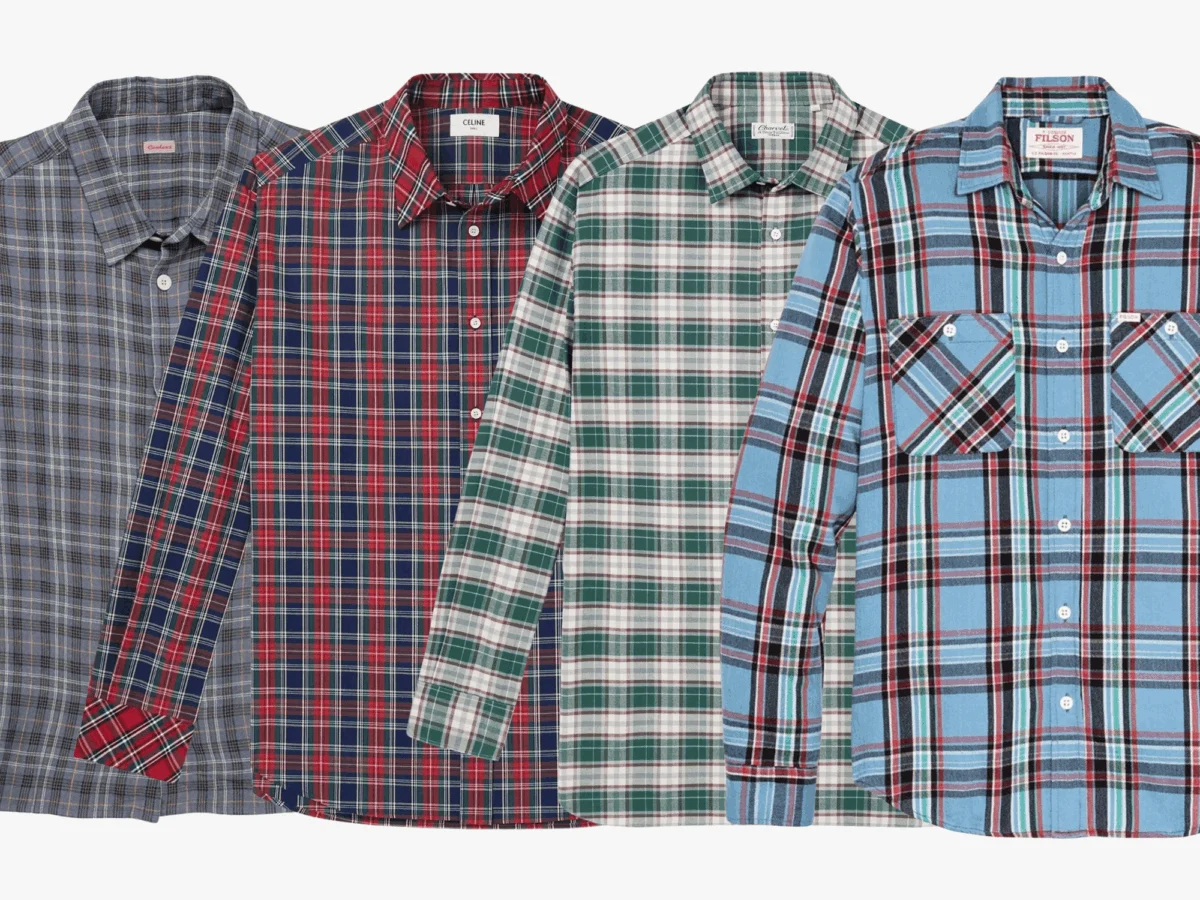
This is not the heavy, insulating wool-blend or heavy-gauge cotton flannel of a New England winter. Instead, the trend revolves around "dry" cotton, lightweight poplins, and breathable twills that utilize the complex, colorful patterns of traditional plaid without the accompanying thermal weight. These shirts are appearing on stylish men who are subverting traditional seasonal boundaries, proving that the visual depth of a well-rendered plaid can be just as effective under a blazing sun as it is by a fireside. Whether it is draped over a crisp white tank top, buttoned halfway for a relaxed Mediterranean vibe, or—most popularly—tied casually around the waist as a textural accessory, the plaid shirt has become the season’s most versatile, if unexpected, hero.

The rise of the summer plaid is driven by a desire for " Americana-adjacent" flourishes that break the monotony of the "quiet luxury" minimalism that has dominated the early 2020s. After years of monochromatic linens and beige-on-beige ensembles, there is a palpable hunger for pattern, complexity, and a sense of rugged history. Icons of the current street-style scene, such as Sam Bolianatz and the influential duo James and Larry, have been instrumental in showcasing how these shirts function as a "wild-card." In their hands, a plaid shirt isn’t just a garment; it is a tool for silhouette-shifting. By tying a vintage Big Mac or a high-end Celine plaid around the waist, they add a layer of visual interest and a pop of color to a simple outfit of faded jeans and a t-shirt, providing a solution for the transition from the outdoor heat to the aggressive air conditioning of interior spaces.

The cultural weight of plaid cannot be overstated. It is a pattern with deep roots in Scottish heritage (as tartan), 1950s workwear, and the 1990s grunge movement. This multi-generational appeal gives the plaid shirt an inherent sense of authenticity. When a designer like Hedi Slimane at Celine or the artisans at Charvet take on the plaid shirt, they are tapping into a collective memory of cool. However, the current "cult" status of specific pieces, such as the Conkers plaid shirt, suggests a move toward niche, high-quality manufacturing. Conkers, known for their meticulous attention to fabric weight and color theory, has produced a version of the plaid shirt that feels specifically engineered for the modern climate—light enough to be worn in 80-degree weather but durable enough to survive a summer of travel and outdoor activity.

The technical evolution of these shirts is a significant factor in their summer viability. Traditionally, plaid patterns were achieved through heavy weaving processes that resulted in thick fabrics. Today, advances in textile manufacturing allow for high-thread-count cottons that maintain a "dry" hand-feel. This "dryness" is crucial; it prevents the fabric from clinging to the skin in humid conditions, a common complaint with synthetic blends or poorly made cottons. Furthermore, the use of Madras—a lightweight, hand-woven cotton plaid from India—is seeing a resurgence, though the 2026 trend leans more toward the bolder, more saturated "lumberjack" colorways rather than the traditional preppy pastels associated with 1960s Ivy League style.

From a styling perspective, the plaid shirt offers a solution to the "summer uniform" fatigue. Most men find their summer wardrobe limited to a rotation of shorts, flip-flops, and perhaps a few linen button-downs. While functional, these items often lack the structural integrity or the "edge" required for a truly sophisticated look. The plaid shirt introduces a layer of grit. Worn over a white tee with the sleeves rolled up, it evokes a sense of mid-century cinematic cool—think Paul Newman or Steve McQueen on an off-day. It bridges the gap between the casualness of a t-shirt and the formality of a blazer, making it the perfect middle-ground for a summer evening at a rooftop bar or a coastal dinner.

Moreover, the sustainability and utility of the summer plaid shirt make it a smarter investment than other seasonal trends. Items like white jeans or designer flip-flops have a notoriously short shelf life, both in terms of physical wear and seasonal relevance. A high-quality plaid shirt, however, is a 365-day-a-year asset. The shirt you buy for a July music festival is the same shirt you will layer under a denim jacket in October and over a turtleneck in January. This trans-seasonal utility is increasingly important to consumers who are moving away from fast fashion and toward "buy less, buy better" philosophies. Vintage markets, particularly platforms like eBay and Etsy, are seeing a surge in searches for vintage Big Mac and Fivebrother shirts, as buyers seek out the authentic, broken-in feel of mid-century workwear that contemporary brands often try to replicate.

However, finding the perfect summer plaid is not without its challenges. The market is currently flooded with "winter-weight" flannels, making the hunt for a truly lightweight, dry-cotton version a task for the dedicated shopper. Designers who understand this niche are few and far between, but those who do—such as Filson with their lighter Alaskan Guide variants or specialty boutiques—are seeing their stocks deplete rapidly. The key for the consumer is to look for terms like "poplin," "broadcloth," or "brushed-free" cotton. These fabrics provide the look of a heavy flannel with the breathability of a dress shirt.

Analyzing the broader market trends, the "Plaid Summer" of 2026 can also be seen as a reaction to the extreme weather patterns of the mid-2020s. With summers becoming longer and temperature fluctuations more erratic, the "layering" mindset—once reserved for spring and fall—has become a year-round necessity. A shirt that can be tied around the waist during a midday heatwave and donned during a cool evening breeze is not just a style choice; it is a practical adaptation to a changing environment.

Expert perspectives from the world of menswear editorial suggest that this trend is part of a larger "return to character" in men’s dressing. After a decade of slim-fit suits and then a pivot to oversized streetwear, the current moment is defined by "character pieces"—items that look like they have a story to tell. A plaid shirt, with its associations with ruggedness, manual labor, and counter-culture rebellion, carries a narrative weight that a plain blue linen shirt simply cannot match. It suggests a wearer who is active, adventurous, and perhaps a bit of a "wild card" himself.

As we look toward the remainder of the season, the influence of the plaid shirt is expected to grow, potentially crossing over into more formal territory. We are already seeing plaid shirts paired with lightweight summer tailoring, replacing the traditional dress shirt for a look that is both irreverent and polished. The "wild-card" layer is no longer just a suggestion; it is a staple. In the ever-evolving landscape of men’s fashion, the ability to take a familiar classic and flip the seasonal script is the hallmark of true style. This summer, the message is clear: don’t pack away your plaids. Instead, find the ones that breathe, embrace the bold colors, and wear them with the confidence of someone who knows that the best style rules are the ones you choose to break. Whether you are hunting for a vintage gem on eBay or investing in a piece of modern luxury from Celine, the plaid shirt is the most reliable, versatile, and surprisingly cool companion you can have for the heat of 2026.
