
 By admin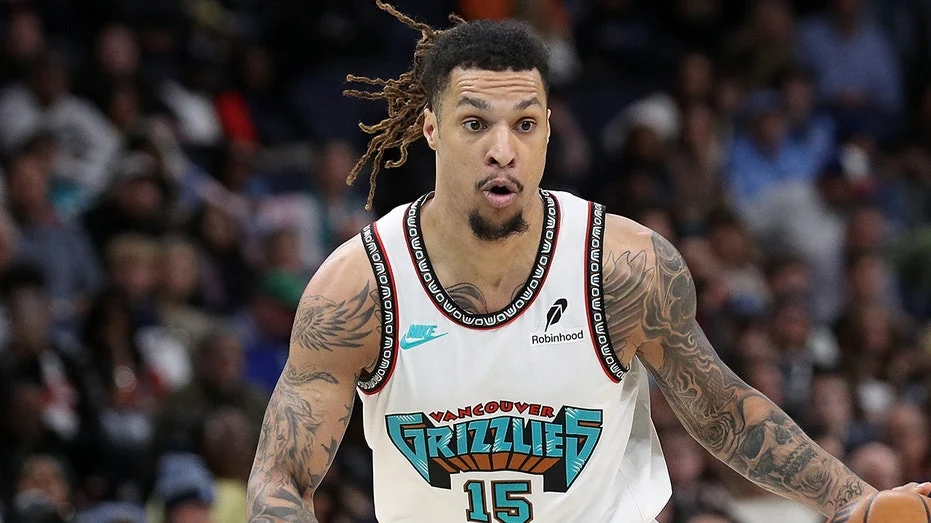
The professional basketball world was rocked by the tragic news that Brandon Clarke, a promising forward for the Memphis Grizzlies, died of an accidental drug overdose, authorities confirmed on Friday. Clarke, who was 29 years old at the time of his passing, was discovered deceased in his Los Angeles home on May 11. The Los Angeles County Department of Medical Examiner’s report stated that his death was a result of "the effects of heroin and cocaine." Upon investigation, drug paraphernalia was found at the scene, further indicating the circumstances surrounding his untimely demise.
Brandon Clarke’s journey in the NBA began when he was selected as a first-round pick in the 2019 NBA Draft by the Oklahoma City Thunder. However, his rights were swiftly traded to the Memphis Grizzlies in a significant deal that also involved Darius Bazley and a future second-round pick. Clarke quickly demonstrated his potential and impact on the court, earning MVP honors at the 2019 NBA Summer League. This achievement was particularly noteworthy as he became the second non-American player in history to receive the prestigious award, highlighting his international appeal and talent. Throughout his tenure with the Grizzlies, Clarke primarily served as a valuable contributor off the bench, providing crucial energy and production for the team.
The most recent season proved to be a challenging one for Clarke, marked by significant health setbacks. He played in a mere two games, initially sidelined by surgery to address an issue with his right knee. Subsequently, a strain in his right calf forced him to miss the majority of the season, casting a shadow over his potential contributions. In March, the Grizzlies organization announced that Clarke was still undergoing rehabilitation for his injury, with medical tests indicating a need for further recovery time. The expectation at that point was that he would be ready to return to play in the following season, making the news of his passing even more devastating.
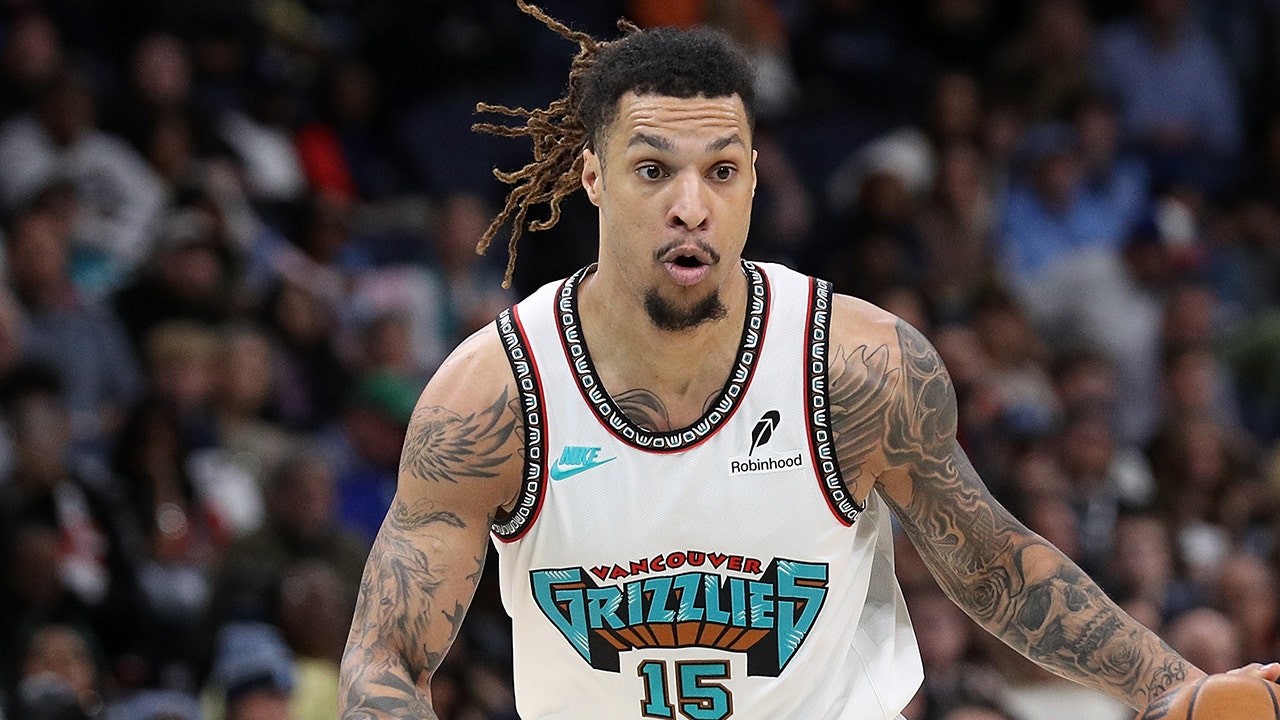
Clarke’s connection to the legal system also came to light in the period leading up to his death. In April, he was arrested in Arkansas and faced several charges, including improper passing, possession of a controlled substance, fleeing an officer, exceeding the speed limit, and trafficking a controlled substance. He was slated to appear in court on May 15, just days after his discovery. This legal entanglement added another layer of complexity to the narrative surrounding the young athlete.
Before his NBA career, Brandon Clarke starred at Gonzaga University, where he showcased his impressive skills and solidified his reputation as a standout collegiate player. His transition to the professional level was seamless, as he earned a spot on the 2019-20 All-Rookie team. During his inaugural season, he averaged a respectable 12.1 points, 5.9 rebounds, and 1.4 assists per game, proving his worth even in a reserve role. Over the course of his NBA career, Clarke averaged 10.2 points, 5.5 rebounds, and 1.3 assists per contest, playing an average of 20.8 minutes across 309 games. These statistics underscore his consistent performance and valuable contributions to the Memphis Grizzlies.
The tragic loss of Brandon Clarke serves as a stark reminder of the pervasive issues of substance abuse that continue to plague society, including within the high-profile world of professional sports. The pressures of elite competition, coupled with personal struggles, can create a dangerous environment for athletes, making them vulnerable to addiction. The discovery of drug paraphernalia in his home and the confirmation of an overdose involving heroin and cocaine paint a somber picture of his final days. This incident also brings to the forefront the ongoing conversations about mental health support and addiction resources available to athletes. Organizations and individuals alike are increasingly recognizing the importance of comprehensive care that addresses not only physical well-being but also the psychological and emotional challenges that athletes may face.
The Memphis Grizzlies organization expressed its profound grief and offered condolences to Clarke’s family and loved ones. Tributes poured in from across the NBA community, with many players, coaches, and fans mourning the loss of a talented and respected individual. The circumstances of his death have undoubtedly prompted a deeper reflection within the league and beyond regarding the support systems in place for players dealing with personal issues and the ever-present risks associated with drug use.
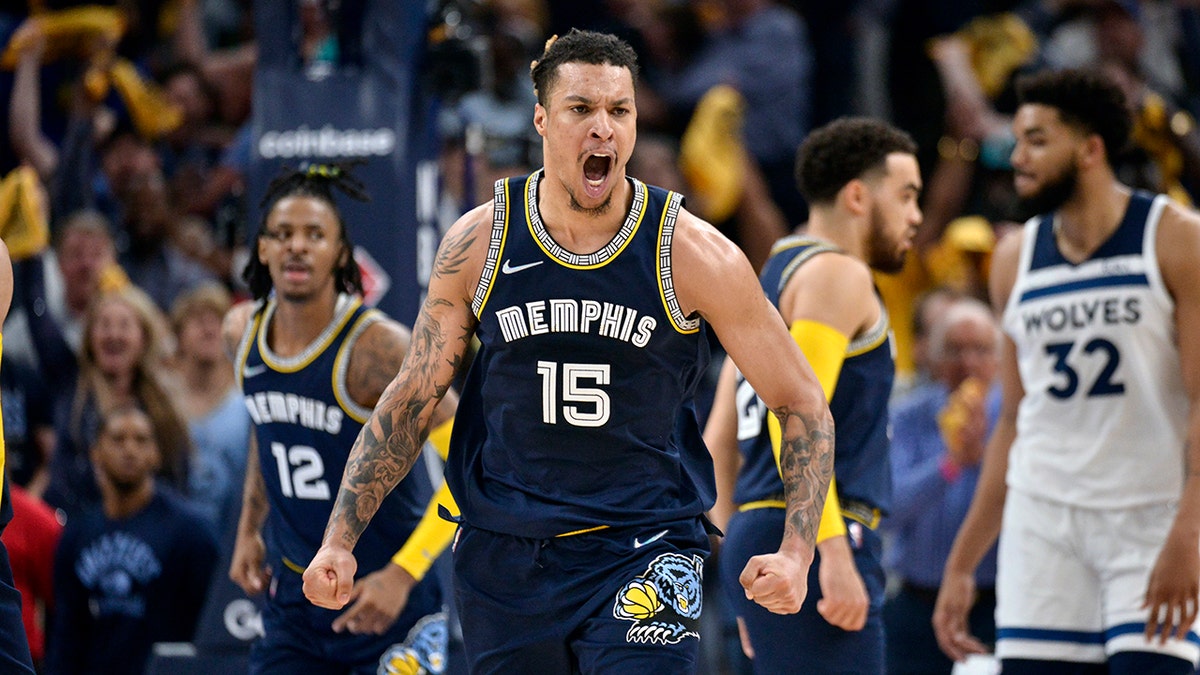
Clarke’s basketball career, though cut short, left an indelible mark. His electrifying play, particularly his athleticism and scoring ability, made him a fan favorite. His MVP performance in the 2019 Summer League was a testament to his potential to become a future star. His journey from a Canadian prospect to an NBA standout was an inspiration to many aspiring young athletes. The suddenness of his departure leaves a void in the hearts of those who knew him and followed his career.
The details surrounding the overdose, as released by the medical examiner, indicate a complex mix of substances, highlighting the dangerous nature of illicit drug use. The presence of both heroin and cocaine in his system points to a severe struggle with addiction. Accidental overdoses, while tragic, are often the result of a combination of factors, including the purity of the drugs, tolerance levels, and the potential for mixing substances, all of which can lead to fatal consequences.
The legal charges Clarke faced in Arkansas prior to his death add another layer of complexity to the narrative. While the investigation into his death is primarily focused on the overdose, these legal issues may have been indicative of underlying personal struggles or pressures he was experiencing. The timing of these events, occurring in close proximity to his passing, raises questions about the trajectory of his life in the months leading up to his death.
The broader implications of Brandon Clarke’s death extend beyond the immediate grief and shock. It serves as a powerful catalyst for continued dialogue and action regarding mental health awareness, addiction prevention, and support services within professional sports. The NBA, like other professional leagues, has made strides in providing resources for players, but the reality of such tragedies underscores the ongoing need for robust and accessible programs that can effectively address the complex challenges athletes may encounter. The focus now shifts to ensuring that other athletes have the support they need to navigate the pressures of their careers and maintain their well-being.

The legacy of Brandon Clarke will undoubtedly be remembered not only for his contributions on the basketball court but also as a poignant reminder of the human struggles that can lie beneath the surface of public life. His story serves as a call to empathy, understanding, and a renewed commitment to fostering environments where individuals feel empowered to seek help and overcome their challenges. The NBA community and beyond will continue to mourn his loss and reflect on the profound impact he had during his too-short life. The ongoing efforts to combat substance abuse and promote mental well-being in sports are now more critical than ever in the wake of this devastating event.
