
 By Rifan Muazin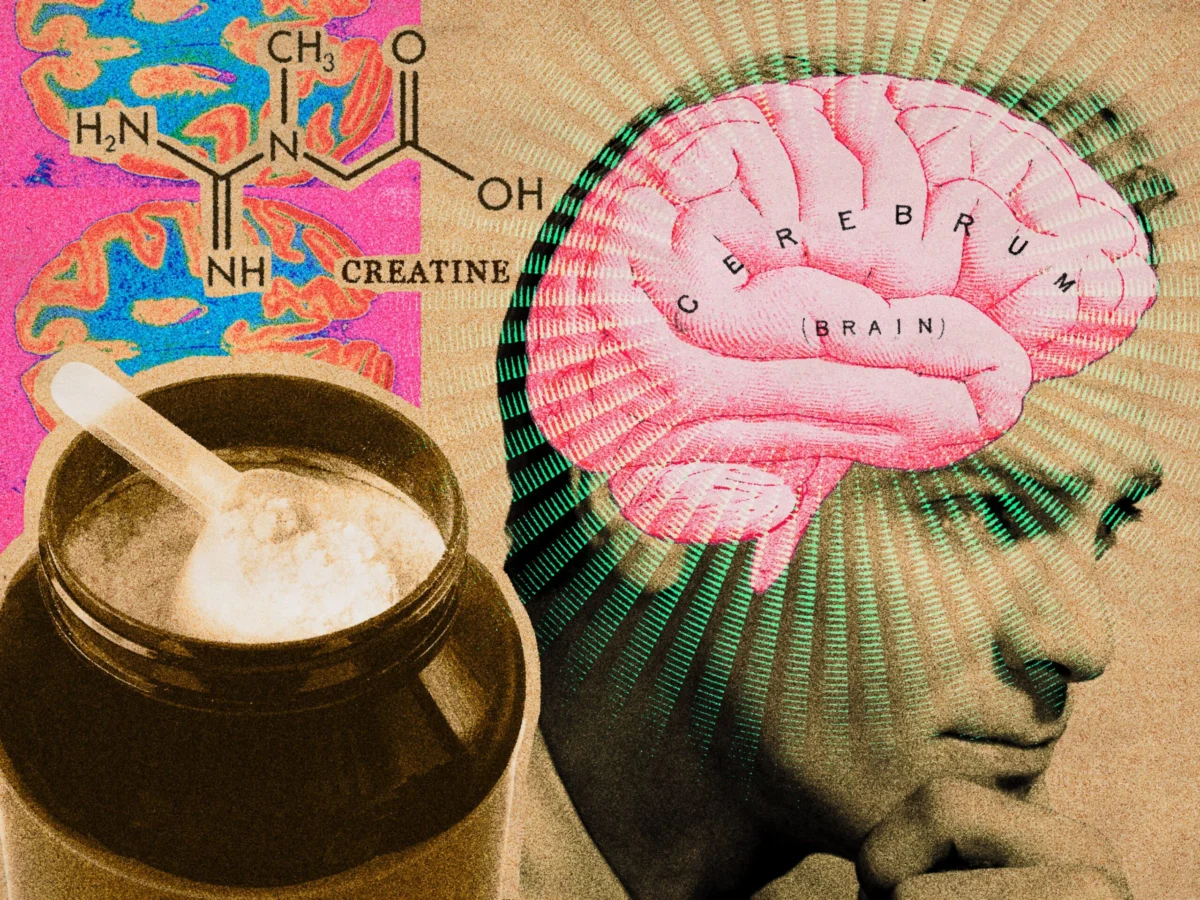
In the often-turbulent landscape of the nutritional supplement industry—a multi-billion dollar "Wild West" where marketing hype frequently outpaces clinical evidence—there remains a small, elite category of compounds with a foundation of undeniable scientific truth. Chief among these is creatine. For decades, the consensus has been rock-solid: a daily intake of five grams of creatine monohydrate, paired with consistent resistance training and a balanced nutritional profile, is a definitive catalyst for building lean muscle mass and enhancing physical strength. This is not merely "bro-science" passed down through locker room folklore; it is a conclusion supported by thousands of peer-reviewed studies and meta-analyses.
However, the scientific community is no longer looking only at the biceps and quadriceps. Researchers are increasingly turning their microscopes toward the body’s most metabolically demanding organ: the brain. While creatine’s reputation as a physical performance enhancer is secure, a new frontier of research suggests that this humble amino acid derivative may be one of the most potent cognitive enhancers available, offering a "brain-boosting" potential that could redefine how we approach mental fatigue, sleep deprivation, and long-term neurological health.
The fundamental shift in our understanding of creatine begins with its storage. We have long known how the body utilizes creatine in skeletal muscle to rapidly regenerate adenosine triphosphate (ATP), the primary energy currency of the cell. Yet, as Ashley Koff, RD, nutrition course director for UC Irvine’s Susan Samueli Integrative Health Institute, explains, the brain operates on a similar energetic architecture. "We already know a lot about how creatine is stored in muscles and can help increase muscular strength, endurance, and recovery," Koff notes. "But growing research seems to indicate that creatine is similarly stored in the brain, resulting in a wide range of potential mental and cognitive benefits."
This realization has sparked a wave of inquiry into whether the same mechanisms that allow an athlete to squeeze out one final repetition in the gym might allow a student, a surgeon, or a pilot to maintain cognitive "reps" during periods of extreme mental strain. The challenge, however, is one of delivery. The brain is protected by the blood-brain barrier (BBB), a highly selective semipermeable border that prevents solutes in the circulating blood from non-selectively crossing into the extracellular fluid of the central nervous system.
According to Dr. Jason Sonners, a longevity and recovery expert at the University of Miami’s Department of Molecular Biology, standard dosages may not be sufficient to penetrate this neurological fortress. "There is a growing amount of evidence showing that higher doses of creatine—beyond the standard five grams daily—may have some cognitive performance-enhancing capacity," Dr. Sonners says. He points out that newer research indicates that by increasing the dosage, we can force more creatine across the blood-brain barrier, thereby ramping up energy production inside the brain’s neurons.
This breakthrough was recently highlighted in a 2024 study conducted by researchers at the University of Pennsylvania and published in the prestigious journal Nature. The study confirmed that oral supplementation could indeed raise brain creatine levels. However, the research also introduced a vital nuance: the brain is a highly regulated environment. It does not simply absorb excess creatine for the sake of it. Instead, the brain’s uptake of supplemental creatine appears to be "demand-driven."
Dr. Zishan Khan, a board-certified psychiatrist with Mindpath Health, emphasizes that creatine’s benefits are most pronounced when the brain is under duress. "Brain levels appear tightly regulated and may rise only modestly with supplementation, unless the brain is energy-stressed or baseline creatine is low," Dr. Khan explains. This means that for a healthy, well-rested adult living a low-stress life, the cognitive effects of creatine might be negligible. But for those facing sleep deprivation, chronic stress, or dietary deficiencies—such as vegans and vegetarians who do not consume animal-based creatine sources—the supplement can be a game-changer.
One of the most viral claims currently circulating on social media is that creatine can "reverse" the effects of 21 hours of sleep deprivation. While such claims often sound like hyperbole, the medical community is finding legitimate evidence to support them. Dr. Luke Barr, a board-certified neurologist and director of neurology at Deaconess Health System, notes that a 2024 trial published in Nature found creatine to be exceptionally effective at blunting the negative cognitive impacts of fatigue and stress.
"Among the studied outcomes, processing speed and working memory under cognitive stress are the most replicated," says Dr. Barr. He cites a 2018 meta-analysis in Experimental Gerontology which demonstrated significant improvements in short-term memory and reasoning among participants taking creatine. More recently, a 2024 review from Guizhou Normal University in China confirmed consistent improvements in focus and processing speed. Collectively, these studies validate creatine’s role as a "nootropic"—a substance that enhances cognitive function—particularly when the brain’s energy reserves are depleted.
The potential applications extend beyond mere productivity and alertness. A 2023 review published in Sports Medicine delved into the neuroprotective qualities of creatine, suggesting it could play a role in mitigating the symptoms of depression and anxiety. Even more significantly, researchers are investigating creatine as a therapeutic intervention for traumatic brain injuries (TBI), such as concussions. Because a concussion causes an immediate "energy crisis" in the brain—where the demand for ATP sky-rockets while the supply is compromised—having higher stores of phosphocreatine could theoretically provide a buffer that speeds up recovery and reduces secondary damage.
This brings us to the practical question: how much should one take? If the standard five-gram dose is designed for muscles, what is the "brain dose"? Dr. Leigh Erin Connealy, medical director at the Center for New Medicine, explains that because of the difficulty in crossing the blood-brain barrier, the required dose is likely significantly higher. Based on current clinical trials, experts suggest a range of 10 to 25 grams per day to achieve cognitive saturation.
To maximize absorption and minimize potential side effects, Dr. Connealy recommends dividing this total into smaller servings taken throughout the day. This "pulsed" approach helps maintain a steady supply of creatine in the bloodstream, potentially easing its transport into brain tissue. However, experts are quick to advise caution regarding duration. The current recommendation is to use these high-dose protocols for short-term periods—typically four to eight weeks—during times of anticipated high stress or intense cognitive demand, rather than as a permanent lifelong regimen.
For those facing acute situations, such as an all-nighter or a period of intense travel-induced fatigue, Dr. Barr notes that research has shown promising results from a single "loading" dose of 20 to 25 grams. Dr. Khan even admits to personal use of this strategy: "I am a firm believer of the benefits and take 20 grams on days after I notice I sleep poorly."
Despite the high dosages being discussed, creatine remains one of the safest and most extensively studied supplements on the market. Decades of use in the athletic community have shown that side effects are generally mild, usually limited to gastrointestinal upset, bloating, or temporary water retention. However, quadrupling the standard dose is not a decision to be taken lightly.
"In rare cases, individuals with preexisting kidney disease should avoid high-dose protocols without physician oversight," Dr. Barr warns. Because the kidneys are responsible for filtering creatinine (the byproduct of creatine metabolism), those with impaired renal function could face unnecessary strain. For the general population, however, the safety profile is remarkably clean.
As we move further into an era where mental performance is as highly valued as physical prowess, the transition of creatine from the weight room to the boardroom seems inevitable. The data suggests that we are only scratching the surface of what this molecule can do for human health. Whether it is helping a new parent survive the fog of sleep deprivation, assisting an athlete in recovering from a head injury, or providing a cognitive "safety net" for the aging brain, creatine is proving to be much more than a muscle builder. It is, quite literally, fuel for thought. While the "Wild West" of supplements continues to churn out unproven fads, creatine stands as a beacon of evidence-based potential—a rare instance where the science actually lives up to the hype.
