
 By admin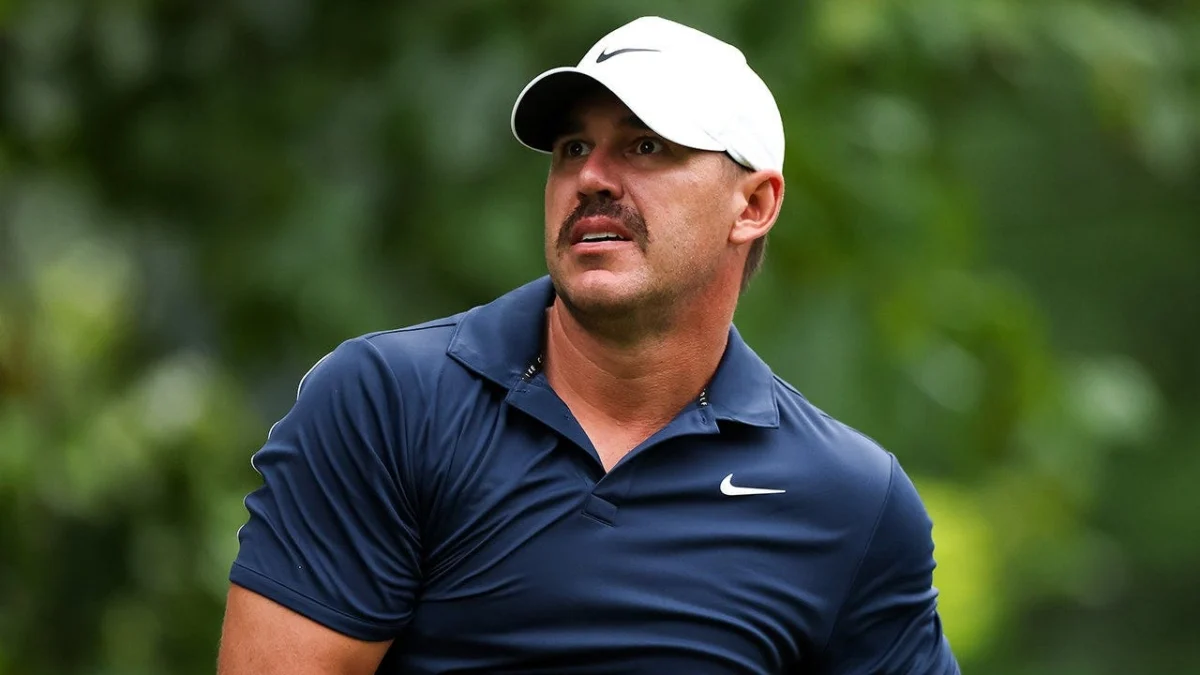
Brooks Koepka, a five-time major champion and prominent figure in the golf world, did not mince words when reflecting on his inaugural year back on the PGA Tour, which concluded Sunday at the Wyndham Championship. Despite the prestige and lucrative opportunities associated with his return, Koepka expressed profound disappointment with his own performance, labeling it "pretty pathetic" after failing to qualify for the FedExCup Playoffs. His sentiment underscores a stark contrast between his high self-expectations and his on-course results since rejoining the established tour circuit.
The Wyndham Championship, held at Sedgefield Country Club in Greensboro, North Carolina, served as the final regular-season event and the last chance for players to secure a spot in the lucrative FedExCup Playoffs. For Koepka, the tournament marked the culmination of a significant career decision – leaving the upstart LIV Golf league to re-enter the PGA Tour fray. However, his performance over the four days of competition fell short of the lofty standards he has set throughout his career. After posting a final-round 70, Koepka finished the tournament at 3-under par, securing a T67 finish. This result placed him a distant 19 strokes behind the eventual winner, Lucas Glover, highlighting a significant performance gap.
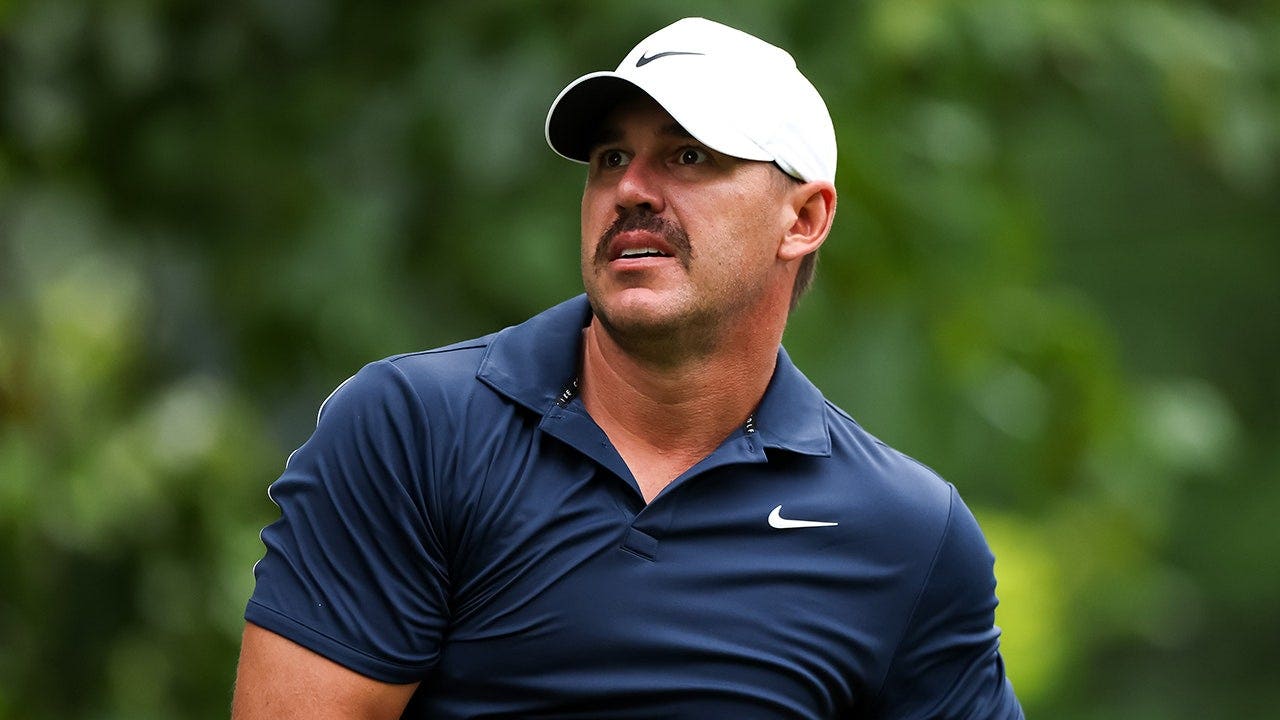
The ramifications of his T67 finish are substantial. Koepka’s FedExCup standings landed him at 94th, a position well outside the crucial top 70 threshold required to advance to the St. Jude Championship, the first of the three playoff tournaments. This failure to qualify means Koepka will not compete for the coveted FedExCup title, nor will he be eligible for the substantial prize money associated with the playoff events. This outcome is particularly stinging for a player of Koepka’s caliber, who has consistently vied for the sport’s most prestigious titles.
Speaking candidly to Yahoo Sports following his round, Koepka articulated his deep dissatisfaction. "I think it’s pretty pathetic that I can’t get through," he stated, referencing his inability to advance in the season-long points race. He further elaborated on his frustration, noting a significant lack of top-tier finishes over an extended period. "Basically, I’ve had zero top 10s in two years. To be in the prime of your career and to be as good as I think I am, I think that’s very pathetic, disappointing." This self-assessment reflects a golfer grappling with a perceived decline in performance, especially considering his status as a multiple major winner.
Koepka’s decision to return to the PGA Tour from LIV Golf at the beginning of the year was a major storyline in professional golf. The move was seen by many as a significant coup for the PGA Tour, signaling a potential reunification of the sport’s fractured landscape. However, the return was not without its financial and competitive consequences. Reports suggest Koepka forfeited an estimated $85 million in potential earnings by leaving LIV Golf. Furthermore, his participation in PGA Tour events was subject to certain limitations, and crucially, he is ineligible for the $100 million FedExCup bonus program for the 2026 season, a direct consequence of his competitive standing.
Despite the overarching narrative of a disappointing season culminating in missed playoffs, it is important to acknowledge the moments of promise and resilience Koepka displayed. Over his 16 starts on the PGA Tour this season, he managed to make the cut in 11 events. His performance at The Masters in April, where he secured a T12 finish, offered a glimpse of his potential and fueled optimism for a resurgence. Moreover, his T9 finish at the Cognizant Classic in March was another indicator that the golfer renowned for his major championship prowess was finding his stride. These results, while not consistently challenging for victories, demonstrated his ability to compete at a high level and suggested a positive trajectory.
Koepka himself acknowledged the enjoyment he derived from being back on the PGA Tour, irrespective of the final standings. "It’s been great," he commented. "Honestly, I’ve loved it. I feel fantastic. The reception’s been great. Overall, happiness is 10 out of 10 and just excited." This sentiment highlights the intangible benefits of his return, suggesting that the camaraderie, the established tournament structures, and the overall environment of the PGA Tour hold significant value for him beyond the immediate results.
Looking ahead, Koepka is not contemplating an early retirement or a complete withdrawal from competitive golf. He has indicated plans to compete overseas, participating in events on the DP World Tour in Europe. This strategy allows him to maintain his competitive edge and potentially regain his form away from the immediate spotlight of the PGA Tour. He also expressed a desire to re-engage with the PGA Tour grind in the fall, signaling his intent to work on his game and be better prepared for future seasons.
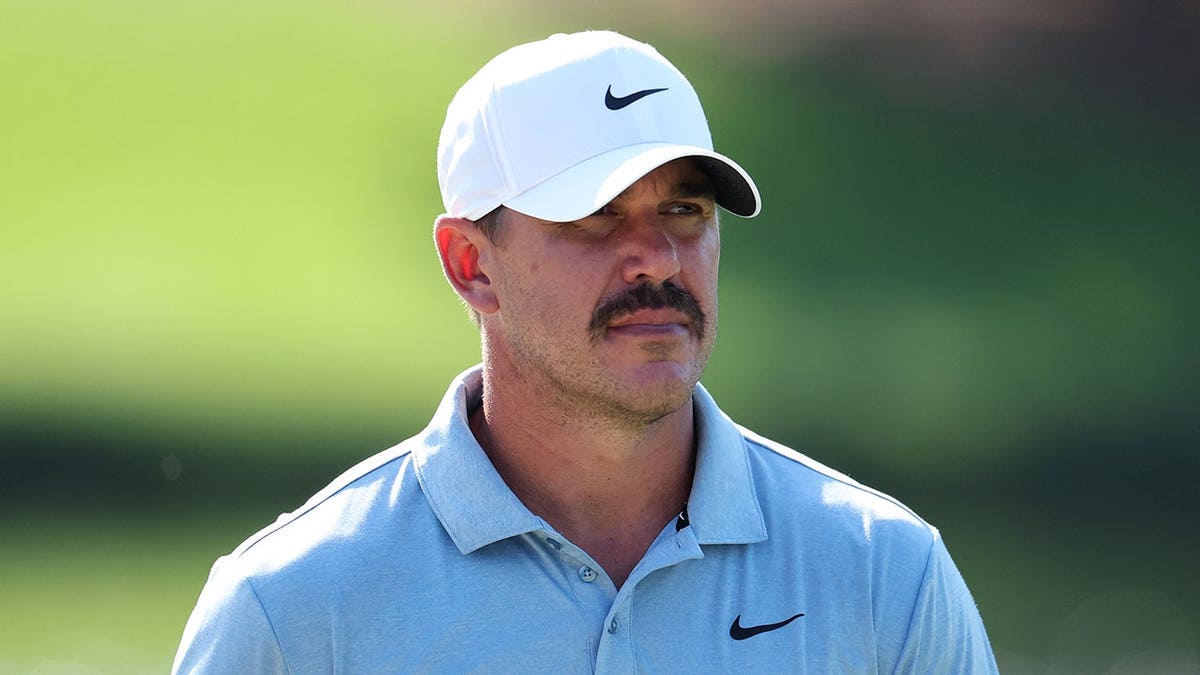
When pressed on the specific areas requiring improvement, Koepka was characteristically direct. His primary concern lies with his putting. "It’s just all on the greens," he admitted. "I don’t know what the deal is. [I’ve] got zero confidence, can’t putt. I don’t know." This pinpointed focus on his putting woes suggests that this aspect of his game is the key obstacle preventing him from achieving his desired level of performance. Putting is often considered the most mental aspect of golf, and a crisis of confidence on the greens can significantly derail even the most talented players.
The journey back to the PGA Tour for Koepka has been a complex one, marked by significant career decisions and a challenging competitive landscape. While the missed FedExCup Playoffs and his own critical self-assessment paint a picture of a difficult season, his continued passion for the game and his commitment to improvement suggest that this is merely a temporary setback. The golf world will be watching closely to see if the five-time major champion can overcome his putting struggles and reclaim his position among the sport’s elite. His experiences this season also serve as a compelling case study in the intricate dynamics of professional golf, the pressures of high-stakes competition, and the personal resolve required to navigate a career at the pinnacle of the sport. The narrative of Brooks Koepka’s return is far from over, and his candid reflections offer a rare insight into the mindset of a champion facing adversity.
