
 By admin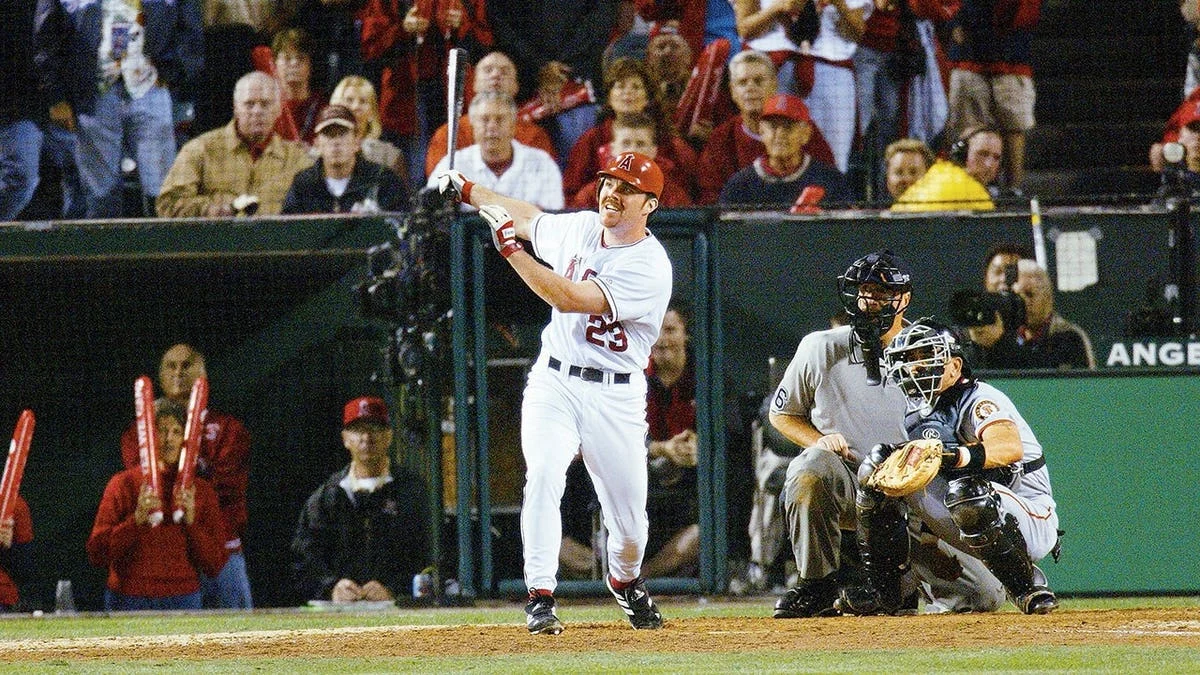
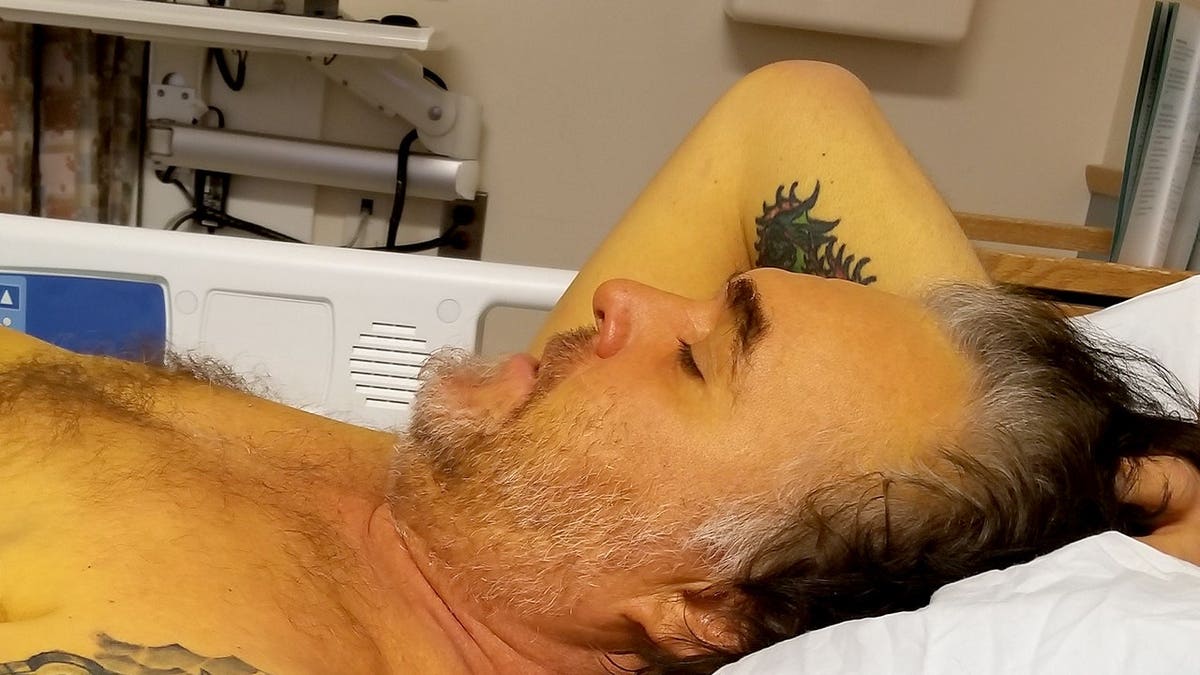
In 2018, a routine MRI for back pain became the unlikely catalyst for a life-altering revelation for former World Series champion Scott Spiezio. As he emerged from the imaging machine, a stark yellow hue coated his skin, a visible symptom of jaundice signaling a liver in critical failure after years of battling alcoholism. At 47, Spiezio was given a grim prognosis: a mere 20% chance of survival. Doctors delivered a stark ultimatum: six months of sobriety were required before he could even be considered for a life-saving liver transplant. The prospect of abstinence, a concept he’d never grappled with, loomed as an insurmountable challenge. "I went from a guy that never drank alcohol to thinking I don’t know if I can go six months without drinking to save my own life," Spiezio confessed, the weight of his situation palpable.
Spiezio’s journey into the annals of baseball history began under the tutelage of his father, Ed Spiezio, a two-time World Series champion himself who played nine seasons in Major League Baseball. From a young age, Ed instilled a profound sense of destiny in his son, famously telling him, "You’re going to be better than me." Scott’s mother, Verna Spiezio, echoed this sentiment in the upcoming documentary, "Spiezio," stating, "As soon as he was born I knew he was going to be a ballplayer." Ed, a devout believer, prayed for a son and was convinced Scott was destined for the diamond. This paternal conviction fueled a rigorous training regimen. By the tender age of three, Scott was already switch-hitting, a testament to his father’s dedication. Their basement was transformed into a personal batting cage, a sanctuary where countless hours were dedicated to honing his craft. Every practice session concluded with a simulated high-stakes scenario: the bottom of the ninth inning, Game 7 of the World Series, bases loaded, one run down, a 3-2 count, and two outs. This repetitive drill ingrained a profound understanding of pressure and clutch performance.
The dedication extended into high school, with early morning workouts in the batting cage before school, all with the singular focus of reaching the pinnacle of professional baseball. "I think for a long time that’s what my dad thought, and I did too," Scott reflected. "That (baseball) was my purpose in life. (It) was to be a better baseball player than him and to win championships." He not only met but exceeded those expectations.
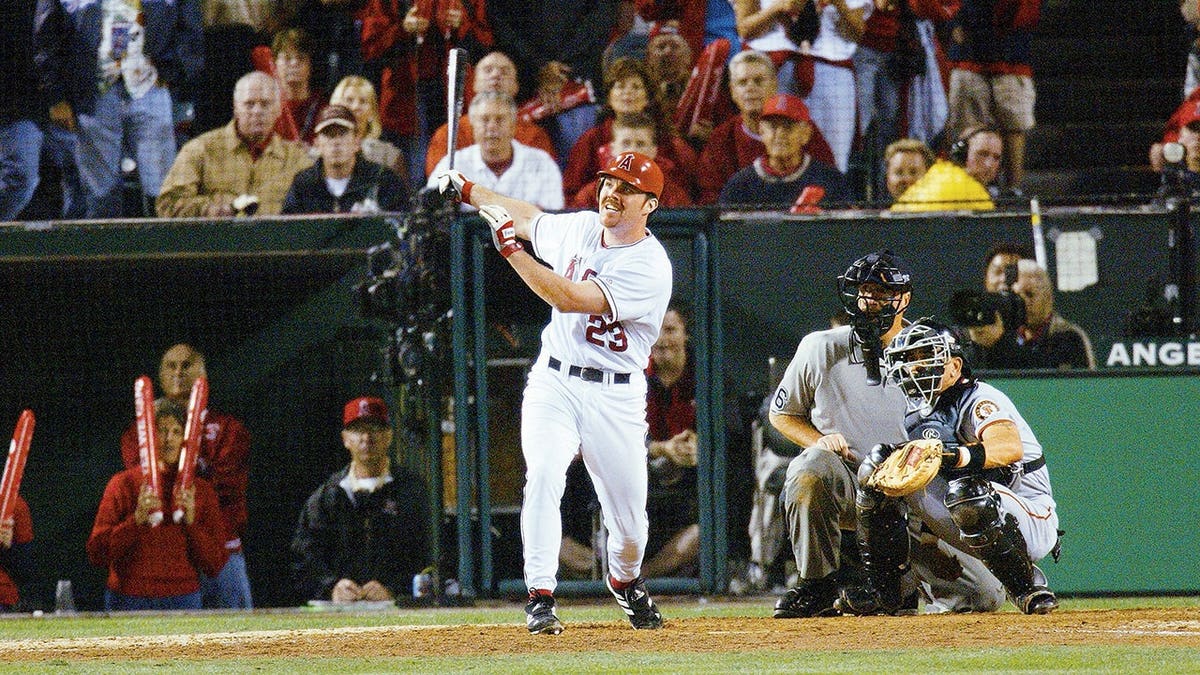
His defining moment arrived in Game 6 of the 2002 World Series, a pivotal contest where his Anaheim Angels trailed the San Francisco Giants three games to two. With the Angels down 5-0 in the seventh inning and their season hanging precariously in the balance, Spiezio stepped up to the plate with two runners on base. This was the exact situation he had been preparing for his entire life. Giants manager Dusty Baker called on reliever Felix Rodriguez, a formidable closer. Rodriguez gained the upper hand, getting ahead 1-2 in the count, seemingly on the verge of neutralizing the threat. However, Spiezio’s unwavering resolve, honed by years of simulated pressure, kicked in. He battled back, fouling off pitches, working the count to a familiar 3-2. Then, he connected with a fastball, sending it soaring into the right-field seats. "Everything was in slow motion," Spiezio recalled. "I was running to first, I was watching the ball, I was literally praying, like, God, please push this out, like let this go. And then I heard the loudest noise in my life."
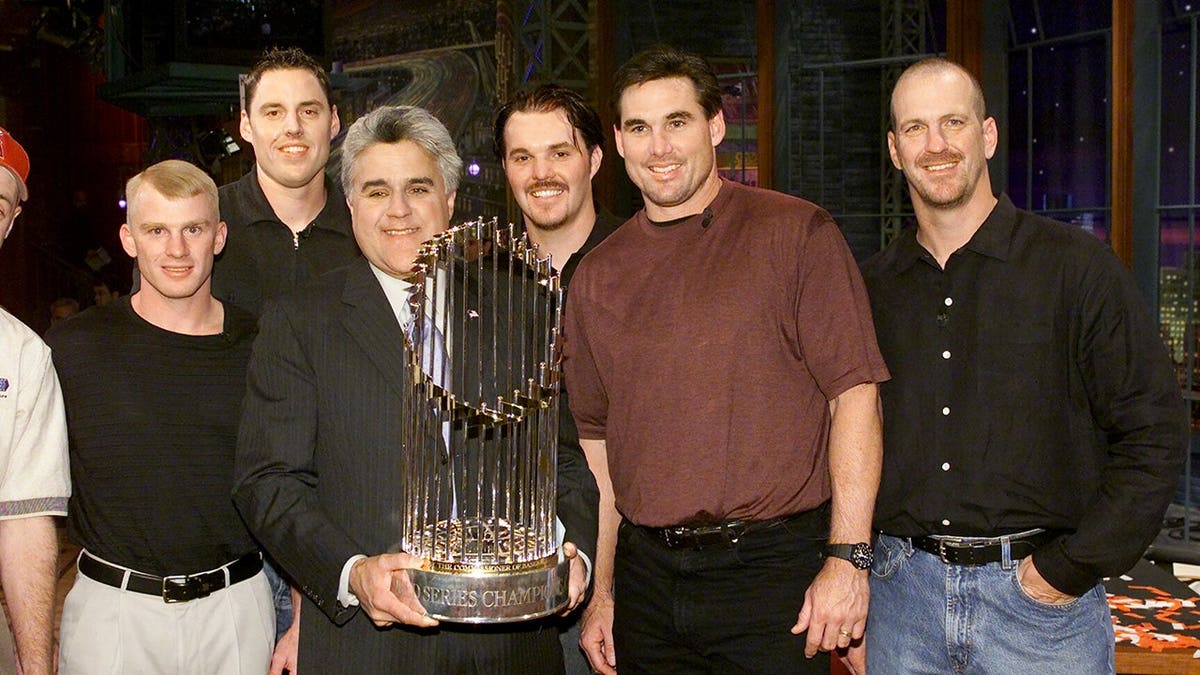
This monumental home run, a three-run shot, cut the deficit to 5-3 and ignited an improbable Angels comeback. They went on to win Game 6, 6-5, and ultimately clinched their first-ever World Series title in Game 7. The home run catapulted Spiezio into the spotlight, but it also brought a new kind of challenge: ego. Spiezio defined "ego" as "edging God out," and he admitted that after the World Series victory, he began to do just that. The adulation from fans, media appearances on shows like David Letterman and Jay Leno, and playing concerts with his band in front of thousands, led him to believe the hype and drift from his spiritual grounding. His hometown of Morris, Illinois, celebrated him as a hero, erecting billboards, presenting him with a key to the city, and even naming a street in his honor: Scott Spiezio Drive. He was, by all appearances, on top of the world.
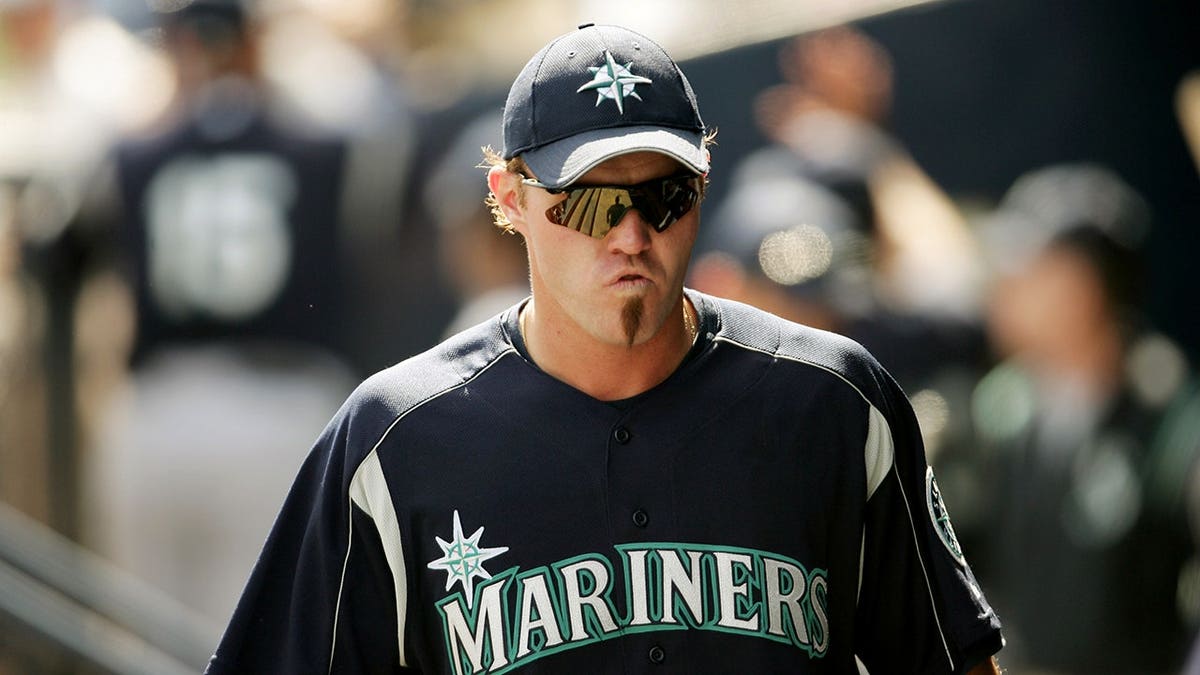
Following his World Series triumph, Spiezio signed a three-year, $9 million contract with the Seattle Mariners. However, during spring training in 2005, a devastating injury altered the trajectory of his career and his life. While attempting to catch a pop-up, he tripped on the pitcher’s mound at full speed, severely damaging the T6 and T7 discs in his thoracic spine. The injury carried a terrifying risk of paralysis; another significant collision could have left him permanently debilitated. This marked the first serious injury of his career, and it plunged him into a dark period. "When I got hurt, kind of started feeling sorry for myself and drifted from God," he explained. "More like, ‘Why I’ve done everything you wanted me to do? Why am I being punished?’ And instead of turning to him, I turned to alcohol." The fear of paralysis and the uncertainty of his future fueled depression and anxiety, conditions he had previously dismissed.
In the unfamiliar surroundings of Seattle, without a strong support system, and grappling with a career-threatening injury, Spiezio found himself adrift. He sought solace and belonging in alcohol, a habit that rapidly escalated from social drinking to daily dependency. "I’m with a new team. I went out to try to fit in, and I ended up drinking too much, and before you know it, that first night out turned into an everyday thing, and I was on a roller-coaster ride of becoming physically addicted to alcohol." The man who once hesitated to take over-the-counter pain relievers found himself consuming alcohol daily. This marked a stark contrast to his earlier career, where he was recognized for his community involvement, receiving the Oakland Athletics’ Dave Stewart Community Award in 1997 and being nominated for the Angels’ Roberto Clemente Award in 2003.
His struggles deepened. His relationship with his father became strained as his drinking intensified. He engaged in an affair, leading to a divorce from his first wife and a subsequent marriage to his second. Recreational cocaine use also became a part of his life. A particularly harrowing incident at his parents’ home, where he pushed his father away in an attempt to flee and his children witnessed the confrontation, led to a complete estrangement from his father. The Mariners eventually released him, a move he initially saw as a reprieve. Despite remarrying, his addiction had taken such a toll that his friends distanced themselves, unable to recognize the person he had become, consuming nearly a full bottle of vodka daily.
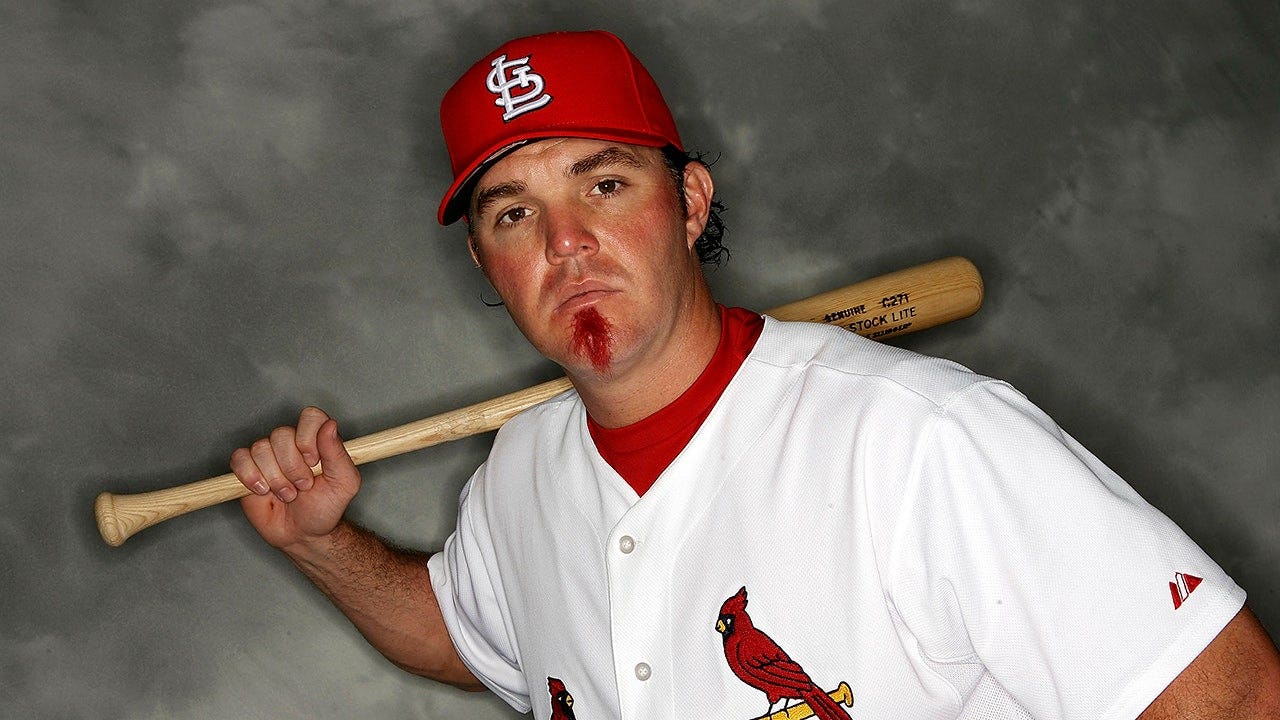
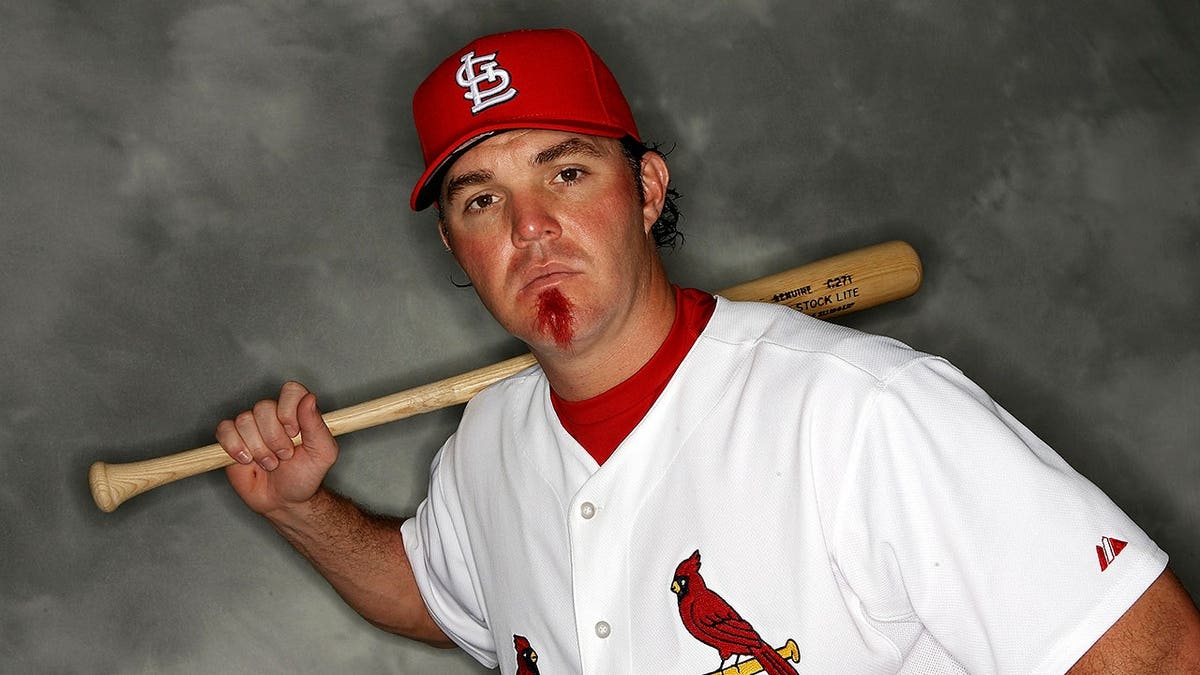
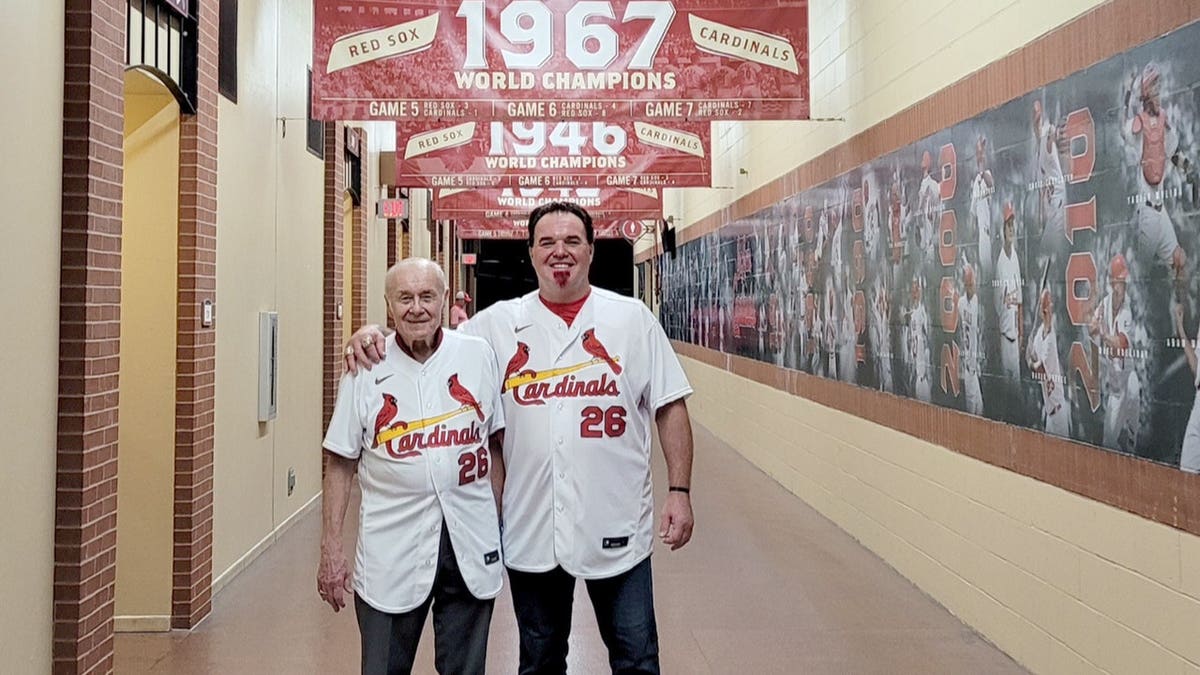
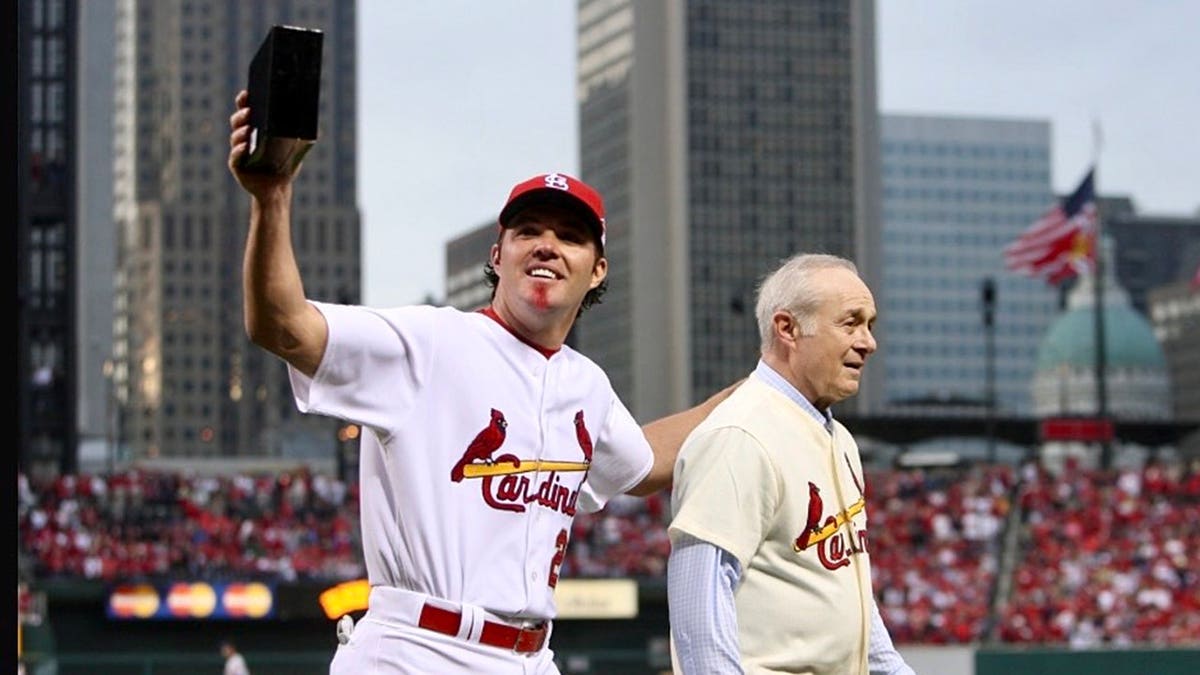
In 2006, a glimmer of hope emerged when the St. Louis Cardinals invited him to spring training as a minor league player. Returning to the team his father had played for, and back in his home state, offered a sense of homecoming. He even donned his father’s iconic number 26, despite their fractured relationship. Spiezio experienced a resurgence, contributing significantly to the Cardinals’ World Series-winning team with a .272 batting average, 13 home runs, and 52 RBIs. However, this championship victory was bittersweet. He couldn’t share the moment with his father, and the public celebration was far more subdued than in 2002. The chasm between father and son had widened to the point where Scott wasn’t sure he’d even be invited to his father’s funeral.
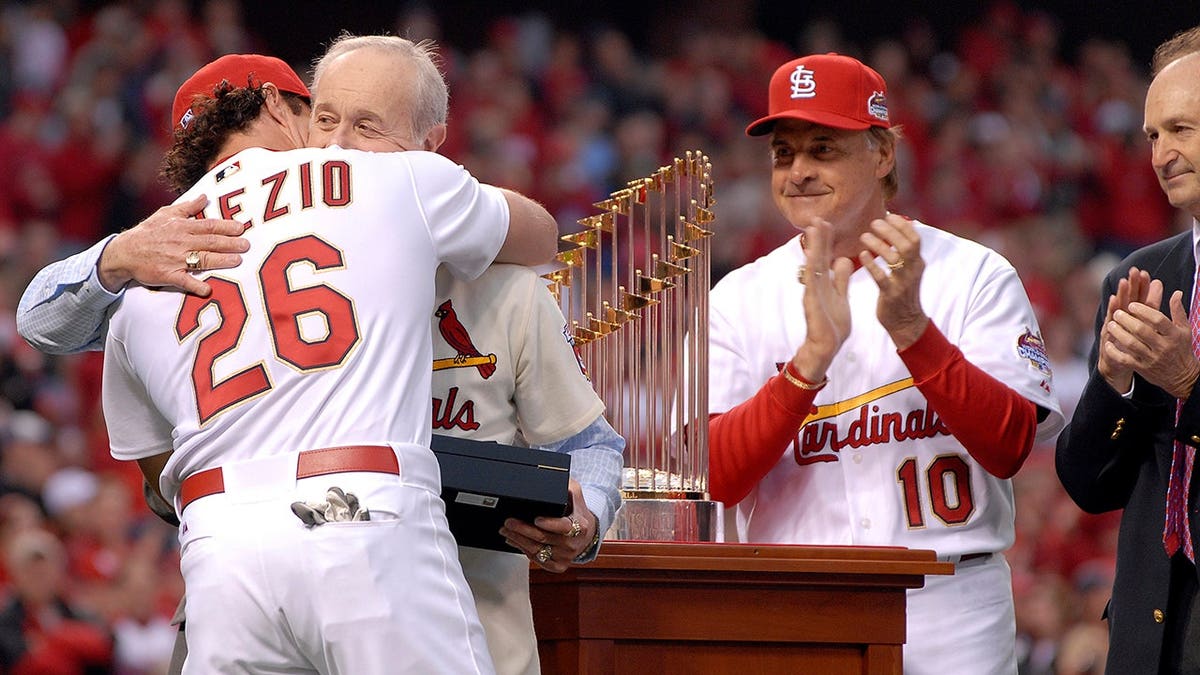
The reconciliation, however, was orchestrated by the Cardinals organization. On Opening Day 2007, as players received their 2006 World Series rings, the team had a special surprise: Ed Spiezio was invited to present his son with his ring. Ed, still estranged, was hesitant but agreed to participate. As Ed was announced, Scott, overcome with emotion, burst into tears. "The Cardinals brought my dad back without me knowing to give me my ring in 2007," Scott recounted. "The first time in history and only time in history that a father and son have won with the same organization. They called him up and presented my ring to him and then called me up, and he presented my ring to me, and we hugged and that was the prodigal son moment that turned everything around." Ed described the scene as one where "there wasn’t a dry eye in the whole stadium."
This moment marked a pivotal turning point in their relationship, and while Spiezio didn’t immediately achieve sobriety, he had his father back. Yet, his battle with alcohol intensified. He was drinking out of water bottles in the dugout during games, playing while severely intoxicated, with blood alcohol content estimated to be around 0.20. He also used cocaine to combat the effects of alcohol and stay awake. Eventually, he collapsed in front of the Cardinals’ trainers, leading to his admission into an outpatient rehabilitation facility. The proximity to St. Louis, a city where he was recognized, hindered his progress initially, as he remained withdrawn. He returned to the Cardinals’ lineup just 28 days later, but remained an active addict and alcoholic.
After the 2007 season, a hit-and-run incident led to further rehabilitation in Tucson, Arizona. He rejoined the team in 2008 but was released after an arrest warrant was issued. The Atlanta Braves signed him to a minor league deal, but he retired from baseball that year, prioritizing being closer to home. Upon retirement, his addiction spiraled further, with daily consumption of one to two bottles of vodka and thousands of dollars spent weekly on cocaine. His second marriage ended in divorce in 2010.
From 2007 to 2016, Spiezio cycled through 11 different rehabilitation facilities and attended countless Alcoholics Anonymous meetings. He ultimately ceded control of his remaining assets and finances to his parents, who acted as his lifeline, providing him with food and ensuring he had a place to live. "They saved my property so I had somewhere to live," Spiezio stated. "Otherwise, I would have spent everything and thrown everything away." This relinquishing of financial control was a critical step in preventing complete self-destruction.
At his lowest point, Spiezio harbored a death wish. Pastor Kevin Donoho of Crossbridge Community Church recounted an incident in the documentary where police were searching for Spiezio, who had run off into a field. "He said, ‘I’m going to run at them so they shoot me, and they can just put an end to all of this. I just thought, ‘That’s as low as it gets.’" He was consumed by guilt and shame for letting down his children, his hometown, his parents, and for squandering his platform. A decade of his life had been dictated by drugs and alcohol.
The very MRI that had revealed his failing liver in 2018 became a profound wake-up call. "I would ask God for help, and he would help me, and then I’d take the wheel back," Spiezio reflected. "And then finally, I think he was like, ‘Hey man, you’re not getting this. I’m going to have to wake you up.’ And I ended up getting jaundice." Facing a 20% chance of survival, he made a desperate plea to God on April 6, 2018: "God, take away my cravings." Miraculously, from that day forward, he experienced no cravings for alcohol; the sight of it now makes him physically ill. He committed to living according to God’s will, recognizing this as his final opportunity.
His physical recovery was gradual but remarkable. He underwent weekly procedures to drain fluid from his abdomen. Upon returning to Northwestern Hospital for a subsequent check-up, doctors were astonished by his blood work and scans. "We don’t know how to explain it, but your liver is normal, and your blood work is great," they reported. "We’ve never seen anything like this before. All we can say is somebody upstairs is looking out for you." Spiezio recognized this as a second miracle.
This profound spiritual awakening catalyzed a return to simple, purposeful actions. He began clearing sticks in his yard, a mundane task that provided the motivation to re-engage with the world. He recommitted to his faith, attending church more regularly and offering his help to Pastor Donoho by cleaning the church office. He immersed himself in the Bible, reconnected with old friends, and felt a divine calling to share his story.
Despite having earned over $16.5 million in his baseball career, Spiezio now lives month-to-month, yet he claims to be happier than he ever was with material wealth. He attributes this joy to finding true purpose. His memoir, "The Hardest Comeback," published in July, and an upcoming documentary titled "Spiezio," chronicle his arduous journey. He chose the title "The Hardest Comeback" to emphasize the profound difficulty of his recovery, acknowledging that overcoming addiction dwarfed any on-field triumph.
For those struggling with addiction and mental health challenges, Spiezio offers a message of profound hope. "I want people to know that there’s hope, if you’re vulnerable, and you let people in your life that can steer you in the right direction and can hold your hand while you’re going through stuff, you have to be willing to want to stop," he urges. "And I can tell you from a guy that thought I couldn’t stop drinking in order to save my own life to a guy that wonders why in the world I ever put any of that stuff in my system. Life is so much better."
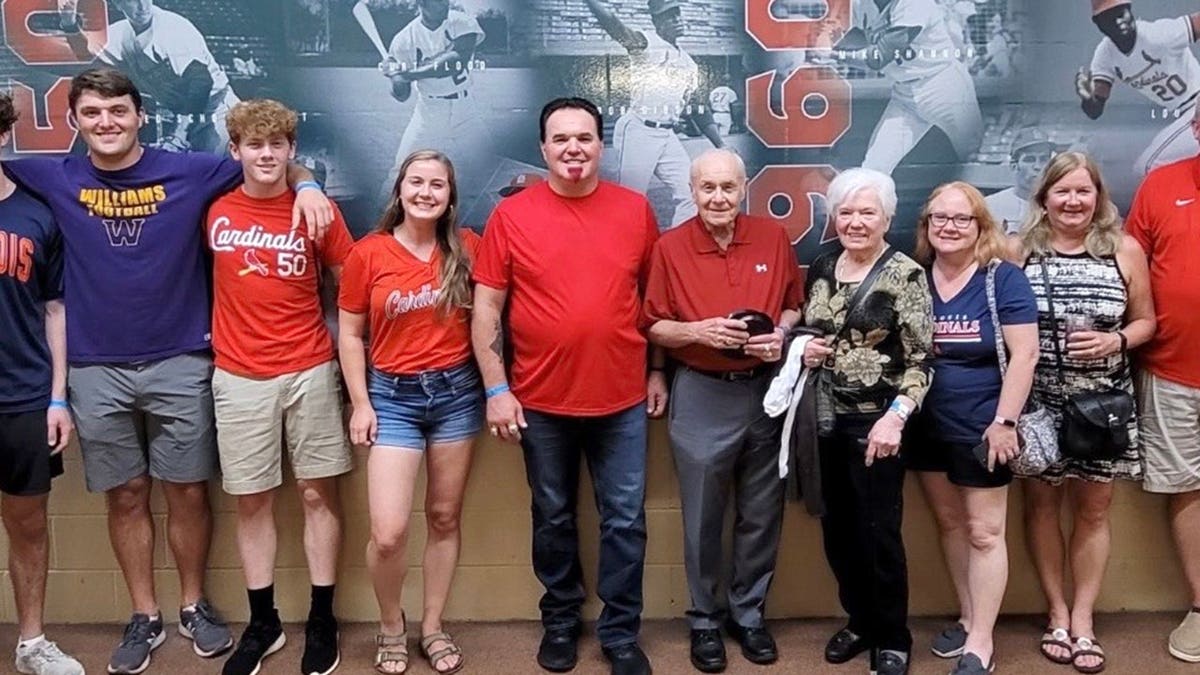
Today, Spiezio runs a baseball facility, providing one-on-one lessons to young athletes. He actively shares his faith and is deeply involved in his church. He visits schools to educate students about the dangers of drugs and alcohol. He is actively rebuilding his relationships with his four children, ranging in age from 11 to 26, finding joy in simple activities like fishing with his youngest son. He has returned to his hometown, where the community’s support helped him reconnect with his roots and rediscover his true identity. His greatest fulfillment now comes from helping others. "I had millions and millions of dollars," he stated. "Now, I live month to month. But I’m happier now than when I had seven cars and three houses and was hanging out with all these, you know, famous people. I have true joy now because I know how the story ends." The greatest thrill for him is hearing from individuals whose lives have been positively impacted by his story, whether it’s saving a marriage, restoring faith, or achieving sobriety. "It’s never too late," he emphasizes. "As long as you got a breath, you got a pen to write a great ending. As long as you got a pulse, you got a purpose. It’s never too late to get sober. It’s never too late to mend broken relationships."
