
 By admin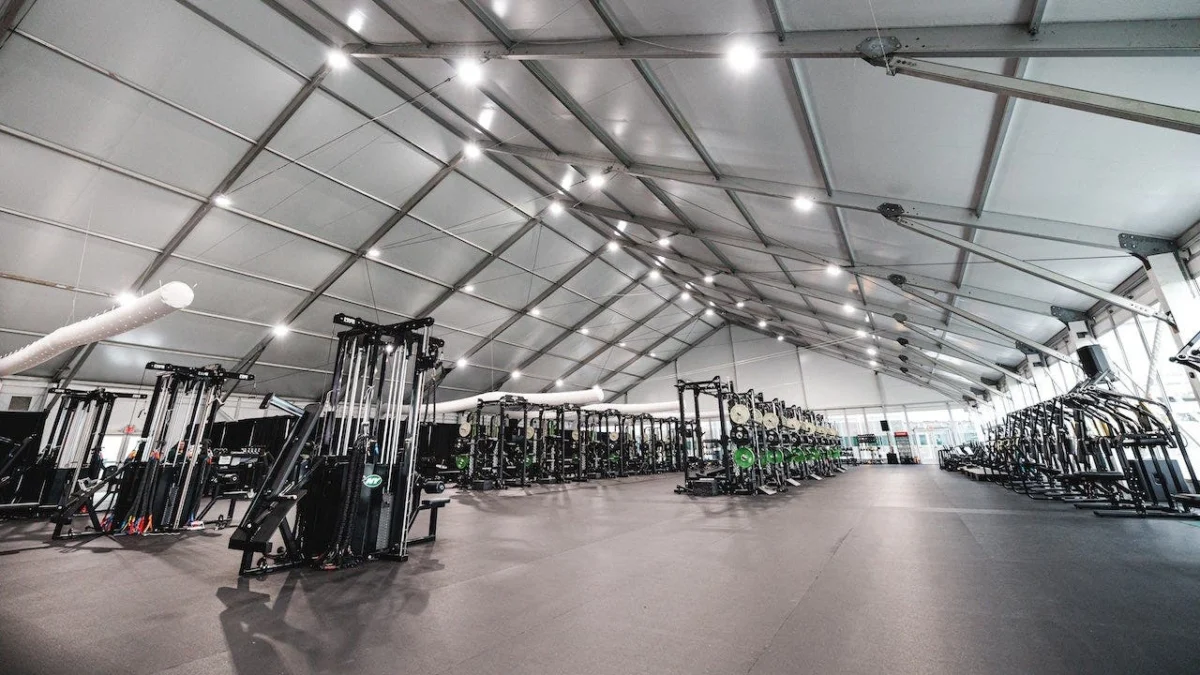
The New York Jets are embarking on a significant transformation of their player development infrastructure with the ambitious expansion and modernization of their Player Performance Center. This multi-phase project, spearheaded by owner Woody Johnson, aims to create a state-of-the-art environment designed to optimize every facet of an athlete’s physical and mental well-being, with the overarching goal of translating these advancements into on-field success for the upcoming 2026 season. The most striking aspect of this initiative, however, is not a single piece of cutting-edge technology, but rather the deliberate and comprehensive integration of diverse performance systems into a cohesive "ecosystem."
Woody Johnson has demonstrated a profound commitment to this vision, investing in a facility that will more than double its previous footprint. This substantial expansion, encompassing 250% more space, is strategically timed to support the team’s aspirations for a turnaround following the 2025 season and a strong showing in 2026. "We are investing in an exceptionally dynamic, innovative training staff with experience designing and utilizing advanced performance systems to support our players," Johnson stated in an exclusive to Fox News Digital. "Our new facilities will be 250% larger, allowing us to increase training capacity and centralize strength and conditioning, recovery, and nutrition." He further emphasized the immediate impact of this investment, noting, "We have already implemented state-of-the-art equipment in our temporary facility, granting our team access to some of the most advanced training resources in the league."
The new Player Performance Center is poised to be a hub of innovation, incorporating a suite of advanced technologies. These include vibroacoustic recovery pods designed to accelerate muscle repair, multimodal wellness chambers offering a spectrum of therapeutic modalities, pneumatic resistance equipment for dynamic strength training, and sophisticated computer-vision tracking systems for precise movement analysis. A cornerstone of this technological integration is a custom-built, AI-powered player performance app, meticulously developed to aggregate and interpret vast amounts of athlete data.
However, as Erik Korem, the Jets’ Director of Player Performance, articulates, the true essence of the project transcends the sum of its technological parts. "We’re building a holistic health and human performance ecosystem," Korem explained. "We’re taking some big steps in our strength and conditioning, nutrition, sports science, and recovery departments. The use of data and AI will be part of this, but I think it extends beyond that." This distinction is crucial, highlighting a strategic departure from simply upgrading existing facilities to a fundamental redesign of the player’s daily journey through assessment, training, practice, fueling, and recovery. The new center is conceived as a shared environment, fostering collaboration among the various performance practitioners responsible for these critical areas.
The meticulously planned two-story performance center will dramatically expand the existing Atlantic Health Jets Training Center. The team’s official construction announcement outlines four primary priorities for this Phase 2 renovation: player performance, recovery, efficient daily flow, and the seamless integration of new technology. Dedicated zones will be allocated for strength, power, speed, and mobility training, while significantly expanded nutrition and recovery areas are intended to facilitate the delivery of highly individualized player programs.
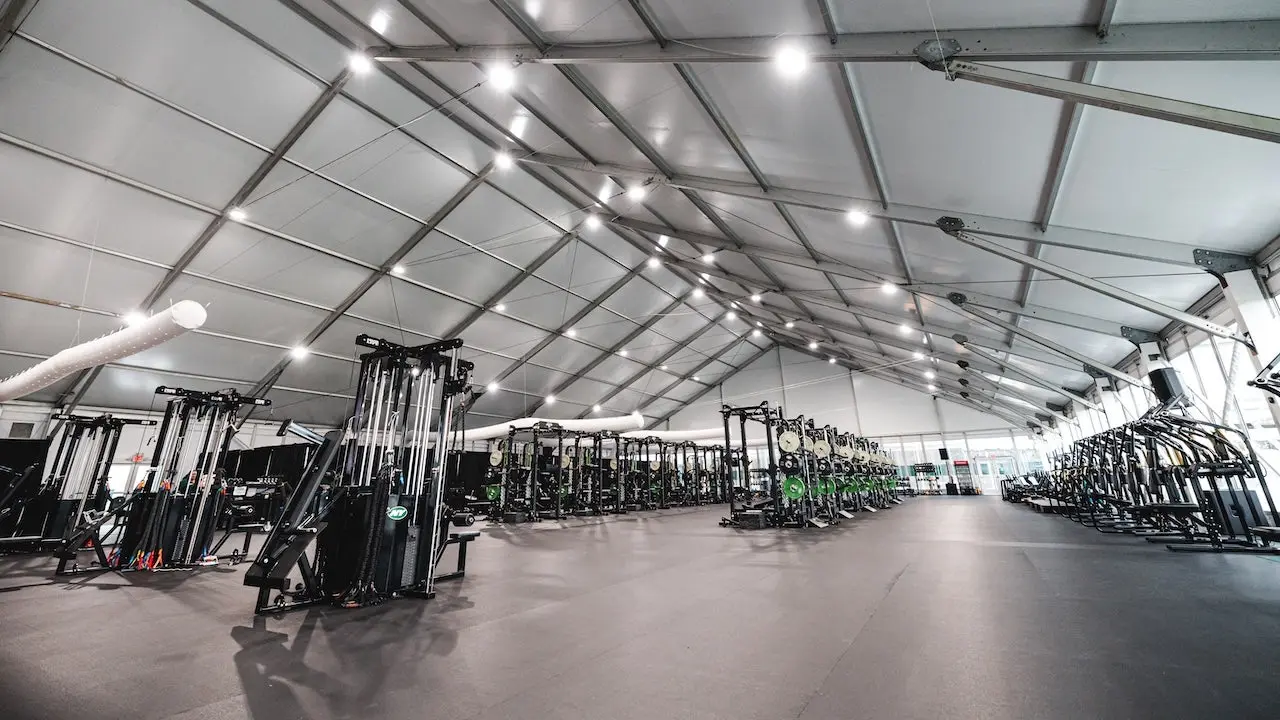
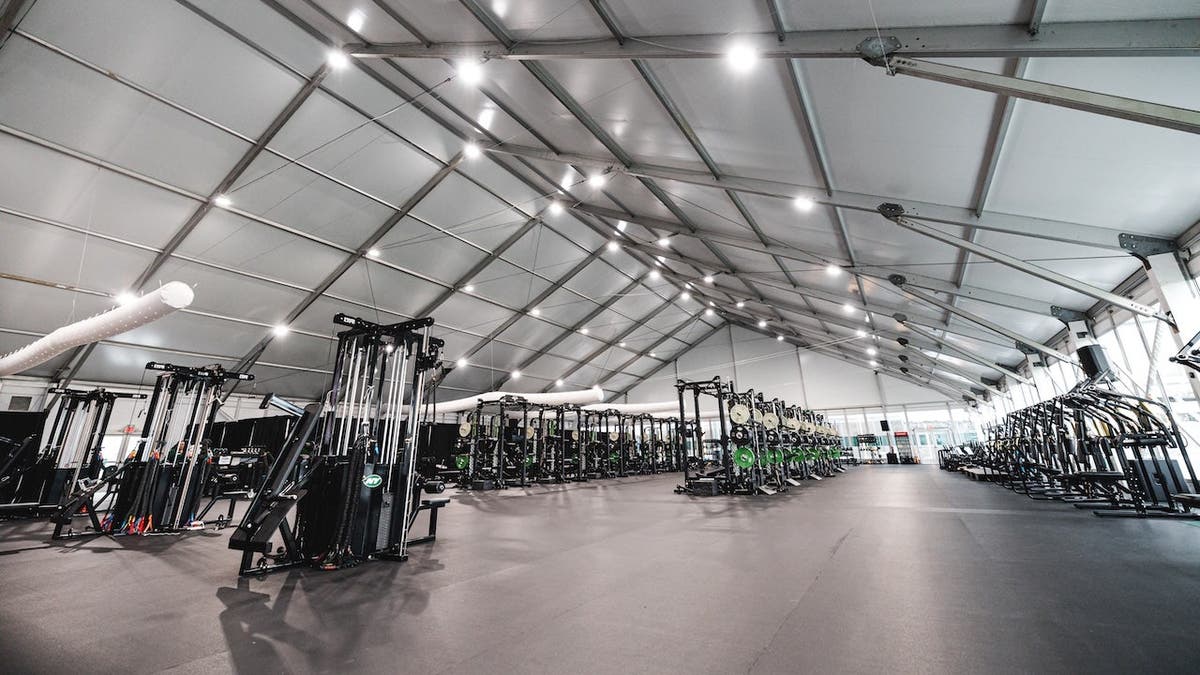
The impact of this ambitious investment is already being felt by the current roster. During the ongoing construction, players are utilizing a temporary training structure that boasts a footprint over 70% larger than the former weight room. The Jets strategically moved equipment into this interim facility after mandatory minicamp, with the demolition of the old space completed in July. Notably, new equipment and technology have been installed in this temporary building, ensuring that the team benefits from these advancements without delay, rather than waiting for the final completion of the center. This proactive approach aligns with a consistent directive from Chairman Woody Johnson, General Manager Darren Mougey, and Head Coach Robert Saleh: the long-term construction project must not impede the team’s short-term preparation and competitive readiness.
Korem expressed profound gratitude for Johnson’s unwavering support and significant investment in the facility, recognizing its potential to translate directly into tangible on-field results for the 2026 season. "It just is a reflection of Mr. Johnson’s investment," Korem remarked. "It’s only going to help them as individuals and as a team."
From Group Programs to Individual Prescriptions: The Dawn of Personalized Player Development
A central promise of the new Player Performance Center is the radical personalization of athlete development. Historically, football teams have operated with a degree of standardization in their training methodologies; a 300-pound lineman and a 180-pound defensive back, despite their vastly different roles, body types, and physical demands, often received broadly similar training regimens. Korem’s objective is to introduce a far greater degree of precision into this process. Through more frequent and sophisticated assessments, the performance staff aims to identify nuanced individual needs, whether it be additional work in mobility, strength, power, speed, or adjustments to training volume. The team’s custom-developed app is a critical tool in this endeavor, designed to meticulously organize these data inputs and deliver highly individualized training recommendations.
"The more tools you have and the more appropriate data you have from a serial perspective, you can then develop more specific training programs and interventions for each individual athlete," Korem elaborated. "To me, that’s really where data collection and AI is going to help the field of human performance in general." The emphasis on "serial" data collection is paramount. While a single force-plate test or motion-capture assessment provides a static snapshot, repeated measurements over time reveal crucial trends in an athlete’s adaptation and response to training across a week, a training block, or a rehabilitation program. The Jets plan to significantly expand their utilization of 3D motion capture, force plates, and other telemetry tools to gain a deeper, more dynamic understanding of player movement patterns and overall physical readiness.
This approach reflects a broader paradigm shift occurring in elite sports globally. A 2025 scoping review indexed by the National Library of Medicine highlighted force plates as one of the most consistently utilized technologies for monitoring acute changes in athletes’ neuromuscular function. However, the practical value of such data hinges on the reliability of the testing protocols and the soundness of their interpretation. Data, in essence, is only as valuable as the decisions it informs.
This principle extends directly to the weight room. Advanced computer vision technology can now precisely track the trajectory and velocity of a barbell during lifts, while connected resistance systems can record the exact ranges of motion and angles achieved, dynamically adjusting load as fatigue sets in. This forms the basis of velocity-based training (VBT), a method that moves beyond prescribing workouts solely based on a previously determined one-repetition maximum. In VBT, coaches can utilize the speed of a current lift to gauge the quality of the repetition and the athlete’s readiness on that particular day. A systematic review of elite-athlete research has indicated that velocity-based resistance training can be highly effective in supporting strength and power development, though it also noted variability in the specific protocols and resulting outcomes.
For the Jets, the integration of this technology is intended to augment, rather than replace, the expertise of their coaches. While the facility will capture an unprecedented volume of information, and AI will assist in its organization and presentation, the ultimate responsibility for interpreting this data and making critical decisions about a player’s daily training regimen remains with the performance staff.
This initiative also aligns with a wider organizational embrace of analytics across all departments. General Manager Darren Mougey has spoken about the Jets’ strategic use of AI to automate time-consuming tasks and assist staff in processing vast amounts of information, particularly in scouting and personnel decisions. In this context, the player performance app represents a further manifestation of this philosophy: leveraging automation to streamline data accessibility and actionable insights, while retaining consequential decision-making authority with experienced football and performance professionals.
Designing the Recovery Arc: From Sympathetic to Parasympathetic States
Korem conceptualizes the player’s physical journey as an arc, beginning with the necessary elevation into a highly activated state for lifting, practice, and games, followed by a deliberate and effective descent back into a restorative state. "The recovery part is how quickly can they go from being in this highly active state, or what we call a sympathetic state, to getting in this rest-and-digest state," he explained.
The TERSA SAVA Sound Pod emerges as one of the center’s most distinctive tools, specifically engineered to facilitate this transition. This innovative memory-foam pod envelops the user, immersing them in a combination of curated music and low-frequency vibrations. TERSA describes its system as synergistically integrating spatial audio with vibroacoustic frequencies to promote a profound sense of calm. Korem has observed that players are able to achieve a relaxed state rapidly within the pod, making it a highly valuable option following demanding physical exertion.
The Ammortal Chamber offers a complementary, multi-modal approach to recovery. This chamber integrates several therapeutic modalities into a single session, including red and near-infrared light therapy, pulsed electromagnetic field (PEMF) therapy, and vibroacoustic sound. Korem’s particular interest in this device is driven, in part, by its logistical efficiency. By enabling a player to engage with multiple recovery modalities concurrently, the intervention can more seamlessly fit into the tightly packed schedule of an NFL player’s day.
While these advanced systems represent the most futuristic elements of the renovation, Korem firmly positions them as augmentations to a comprehensive recovery program, not replacements for foundational principles. Factors such as training load management, adequate sleep, consistent hydration, optimal nutrition, and the ability to effectively downshift from peak exertion remain the bedrock of effective recovery. These new devices, therefore, serve to expand the toolkit available to both players and the performance staff.
Nutrition as Performance Infrastructure: Fueling Excellence
The same philosophy of individualized optimization extends into the team’s culinary operations. Under the guidance of Director of Performance Nutrition Carmen Spencer, the Jets’ nutrition staff collaborates closely with the team’s chefs to provide a diverse array of high-quality protein, carbohydrate, healthy fat, fruit, and vegetable options, prepared in ways that appeal to the players’ palates. Korem highlighted the strategic menu planning, which might feature options such as expertly prepared salmon, multiple chicken dishes, and interactive "action stations" offering customizable items like poke bowls.
The nutritional objectives are tailored to the individual athlete and the specific demands of the moment. For instance, a whole-grain option might be ideal for one meal to provide sustained energy, while a rapidly digestible carbohydrate source could be more beneficial immediately before practice to maximize glycogen stores. "What undergirds all this is: What fuels performance?" Korem posed. "What are the things that we need to deliver to the players to help their bodies recover, to help fuel in-game performance and practice performance, and hydration?"
This area of player support is one where the organization has publicly acknowledged a need for improvement. In the NFL Players Association’s 2026 team report card, which aggregates player feedback from the 2025 rosters, the Jets were ranked 18th overall, indicating room for enhancement in facilities and services.
The first phase of the renovation, unveiled in 2025, focused on upgrading the locker room, introducing 92 custom lockers, a redesigned wet area, an enlarged sauna, and a barbershop. Phase 2 directly addresses the scale and functionality of the traditional weight room, while simultaneously expanding the scope and quality of nutrition, recovery, and overall performance services. Regardless of the specific motivations behind these investments, the tangible improvements create a clear benchmark against which players can assess the club’s stated commitment to progress.
The Hardest Work Still Happens Outside: Practice as the Ultimate Proving Ground
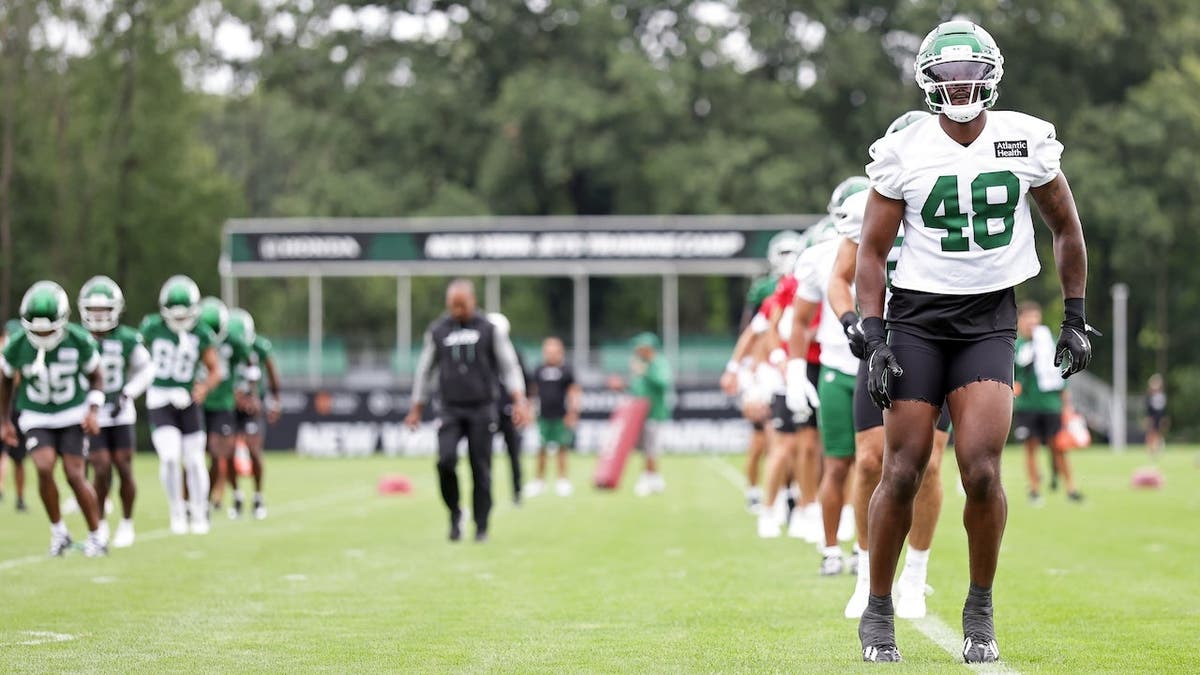
Despite the impressive array of technological advancements being integrated into the Player Performance Center, Korem remains emphatic about the most challenging and ultimately most critical component of the training camp regimen: practice itself. The fundamental purpose of training camp is to meticulously prepare players for the rigors of game-day demands. Depending on a player’s position and role on the team, this can involve building the physical capacity to sustain performance over 65 to 75 snaps, while simultaneously meeting stringent speed and volume benchmarks. The weight room plays a vital supporting role, enhancing strength, power, speed, endurance, and mobility, but it cannot supplant the on-field work as the primary developmental arena once football-specific training intensifies.
"Think about the weight room on the field," Korem analogized, referring to practice. "There are qualities that you’re developing on the field. What’s happening in the weight room is you’re supporting" those on-field qualities.

This perspective offers the most realistic lens through which to understand the true capabilities – and limitations – of the Player Performance Center. No single recovery pod, sophisticated data platform, or advanced force plate can unilaterally guarantee victories or entirely prevent injuries. What an integrated, state-of-the-art facility can achieve, however, is to provide coaches and practitioners with more precise opportunities to identify individual player needs, deliver tailored interventions, facilitate efficient recovery, and ultimately, ensure that players are consistently available and optimally prepared to hone their football skills.
Korem ultimately measures the success of this substantial investment less by the sheer sophistication of the equipment installed and more by the quality of the human expertise that surrounds and utilizes it. He emphasizes that Johnson’s support has extended beyond the acquisition of new tools to the crucial hiring of highly skilled practitioners who possess the knowledge and experience to leverage these resources effectively. "You can have tools, but do you have the people behind those tools?" Korem questioned. "It’s the whole ecosystem of the people and the resources that make any type of building come to life."
This holistic integration of personnel and resources may very well be the defining ambition of the entire renovation project. The Jets are indeed constructing a significantly larger player performance center, but their ultimate competitive wager is on something far less tangible than cutting-edge machinery: the enhancement of information flow, its rapid dissemination, and its translation into superior daily decision-making for every player on the roster.
