
 By admin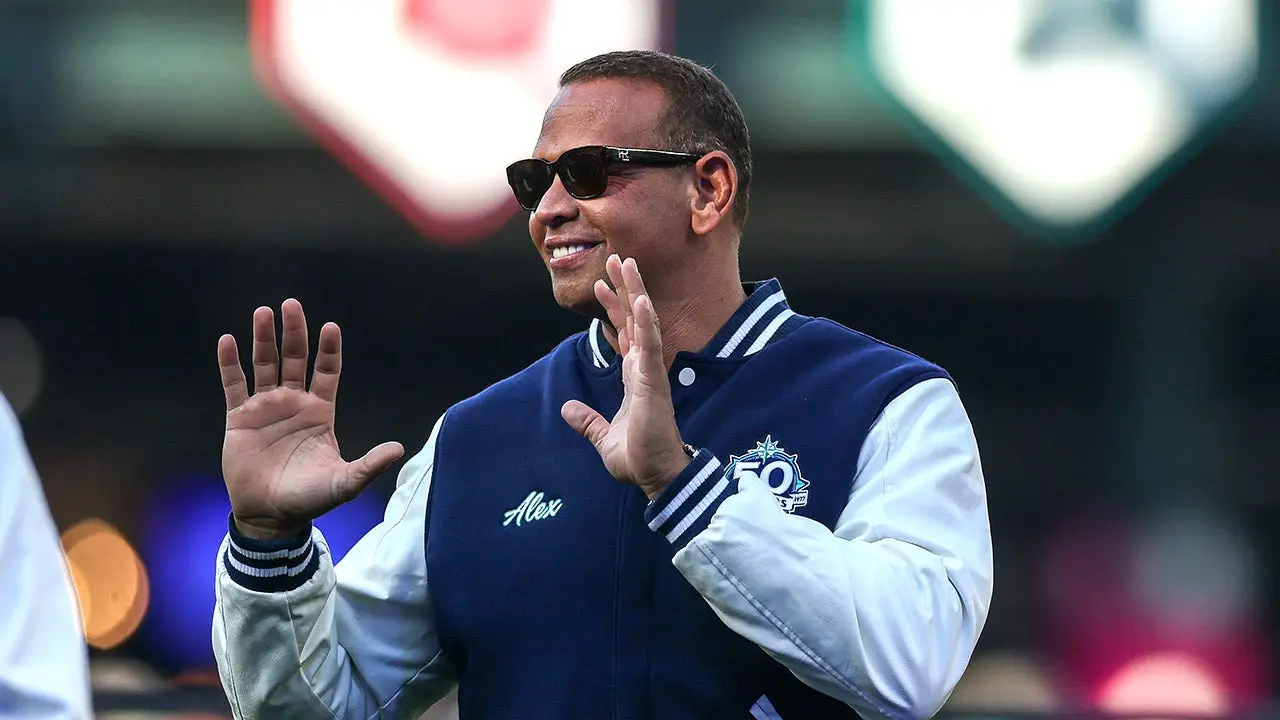
As Major League Baseball (MLB) edges closer to a lockout, a contentious debate has erupted regarding the Los Angeles Dodgers’ seemingly uninhibited financial power and its potential impact on the sport’s competitive balance. The Dodgers, fresh off back-to-back World Series titles and widely favored for a third consecutive championship, have drawn scrutiny for their aggressive acquisition of top-tier talent. This scrutiny has intensified with the monumental $700 million contract awarded to Shohei Ohtani, a deal notable for its unprecedented structure, with 97% of the sum deferred. The team’s spending prowess extends beyond Ohtani, as they also secured the services of Edwin Diaz, widely considered the top relief pitcher on the market, and inked Kyle Tucker to a contract boasting an annual average value of $60 million, the highest ever for a position player.
However, not everyone views the Dodgers’ financial dominance as a detriment to baseball. Former MLB superstar Alex Rodriguez, speaking on Michael Kay’s radio show, offered a contrasting perspective, arguing that such spending is not only acceptable but also a natural progression of the sport, drawing parallels to past financial powerhouses. "I think it’s great," Rodriguez stated. "You and I both would be hypocrites if we said it’s not good when we saw what happened in the ’90s here in New York, what happened in ’09 when Hal Steinbrenner flexed his financial resources to go out and get [CC] Sabathia, [Mark] Teixeira and A.J. Burnett, and the year before we had Johnny Damon."
Rodriguez’s historical reference to the New York Yankees’ spending in the late 1990s and early 2000s is particularly pertinent. During the 2005 season, for instance, the Yankees boasted a payroll of $208.3 million, nearly double that of the second-highest spending team, the Boston Red Sox, who were at $123.5 million. The New York Mets, with a payroll of $101.3 million, were the only other franchise to exceed a nine-digit payroll that year. This era highlighted a significant disparity in financial capabilities among MLB teams, a phenomenon that bears resemblance to the current landscape, albeit with different key players.
While the Dodgers have employed sophisticated contract structures, utilizing deferrals and performance bonuses to manage their actual payroll below the nominal value of their massive investments, the financial gulf remains substantial. Several other teams are operating with tax payrolls at or exceeding $300 million, including the New York Mets, Philadelphia Phillies, and Toronto Blue Jays. This indicates that the issue of significant financial disparity is not confined solely to Los Angeles.
Rodriguez further elaborated on his viewpoint, emphasizing that the "key is not making the mistakes." He pointed to the current struggles of Trent Grisham and Ryan McMahon, who are collectively earning $38 million this season but are hitting a combined .215 with sub-.700 OPS numbers, as examples of poor asset management. "You have to be able to determine what is your inventory and what is it worth," Rodriguez explained, referencing the strategic approach of former Yankees executive Gene Michael. "Gene Michael used to be able to hold on to Bernie [Williams], [Derek] Jeter, [Jorge] Posada. That’s the key – you got to hold on to your early guys, and then move on for the others, use them as assets to complement your current roster."
This perspective underscores the importance of smart player development and roster construction, irrespective of a team’s payroll. The evidence supporting this notion is readily available in the current MLB standings. The Milwaukee Brewers, with a tax payroll of $153 million, ranking 19th in the league, currently hold the best record in Major League Baseball. Similarly, the Tampa Bay Rays, situated at 27th in tax payroll, boast the league’s second-best record, while the Chicago White Sox, leading the AL Central, rank 26th in payroll. These examples demonstrate that financial might does not automatically translate to on-field success. Conversely, three of the top five highest-paying teams – the Mets, Phillies, and Blue Jays – are currently on the outside of playoff contention.
The ongoing labor dispute, with the collective bargaining agreement set to expire on December 1st, adds another layer of complexity to the discussion. Players have consistently voiced their opposition to the implementation of a salary cap, a proposal that has been formally presented for the first time since 1994. This fundamental disagreement over economic structures fuels the tension between ownership and the players’ association, with both sides seemingly speaking "two different languages," as one former MLB star recently characterized the negotiations.
The Dodgers’ aggressive spending strategy, exemplified by the Ohtani deal and their pursuit of other high-profile players, has undeniably raised questions about competitive balance and the potential for a league dominated by a few financially elite franchises. However, Alex Rodriguez’s arguments, rooted in historical precedent and a focus on strategic asset management, offer a counterpoint that cannot be easily dismissed. The league’s future competitive landscape will likely be shaped not only by the financial capabilities of its teams but also by their ability to effectively identify, acquire, and develop talent, a lesson underscored by the success of teams with more modest payrolls. As the lockout looms, the debate over the Dodgers’ impact on baseball serves as a microcosm of the larger economic and structural challenges facing the sport. The ability of MLB to navigate these complexities will ultimately determine its long-term health and the equitable nature of competition on the diamond.
The deferred payment structure of the Ohtani contract, while unprecedented in its scale, is not entirely novel in baseball. Teams have historically utilized deferrals to manage luxury tax implications and spread the financial burden of long-term contracts over a longer period. However, the sheer magnitude of Ohtani’s deal, combined with the Dodgers’ already formidable roster, has amplified these concerns. This strategy allows teams with deeper pockets to acquire top talent without immediately impacting their current year’s payroll, potentially creating an unfair advantage.
The specter of a lockout, a recurring theme in professional sports labor negotiations, hangs heavy over MLB. The current collective bargaining agreement, ratified in 2022 after a 99-day lockout, aimed to address some of the competitive balance issues that had been simmering for years. However, the underlying economic philosophies and priorities of owners and players remain a significant point of contention. Owners often advocate for measures that promote greater parity, such as revenue sharing and salary caps, while players prioritize free agency and the ability to maximize their earning potential through unrestricted market forces.
The Dodgers’ ability to secure Ohtani, who is widely considered a generational talent with the potential to significantly impact both hitting and pitching, speaks volumes about their financial flexibility and their willingness to push the boundaries of contract negotiations. The deferred compensation allows Ohtani to receive a massive sum over his lifetime, while enabling the Dodgers to remain competitive in the present by freeing up significant salary cap space for other roster moves. This creative financial engineering, while legal and agreed upon by the player, raises ethical questions for some observers about the sustainability of such practices and their long-term consequences for the league’s competitive ecosystem.
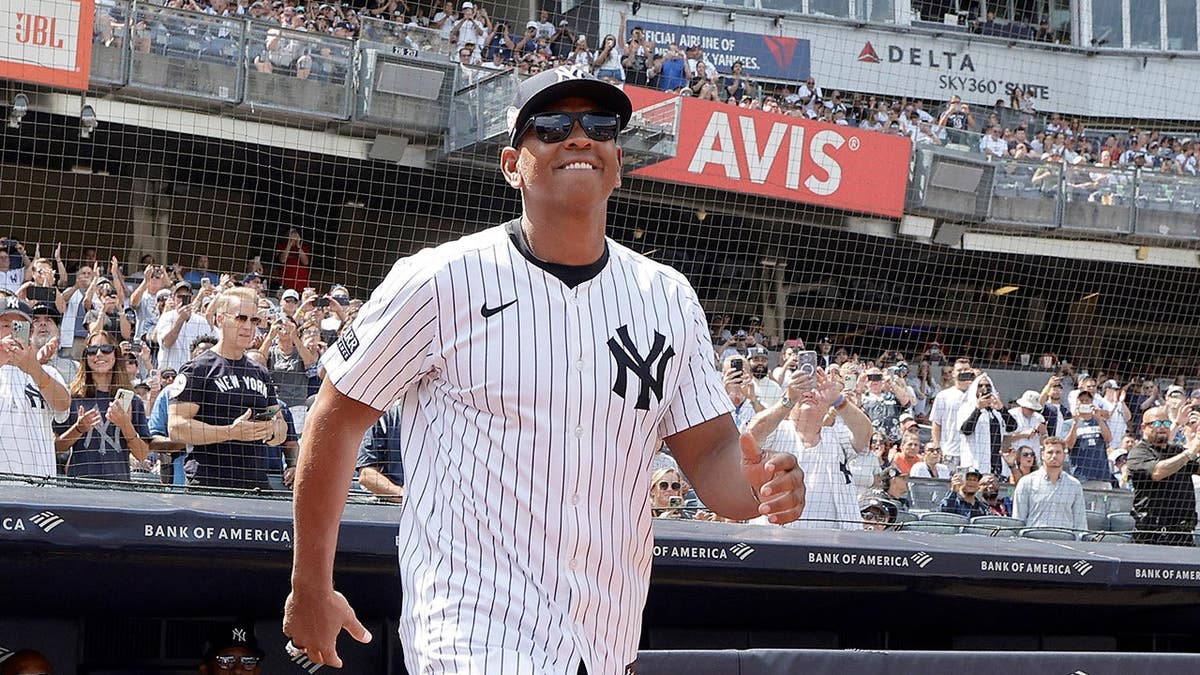
Rodriguez’s analogy to the Yankees’ past spending spree is particularly apt because it highlights a historical pattern of teams leveraging their financial advantages to build dynasties. The Yankees, during the late 1990s and early 2000s, were not only the highest-spending team but also consistently one of the most successful, winning multiple World Series titles. This era, much like the current Dodgers’ dominance, fueled debates about whether such financial disparity was healthy for the sport.
The counterargument, as exemplified by the success of teams like the Brewers and Rays, is that smart scouting, player development, and strategic roster management can overcome significant payroll disadvantages. These teams have demonstrated a remarkable ability to identify undervalued talent, develop promising prospects, and build cohesive units that can compete with the league’s financial titans. This suggests that while financial resources are undoubtedly important, they are not the sole determinant of success in baseball.
The upcoming MLB season, if it commences without a lockout, will undoubtedly be watched with increased scrutiny, with particular attention paid to the performance of the Dodgers and the reactions of other teams to their continued dominance. The ongoing negotiations between the league and the players’ association will also be critical in shaping the future economic framework of the sport. The challenge for MLB is to find a balance that ensures competitive parity, rewards player performance, and fosters a sustainable and engaging product for fans. Whether the Dodgers’ current approach represents a temporary anomaly or a fundamental shift in the league’s economic landscape remains to be seen, but it has undoubtedly ignited a crucial conversation about the future of the game.
