
 By Rifan Muazin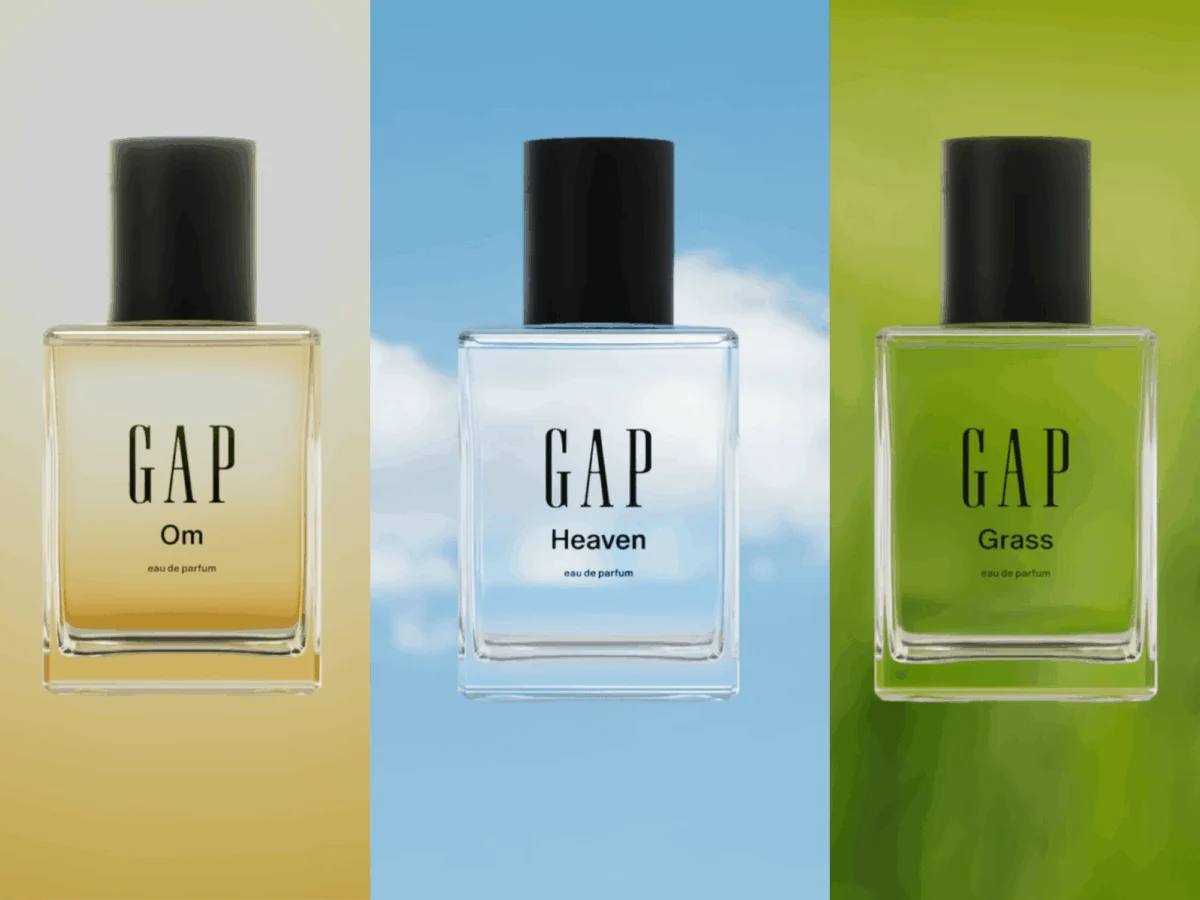
The resurgence of "Retro Gap" is far more than a fleeting TikTok trend; it is a full-scale cultural reclamation of an era when American minimalism defined the global fashion lexicon. If you spend any time navigating the digital aisles of the secondhand market—platforms like Depop, Grailed, and eBay—you will find an aggressive ecosystem of resellers hoarding and flipping garments from the brand’s 1990s-era heyday. From the iconic "Easy Fit" jeans to the heavy-gauge hoodies that once defined the casual Friday, the demand for vintage Gap has reached a fever pitch, eventually forcing the brand itself to take notice. In a strategic pivot toward its own heritage, Gap has begun rereleasing some of its archive’s greatest hits, acknowledging that for many, a faded denim jacket or a pair of khakis adorned with the classic serif logo is not just clothing, but a vessel for memories—some lived, some borrowed from a romanticized version of the past.
However, while a physical garment can evoke a visual memory, nothing penetrates the subconscious with the visceral intensity of a familiar scent. This is the biological reality of olfactory memory, where the nose acts as a direct line to the brain’s emotional centers. Recognizing this, the everyman label has decided to revive its suite of fragrances, a collection plucked straight from the golden era of American mall culture. For elder millennials, the news of this revival carries a specific weight. Gap’s original fragrance line, which debuted in the mid-1990s, was a staple of the teenage experience before being discontinued in the early 2000s. Its departure left a vacuum in the market, one eventually filled by the aggressive, woodsy, and hyper-masculine "Fierce" from Abercrombie & Fitch, which sought to win over the nostrils of a new generation with a much more provocative marketing strategy. Now, after decades of absence, the gentler, cleaner scents of the Gap era are back.

The re-release features a quintet of eau de parfums designed to evoke ’90s minimalism. The packaging itself is a study in that decade’s specific brand of "clean" aesthetics, featuring the iconic serif typeface logo and Helvetica product text layered over simple, impressionistic vignettes. While the boxes are undeniably charming, capturing the low-fidelity, artistic spirit of the era, the physical vessels leave something to be desired for the true vintage enthusiast. In the original run, Gap fragrances were often housed in sculptural, biomorphic bottles—frosted glass shapes that felt like smooth river stones in the hand. The 2024 versions, however, are presented in generic glass blocks with black plastic tops. The only thing differentiating one from another is the name printed on the front. This choice feels somewhat symptomatic of the modern brand’s position: democratic designs catered toward everyone and no one simultaneously. Yet, the true value of this revival lies not in the glass, but in the liquid within.
To understand how the ’90s smelled through the lens of a retail giant, one must revisit the specific notes that defined the decade’s olfactory landscape. The 1990s were characterized by a shift away from the heavy, spicy "power perfumes" of the 1980s—think Giorgio Beverly Hills or Poison—toward "aqueous," "green," and "clean" scents. This was the era of CK One and the rise of the "unisex" fragrance. Gap’s collection was at the forefront of this movement, offering accessible, nature-inspired scents that felt fresh and unpretentious.
The first and perhaps most legendary of the bunch is "Grass." Originally introduced in 1994 alongside "Heaven," Grass remains one of the most distinct offerings in the history of mass-market perfumery. It is a fragrance that does exactly what it says on the tin, yet with a surprising amount of sophistication. The scent is fresh, verdant, and unapologetically bright. In its modern incarnation, it features notes of green mandarin, matcha, and Virginia cedar. The experience of wearing Grass is akin to standing in a matcha shop that has been inexplicably constructed inside a log cabin in the middle of a sun-drenched meadow. It is earthy, slightly sweet, and possesses a "living" quality that many modern synthetic perfumes lack. In a survey of contemporary fragrance enthusiasts, Grass often ranks as the favorite due to its ability to conjure the specific nostalgia of suburban summers and the simple joy of freshly cut lawns.

Then there is "Om," which debuted slightly later in 1996. During its original run, Om was the "cool older sister" of the collection. It was marketed with a nod toward the decade’s fascination with Eastern spirituality and "zen" aesthetics. To the modern nose, Om smells the most expensive and mature of the quintet. It is a warm, woody composition that eschews the sugary notes found in its siblings. The fragrance opens with top notes of ginger, transitions into a heart of lilyflower, and settles into a base of amber woods. There is a profound sense of nostalgia baked into Om; it feels like a warm afternoon breeze captured in a bottle, or perhaps the scent of a high-end boutique in 1997. It represents the "minimalist chic" side of the ’90s, the side defined by slip dresses and neutral palettes.
"Heaven," by contrast, leans into the more saccharine, floral side of the mall experience. With pear and honeysuckle at the forefront, Heaven feels like an olfactory version of the pearly gates, though those gates appear to be located directly inside a Bath & Body Works circa 1995. It is a sweet, almost edible fragrance that evokes memories of the food court and the specific, sugary air of a teenage bedroom. For many, this scent is the ultimate time machine, triggering memories of first dates and school dances. It is the kind of fragrance that makes one crave frozen yogurt—a quintessentially ’90s treat.
"Dream" follows a similar path but with a more ethereal, floral-oriental profile. The scent is described by many as smelling "purple." While that may seem like an abstract descriptor, it perfectly captures the vibe of orange blossom, jasmine, and glowing amber swirling together. It isn’t a deep, royal purple, but rather a fresh, light lavender hue. It has been compared to the scent of a high-quality candle in the bathroom of a beachfront property—clean, airy, and slightly mysterious. It represents the dreamier, more romanticized version of the 1990s, a decade that, in retrospect, feels like a long, calm summer before the digital storm of the 21st century.

Finally, there is "Harmony." This fragrance is perhaps the most evocative of the specific "fusion" culture that began to emerge in the late ’90s. With heart notes of jasmine, Italian bergamot, and apricot nectar, Harmony has a distinct "tea-like" quality. Some have noted that it smells like a high-end boba shop or a Thai restaurant where the scent of jasmine tea permeates the air. It is a "cozy" fragrance, one that feels approachable and friendly. It is the scent of a generation that was beginning to look outward at the world, blending global influences into the American suburban fabric.
The revival of these fragrances is a masterstroke in "nostalgia marketing," a strategy that relies on the "reminiscence bump"—the tendency for adults to have increased recollection for events that occurred during their adolescence and early adulthood. By bringing back these specific scents, Gap is not just selling perfume; it is selling a return to a perceived time of simplicity and optimism. In an era of digital exhaustion and fast fashion, the return to "90s minimalism" offers a sense of grounding.
However, the industry has changed since 1994. The "clean" fragrance movement is now a massive sector of the beauty market, with brands like Glossier, Byredo, and Juliette Has a Gun dominating the space. Gap’s challenge will be to see if these scents can stand on their own merits for a generation that didn’t grow up with them. Gen Z, currently obsessed with "vintage" aesthetics, may find the straightforwardness of Grass or Om refreshing in a market saturated with complex, oud-heavy niche perfumes. At a price point of $52, these eau de parfums sit in a "sweet spot" of affordable luxury—expensive enough to feel like a treat, but accessible enough to remain true to Gap’s democratic roots.

Ultimately, the return of the Gap fragrance line is a testament to the enduring power of brand heritage. Whether you are a millennial looking to reclaim a piece of your youth or a member of Gen Z curious about the "original" smell of the ’90s, these five scents offer a sensory map of a bygone era. They remind us that while fashions change and malls may fade, the scents we wore while navigating those spaces remain etched in our collective consciousness, waiting for a single spritz to bring them back to life.
