
 By Rifan Muazin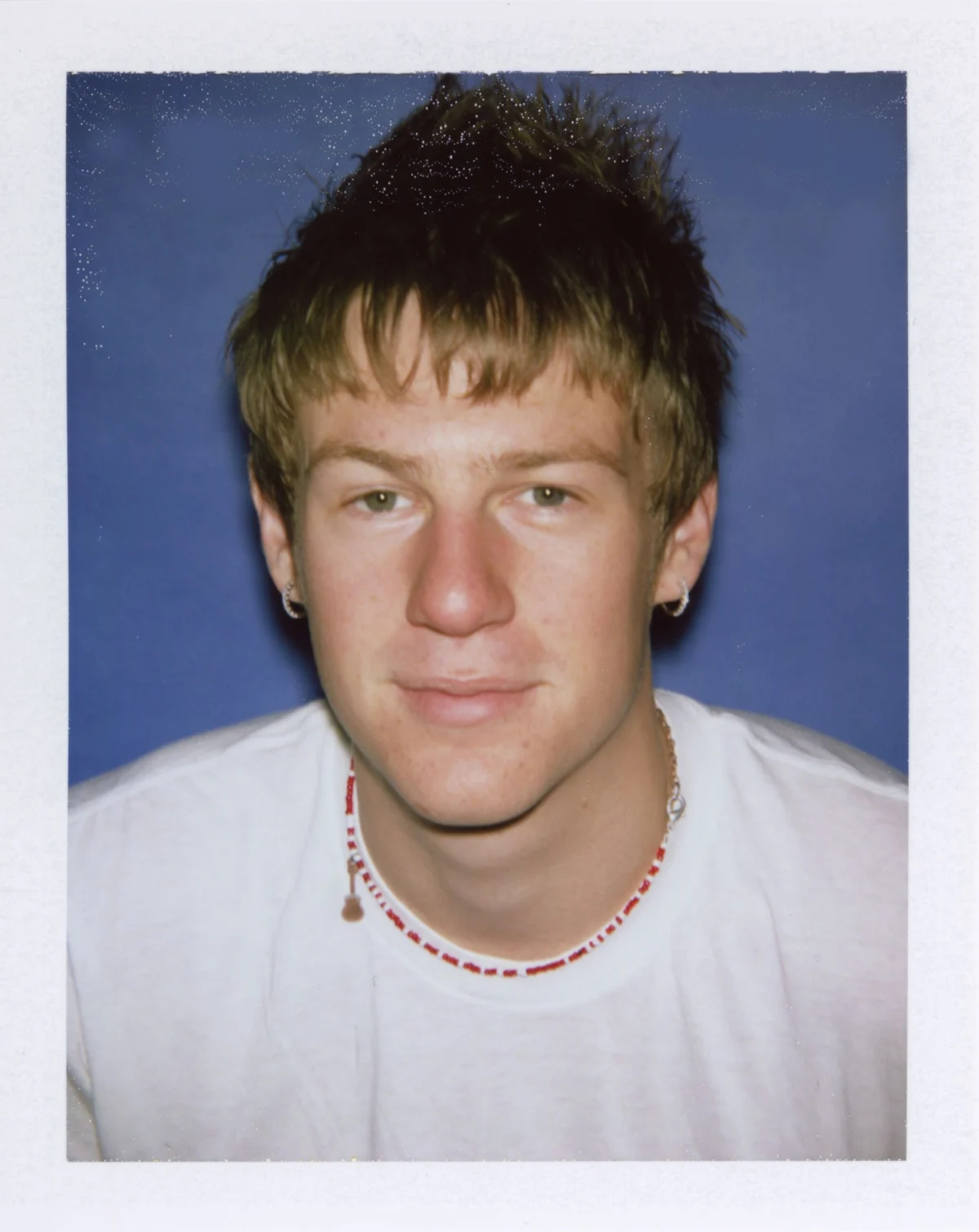
The rise of Malcolm Todd as a cultural figure is as much a triumph of visual branding as it is a testament to his musical output. The 22-year-old artist, who has rapidly become a central figure in the "bedroom pop" landscape, carries himself with a specific brand of curated nonchalance that has captured the imagination of Gen Z. Sometimes, Todd looks like he has just rolled out of bed, a state of being that he has elevated to a professional art form. He has developed a well-known affinity for performing without a shirt, a choice he famously made during his June appearance on The Tonight Show Starring Jimmy Fallon, and one that he leaned into heavily during his inaugural campaign for Gap. This "topless" aesthetic, paired with hair that looks as though it was pressed against a pillow only seconds prior, is entirely intentional. It is a visual manifestation of his music: dreamy, groovy, and inherently intimate.
Todd’s journey to his current signature look was not an immediate arrival but rather a series of experimental phases. Like many young men navigating the intersection of personal style and public persona, Todd has cycled through a variety of haircut trends, ranging from the stark minimalism of a buzzcut to the shaggy, retro layers of a modern fashion shag. However, he has recently settled into what many are calling a Britpop-style mod cut. This specific evolution is the work of his dedicated barber of over a year, Yuhei Nerome, who operates professionally under the name Nero. The relationship between a rising star and their barber is often one of the most critical partnerships in celebrity branding, and for Todd, Nero has become the architect of a look that balances "lazy" with "legendary." According to Nero, Todd’s primary directive for his hair is remarkably straightforward: he wants a style that requires zero effort to look good the moment he wakes up.
"It’s a short layer, textured haircut," Nero explains when breaking down the technical specifications of the cut. "So basically, when he just wakes up, he looks great. It’s got a nice texture to it because it’s a little bit spikier." This description belies the complexity of the technique. Achieving a look that appears accidental requires a deep understanding of hair weight, movement, and growth patterns. By utilizing short layers, Nero ensures that the hair does not fall flat or heavy, allowing the natural texture to provide lift and "spikiness" without the need for heavy styling tools or heat. This "wake-up-and-go" philosophy aligns perfectly with the broader cultural shift toward "low-maintenance luxury," where the goal is to look effortlessly stylish rather than meticulously groomed.
The impact of Todd’s hair has transcended his own social media circles, sparking a minor phenomenon in the world of male grooming. On platforms like Reddit, users have dedicated entire threads to deconstructing the "Malcolm Todd cut," with fans seeking advice on what to tell their own barbers to replicate the look. Todd himself has leaned into this curiosity; earlier this year, he took to TikTok Live for the sole purpose of showcasing his hair. During the stream, he provided viewers with a 360-degree view of his head, effectively creating a digital blueprint for his followers to take to their local salons. This level of transparency is a hallmark of the "cute-boy" aesthetic that Todd embodies—a blend of vulnerability, accessibility, and high-fashion sensibility.
To understand the appeal of Todd’s mod cut, one must look at the historical context of the hairstyle itself. The "Mod" look originated in the 1960s in London, characterized by clean lines, fringe, and a rejection of the rigid, pomaded styles of the previous generation. It saw a massive resurgence in the 1990s during the Britpop era, championed by figures like Liam and Noel Gallagher of Oasis and Damon Albarn of Blur. Todd, speaking with GQ during his Gap campaign launch, noted that his embrace of his natural hair growth was directly inspired by "cute" British guys. "I don’t think my hair’s supposed to be long," he remarked, reflecting on his stylistic identity. "I don’t feel like my hair’s obviously supposed to be completely bald." This middle ground—the textured, medium-length fringe—occupies a sweet spot that feels both nostalgic and modern.

When Todd and Nero first began their professional relationship, Todd—the younger brother of fellow pop artist Audrey Hobert—was sporting a buzzcut. At that stage, Nero’s role was limited to maintenance and shaping the hairline. However, as Todd’s career began to accelerate, so did his desire for a more distinct visual identity. The decision to grow out the buzzcut into the current mod cut was a strategic pivot. To style the current iteration, Nero employs a dry texture hair paste. Interestingly, this product is part of Nero’s own upcoming haircare line, which is slated for a December release. The application process involves pushing the hair forward to create a messy, purposeful fringe, while the rest of the hair is "zhuzhed" to maximize texture. The goal is to let the hair fall wherever it may land, ensuring that no two days look exactly the same.
This sense of "stylish disarray" was a focal point of Todd’s Gap campaign. In the promotional imagery, Todd is seen in various states of undress, his hair appearing tossed and windblown. This choice by Gap—a brand historically known for its "clean-cut" American imagery—signals a broader shift in the fashion industry’s approach to youth culture. By featuring Todd and his messy, bedroom-pop aesthetic, Gap is tapping into a demographic that values authenticity over perfection. The campaign captures the essence of the modern "indie sleaze" revival, where the "morning after" look is considered more aspirational than the "red carpet" look.
The technical brilliance of the "Nero cut" lies in its versatility. While it is designed to look good without product, the use of a dry paste allows Todd to transition from a casual day look to a high-energy stage performance without losing the structural integrity of the style. In the world of bedroom indie pop, where the music is often recorded in domestic spaces and characterized by its lo-fi production, the hair serves as a visual extension of the sound. Todd’s music is groovy and fun, but it possesses an underlying layer of technical proficiency—much like his haircut.
Furthermore, Todd’s influence highlights a significant change in how young men approach grooming. For decades, men’s hair trends were dominated by the "fade" or the "undercut," styles that require frequent trips to the barber and precise maintenance. Todd’s mod cut offers a rebellion against that rigidity. It encourages natural growth, embraces cowlicks, and celebrates the inherent "messiness" of human hair. This approach is particularly resonant in the post-pandemic era, where many people moved away from high-maintenance beauty routines in favor of styles that are more sustainable and reflective of their real lives.
As Todd continues to tour and release music, his visual brand will likely continue to evolve, but the "Nero cut" has already established itself as a definitive look for the mid-2020s. The collaboration between the artist and the barber has created a template for how modern musicians can use grooming to reinforce their genre and personality. Nero’s upcoming product launch in December will undoubtedly be met with enthusiasm from Todd’s fanbase, many of whom are eager to replicate the "just woke up" magic at home.
In the final analysis, Malcolm Todd’s hair is more than just a stylistic choice; it is a component of a larger cultural dialogue about masculinity, fame, and the performance of "effortlessness." By leaning into a look that is messy, textured, and unstudied, Todd has managed to make himself feel both like a distant rock star and a relatable friend. Whether he is performing on a late-night stage or posing for a global fashion brand, his hair remains a constant—a perfectly imperfect fringe that defines the sound and soul of a new generation of indie pop. Through the skilled hands of Nero and the confident, shirtless charisma of Todd himself, the "bedhead" has officially become the new standard of cool.
