
 By admin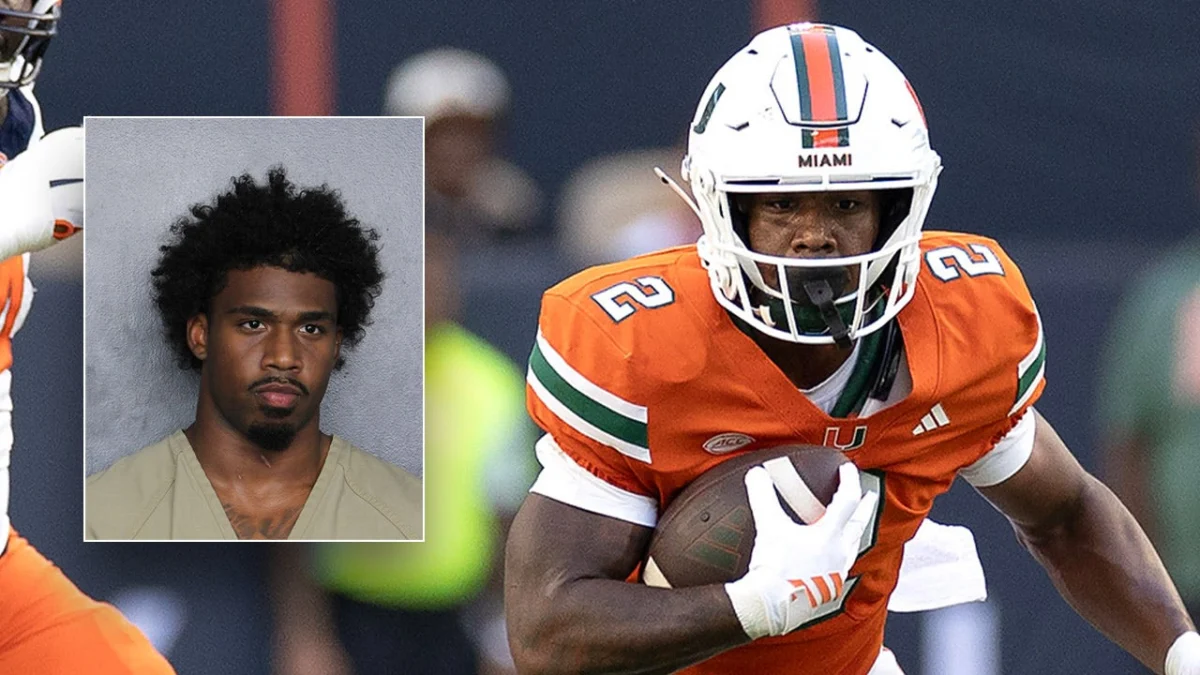
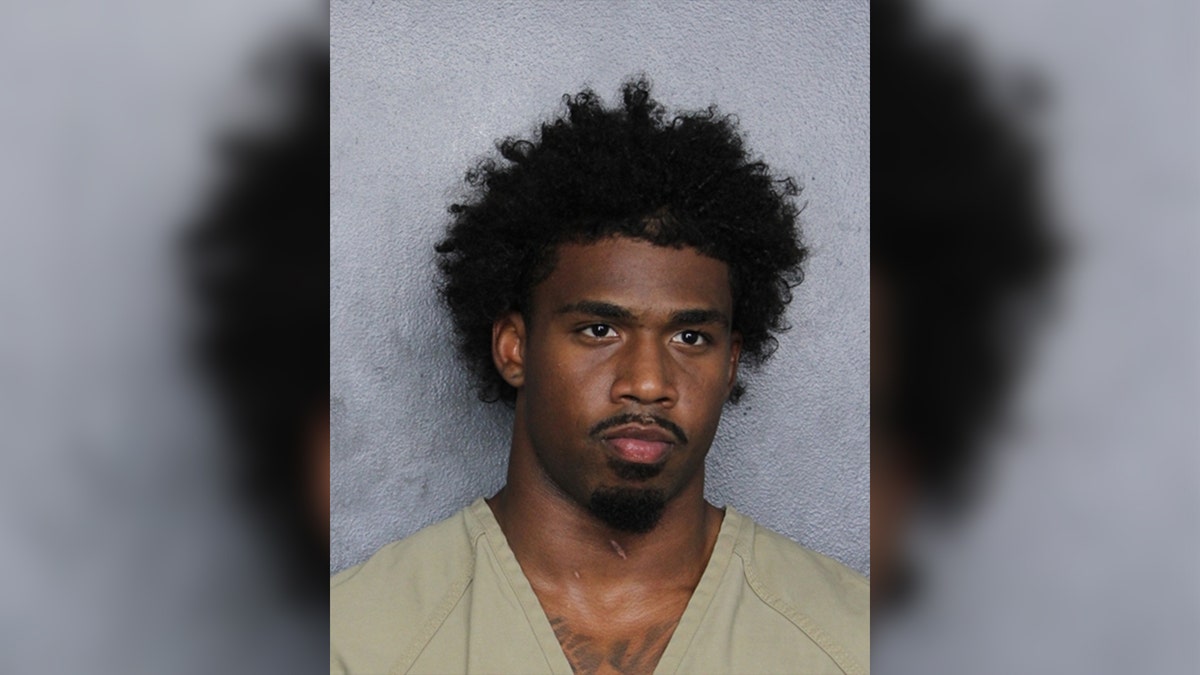
Miami Hurricanes running back Jordan Lyle, a player with considerable promise and expected to play a significant role in the team’s upcoming season following their championship appearance last year, has encountered a serious legal setback. His season, which was anticipated to be a breakout year, has begun under a dark cloud with his arrest in Broward County on Thursday. Court records confirm that Lyle is facing a felony complaint for aggravated fleeing or eluding law enforcement.
The charges detail serious accusations against the 20-year-old rising junior. Lyle is alleged to have operated a vehicle in a manner that demonstrated "a wanton disregard for the safety of persons or property." Furthermore, the complaint states that he "willfully" attempted to evade law enforcement officers, actions that carry significant legal consequences and raise immediate concerns about judgment and decision-making.
The Miami Hurricanes football program, known for its storied history and passionate fanbase, has acknowledged the incident. In a brief statement, the university stated, "We are aware of an incident involving student-athlete Jordan Lyle. As due legal process runs its course, we will have no further comment at this time." This measured response is standard practice for collegiate athletic programs when dealing with ongoing legal matters involving their athletes, emphasizing due process while internally assessing the situation.
Lyle, a highly touted recruit, had a somewhat limited but promising freshman season in 2024. He appeared in six games, serving as a backup to ACC rushing leader Mark Fletcher Jr. Despite the limited opportunities, Lyle showed flashes of his potential. However, his season was hampered by an injury sustained in Miami’s opening game. While he returned several weeks later, he never fully regained his previous form and was ultimately shut down for the season after Miami’s November 8th game against Syracuse. His playing time upon return was restricted, with his involvement in games rarely exceeding eight snaps. During this abbreviated sophomore campaign, he accumulated 35 carries for 108 yards and one touchdown.
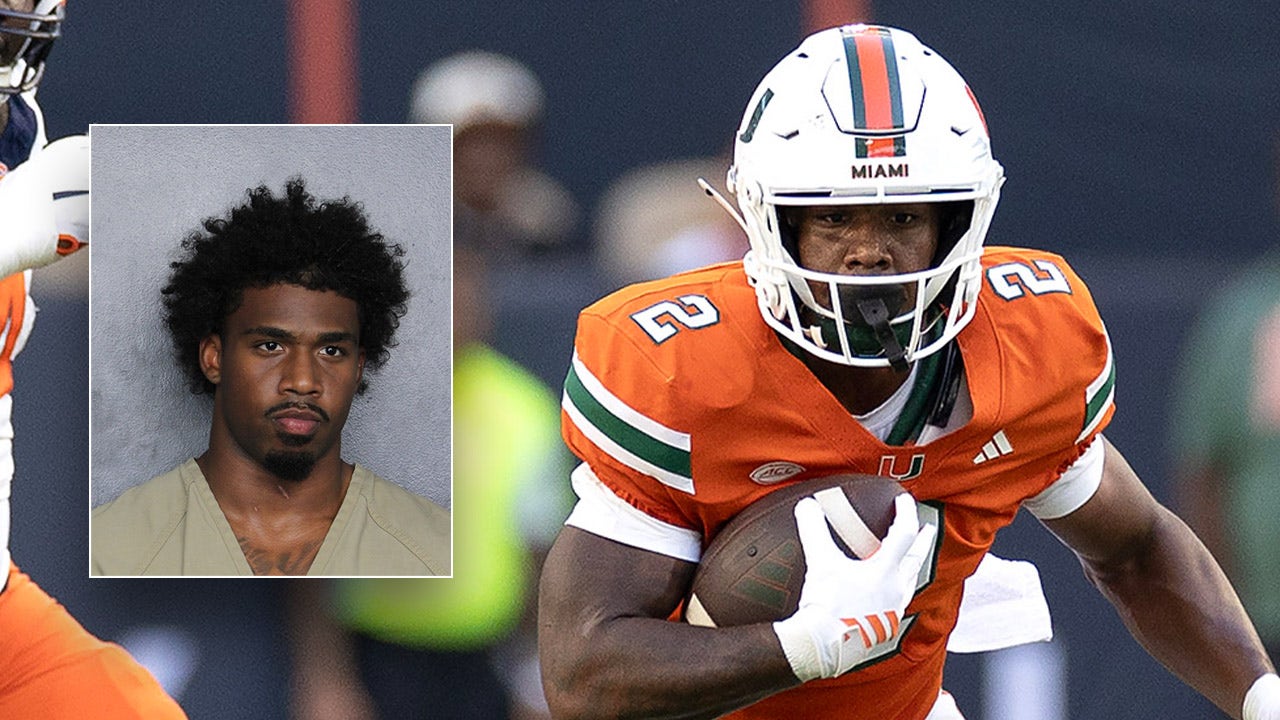
Looking back at his freshman season in 2023, Lyle’s impact was more pronounced, despite playing in 12 games. He recorded 54 rushes for 400 yards, averaging an impressive 7.4 yards per carry, and found the end zone four times. This statistics highlight his capability as a dynamic playmaker when healthy and given consistent opportunities. His collegiate career thus far presents a narrative of high potential punctuated by challenges, including injuries and now this significant legal entanglement.
The arrest of Jordan Lyle comes at a particularly poignant time, just days after head coach Mario Cristobal had been effusive in his praise for the running back’s performance during the team’s recent camp. Cristobal had expressed considerable optimism about Lyle’s readiness for the upcoming season, suggesting he was back to his best and even better.
"I see the Jordan Lyle that we saw a year ago in many respects, but with better physical traits," Cristobal remarked on Tuesday after practice, as reported by Fox News. "He is healthy [now], which I think is a really important part. I don’t think people really knew the extent of how banged up he was last year and we see the full speed player now. I am really excited about him." Cristobal further elaborated on Lyle’s dedication to the team’s strength and conditioning program, noting significant improvements in his agility and explosiveness. "Jordan has taken strength and conditioning very seriously and he has certainly improved his change of direction and acceleration and deceleration rates," Cristobal added, painting a picture of a player poised for a significant contribution.
This stark contrast between Cristobal’s public endorsement and Lyle’s subsequent arrest underscores the unpredictable nature of collegiate athletics and the personal lives of student-athletes. It also raises questions about the underlying circumstances that may have led to the incident. The charge of aggravated fleeing or eluding law enforcement is a serious offense that can carry substantial penalties, including significant jail time, hefty fines, and a criminal record that could impact future opportunities, both within and beyond football.
The legal ramifications for Lyle will depend on the specifics of the case, including the evidence presented by the prosecution and any defense strategies employed. Factors such as prior offenses, the severity of the alleged dangerous driving, and the outcome of plea negotiations or a trial will all play a role. The Broward County legal system will now take its course, and until then, Lyle’s future with the Miami Hurricanes remains uncertain.
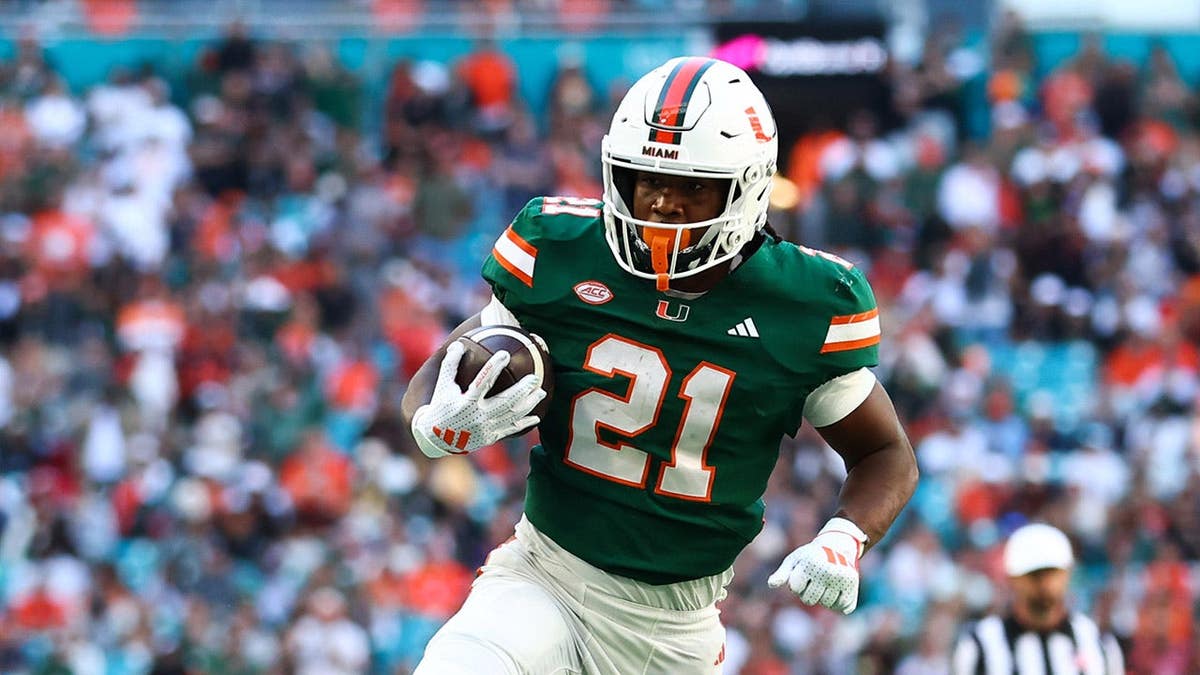
The Miami Hurricanes have a rich tradition in college football, having won five national championships and numerous conference titles. The program is known for its ability to attract top-tier talent, and Lyle was considered one of the promising young players on the roster. The team’s successful championship appearance last year generated considerable excitement among the fanbase, and Lyle was expected to be a key component in their continued success. This arrest, however, casts a shadow over those aspirations and could force the coaching staff to adjust their strategies and depth chart significantly.
The broader context of collegiate athletics also includes the increasing scrutiny on the off-field conduct of student-athletes. Universities and athletic departments are constantly balancing the development of young athletes with the need to uphold community standards and ensure public safety. Incidents like this bring to the forefront the challenges of mentoring and guiding young individuals who are often under immense pressure, both academically and athletically. The role of player development extends beyond the field, encompassing life skills, decision-making, and understanding the consequences of one’s actions.
The legal definition of aggravated fleeing or eluding law enforcement typically involves a deliberate and willful attempt to escape capture by a law enforcement officer who has activated their lights and sirens. The "wanton disregard for the safety of persons or property" element signifies that the driver’s actions created a substantial risk of harm to others, even if no direct collision or injury occurred. This can include driving at excessive speeds, running red lights, driving on sidewalks, or engaging in other reckless maneuvers.
The specific details surrounding Lyle’s alleged evasion will likely emerge as the legal process unfolds. It is not uncommon for such incidents to involve traffic stops that escalate when a driver decides not to comply with an officer’s lawful order to stop. The motivation behind such actions can range from panic to impaired judgment, but regardless of the underlying reason, the legal consequences are severe.
In addition to potential legal penalties, Lyle could also face disciplinary action from the university and the NCAA. Athletic departments often have their own codes of conduct that student-athletes are expected to adhere to. Violations can result in suspensions, fines, or even dismissal from the team. The NCAA, as the governing body for collegiate sports, also has rules in place regarding student-athlete eligibility and conduct, although direct intervention in criminal matters is less common unless it impacts eligibility criteria.
The timing of this arrest is particularly unfortunate for Lyle and the Hurricanes. With the season on the horizon and high expectations surrounding the team, any disruption to the roster can have a ripple effect. Lyle’s potential contributions were seen as vital to the team’s offensive strategy, especially given his proven ability to generate explosive plays. His absence or reduced role would necessitate adjustments and could open the door for other players to step up, but it also represents a loss of a key asset.
The situation also highlights the importance of support systems for student-athletes. While coaches provide athletic guidance, comprehensive support often includes access to counseling, mentorship programs, and resources that help athletes navigate the pressures of college life and develop sound decision-making skills. The demands placed on Division I athletes are immense, and providing them with the tools to manage these challenges is crucial for their overall well-being and success.
As the legal proceedings against Jordan Lyle commence, the Miami Hurricanes community and college football fans will be watching closely. The outcome of this case will not only determine Lyle’s immediate future but could also serve as a cautionary tale about the responsibilities that come with the privilege of playing collegiate sports at a high level. The journey from championship aspirations to legal challenges is a stark reminder of the delicate balance between athletic achievement and personal accountability. The coming weeks and months will undoubtedly bring more clarity to this developing story.
