
 By admin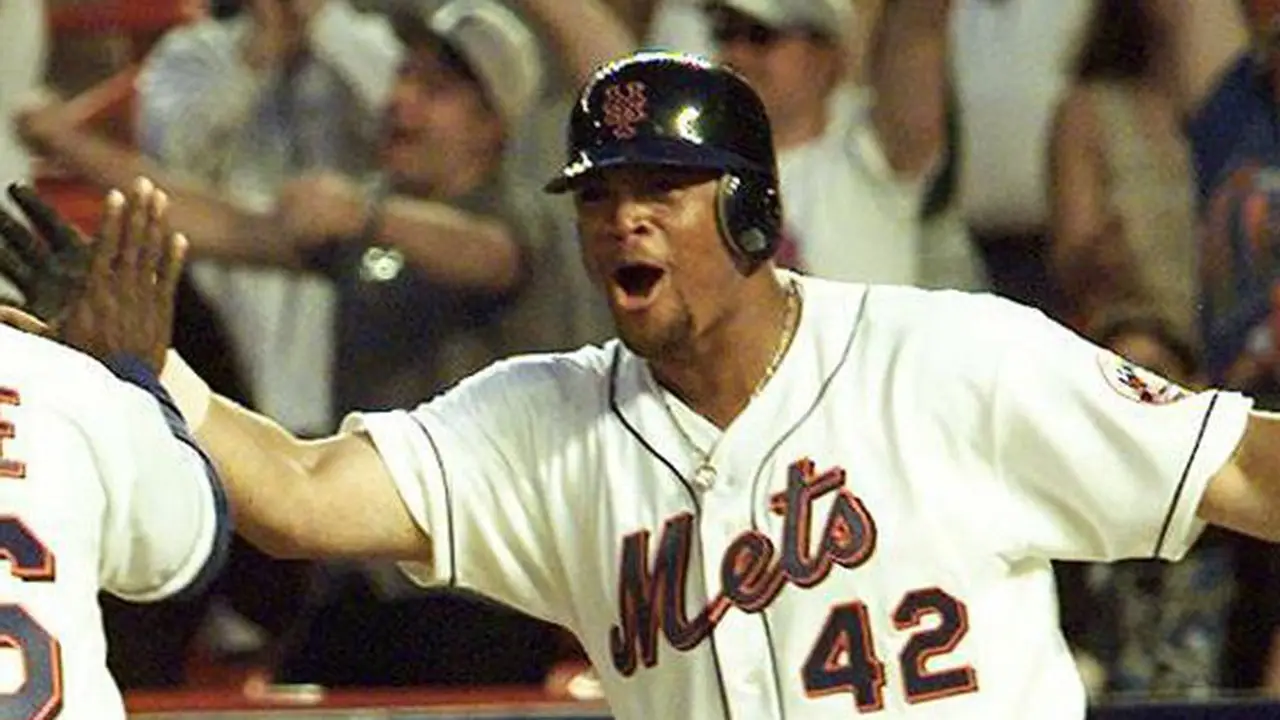
The baseball world mourns the passing of Butch Huskey, a former Major League Baseball player who held the distinction of being one of the final athletes to wear the iconic number 42. Huskey died at the age of 54, leaving behind a legacy tied to a number that transcends the sport itself. His passing serves as a poignant reminder of the enduring impact of Jackie Robinson, the trailblazing athlete who broke baseball’s color barrier in 1947, becoming the first African American player in the modern era. Robinson’s monumental achievement paved the way for countless others, and his legacy is honored annually across MLB on Jackie Robinson Day.
Huskey’s connection to No. 42 began during his tenure with the New York Mets. While initially sporting the number 10, he made the significant decision to switch to number 42 in 1995. This move occurred just two years before Major League Baseball made the profound decision to retire the number universally across the league. This unprecedented action was taken in solemn tribute to Jackie Robinson’s unparalleled contributions and his courageous fight against racial segregation in America’s pastime.
However, the league’s decision to retire number 42 was not an immediate cessation of its use for all players. In a thoughtful gesture acknowledging those already wearing the number, MLB implemented a "grandfather clause." This provision allowed players like Huskey, Mo Vaughn, and Mariano Rivera, who were already prominently identified with number 42, to continue wearing it for the remainder of their playing careers, regardless of the team they represented. This ensured a graceful transition and honored the players who had embraced the number before its permanent retirement.
Huskey, a versatile player who primarily saw action at first base and in the outfield, made his MLB debut in 1993. It wasn’t until 1996, the same year he adopted number 42, that he began to receive consistent playing time and showcase his abilities. In that pivotal 1996 season, Huskey impressed with a solid .278 batting average and a .754 OPS (On-base Plus Slugging). His performance in 1997 marked a career high, as he elevated his game to hit .287 with an .822 OPS, smashing a career-best 24 home runs and driving in 81 runs. These numbers demonstrated his growing offensive prowess and his emergence as a significant contributor to the Mets lineup.
Despite his career-best season in 1997, the following year saw a slight dip in his performance. Subsequently, he was traded to the Seattle Mariners during the offseason. Even after his departure from the Mets, Huskey’s ability to wear No. 42 continued, a testament to the grandfather clause. He carried the symbolic number with him to the Mariners and later to the Minnesota Twins. In 1999, he played for the Boston Red Sox, but by that time, he had chosen to wear No. 44, marking the end of his era with the number 42.
Huskey’s career trajectory included a notable stint with the Boston Red Sox in 1999, a season that saw the team make a postseason appearance as a wild card. Their playoff run, however, was ultimately cut short by the formidable New York Yankees in the American League Championship Series. This was part of the Yankees’ dominant stretch of three consecutive World Series victories. Huskey’s final major league experience was with the Colorado Rockies, where he donned the number 35.
Butch Huskey holds the distinction of being the last player to wear number 42 in Seattle Mariners history. Following him, only a select group of four other major league players would don the number: Mo Vaughn, Mariano Rivera, Michael Jackson, and Jose Lima. These players, along with Huskey, were the final custodians of a number that now exclusively represents the legacy of Jackie Robinson.
The New York Mets formally announced Huskey’s passing on social media, eliciting a wave of tributes from fans and former colleagues. His connection to Jackie Robinson’s number is particularly significant. The league’s decision to retire No. 42 universally in 1997 was a powerful statement of recognition for Robinson’s impact not only on baseball but on American society. Robinson’s courageous act of breaking the color barrier at Ebbets Field in Brooklyn, then home of the Brooklyn Dodgers, on April 15, 1947, was a watershed moment. He faced immense prejudice, including verbal abuse, physical threats, and ostracism, yet he persevered with remarkable dignity and strength, paving the way for future generations of Black athletes in all professional sports.
Jackie Robinson’s rookie season in 1947 was nothing short of spectacular. He not only endured the pressures of being the first but also excelled on the field, earning the Rookie of the Year award. His brilliance continued throughout his career, culminating in his well-deserved induction into the Baseball Hall of Fame in 1962. His impact extended far beyond his playing statistics; he became a symbol of hope, resilience, and the ongoing struggle for civil rights.
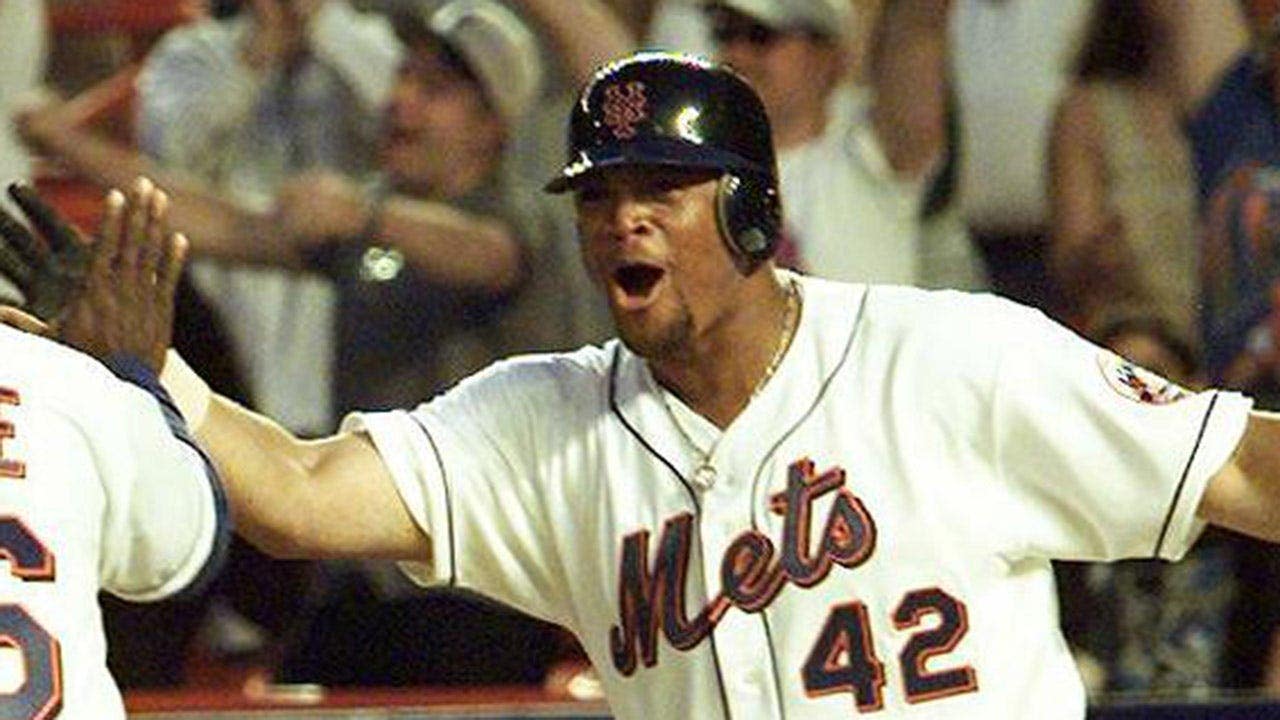
The imagery associated with Huskey wearing No. 42 often evokes memories of a specific era in baseball, a time when the number was still a living tribute on the field. Photographs from his time with the Mets, such as one depicting him congratulating teammate Brian McRae at Shea Stadium, capture the camaraderie and competitive spirit of the game. These images, often juxtaposed with the iconic Jackie Robinson memorial art displayed at stadiums, underscore the historical weight carried by players like Huskey.
The "grandfathering" of No. 42 for players like Huskey was a thoughtful compromise that allowed the league to honor Robinson while acknowledging the careers of those who had already adopted the number. This policy ensured that the transition was gradual and respectful, allowing fans to continue to see the number on the field for a period, albeit with a deeper understanding of its significance. The fact that Huskey wore No. 42 during Mets games against the Los Angeles Dodgers, Robinson’s former team, adds another layer of historical resonance to his connection with the number.
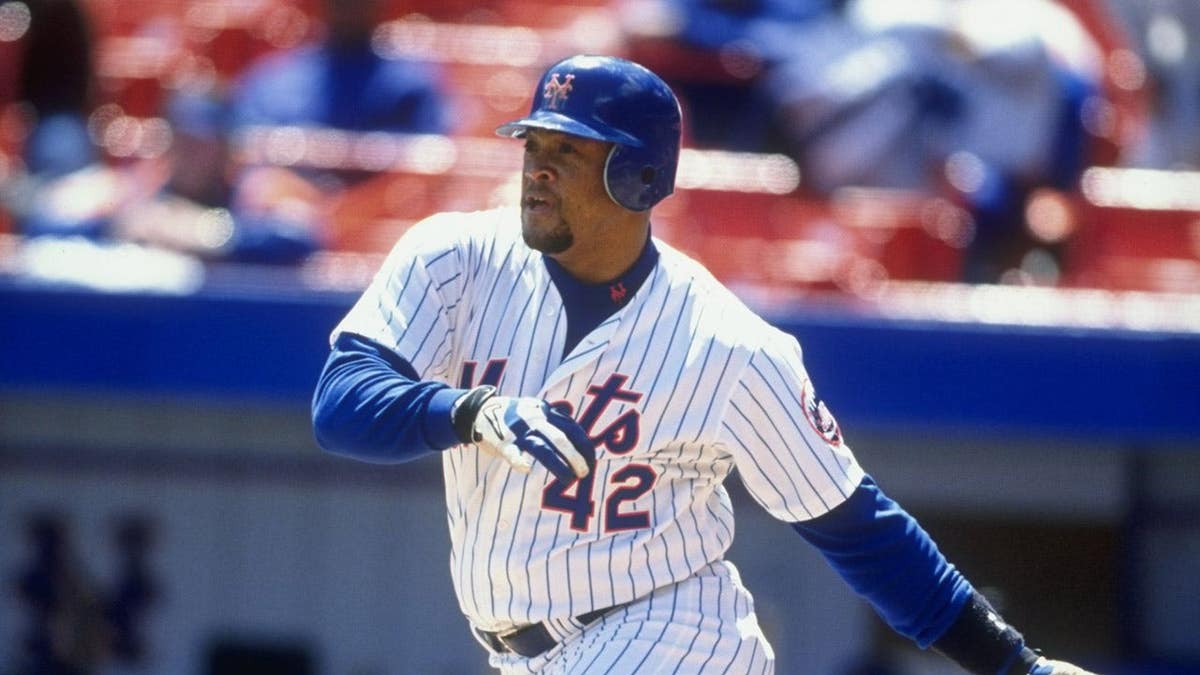
Butch Huskey’s passing at 54 is a somber occasion. While his playing career may not have reached the same heights of Hall of Fame recognition as Jackie Robinson’s, his unique role as one of the final wearers of No. 42 places him in a special category of baseball history. He was a player who, by wearing that number, indirectly contributed to keeping Robinson’s legacy visible on the diamond for a few more years. His career statistics, particularly his offensive surge in the late 1990s, highlight his talent and dedication as a player. The Mets, in particular, will remember his contributions during a period of rebuilding and transition for the franchise.
The story of Butch Huskey and his connection to No. 42 serves as a powerful reminder of how sports can intersect with broader social narratives. Jackie Robinson’s courage and sacrifice fundamentally altered the landscape of professional sports and American society. Players like Huskey, who wore his number, became accidental torchbearers, embodying a part of that history in their everyday play. The universal retirement of No. 42 ensures that Jackie Robinson’s legacy is permanently enshrined, a constant reminder of the progress made and the work that still needs to be done. Butch Huskey’s passing closes a chapter in that ongoing story, and his memory will be honored within the annals of baseball history.
