
 By admin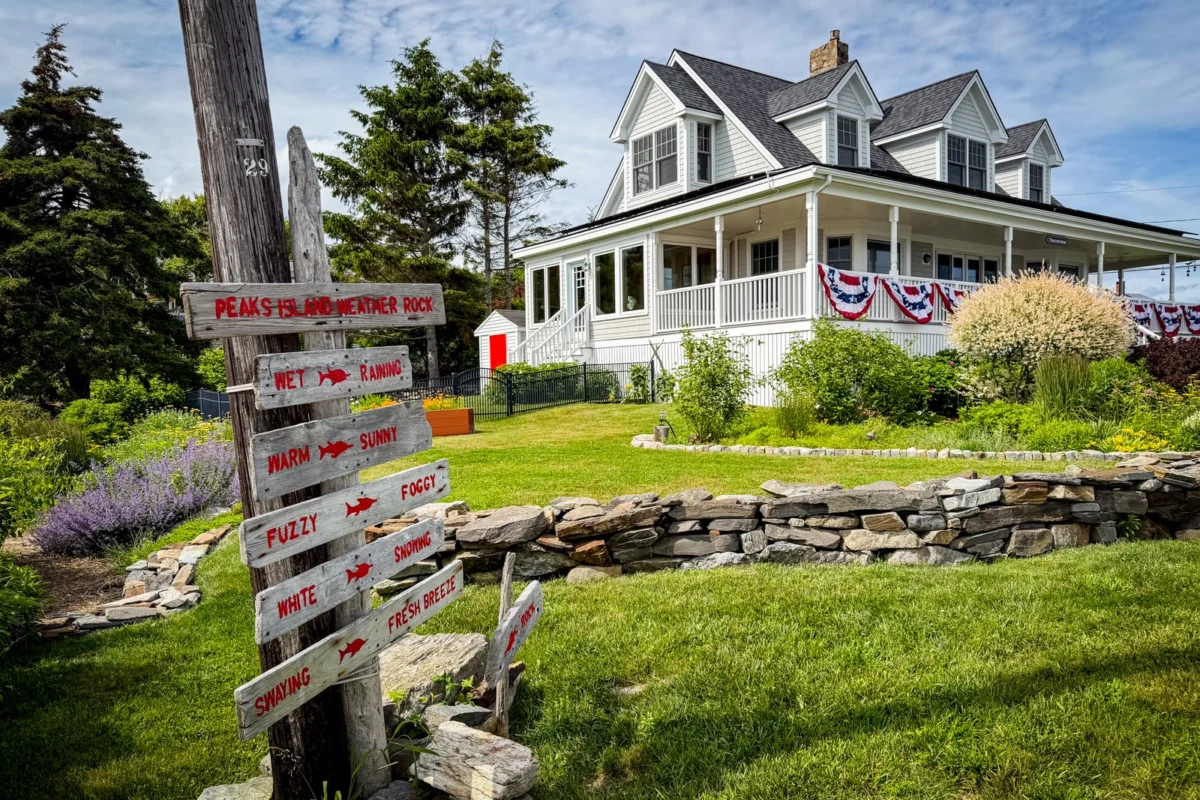
The travel landscape in 2024 and 2026 has seen a significant shift toward "passion-led" itineraries, where food and local culture dictate the route. Maine, with its $9 billion tourism industry, remains a cornerstone of this trend. For Hull and Rosen, friends for nearly two decades who first bonded during the "mileage run" era of the early 2000s, the trip was a chance to reconnect. While their early travels focused on maximizing flight segments to earn elite status, their modern priorities have shifted toward boutique hotel openings and emerging culinary destinations. Maine, particularly in the early summer window before the heavy August crowds arrive, offers the perfect canvas for this evolved style of travel.
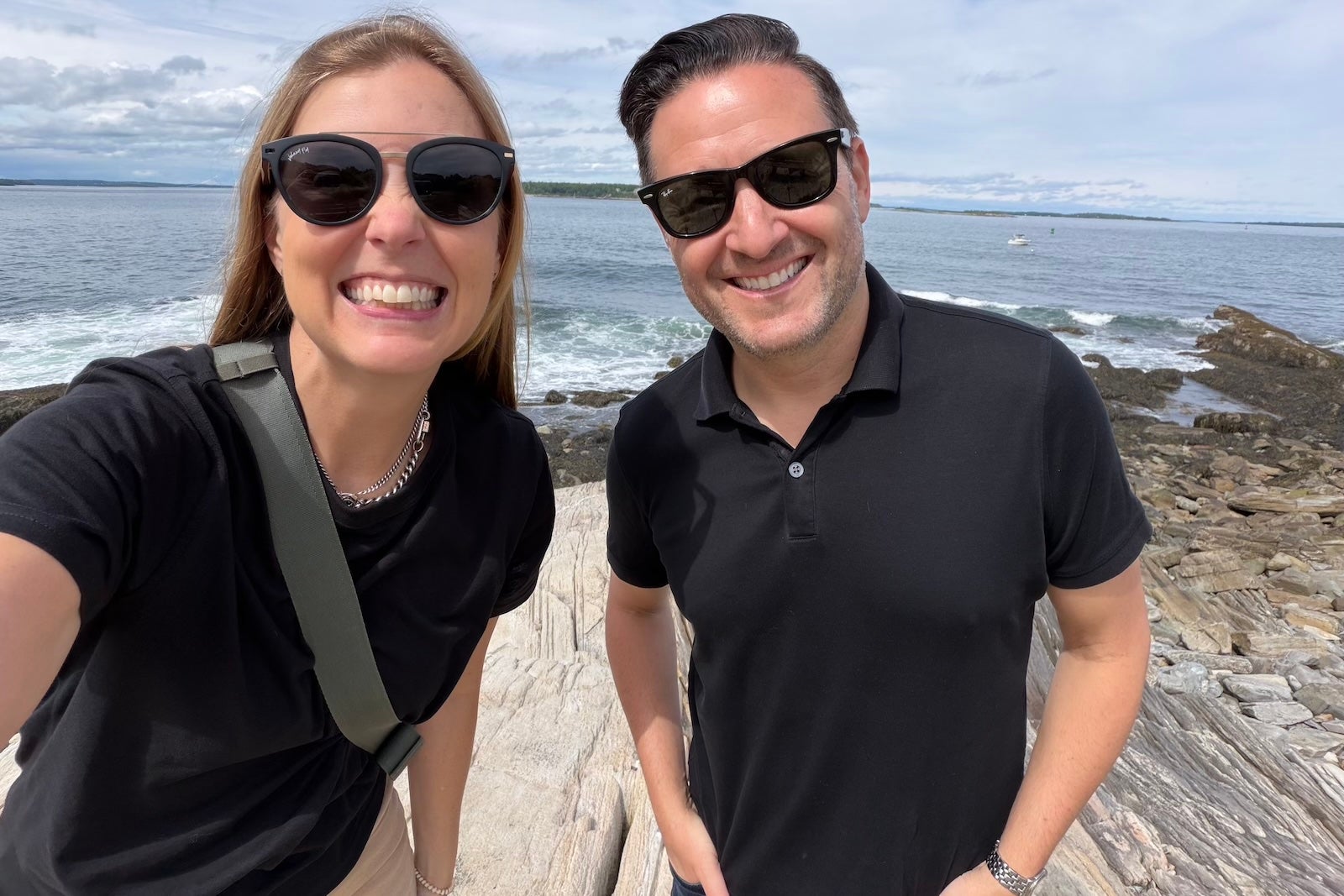
The logistics of a Maine adventure often begin with the "Fly and Drive" strategy. Because Maine’s most iconic sites are spread across a jagged coastline—the state boasts over 3,400 miles of tidal shoreline, more than California—a car is a non-negotiable asset. Summer traveled from the heat of Houston, while Eric flew in from Los Angeles. By booking their airfare through AmexTravel.com and the Amex Gold Card, they tapped into the 3x Membership Rewards points multiplier on flights. In the world of credit card points and miles, Membership Rewards are often valued at roughly 2.0 cents each by industry experts, meaning a 3x return effectively equates to a 6% "rebate" toward future travel.
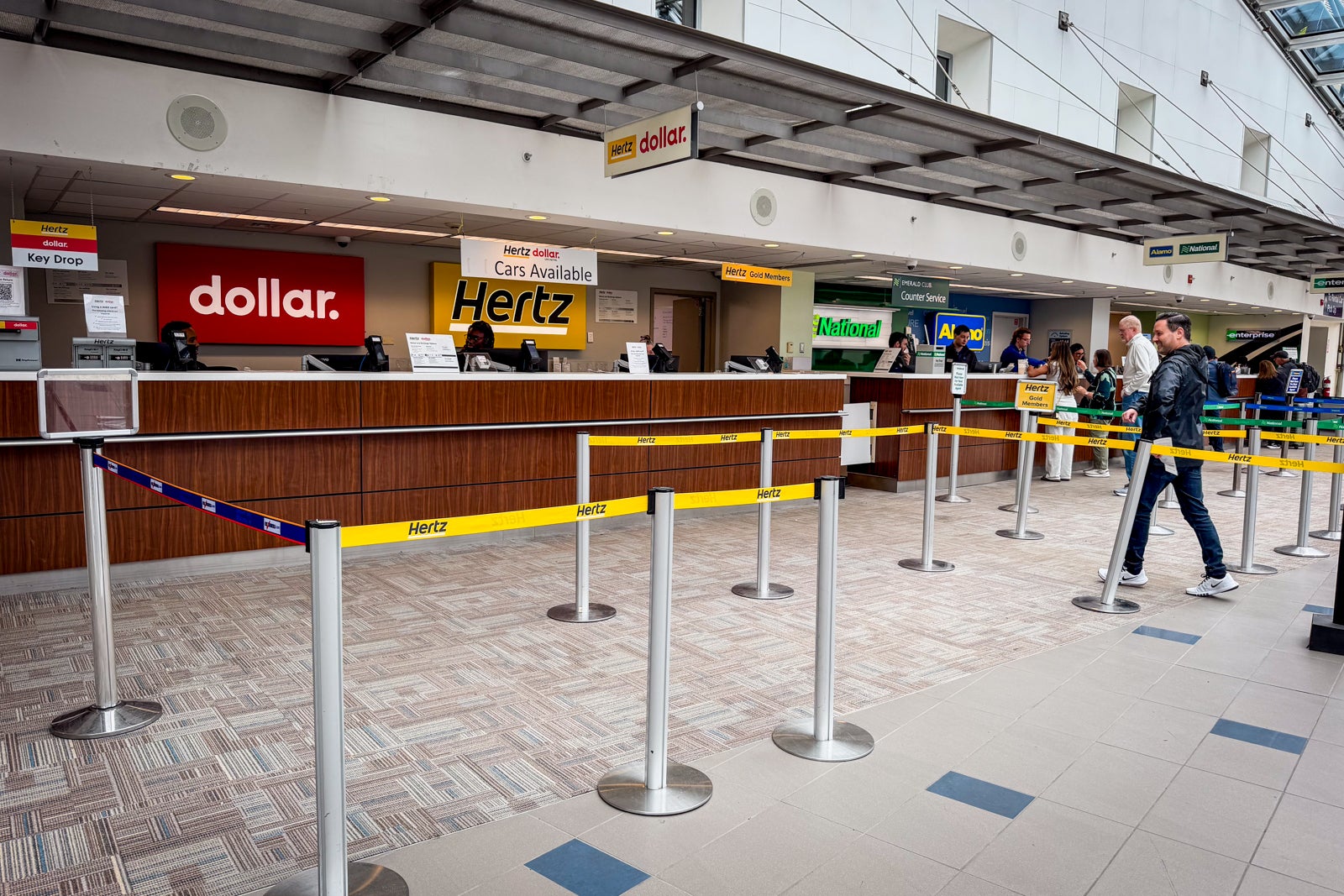
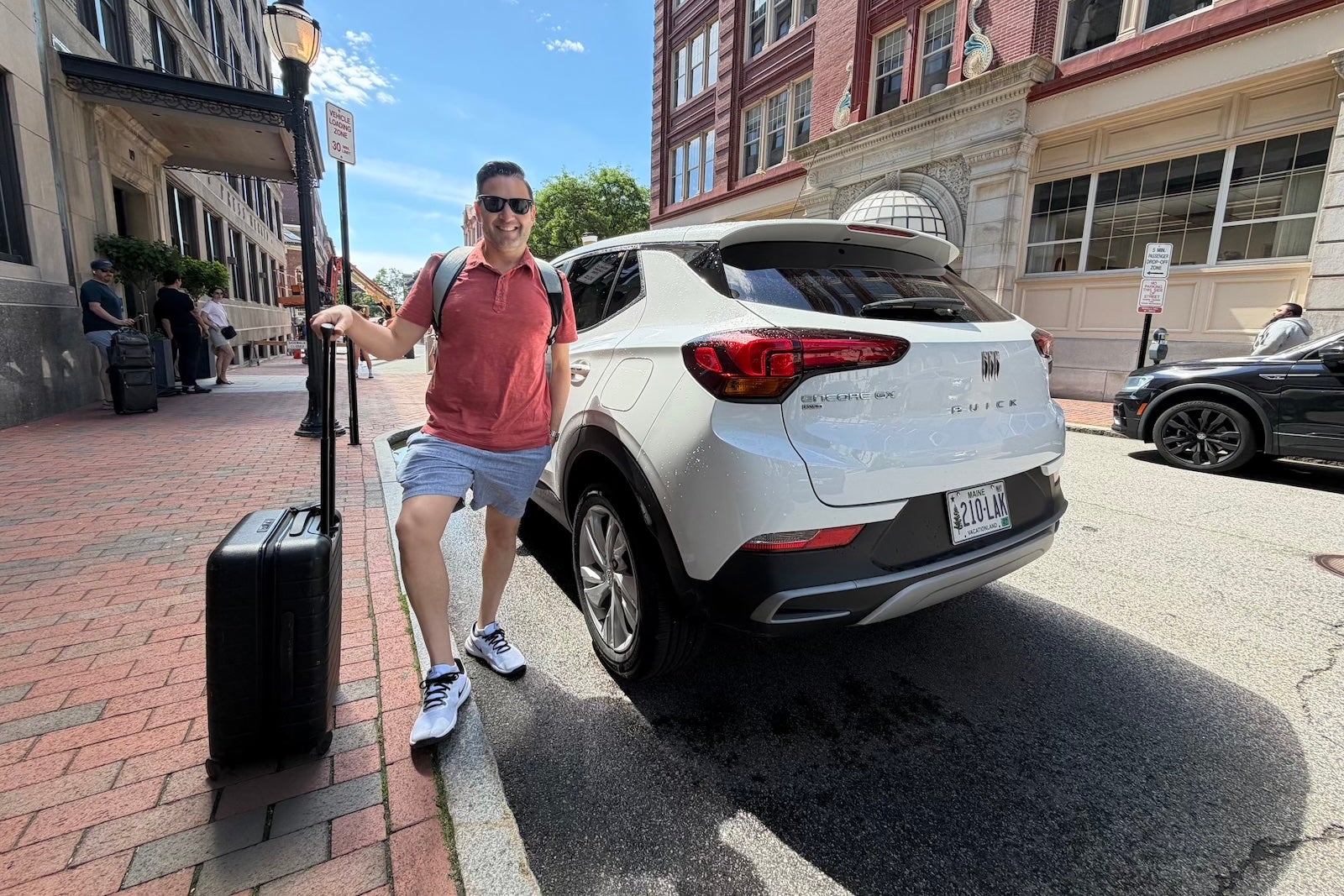
Upon arrival at Portland International Jetport (PWM), the duo moved to the next phase of the card’s utility: ground transportation. A new perk of the Amex Gold Card is the inclusion of complimentary Hertz Five Star status (enrollment required). In the competitive world of car rentals, where inventory can be tight during peak New England summers, status is a critical hedge against long lines and basic vehicle assignments. Eric’s status facilitated a seamless upgrade from a compact car to a Buick Encore SUV. This upgrade provided the necessary clearance and comfort for navigating the winding, often salt-crusted roads of the Midcoast. Furthermore, by prepaying for the reservation through the Amex portal, they earned 2 points per dollar, further padding their rewards balance before the first lobster roll was even ordered.
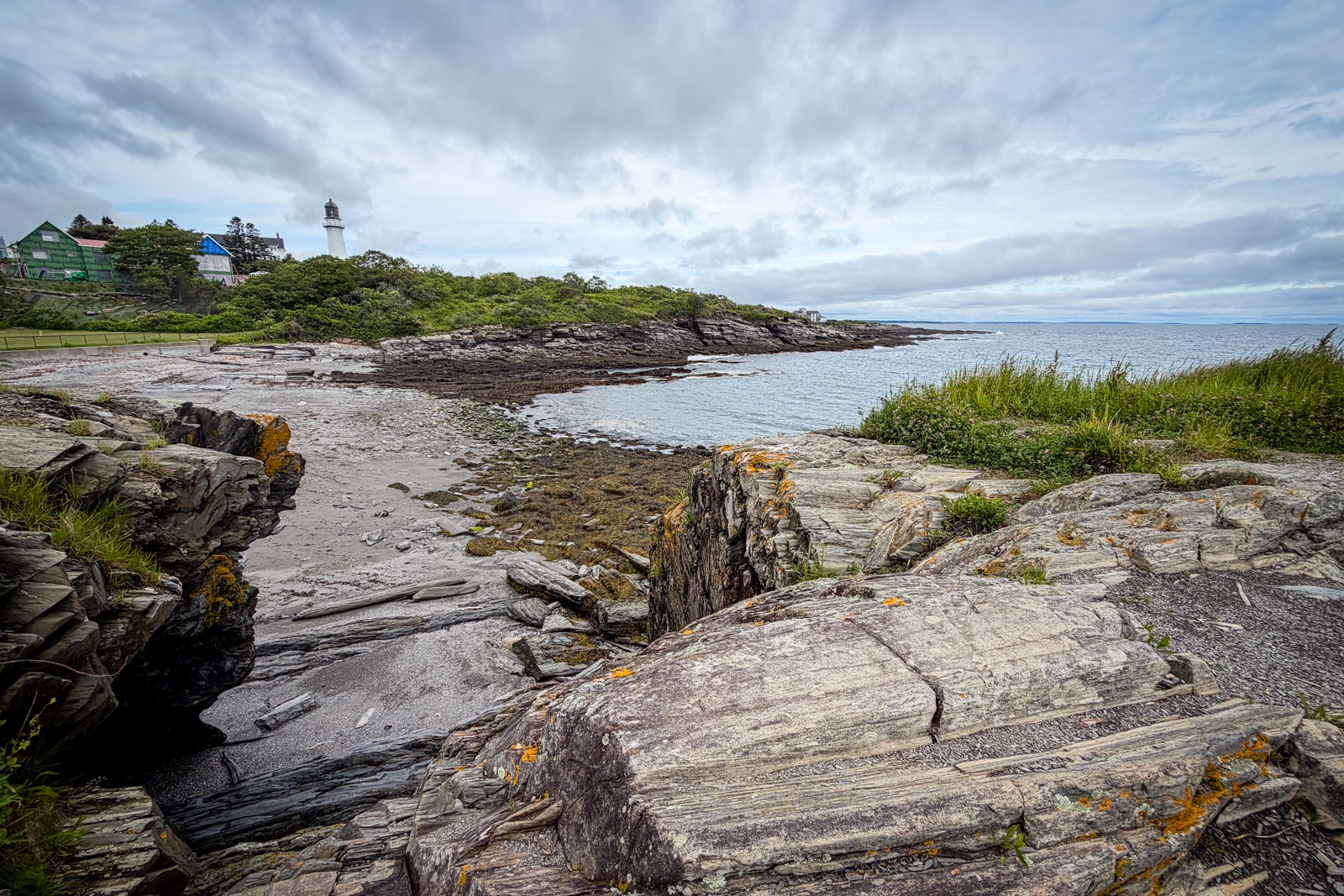
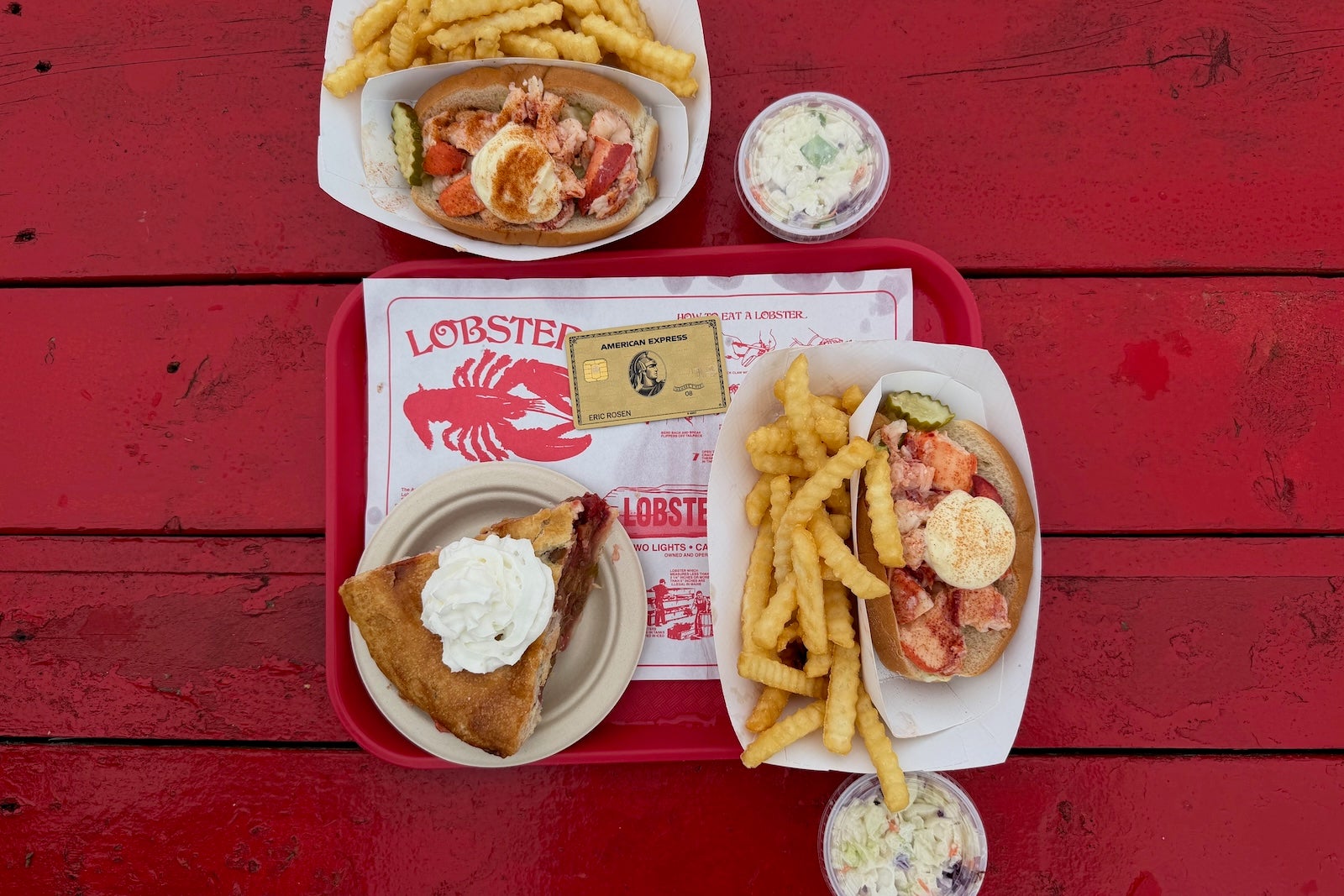
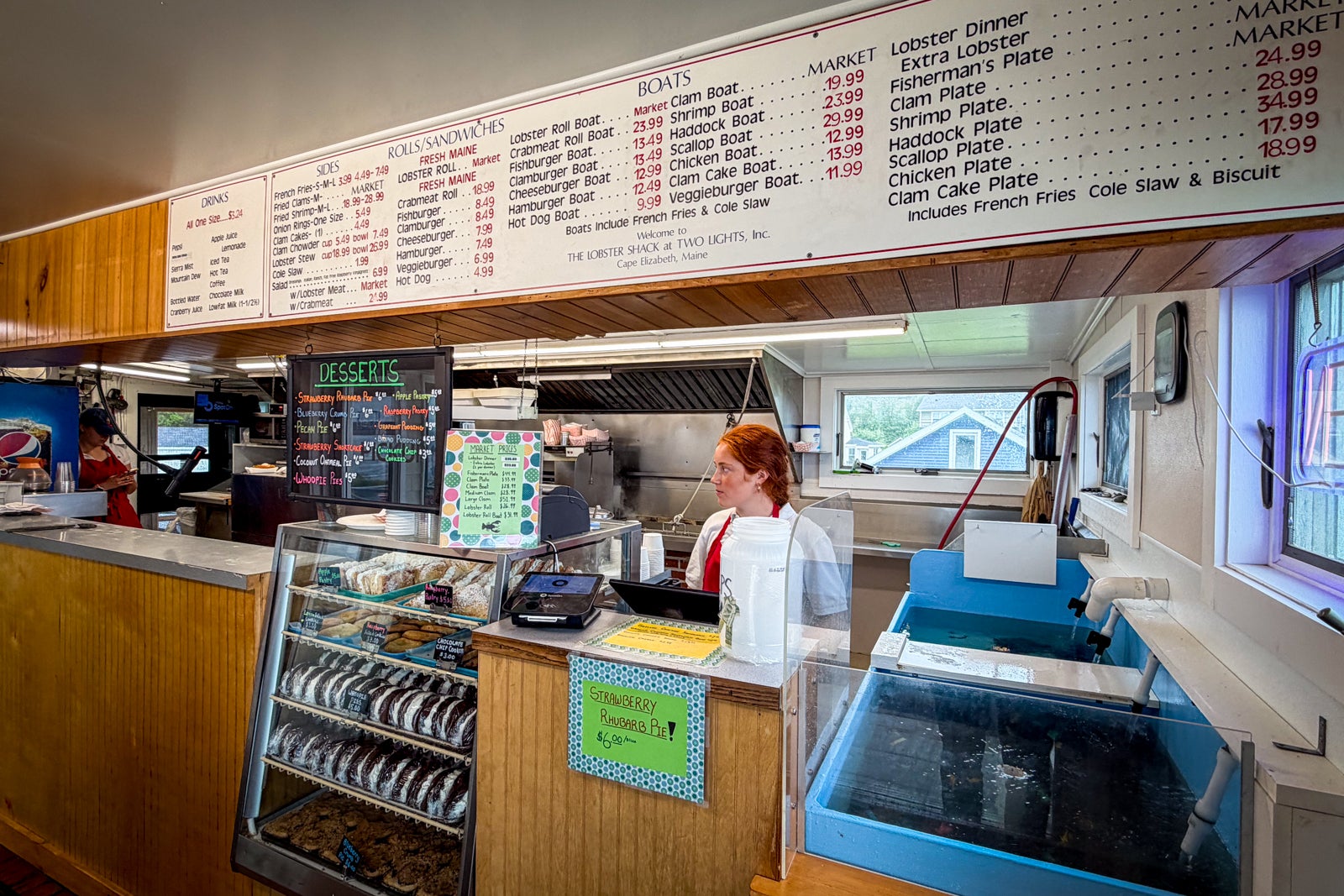
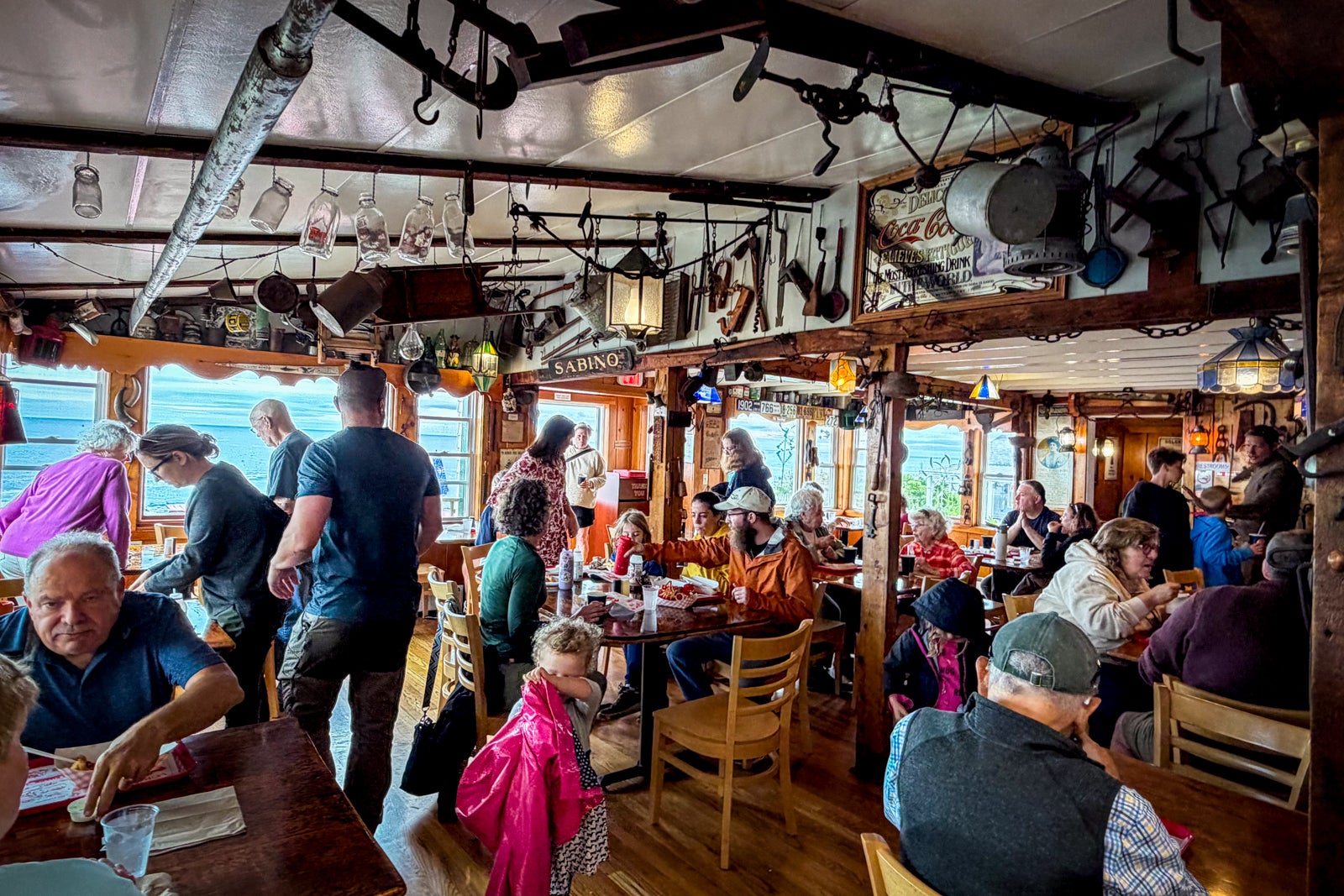
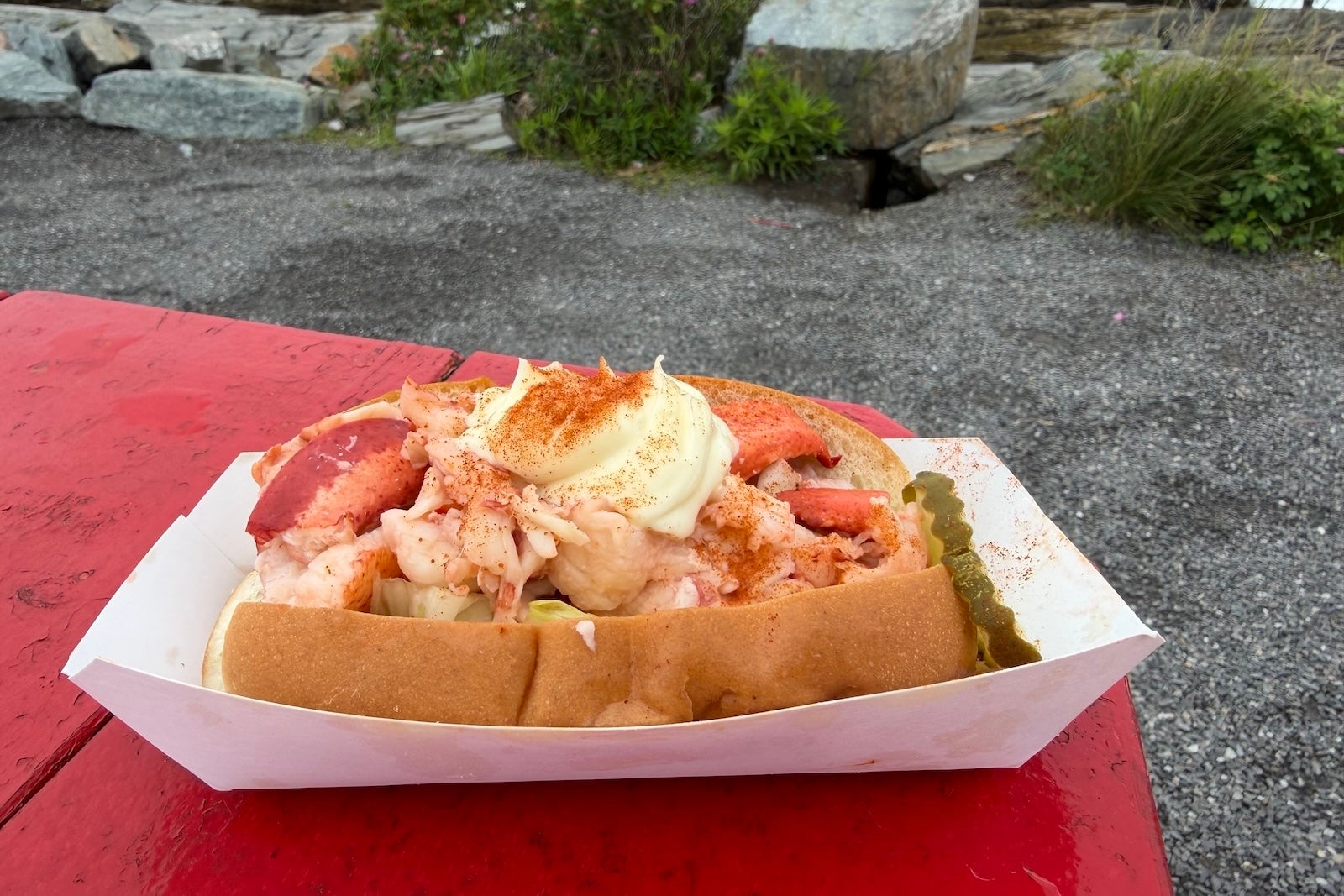
The trip officially commenced not in the city center, but 20 minutes south at Two Lights State Park in Cape Elizabeth. Named for the twin lighthouses built in 1828 to guide mariners into Portland Harbor, the park represents the rugged, rocky beauty that defines the "Pine Tree State." The primary draw here, aside from the crashing Atlantic surf, is the Lobster Shack at Two Lights. An area institution, the shack offers a sensory overload of salt air and steaming seafood. Here, the Amex Gold’s most famous feature—the 4x multiplier on dining—came into play. With a cap of $50,000 in annual spending at restaurants worldwide (then 1x), the card is designed for high-frequency diners. Eric and Summer indulged in the quintessential Maine lunch: lobster rolls heaped with fresh claw and tail meat, finished with a dollop of mayo and a dash of Old Bay seasoning. They rounded out the meal with a whoopie pie, Maine’s official state treat, consisting of two chocolate cake-like rounds sandwiched around a creamy filling.
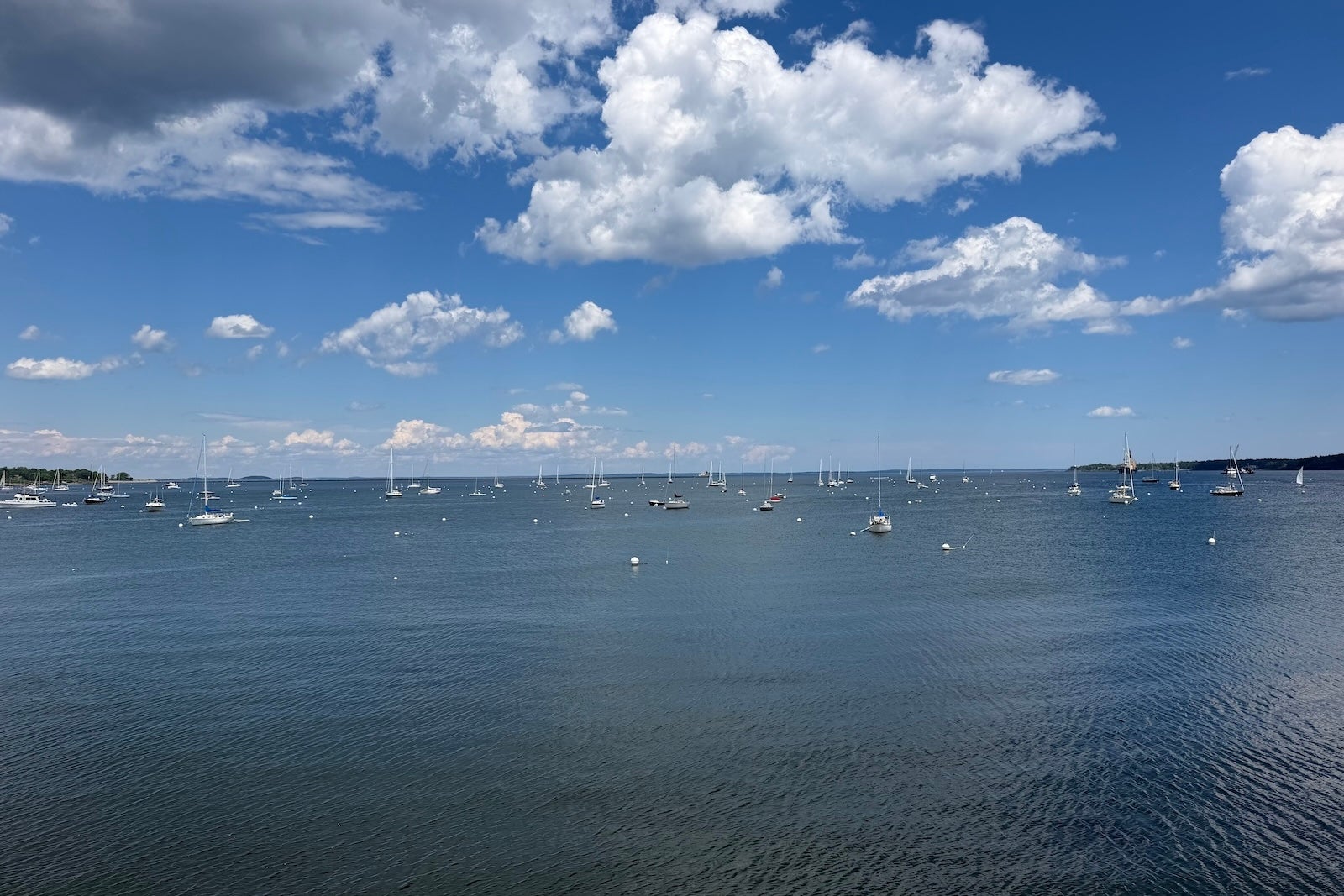
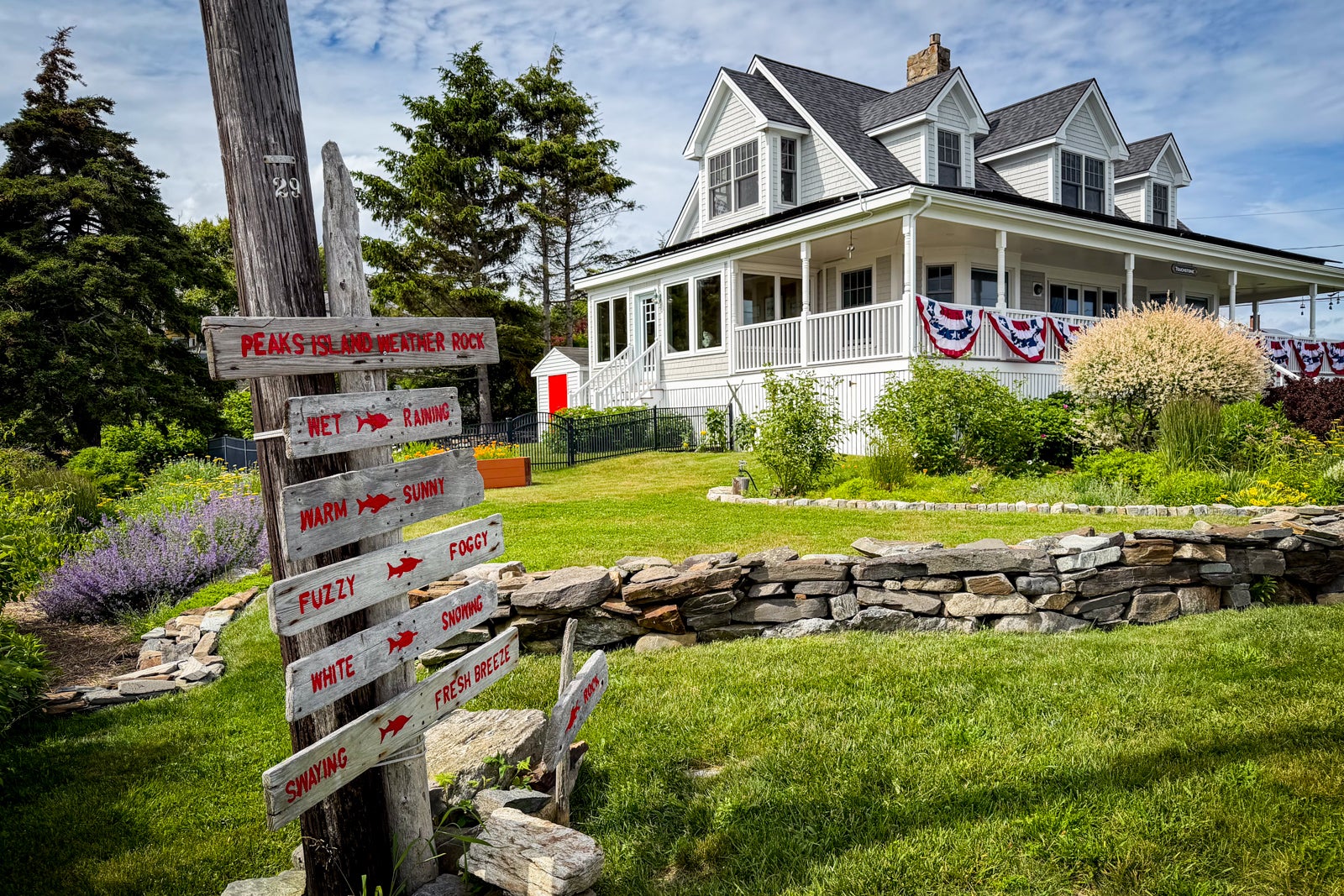
Transitioning from the mainland to the islands is a vital part of the Portland experience. The Casco Bay Lines ferry, a lifeline for the "Calendar Islands," transported the pair to Peaks Island. Only a 15-minute ride from the bustling Old Port, Peaks Island feels worlds away with its "sleepy" atmosphere and narrow lanes. Renting bicycles is the preferred method of exploration here. The four-mile loop around the island offers views of the "Umbrella Cover" museum and various World War II-era fortifications. After their ride, a stop at Jones Landing for refreshments allowed them to earn more points while watching the ferry dock—a reminder that the card’s dining benefits apply to casual bars and seaside eateries just as easily as fine dining.

For their home base, the travelers selected The Press Hotel, an Autograph Collection property located in the former headquarters of the Portland Press Herald. The hotel is a masterclass in adaptive reuse, featuring 110 rooms that pay homage to 1920s journalism. The lobby’s "Typewriter Wall" and "Letterpress Art" installations provide a sophisticated backdrop for travelers. Because the hotel is part of American Express’s "The Hotel Collection," booking a stay of two nights or more yielded significant dividends. This program is a middle-tier luxury offering, sitting just below the "Fine Hotels + Resorts" program available to Platinum cardmembers. Benefits included a $100 on-property credit for eligible charges and a room upgrade upon arrival.
By adding their Marriott Bonvoy numbers to the reservation, Summer and Eric were able to "double-dip"—earning Marriott points and enjoying Summer’s Platinum Elite benefits (like late checkout) while still utilizing the Amex-specific credits. The $100 credit effectively covered their breakfast at Union, the hotel’s signature restaurant. Union focuses on "enhanced local" cuisine, utilizing honey from the hotel’s own rooftop hives. The credit also absorbed the costs of overnight valet parking, a significant expense in Portland’s dense downtown.
As evening fell, the focus shifted to Portland’s nationally recognized food scene. In 2018, Bon Appétit named Portland its "Restaurant City of the Year," and the momentum has only increased. The duo visited Wayside Tavern, located in an 1881 Italianate mansion. The restaurant is part of the Resy network, a dining platform acquired by American Express in 2019. The Amex Gold Card now offers up to $100 in annual Resy statement credits (split into two $50 increments every six months, with enrollment required). This benefit is a strategic move by Amex to integrate its financial products with the lifestyle habits of its users. The meal at Wayside—featuring broiled oysters, scallops with caviar, and halibut in brown butter—was partially subsidized by this credit, making the high-end experience more accessible.
The second day of the trip emphasized the "road" in road trip. Before heading northeast, a stop at Whole Foods for supplies highlighted the card’s 4x supermarket multiplier (up to $25,000 per year, then 1x). For travelers, this is an often-overlooked way to accumulate points on snacks, beverages, and regional specialties. The drive took them toward Rockland, a town that has successfully transitioned from a gritty fishing port to a sophisticated arts destination. Rockland is home to the Farnsworth Art Museum, which houses one of the nation’s most important collections of Maine-inspired art. The museum is particularly famous for its Wyeth Center, dedicated to the works of N.C., Andrew, and Jamie Wyeth. This cultural stop provided a deeper context to the landscapes they had been driving through, showing how the Maine light has captivated American masters for over a century.
Lunch in Rockland was at Archer’s on the Pier, where the duo continued their "lobster tour." Summer opted for a lobster-topped salad, while Eric chose a classic lobster cocktail. The sheer abundance of the crustacean—Maine fishermen landed over 93 million pounds of lobster in 2023—ensures that even "casual" meals are of the highest quality.
On the return leg to Portland, the pair stopped in Freeport. While famous as a shopping outlet destination, Freeport’s crown jewel is the L.L. Bean Flagship Store. Open 24 hours a day, 365 days a year, the store is a pilgrimage site for outdoor enthusiasts. A quick stop at a local Dunkin’ for "road fuel" (a Berry-Açaí Refresher and an Oreo Cloud Latte) triggered another new Amex Gold benefit: the up to $7 monthly Dunkin’ statement credit (up to $84 annually, enrollment required). While a small amount compared to the hotel credits, it reflects Amex’s push to provide "everyday" value to cardholders.
The journey concluded with a final, celebratory dinner at Central Provisions. Located in a historic 19th-century storehouse, the restaurant specializes in small plates and has been a James Beard Award finalist. Again utilizing the Resy credit, the group (joined by a local friend) sampled bluefin tuna crudo, Maine peekytoe crab, and suckling pig. This final meal underscored the card’s value proposition: by the end of the trip, the combined statement credits from Resy, Dunkin’, and The Hotel Collection, plus the value of the thousands of points earned on flights, dining, and groceries, had largely offset the card’s $325 annual fee.
Ultimately, the trip proved that for the modern traveler, the right financial tools do more than just facilitate transactions; they enhance the experience. From the rugged cliffs of Cape Elizabeth to the refined dining rooms of Portland, Maine remains a premier destination for those who appreciate the intersection of natural beauty and culinary excellence. For Summer and Eric, it was a reminder that even after twenty years of global travel, some of the most rewarding adventures are those found just a few hours’ drive along a familiar, rocky coast.
