
 By Titik Puspa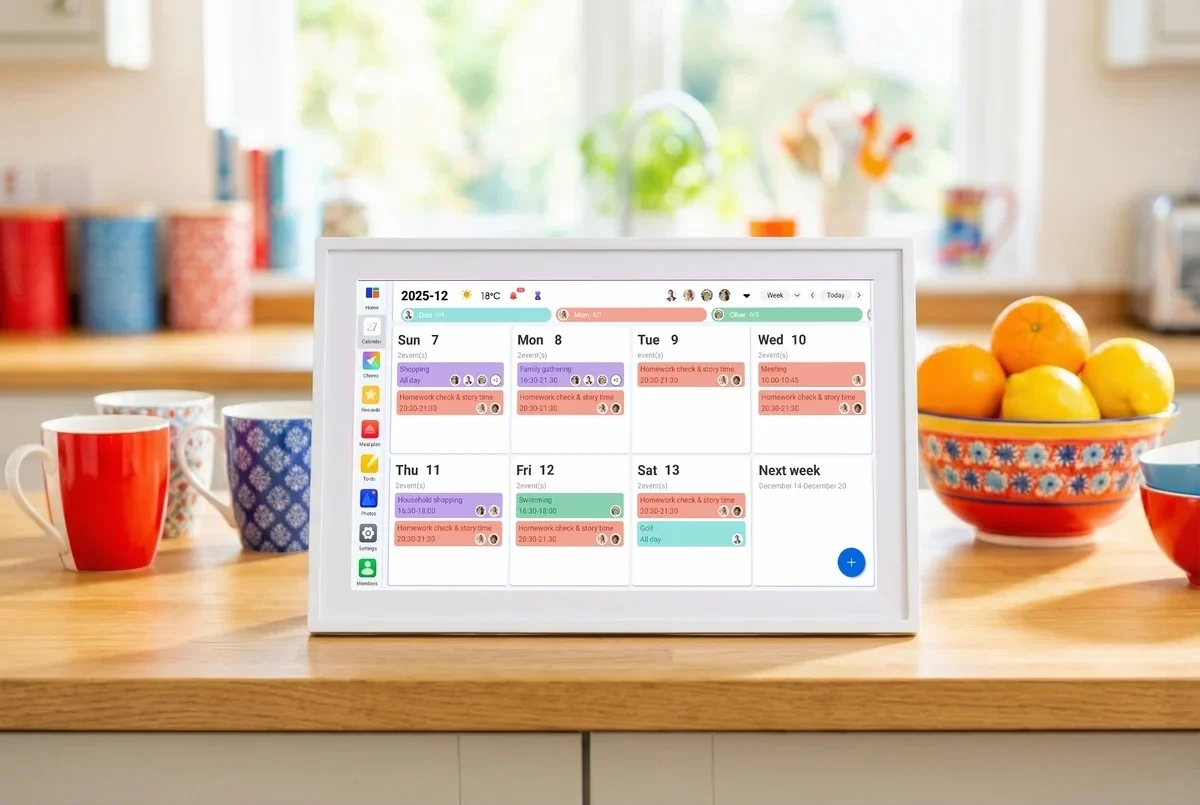
As the familiar flurry of back-to-school season descends, often marked by a palpable shift in household rhythms and a renewed demand for organizational prowess, the humble paper calendar frequently buckles under the weight of escalating demands. The intricate tapestry of modern family life, woven with threads of professional obligations, academic schedules, crucial appointments, extracurricular pursuits, and the perennial cycle of household chores, often proves too complex for traditional analog systems. This is precisely the void that Linkdaze, a pioneering smart digital calendar, seeks to fill. More than just a digital display, Linkdaze is a purpose-built touchscreen tablet meticulously engineered not for the solitary user, but as a central hub for comprehensive household organization. Launched in December, this innovative device arrives in two sizes, 15.6-inch and 10.1-inch, offering a degree of flexibility to accommodate varying spatial constraints and aesthetic preferences within a home.
One of Linkdaze’s most significant advantages lies in its robust calendar compatibility, a critical feature for modern, multi-platform families. In an era where individuals and families often leverage disparate digital ecosystems, Linkdaze seamlessly synchronizes calendars from a broad spectrum of popular services. This includes, but is not limited to, Google Calendar, Apple’s iCloud, Microsoft Outlook, Yahoo Calendar, and Cozi, a dedicated app renowned for its family organization capabilities. This cross-platform integration is a game-changer, eliminating the need for every family member to abandon their preferred scheduling tool or the often-frustrating task of manual data entry across multiple platforms. Instead, Linkdaze acts as a unifying aggregator, drawing together diverse schedules into a single, coherent view. To further enhance clarity and distinguish between individual commitments, the system employs a sophisticated color-coding mechanism, allowing for at-a-glance identification of which family member is associated with each event. This visual distinction is invaluable for quickly grasping the week’s or day’s overall landscape and identifying potential conflicts or overlaps.
Beyond its core calendaring functionality, Linkdaze extends its organizational reach to encompass a wide array of family management tasks. The platform is designed to be a dynamic tool for managing chores and associated rewards, fostering responsibility and accountability among younger family members. It also facilitates efficient meal planning, a common pain point for busy households, and streamlines the creation of shopping lists, directly linked to planned meals. Furthermore, Linkdaze can serve as a digital photo frame, transforming the organizational hub into a warm, personalized display of cherished family memories, adding a touch of domestic comfort to its technological utility.
However, the feature that truly sets Linkdaze apart and positions it as a standout innovation in the crowded smart display market is its AI-powered meal planner, complemented by the intuitive "Snap-to-Sync" technology. This revolutionary approach to meal planning liberates users from the tedious process of manually inputting every ingredient and recipe. Imagine the ease of simply taking a photograph of a cherished handwritten recipe card passed down through generations, or capturing an image of your child’s school lunch menu for the week. Linkdaze’s advanced AI then intelligently interprets this visual information, seamlessly transforming it into a structured digital meal plan. Crucially, this digital plan can then be used to automatically generate a comprehensive shopping list, directly reflecting the ingredients required for the planned meals. While the concept of digital meal planning and automated shopping lists is not entirely novel, Linkdaze’s "Snap-to-Sync" feature imbues this functionality with an unprecedented level of user-friendliness and accessibility, significantly differentiating it from more rudimentary digital calendar solutions. This intelligent integration of visual input and organizational output addresses a genuine user need, saving time and reducing the cognitive load associated with meal preparation.
In a market increasingly dominated by subscription-based models, Linkdaze’s commitment to offering its core features without a recurring monthly fee is a bold and potentially disruptive strategic decision. This approach stands in stark contrast to competitors like Skylight, another prominent smart calendar brand, which typically bundles enhanced functionalities within an annual subscription. For a hardware company venturing into the competitive smart display arena, this pricing strategy represents a calculated gamble. It could serve as a powerful differentiator, attracting price-conscious consumers and those wary of ongoing expenses, or it might be perceived as a missed opportunity for recurring revenue. Nevertheless, the upfront cost of Linkdaze is notably more accessible. The 10.1-inch model is priced at an attractive $119.99, significantly undercutting Skylight’s 10-inch model, which starts at $149.99, especially when considering the latter’s mandatory subscription for full feature access. This cost-effectiveness makes Linkdaze a more attainable entry point for families seeking to upgrade their home organization systems.

The practical applications of Linkdaze extend far beyond the traditional nuclear family. It presents itself as an ideal and thoughtful gift for busy parents grappling with the perennial challenge of keeping disparate schedules harmonized. Furthermore, its utility extends to shared living environments such as college apartments, where roommates can leverage Linkdaze to meticulously coordinate chores, manage study schedules, plan communal meals, and delegate other shared household responsibilities, fostering a more harmonious and efficient cohabitation. For individuals navigating the complexities of professional life, Linkdaze can also serve as an invaluable personal assistant, helping to juggle interviews, critical deadlines, important meetings, and burgeoning story assignments, thereby bringing order to even the most demanding personal and professional lives.
The device’s journey began with its launch in December, signaling its arrival as a new contender in the home organization technology space. The availability of two screen sizes acknowledges the diverse spatial realities of modern homes, from compact apartments to spacious family residences. The 15.6-inch model offers a more expansive canvas for viewing and interacting with the various organizational modules, while the 10.1-inch option provides a more discreet yet equally functional solution. This thoughtful consideration of user environment underscores Linkdaze’s user-centric design philosophy.
Analyzing the competitive landscape, Linkdaze’s no-subscription model is a significant departure from industry norms. Many smart home devices, including digital photo frames and smart displays, have increasingly adopted subscription tiers to monetize ongoing software development, cloud services, and premium features. Skylight, as mentioned, exemplifies this trend with its annual subscription offering enhanced capabilities. This move by Linkdaze suggests a confidence in the intrinsic value of its core product and a strategic decision to compete on upfront value and feature accessibility rather than recurring revenue streams. This could resonate strongly with consumers who are experiencing subscription fatigue across multiple services. The long-term success of this strategy will likely depend on Linkdaze’s ability to consistently deliver value through its core offering and potentially introduce new hardware iterations or add-on services that do not necessitate a mandatory subscription for essential functionality.
The initial pricing structure further solidifies Linkdaze’s position as an accessible solution. At $119.99 for the 10.1-inch model, it offers a compelling alternative to competitors that either require a higher initial investment or necessitate ongoing subscription payments. The 15.6-inch model, while not explicitly priced in the provided text, can be inferred to offer a commensurate value proposition for users seeking a larger display. This affordability is particularly attractive for budget-conscious families or individuals looking to implement smart organization solutions without a substantial financial commitment.
The AI-powered meal planning feature, with its "Snap-to-Sync" capability, represents a significant technological leap in simplifying a universally challenging household task. Traditional meal planning often involves meticulous recipe research, ingredient listing, and manual shopping list creation, a process that can be time-consuming and prone to error. By allowing users to photograph existing recipes or menus, Linkdaze leverages advanced optical character recognition (OCR) and artificial intelligence to parse this information and translate it into actionable digital plans. This not only saves time but also encourages greater engagement with home cooking and healthier eating habits by making the planning process more fluid and less burdensome. The potential for Linkdaze to learn user preferences over time and offer personalized meal suggestions further enhances its value proposition as a smart assistant.
In conclusion, Linkdaze emerges as a thoughtfully designed and strategically positioned smart digital calendar that addresses the complexities of modern household management. Its emphasis on cross-platform compatibility, comprehensive organizational features, innovative AI-powered meal planning, and a refreshingly subscription-free model makes it a compelling option for a wide range of users. Whether it’s taming the back-to-school rush, coordinating shared living spaces, or simply bringing order to a busy individual’s life, Linkdaze offers a practical, accessible, and technologically advanced solution. Its potential to disrupt the smart display market through its unique value proposition is undeniable, making it a product worth watching for anyone seeking to simplify and enhance their daily lives. The device, first published on August 20, 2026, represents a forward-thinking approach to home technology, aiming to empower users with greater control and efficiency in managing their increasingly demanding schedules.
