
 By admin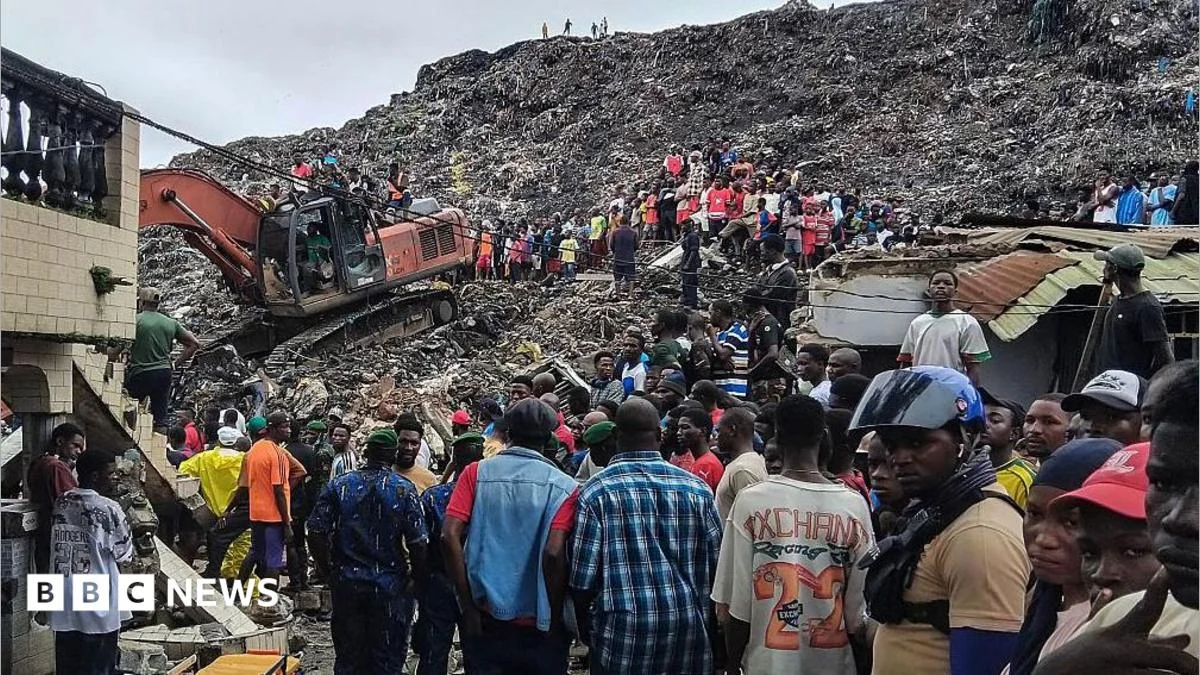
The collapsed rubbish heap, located in the Dar-es-Salam area of Conakry, unleashed a torrent of refuse onto unsuspecting residents as they slept. The disaster struck around 02:00 local time, following an overnight period of intense rainfall. This torrential downpour, common during Guinea’s rainy season, is believed to have saturated the already unstable waste mound, triggering its devastating collapse. The unstable nature of such informal waste disposal sites, particularly in areas with inadequate infrastructure, has long been a concern for environmental experts and urban planners.
In the immediate aftermath of the tragedy, the Guinean government swiftly deployed "significant" resources and personnel, including members of the military, to the affected site. Their primary objective is to conduct an exhaustive search for survivors amidst the treacherous debris. The scale of the collapse is immense, with a vast expanse of garbage and debris now covering the residential area. Rescuers, working tirelessly under immense pressure, have been observed using heavy machinery, including excavators, to meticulously sift through the mountain of scattered rubbish. The scene is one of devastation, with twisted metal, broken building materials, and household items buried beneath layers of waste, making the search for life a painstaking and emotionally taxing endeavor.
The human toll of this disaster is heartbreaking. Among the injured are six individuals who sustained serious wounds, requiring immediate medical attention. The full extent of the casualties is still being assessed, and there are grave fears that the death toll will unfortunately rise as rescue operations continue. The profound personal tragedies are already becoming apparent. One woman, speaking to local media in the midst of her grief, revealed that all five of her children had perished in the collapse. Such accounts paint a stark and devastating picture of the human cost of this preventable disaster.
The Dar-es-Salam neighborhood, like many informal settlements in Conakry, is characterized by its high population density and proximity to essential services, including waste disposal sites. This proximity, while often a matter of economic necessity for residents, exposes them to significant environmental and safety risks. The waste site in question is a major facility, receiving a substantial volume of the city’s refuse. The lack of proper containment, engineering, and regular maintenance of such sites can lead to the accumulation of massive, unstable mounds of waste, posing a constant threat to surrounding communities, especially during periods of heavy rainfall.
The Guinean Prime Minister, Mamadou Oury Bah, visited the scene to personally assess the gravity of the situation and to oversee the ongoing search and rescue efforts. His presence underscores the national significance of the disaster and the government’s commitment to providing support and aid to the affected families. The Prime Minister’s visit also serves as a crucial opportunity to engage with local communities, listen to their concerns, and begin the process of planning for long-term recovery and rebuilding.
Neighborhood leader Lancine Sylla, speaking to AFP news agency prior to the latest official figures, had already expressed grave concerns about the potential for a high death toll. "We have pulled out 18 bodies that were taken to the morgue," he stated, providing an early indication of the scale of the tragedy unfolding on the ground. His words, delivered with evident distress, reflected the desperate efforts of local residents who were among the first responders, attempting to rescue their neighbors and loved ones from the buried homes.
This is not the first time that the Dar-es-Salam waste site has been the scene of a fatal incident. In 2017, a similar landslide at the same location claimed the lives of 10 people. This chilling precedent serves as a stark reminder of the recurring dangers associated with inadequate waste management practices and the persistent failure to address these risks despite previous tragedies. The repetition of such a catastrophic event raises serious questions about the effectiveness of past interventions and the urgency required to implement sustainable solutions.
The Dar-es-Salam waste site, a sprawling expanse of discarded materials, serves as a stark symbol of the environmental challenges facing many rapidly urbanizing African cities. Conakry, with its growing population, generates vast quantities of waste daily. The current infrastructure and management systems are demonstrably struggling to cope with this volume. The informal nature of much of the waste collection and disposal means that hazardous materials can be mixed with general refuse, further exacerbating the environmental impact and health risks. The lack of engineered landfills, proper sorting facilities, and robust recycling programs contributes to the formation of these unstable, hazardous mounds.
The economic implications of such disasters are also significant. Beyond the immediate loss of life and property, the disruption to daily life, the cost of emergency response, and the long-term rebuilding efforts place a considerable strain on the nation’s resources. Furthermore, the health consequences for survivors and the surrounding community, exposed to potential toxic leachate from the decomposing waste, can be long-lasting.
Expert analysis of similar events in other developing nations consistently points to a confluence of factors: rapid urbanization outpacing infrastructure development, inadequate regulatory frameworks, insufficient investment in waste management technologies, and a lack of public awareness regarding waste disposal and its environmental consequences. Dr. Aminata Diallo, an environmental scientist specializing in urban sustainability in West Africa, commented on the situation, stating, "This tragedy is a symptom of a larger systemic problem. The unmanaged growth of waste sites, especially in close proximity to residential areas, is a ticking time bomb. Guinea, like many of its neighbors, needs to prioritize modern waste management strategies, including secure landfill design, waste-to-energy initiatives, and robust public health monitoring."
The international community has often provided assistance in disaster relief efforts in developing nations. It is anticipated that calls for international aid may be forthcoming to support Guinea in its recovery and reconstruction phases. This aid could encompass financial assistance, technical expertise in disaster management and urban planning, and resources for rebuilding affected communities. However, the long-term solution will undoubtedly require sustained national commitment and investment from the Guinean government.
The political ramifications of this disaster are also significant. The government will face increased pressure to demonstrate accountability and to implement tangible reforms in its waste management policies. The repeated nature of these fatal incidents suggests a need for a fundamental re-evaluation of the current approach, moving beyond ad-hoc responses to the implementation of comprehensive, long-term strategies. This includes investing in the training of waste management professionals, establishing stricter environmental regulations, and promoting public-private partnerships to develop innovative waste management solutions.
The resilience of the Guinean people will undoubtedly be tested in the coming weeks and months as they grapple with the aftermath of this devastating event. The stories of loss and survival will continue to emerge, underscoring the human dimension of this environmental catastrophe. The focus now shifts to the immediate humanitarian response, the painstaking efforts to locate any remaining survivors, and the long and arduous process of rebuilding lives and communities. However, the memory of this tragedy must serve as a powerful catalyst for profound and lasting change in how Guinea manages its waste, ensuring that such a preventable disaster never recurs. The urgent need for a paradigm shift in urban planning and environmental stewardship has never been more apparent.
