
 By admin
In the highly competitive landscape of consumer credit, few issuers command as much attention as Chase. For savvy travelers and reward enthusiasts, the acquisition of a Chase credit card is often a cornerstone of a long-term financial strategy. The primary driver of this interest is the welcome bonus—a significant infusion of points or cash back granted to new cardholders who meet specific spending requirements within their first few months of account ownership. Because these offers are dynamic, fluctuating based on market competition, seasonal trends, and internal corporate targets, understanding the historical ebb and flow of these bonuses is essential. Applying at the right moment can mean the difference between a standard reward and a record-breaking windfall that provides thousands of dollars in travel value.

To navigate this ecosystem effectively, one must first understand the underlying mechanics of Chase’s rewards currency: Ultimate Rewards. These points are widely considered among the most valuable in the industry due to their flexibility. They can be redeemed for travel through the Chase portal at an elevated rate or transferred to a variety of high-value airline and hotel partners, including United Airlines, Southwest, and Hyatt. However, Chase is also famous for its "5/24 rule," an unofficial but strictly enforced policy that generally prevents applicants from being approved for a new Chase card if they have opened five or more personal credit cards from any issuer within the last 24 months. This scarcity makes every application "slot" precious, necessitating a data-driven approach to timing your applications.
The Entry-Level Powerhouses: Chase Freedom Suite
The Chase Freedom Flex and Chase Freedom Unlimited serve as the gateway into the Chase ecosystem. Both are no-annual-fee cards that ostensibly earn cash back, but for those who also hold a premium Sapphire or Ink card, that "cash" can be converted into high-value Ultimate Rewards points.
The Chase Freedom Flex is characterized by its 5% rotating quarterly categories (on up to $1,500 in combined purchases after activation). Historically, the "standard" offer for this card has been a $200 bonus after spending $500 in the first three months. However, Chase frequently enriches this with "plus" offers. From October 2022 to March 2023, the best offer seen included the $200 bonus plus a 5% grocery store bonus for the first year (on up to $12,000 spent). This effectively added $600 in potential value. Experts suggest waiting to apply until the offer includes such a secondary earning category, as the base $200 offer is almost always available.
The Chase Freedom Unlimited offers a more simplified 1.5% flat-rate earning on most purchases. Its offer history is more volatile than the Flex. In early 2026, the card saw a peak offer of a $300 bonus for the same $500 spend. Another highly lucrative version of the offer, seen in late 2023, was "unlimited double cash back" for the first year. For high-spend individuals, this "double cash back" offer can far outweigh a flat $200 or $300 bonus. If you anticipate spending more than $20,000 in a year, the double cash back or the 5% grocery bonus variants are the optimal times to pull the trigger.
The Sapphire Dynasty: Travel Rewards for the Masses
The Chase Sapphire Preferred and Chase Sapphire Reserve are the crown jewels of the personal card lineup. The Sapphire Preferred, with its accessible $95 annual fee, is often the first "premium" card a traveler acquires. Its standard bonus usually sits at 60,000 points, but it has a history of spectacular limited-time surges. In both June 2026 and April 2025, the offer reached a staggering 100,000 points after a $5,000 spend. Based on valuations of 2.05 cents per point, a 100,000-point bonus is worth roughly $2,050. The strategic recommendation is clear: if the offer is at 60,000, wait; if it hits 75,000 or higher, it is a strong time to apply.
For those seeking luxury, the Chase Sapphire Reserve offers lounge access, a $300 annual travel credit, and 1.5-cent-per-point redemption value in the Chase portal. Its annual fee is higher, but so is its bonus potential. While the standard offer often hovers around 60,000 points, it reached a peak of 150,000 points in early 2026. This massive offer required a $6,000 spend and provided over $3,000 in theoretical value. Given the 48-month rule—which dictates that you cannot receive a new Sapphire bonus if you have received one on any Sapphire card in the last four years—timing this application is perhaps the most critical decision in a cardholder’s journey.

The Rise of the Business Reserve
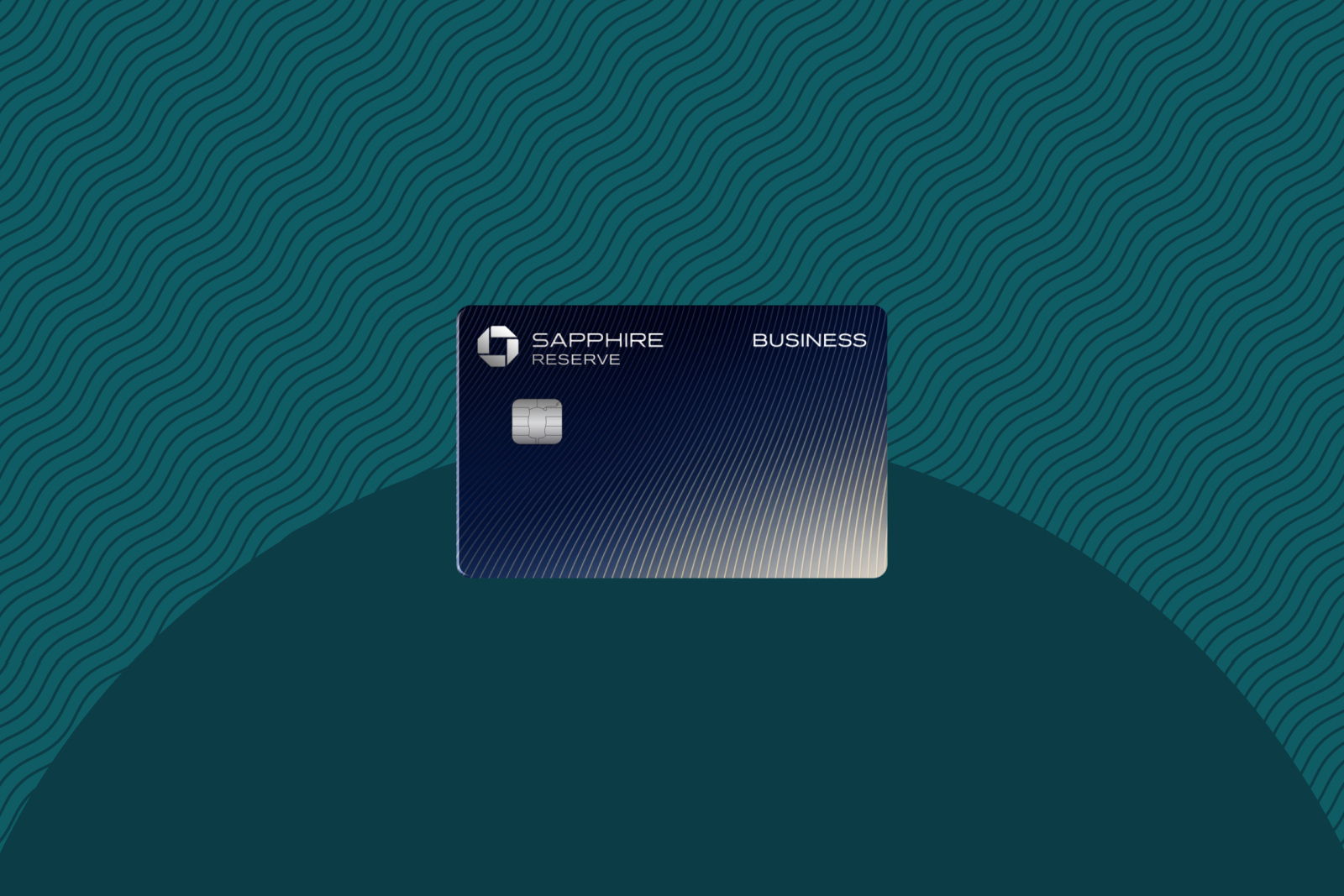
A recent and powerful addition to the lineup is the Chase Sapphire Reserve for Business. Tailored for high-revenue business owners, this card carries a $795 annual fee but balances it with massive welcome offers. The current and highest-ever offer recorded is 200,000 bonus points after a $30,000 spend in the first six months. This is an elite-tier offer that targets businesses with significant operating expenses, providing $4,100 in value. For business owners who can meet the spend, the current 200,000-point threshold represents the gold standard for business rewards.
The Ink Business Suite: Scaling for Small Business
The Ink Business cards are often overlooked by casual users but are beloved by points "maximalists." Because these cards generally do not count toward your 5/24 status (though you must be under 5/24 to be approved), they are essential for growing a points balance.
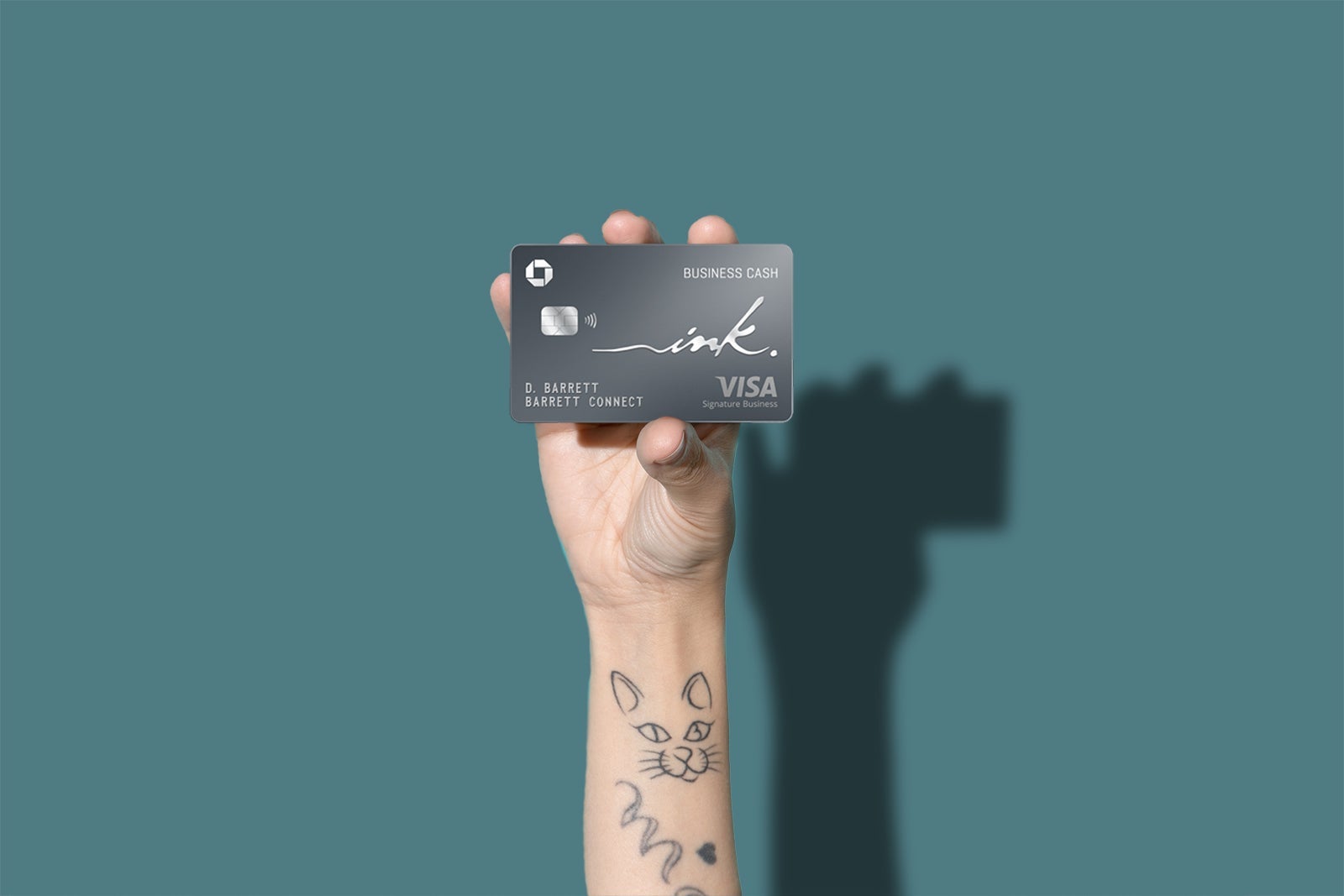
The Ink Business Cash and Ink Business Unlimited are the no-annual-fee workhorses of the business world. Both have recently seen their highest-ever offers of $1,000 (100,000 points) after spending $8,000 in the first four months. Historically, these cards offered $750, so the jump to $1,000 represents a 33% increase in value. If the offer is currently $1,000, it is considered an "all-time high" and an immediate "buy" signal for eligible businesses.
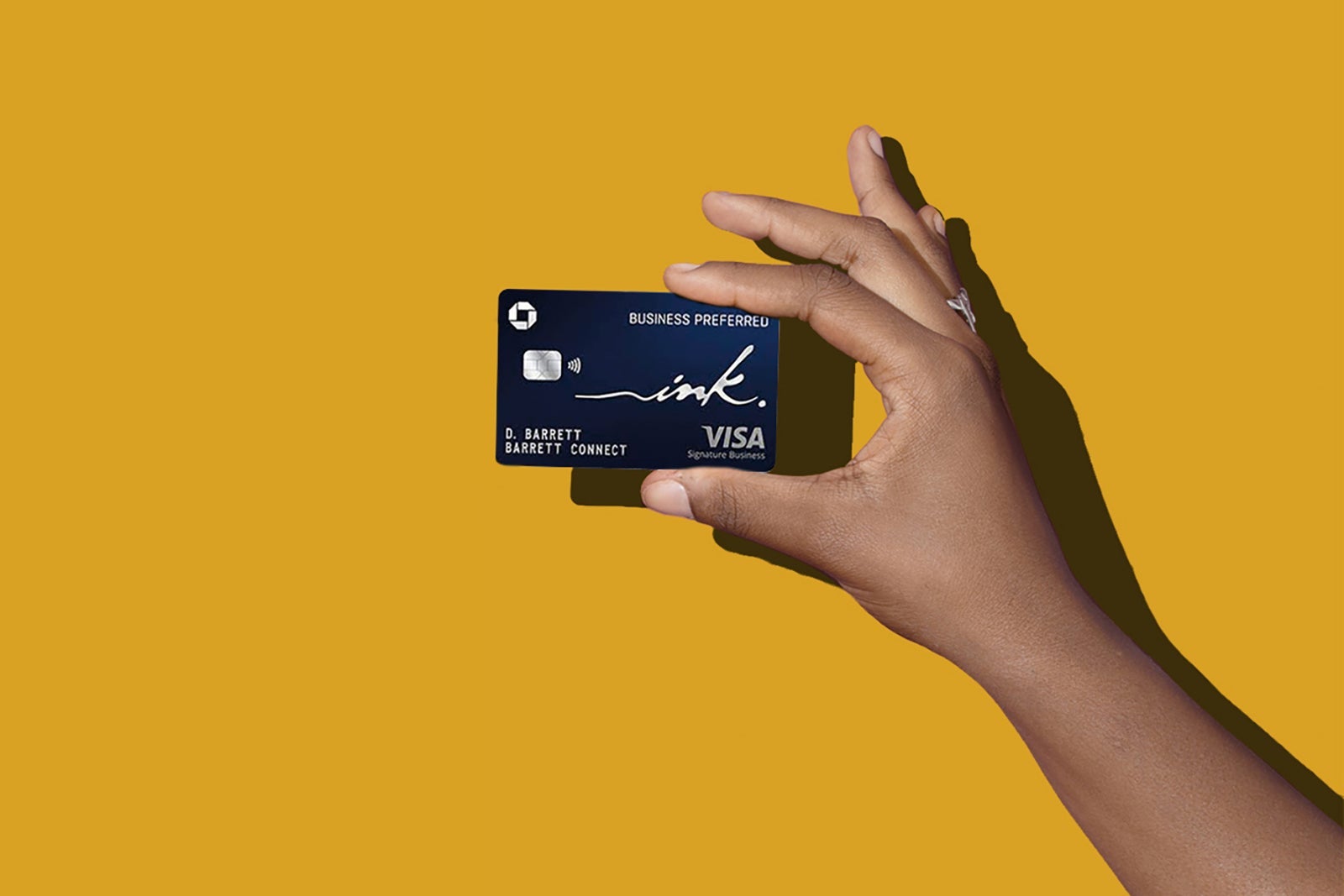
The Ink Business Preferred is the point-earning powerhouse, offering 3x points on travel, shipping, internet, and advertising. Its bonus history shows a peak of 120,000 points (seen in mid-2024). The standard offer is typically 100,000 points. While the 120,000-point offer is the record, the 100,000-point offer remains one of the best values in the industry for a $95 fee.
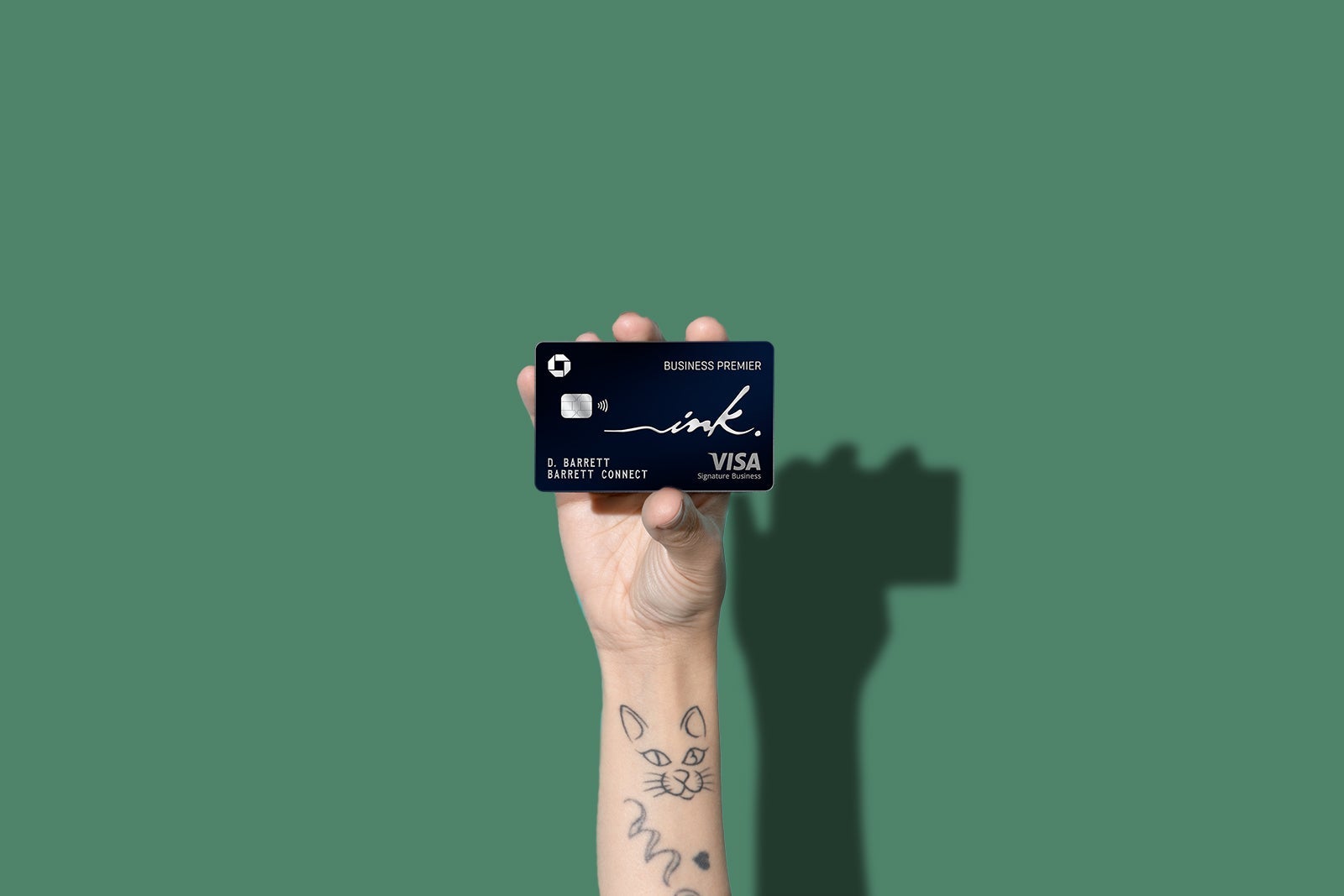
Finally, the Ink Business Premier is Chase’s answer to high-spend cash-back needs. It offers a flat 2% back on all purchases and 2.5% on purchases over $5,000. Its welcome offer has remained a steady $1,000 for a $10,000 spend. Unlike the other Ink cards, the Premier’s rewards cannot be transferred to airline partners, making it a pure cash-back play for high-revenue entities.
Strategic Considerations: Beyond the Bonus
While the numbers in the table are compelling, a successful Chase strategy requires looking at the "fine print" of eligibility. Beyond the 5/24 rule, Chase employs specific "family" rules. For instance, you cannot hold both a Sapphire Preferred and a Sapphire Reserve simultaneously, and you are ineligible for a bonus on either if you have received a bonus on either in the last 48 months.
Furthermore, the valuation of these bonuses depends heavily on your redemption style. A 100,000-point bonus is worth $1,000 as a statement credit, $1,250 if redeemed through the portal with a Sapphire Preferred, or potentially over $2,000 if transferred to a partner like Hyatt for a stay at a luxury resort. This "leverage" is why Ultimate Rewards are so prized.
The Cobranded Ecosystem: Hyatt, United, and Beyond
Chase also manages a massive portfolio of cobranded cards. While these do not earn Ultimate Rewards, they are essential for brand loyalists:
- World of Hyatt: Known for having one of the most valuable hotel currencies, these cards occasionally offer "Tier-Qualifying Nights" as part of the bonus, which can fast-track a user to Globalist status.
- Southwest Airlines: Chase offers five different Southwest cards. A common strategy is to timing these applications to earn a "Companion Pass," which allows a designated person to fly with you for just the cost of taxes and fees for up to two years.
- United Airlines: These cards often feature "mileage" bonuses that scale with spend, sometimes reaching 100,000 United MileagePlus miles.
- Marriott Bonvoy: With cards issued by both Chase and Amex, the Chase versions (like the Boundless) are famous for offering "Free Night Awards" (e.g., five nights up to 50k points each) rather than a flat point bonus.
Final Verdict: When Should You Apply?
The data suggests that Chase follows a somewhat predictable cycle of "elevated" offers. These often appear in the spring (March–May) to capture summer travel planning and in the autumn (September–November) for holiday spending.
For the personal Sapphire cards, the 100k/150k offers are rare gems; if you see anything above 75k for the Preferred or 100k for the Reserve, you should act. For the Ink business cards, the current $1,000/100k offers are at historical peaks and should be prioritized before they revert to the $750 baseline. For the Freedom cards, never settle for a plain $200 bonus; wait for the "plus" offers that include grocery or gas station multipliers for the first year.
In conclusion, a Chase credit card is more than just a piece of plastic; it is a financial tool that, when timed correctly, provides a massive return on investment. By cross-referencing current public offers with the historical benchmarks provided here, you can ensure that you are never leaving points—or money—on the table. The "Best Time to Apply" is not just a suggestion; it is a calculated decision based on years of market data and the shifting tides of the credit industry.
