
 By admin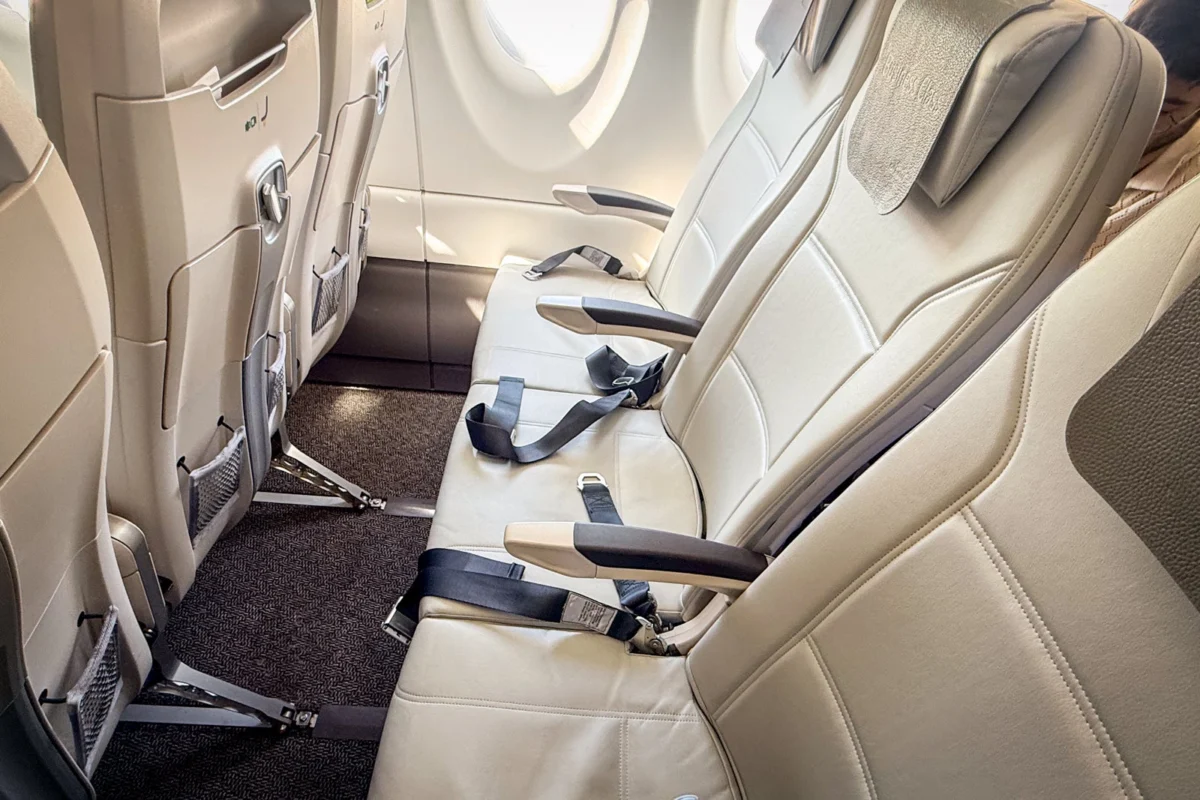
The golden age of aviation, once defined by gourmet meals, ample legroom, and passengers dressed in their Sunday best, has long since been relegated to the annals of history. In its place, a new era of air travel has emerged—one characterized by cramped quarters, digital distractions, and a growing sense of frustration among the flying public. According to a comprehensive new survey conducted by YouGov and commissioned by The Points Guy (TPG), the social contract that once governed the skies is fraying at the edges. After polling more than 2,500 U.S. adults to gauge the current temperature of domestic air travel, the results paint a vivid picture of a nation divided by armrests, reclining seats, and the persistent hum of unsolicited noise.
One of the most striking revelations of the study is the overwhelming consensus that civility is on the decline. A significant 42% of Americans reported that airline passenger etiquette has worsened over the past five years, with many describing the drop in decorum as "substantial." Perhaps even more fascinating is where travelers are placing the blame. Despite years of headlines regarding shrinking seat pitches, the removal of complimentary amenities, and the general "commoditization" of the economy cabin, the public does not primarily hold the airlines responsible for the deteriorating environment. Instead, 52% of respondents pointed the finger squarely at their fellow passengers. Only 8% of those surveyed blamed airline policies or the physical environment of the aircraft, suggesting that while the "hardware" of the plane may be uncomfortable, it is the "software"—the human element—that is truly malfunctioning.
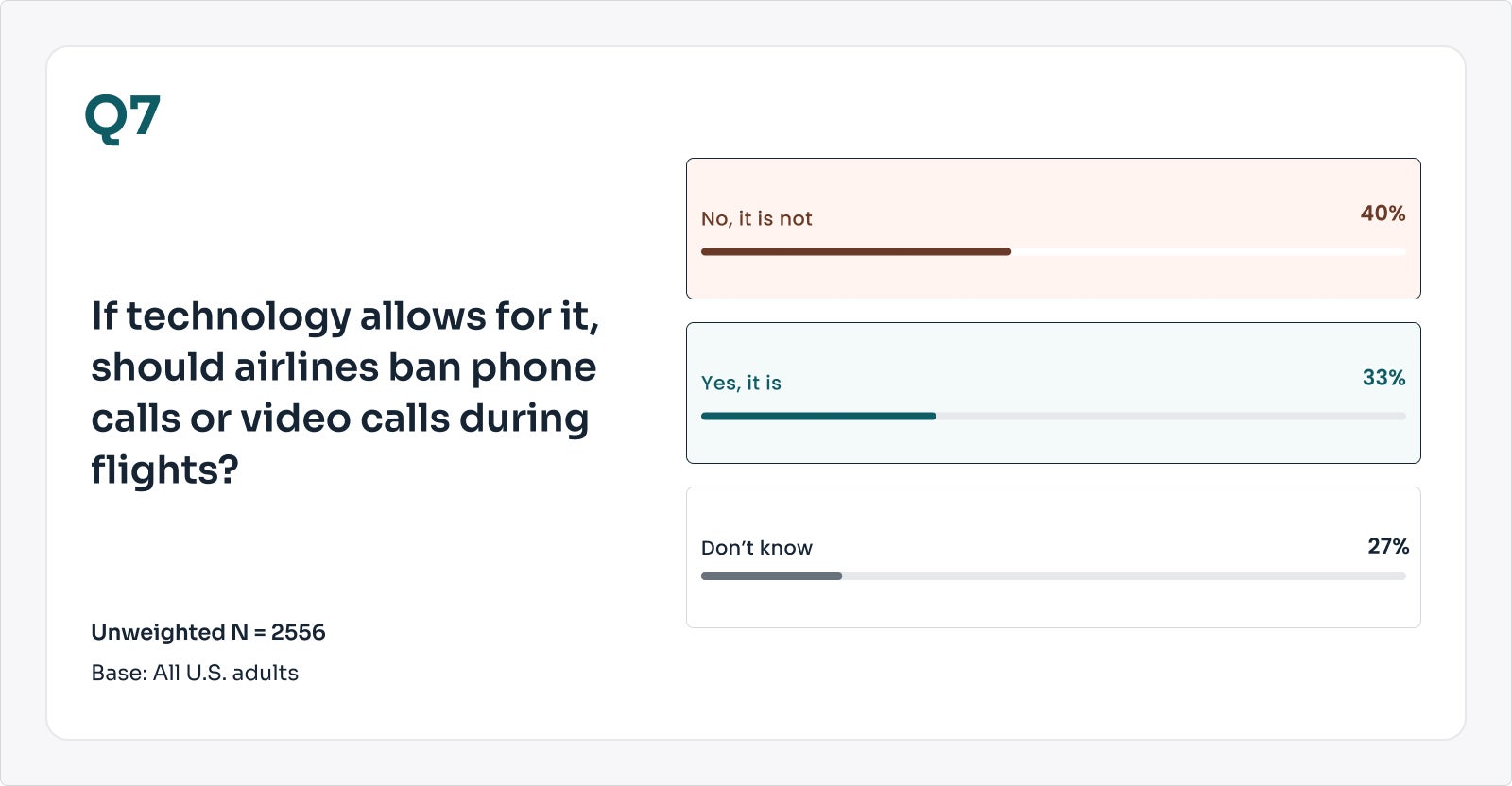
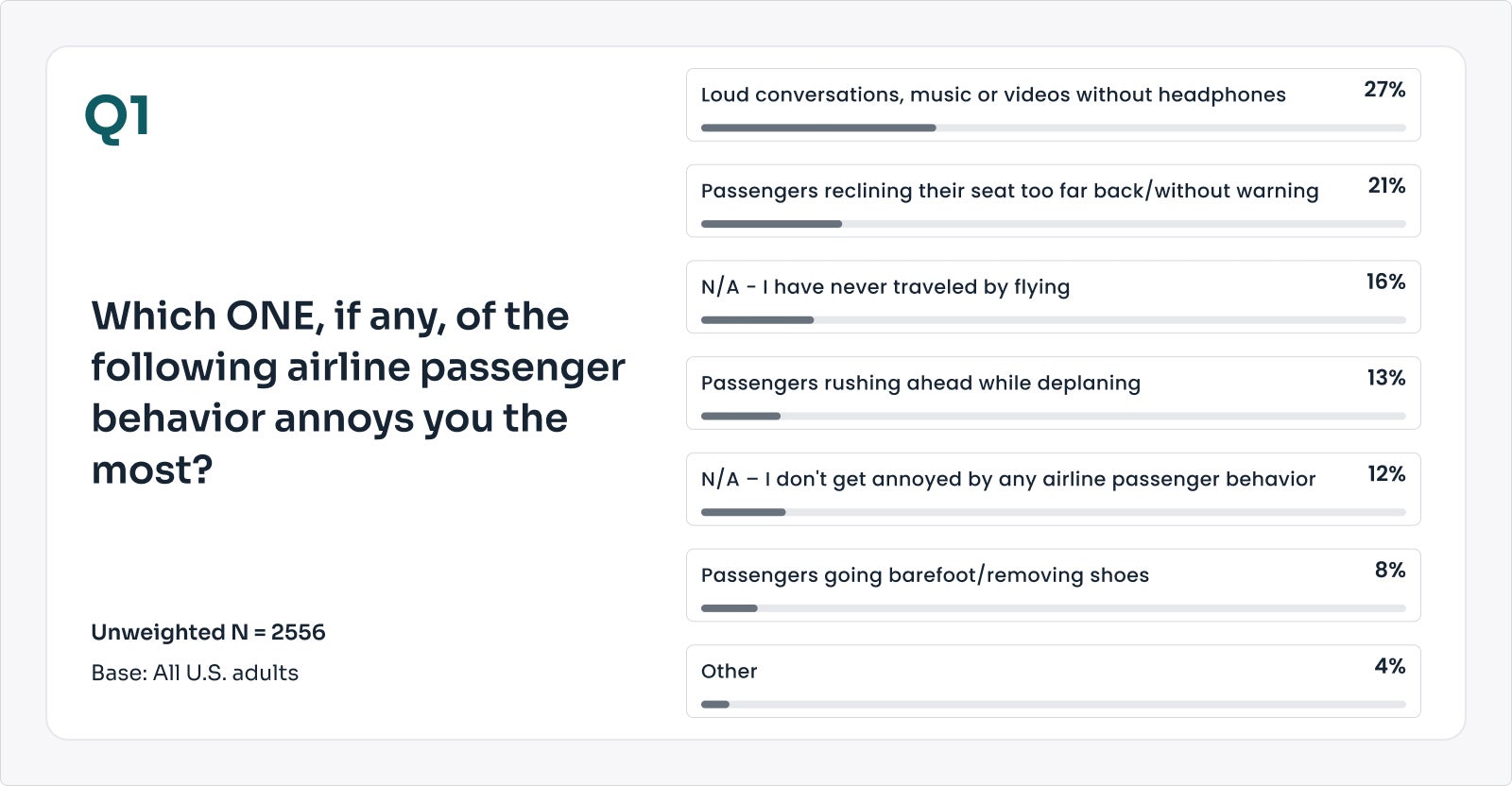
The survey identifies noise as "Public Enemy No. 1" in the modern cabin. In an age where every passenger carries a high-definition cinema and a global communication hub in their pocket, the sanctity of silence has become a rare luxury. A whopping 27% of Americans cited loud talking, phone calls, or the playback of videos without headphones as the single most annoying behavior on a plane. This phenomenon has been exacerbated by the rise of short-form video platforms like TikTok and Instagram Reels. The sensory assault of overlapping audio from multiple rows can turn a five-hour flight into a grueling test of patience. Interestingly, the frustration isn’t limited to the aircraft itself; TPG experts noted a similar trend in airport lounges, where "speakerphone diplomacy" has become a rampant breach of traditional quiet-zone protocols. Despite this widespread irritation, the survey found no clear majority in favor of an outright ban on phone or video calls, suggesting that while we hate the noise, we are hesitant to sacrifice our own digital liberties.
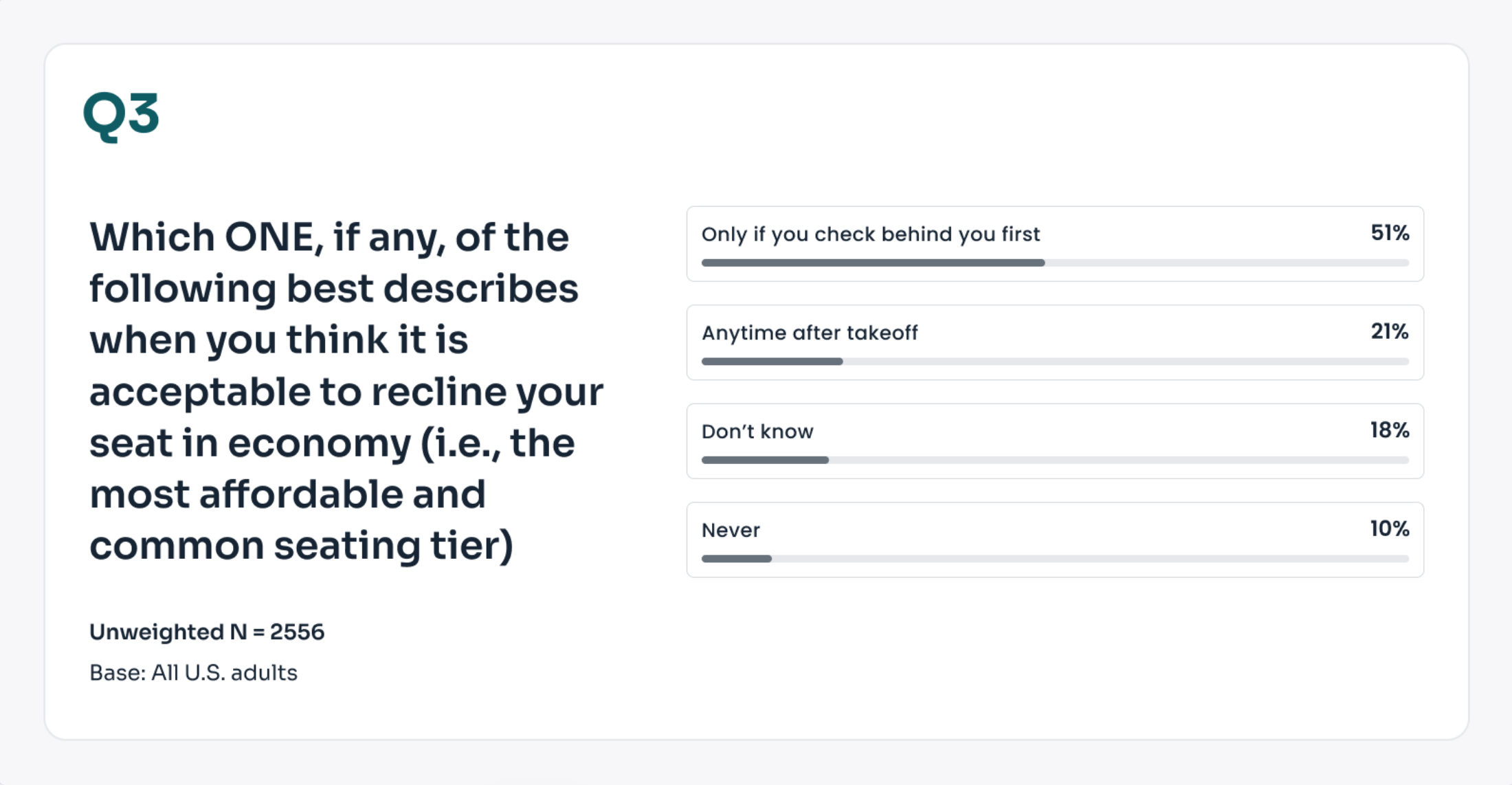
The perennial debate over the reclining seat remains a primary flashpoint for cabin conflict. For years, the internet has been divided into two camps: those who believe the "right to recline" is included in the price of the ticket, and those who view it as an act of aggression against the person behind them. The TPG/YouGov data suggests a more nuanced middle ground. While 21% of respondents identified reclining as their top grievance, 51% of Americans believe it is acceptable to recline in economy class—provided the passenger checks behind them first. This "courtesy-first" approach highlights a desire for communication over rigid rules. Only 10% of respondents believe that passengers should never recline, while 21% think it is a total free-for-all after takeoff. The danger of the "sudden recline" is not merely one of comfort; it has physical and financial consequences. High-profile incidents of destroyed laptops and spilled hot coffee have turned the simple act of leaning back into a high-stakes gamble.
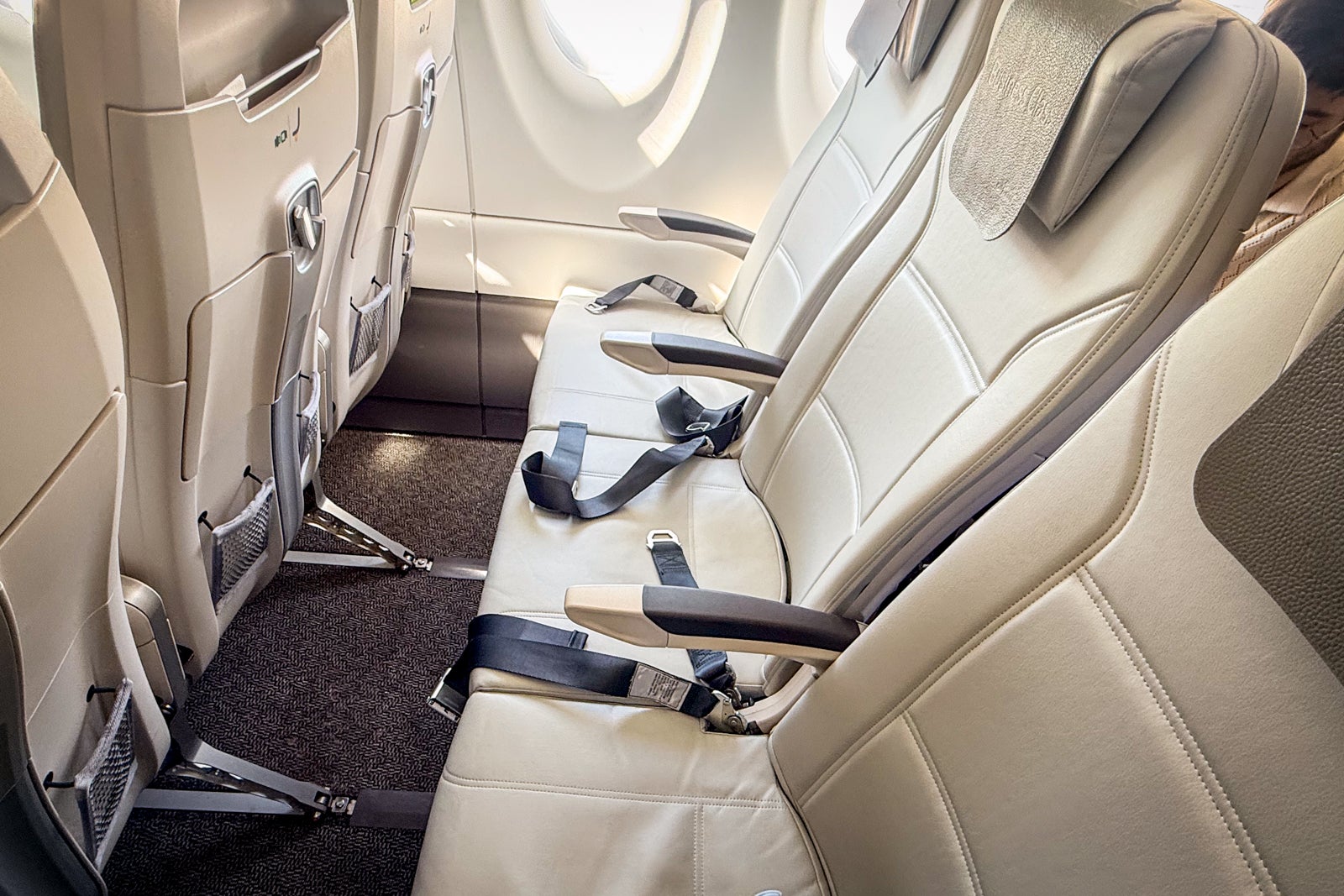
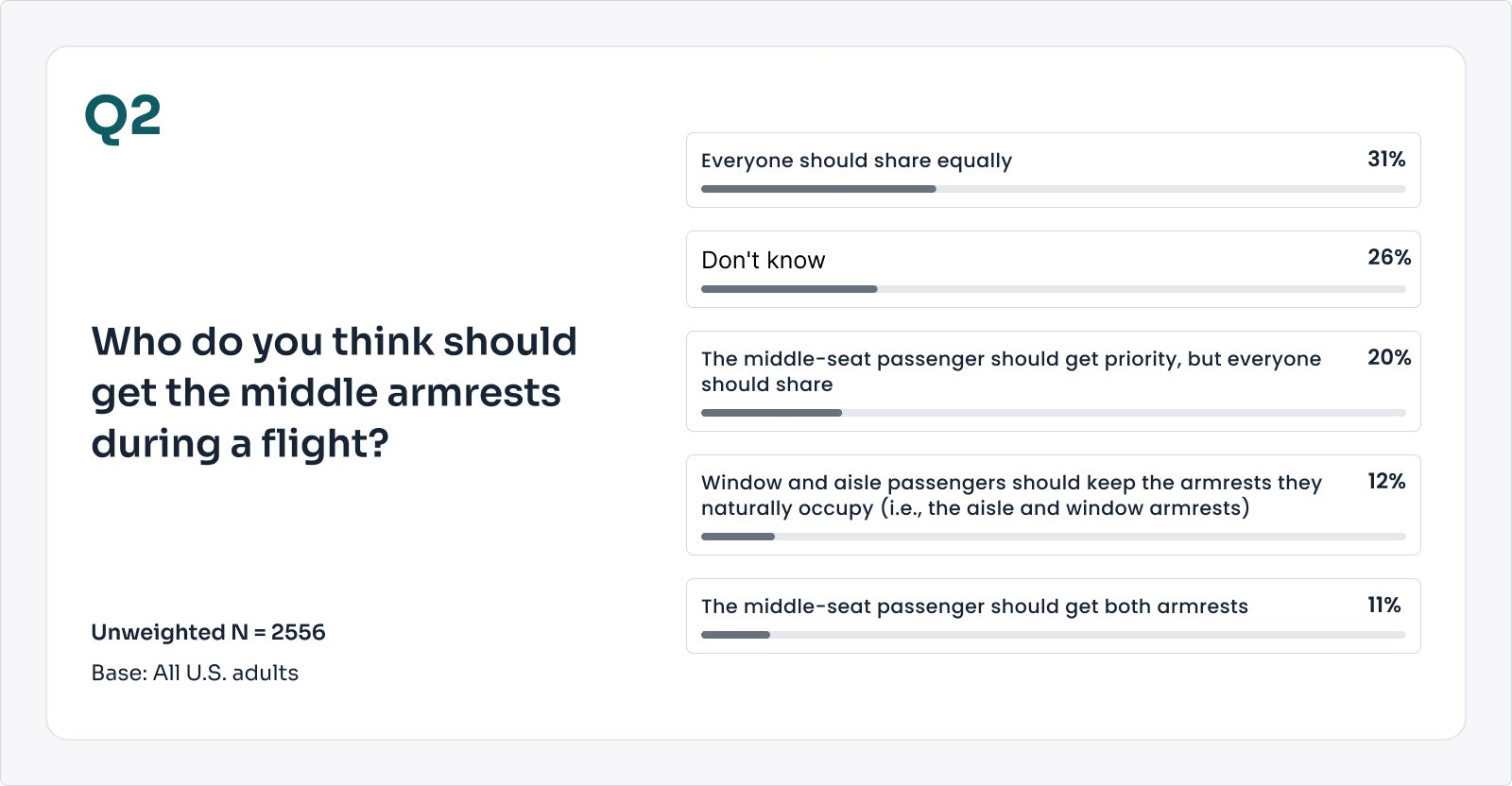
Perhaps the most surprising finding in the survey involves the "Battle of the Armrest." For years, frequent flyer circles have preached an unspoken rule: the passenger in the middle seat, who lacks both the view of the window and the easy exit of the aisle, is entitled to both armrests as a "consolation prize." However, the survey reveals that this "rule" is far from a universal truth. Only 11% of Americans believe the middle-seat occupant should automatically get both armrests. Instead, the largest plurality (31%) believes that armrests should be shared equally, while 20% think the middle passenger should have priority but not exclusive rights. Most tellingly, 26% of respondents were entirely unsure of what the etiquette should be. This lack of consensus explains why the elbow-war remains one of the most common, albeit silent, forms of tension in the sky.
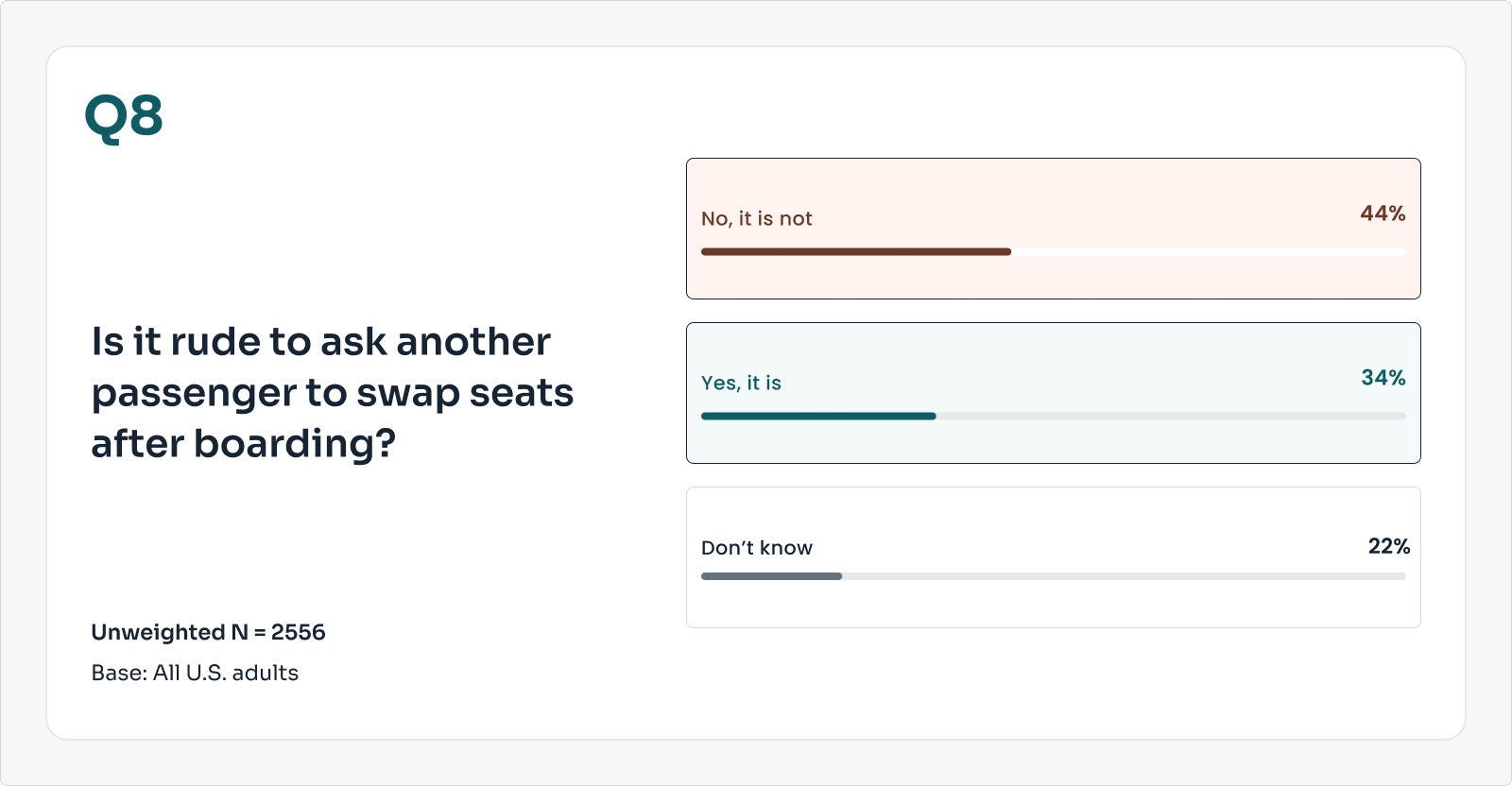
The etiquette of seat swapping also remains a contentious topic, though the survey suggests Americans are more flexible than social media outrage might imply. We have all seen the viral stories of "entitled" parents or couples demanding a stranger give up an extra-legroom window seat for a middle seat in the back of the plane. However, 44% of respondents said it is not inherently rude to ask a fellow passenger to swap seats after boarding. Conversely, 34% view the request as a breach of social norms. The general takeaway from travel experts is that while the "ask" is permissible, the "expectation" is where the trouble begins. In an era where airlines charge significant premiums for specific seat assignments, asking someone to trade down is increasingly viewed as asking for a financial favor, not just a logistical one.
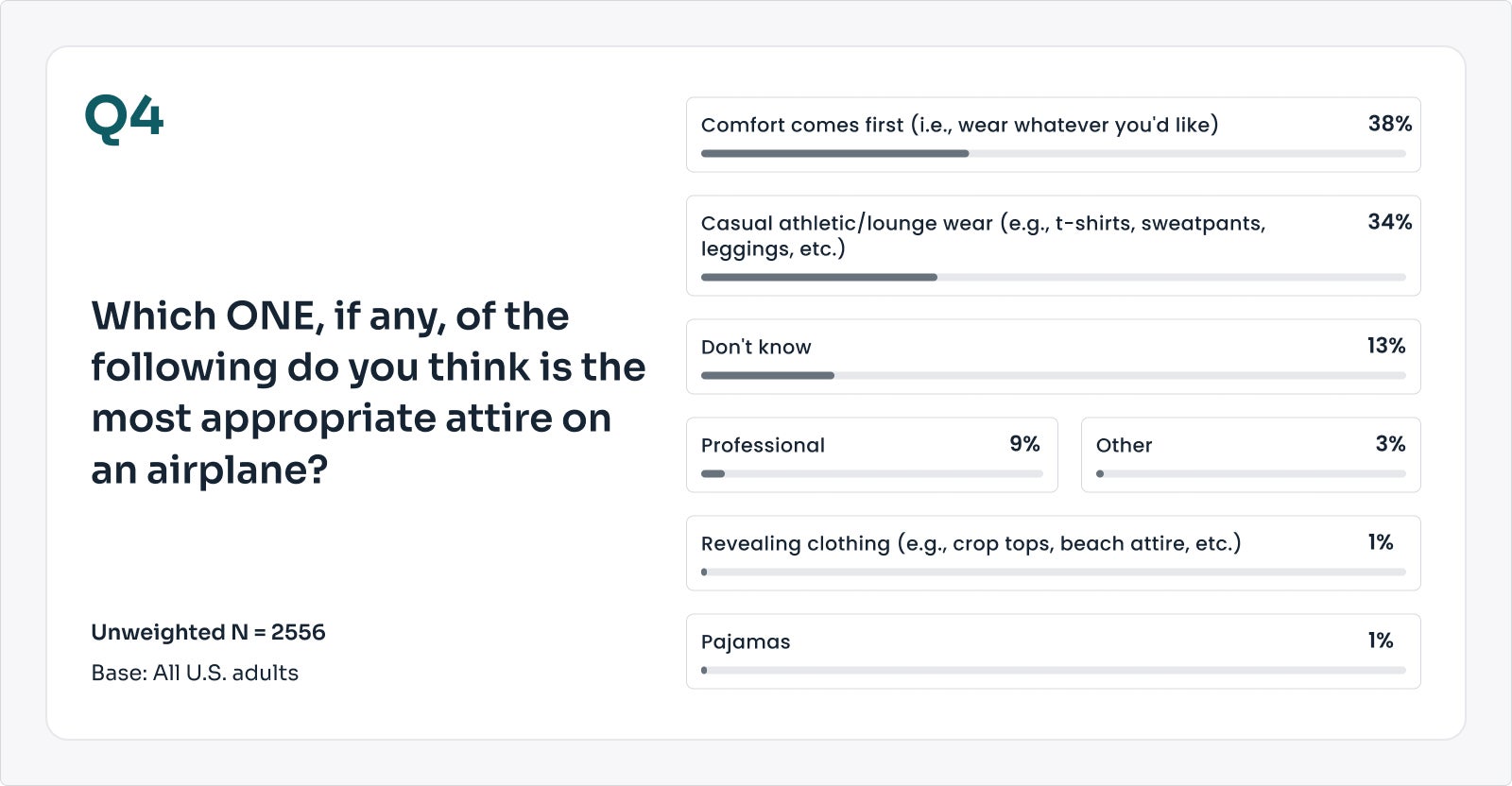
When it comes to attire, the days of the "well-dressed traveler" are firmly in the rearview mirror. The survey confirms that comfort is the absolute priority for the modern flyer. Over 70% of respondents believe that casual athletic wear, loungewear, or "whatever is comfortable" is the most appropriate attire for a flight. The democratization of travel has stripped away the formal dress codes of the 1960s, replacing suits and heels with leggings and hoodies. However, there is a limit to the public’s tolerance for domesticity. Only 1% of respondents believe that pajamas are appropriate for the cabin, and a similarly tiny 1% favored revealing clothing. Despite the rise of "athleisure," the public still draws a line at sleepwear and excessive skin, suggesting that while we want to be comfortable, we still acknowledge that the airplane is a public square, not a private bedroom.
One area where Americans showed remarkable unity was the process of deplaning. The "aisle-rusher"—the passenger who leaps up the moment the wheels touch the tarmac and attempts to bypass twenty rows of people—is a figure of near-universal scorn. A strong majority of 65% believe that passengers should leave the aircraft row by row, from front to back. Only 9% felt that making a tight connection justified cutting ahead, and a mere 10% believed in a "first-come, first-served" scramble for the exit. This finding suggests that despite the stress of travel, the majority of the public still values an orderly, predictable system over a chaotic "every man for himself" approach.
The survey also tackled the "Window Shade Wars." Control over the cabin’s natural light is a significant psychological factor in travel comfort. The data shows that the window seat passenger remains the sovereign of their pane, with 51% of respondents agreeing that they should have sole control over whether the shade is up or down. However, 28% believe that the entire row should reach a collective agreement. This reflects a broader theme found throughout the survey: a preference for "soft" social contracts and communication over "hard" mandates from the flight crew.
Ultimately, the TPG/YouGov survey serves as a mirror for the current state of American society. The airplane cabin is one of the few remaining places where people of all backgrounds, political leanings, and socioeconomic statuses are forced into intimate proximity for extended periods. The resulting friction is perhaps inevitable, but the data suggests that the solution isn’t necessarily more regulation. Instead, Americans are calling for a return to the "Golden Rule." As the aviation industry continues to grapple with record passenger volumes and labor shortages, the burden of a pleasant flight has shifted from the cockpit to the cabin floor. The findings indicate that while we are frustrated by the noise, the cramped seats, and the lack of space, we still believe that a little bit of common courtesy—checking before you recline, using your headphones, and waiting your turn in the aisle—can make the difference between a nightmare at 30,000 feet and a journey that is, at the very least, tolerable. In the end, the survey suggests that if we want to improve the state of the skies, we have to start by looking at the person in the mirror—or at least the person in the seat next to us.
