
 By admin
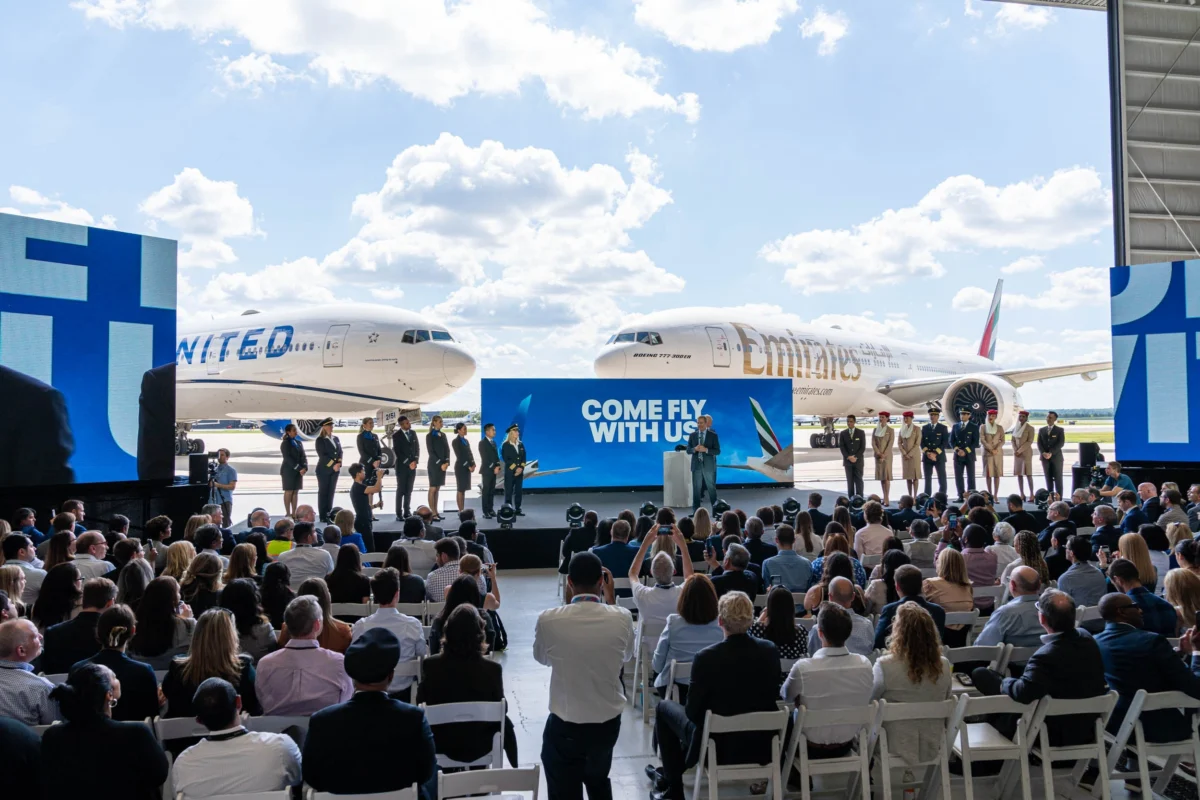
The global aviation landscape in late 2026 is witnessing a monumental shift in passenger expectations, and at the center of this transformation is Emirates’ multi-billion dollar investment in its Boeing 777-300ER fleet. For years, the Dubai-based carrier was lauded for its iconic Airbus A380 "superjumbo" experience, complete with onboard showers and a horseshoe-shaped bar, while its Boeing 777 fleet remained a point of contention for frequent flyers due to its aging 2-3-2 Business Class configuration. However, as of October 2024 and moving into the final quarter of 2026, the narrative has fundamentally changed. Emirates has successfully retrofitted a significant portion of its 777 fleet, bringing a standardized, world-class luxury experience to its long-haul backbone, ensuring that the "middle seat" in Business Class becomes a relic of the past.
This massive undertaking, part of a wider $3 billion cabin refreshment project, is not merely a cosmetic update but a structural overhaul of the airline’s product offering. The centerpiece of this retrofit is the long-awaited introduction of the 1-2-1 Business Class layout on the Boeing 777. For nearly a decade, Emirates faced criticism for maintaining a seven-abreast seating arrangement in its premium cabins on the 777, which lacked direct aisle access for every passenger. In the competitive landscape of Middle Eastern carriers—where Qatar Airways’ Qsuite and Etihad’s Business Studio have set high benchmarks—Emirates’ move to a 1-2-1 configuration was a strategic necessity to maintain its status as a premier global airline.
The new Business Class seats on the 777 are inspired by the design language of the airline’s latest A380s and the highly anticipated, though delayed, Boeing 777X. These seats, manufactured in collaboration with Safran, offer a fully flat bed experience with enhanced privacy. Each suite features a personal mini-bar, a 23-inch high-definition screen, and a touchscreen controller for seat functions and the "ice" entertainment system. The aesthetic is unmistakably Emirates: a sophisticated blend of cream leather upholstery, light wood grain finishes, and subtle gold accents that reflect the airline’s signature "Ghaf tree" motif. By removing the middle seat, Emirates has not only improved passenger comfort but has also increased the sense of exclusivity, providing every traveler with a private sanctuary regardless of where they are seated in the cabin.
Beyond Business Class, the most significant addition to the 777 fleet is the rollout of the Premium Economy cabin. Initially debuted on the A380, the Premium Economy product has proven to be a financial windfall for Emirates, capturing a demographic of travelers willing to pay a premium for more space without the full cost of a Business Class ticket. On the retrofitted 777s, the Premium Economy cabin is typically situated between Business and Economy, featuring a 2-4-2 layout. These seats offer up to 40 inches of pitch, a 19.5-inch width, and an 8-inch recline. The use of luxurious cream leather and wood paneling extends to this cabin, creating a cohesive brand experience throughout the aircraft. The dedicated service for Premium Economy, which includes upgraded dining on chinaware and a more curated wine list, has allowed Emirates to effectively bridge the gap between its classes of service.
The timing of this fleet-wide update is critical. The aviation industry has been grappling with significant delivery delays from Boeing regarding the 777X (the 777-9). Originally slated for delivery in 2020, the 777X has faced a series of certification hurdles and production setbacks, with many analysts now looking toward late 2025 or 2026 for the first commercial airframes to reach Dubai. To mitigate the impact of these delays, Emirates Chairman and Chief Executive Sir Tim Clark made the decisive move to extend the life of the existing 777-300ER fleet. By investing heavily in retrofitting the current aircraft, Emirates ensures that its product remains competitive even as it waits for the next generation of Boeing jets to arrive. This "nose-to-tail" refurbishment program is being carried out at the Emirates Engineering Centre in Dubai, where specialized teams work around the clock to strip the interiors of the aircraft and install the new modular cabins.
From an operational perspective, the retrofit program is a logistical marvel. Each aircraft takes approximately two weeks to fully refurbish. The process involves removing hundreds of seats, miles of wiring, and several tons of interior paneling. The new configurations also require adjustments to the aircraft’s weight and balance, necessitating precise engineering oversight. As of late 2026, Emirates has managed to scale this operation to a point where multiple aircraft are being processed simultaneously, allowing the airline to deploy the updated cabins on key routes to London, Geneva, Tokyo, Zurich, and Brussels.
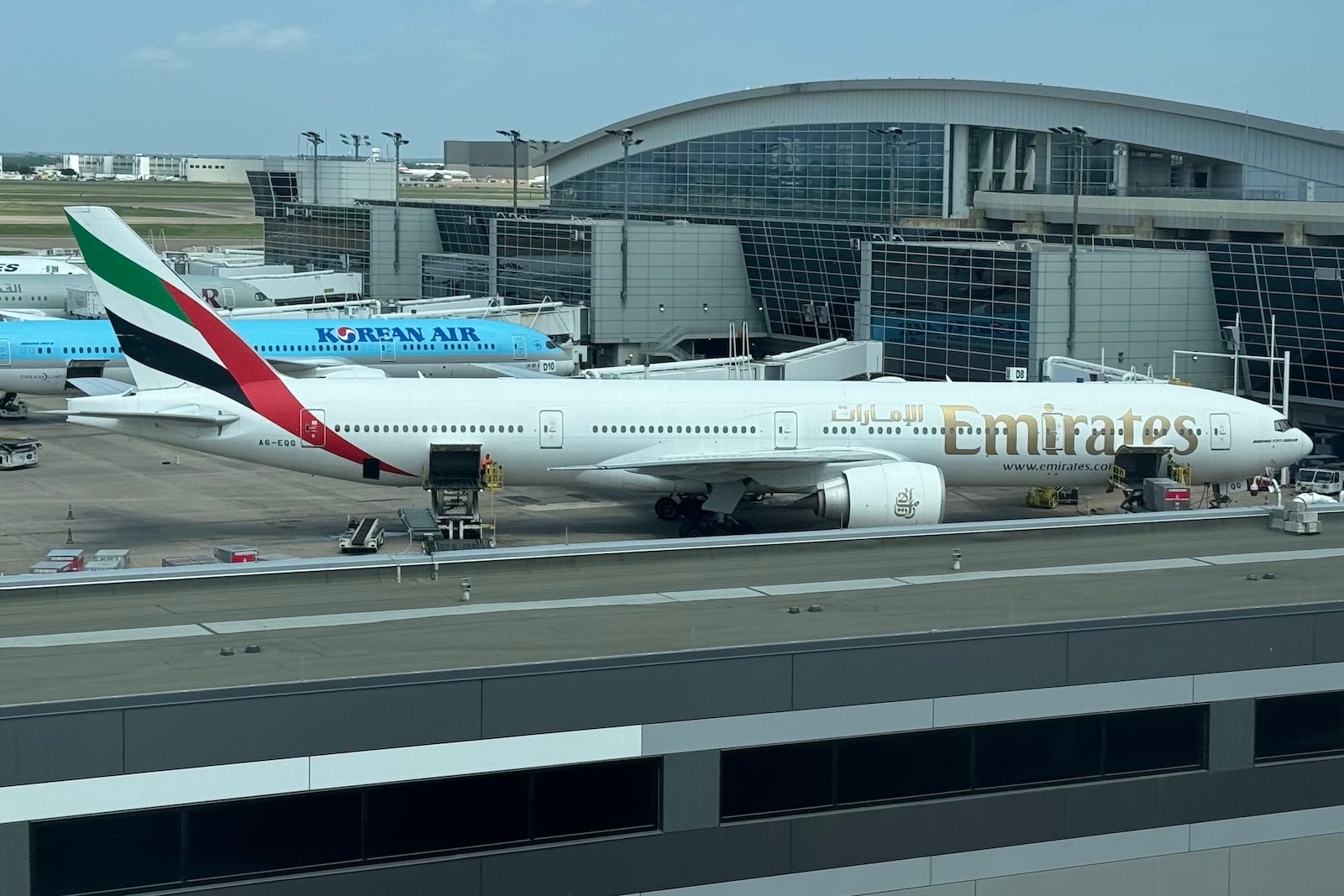
Industry experts suggest that the return on investment for these retrofits is substantial. "Emirates is playing a long game," says Mark Robeson, a senior aviation analyst. "By standardizing the 777 and A380 interiors, they are simplifying their marketing message. Passengers no longer have to play ‘equipment roulette’ when booking a flight. They know that whether they are on a 777 or an A380, they will receive a consistent, high-quality product. This consistency is what builds brand loyalty in a crowded market." Furthermore, the addition of Premium Economy on the 777 allows Emirates to tap into the high-yield corporate travel market, where many companies have downgraded their travel policies from Business to Premium Economy to save costs while still providing employees with a comfortable environment.
The impact on the loyalty ecosystem is equally noteworthy. For members of Emirates Skywards and holders of premium travel credit cards, the 777 retrofit has opened up new avenues for redemptions. In the past, many savvy travelers avoided using points for Emirates 777 Business Class due to the 2-3-2 layout. Now, with the 1-2-1 configuration becoming the standard, the value proposition for redeeming Skywards miles—or transferring points from partners like American Express Membership Rewards, Chase Ultimate Rewards, and Capital One—has increased significantly. The availability of Premium Economy as a redemption option has also provided a new "sweet spot" for travelers who want to maximize their points for a superior experience on 12-to-15-hour flights.
However, the retrofit program is not without its challenges. The removal of seats to accommodate the 1-2-1 layout and the addition of the Premium Economy cabin has led to a slight reduction in total passenger capacity per aircraft. To offset this, Emirates has had to refine its pricing strategies and optimize its route network to ensure that the higher yields from Premium Economy and the modernized Business Class make up for the loss of raw seat volume. Data from the first half of 2026 indicates that load factors in the new cabins are exceeding 85%, suggesting that the market has responded positively to the upgrades.
In First Class, while the fundamental "Game Changer" suites introduced in 2017 remain the gold standard, the retrofit program has allowed for subtle refinements in technology and upholstery. These fully enclosed suites, which feature "virtual windows" for the middle suites and NASA-inspired zero-gravity seating positions, remain the pinnacle of commercial aviation. By ensuring the rest of the aircraft matches the prestige of the First Class cabin, Emirates has created a seamless luxury brand that extends from the check-in counter to the final destination.
As we look toward the future of Emirates’ fleet, the 777-300ER retrofit serves as a bridge to the 2030s. The airline has over 200 Boeing 777X aircraft on order, but the current retrofitted fleet will likely remain in service for another decade. This ensures that the airline remains agile, able to serve airports that cannot accommodate the massive A380 while still offering an A380-level of comfort. The success of this program reinforces Dubai’s position as a global aviation hub and underscores Emirates’ commitment to never settling for "good enough."
In conclusion, the transformation of the Emirates Boeing 777 is more than just a hardware update; it is a statement of intent. In an era where many airlines are looking to cut costs, Emirates has doubled down on the passenger experience. By the end of 2026, the sight of an Emirates 777 will no longer evoke a sense of uncertainty for the business traveler, but rather a guarantee of luxury, privacy, and world-class service. Whether it is the 1-2-1 Business Class seat or the refined Premium Economy cabin, the "new" Emirates 777 is a testament to the power of strategic reinvestment and a relentless focus on the customer. For the traveler, the result is a more comfortable journey across the skies, and for the industry, it is a reminder that the bar for international long-haul travel has once again been raised.
