
 By admin
As the final quarter of 2026 approaches, the landscape of American retail has undergone a profound transformation, moving further away from the brick-and-mortar foundations of the past and deeper into a hyper-connected, mobile-first ecosystem. According to recent data from the Department of Commerce, e-commerce now accounts for nearly 28% of all domestic retail sales, a figure that continues to climb as augmented reality shopping and AI-driven personalized storefronts become the norm. For the modern consumer, the choice of which credit card to use at the digital checkout is no longer a secondary thought; it is a strategic financial decision that can yield thousands of dollars in annual savings, provide robust insurance against the rising tide of sophisticated cyber-fraud, and offer seamless integration with the digital wallets that have largely replaced physical leather billfolds.
The evolution of online shopping credit cards in 2026 is defined by a shift from broad rewards to surgical precision. Issuers have moved beyond simple "1% back on everything" models, instead leveraging deep data analytics to offer tiered rewards that mirror the specific habits of the digital native. Whether it is a late-night grocery delivery, a subscription to a cloud-based gaming service, or a high-ticket electronics purchase made through a social media marketplace, there is now a specialized financial tool designed to optimize that specific transaction. This report analyzes the top contenders in the current market, evaluating them based on their reward structures, security features, and overall value proposition in an economy characterized by fluctuating interest rates and rapid technological advancement.
At the pinnacle of the online retail category stands the 2026 iteration of the Amazon Prime Visa, issued by Chase. While the card has long been a staple for frequent flyers of the Jeff Bezos-founded ecosystem, its utility has expanded significantly. In 2026, the card offers an industry-leading 6% back on all Amazon.com and Whole Foods Market purchases for Prime members, but the real value lies in its new "Digital Ecosystem" tier. This tier provides 3% back on a rotating selection of third-party digital services, including AI productivity tools and streaming platforms. Expert analysis suggests that as Amazon continues to swallow larger shares of the healthcare and pharmacy markets, this card’s value proposition has transitioned from a simple shopping tool to a comprehensive lifestyle management card. The integration of "Buy Now, Pay Later" (BNPL) options directly into the card’s mobile interface—offering 0% APR for six months on purchases over $500—has also helped it maintain dominance against dedicated BNPL fintech startups.
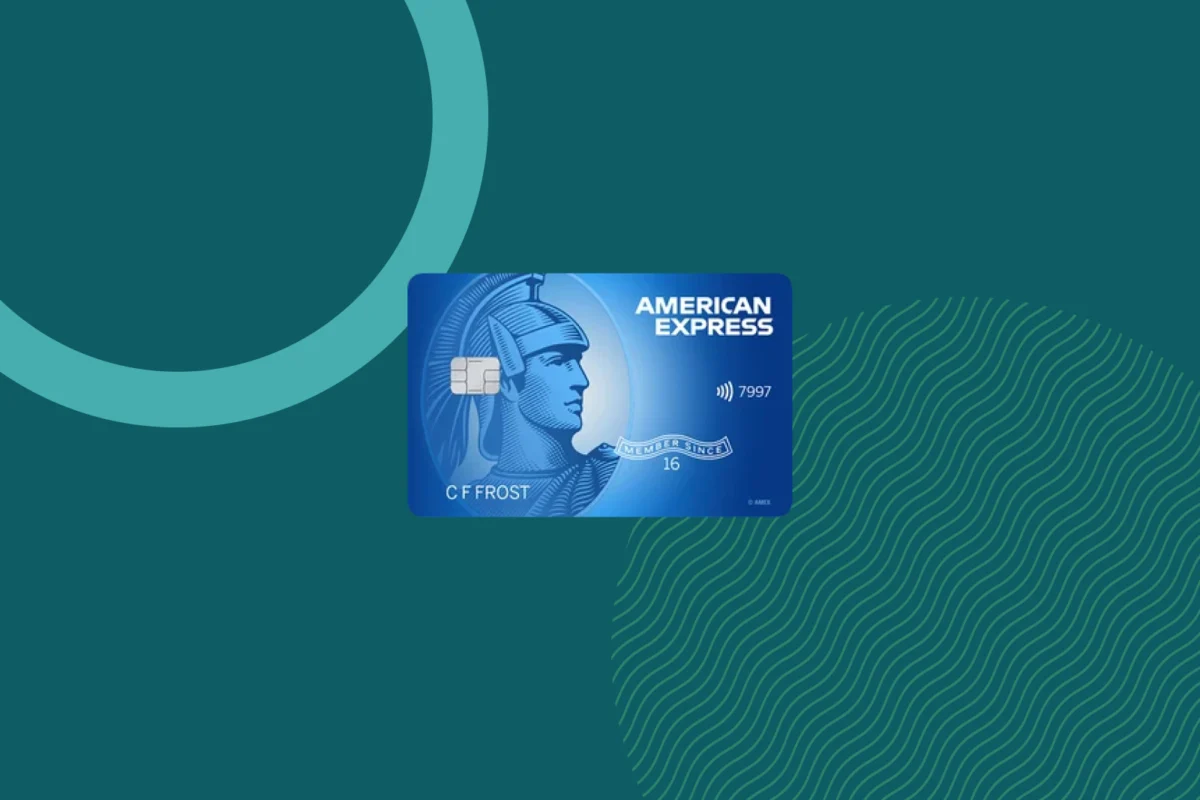
Parallel to the co-branded giants are the flexible rewards cards, led by the American Express Blue Cash Everyday® Card. This card remains a favorite for the "hybrid shopper" who balances digital orders with traditional retail. In 2026, Amex has doubled down on its "U.S. Online Retail" category, which now encompasses a broader definition of merchants than ever before, including online marketplaces and direct-to-consumer boutique brands. With 3% cash back on up to $6,000 in annual spending in this category, it serves as a robust secondary card for those who shop outside the Amazon ecosystem. Furthermore, the inclusion of a $180 annual Home Chef credit and a $84 Disney Bundle credit reflects the modern consumer’s reliance on subscription-based digital services, effectively neutralizing the card’s lack of an annual fee.
Security, however, has become the primary concern for online shoppers in 2026. As generative AI makes phishing and credential stuffing more effective, credit card issuers have responded with "invisible" security layers. The Capital One Venture X and the Savor series have set the gold standard here through their advanced implementation of virtual card numbers. Users can generate a unique, merchant-specific credit card number for every site they visit, ensuring that if a database breach occurs at a specific retailer, the user’s primary account remains untouched. In 2026, these virtual numbers are now integrated directly into Chromium-based browsers and iOS/Android systems, allowing for one-click generation during checkout. This technological moat has made Capital One a preferred choice for consumers who frequent lesser-known international sites or emerging social commerce platforms where security protocols might be less stringent.
The rise of digital wallets—specifically Apple Pay, Google Pay, and the bank-led Paze platform—has also dictated card popularity. The Apple Card, issued by Goldman Sachs, continues to thrive on its simplicity and instant gratification. In 2026, its "Daily Cash" feature remains a powerful psychological hook, depositing 2% or 3% rewards into a high-yield savings account the moment the transaction clears. For the demographic that shops exclusively via smartphone, the Apple Card’s biometric authentication (FaceID) provides a level of friction-less security that traditional plastic cannot match. Industry insiders note that the Apple Card’s success has forced traditional banks like Citi and Wells Fargo to overhaul their mobile apps, moving toward "mobile-first" card issuance where a digital version of the card is available in the user’s wallet seconds after approval.
Beyond the immediate rewards, the "soft" benefits of credit cards have seen a resurgence in 2026. Purchase protection and extended warranties, which many issuers stripped away in the early 2020s, have returned as key competitive differentiators. The Chase Freedom Flex, for instance, has introduced "Digital Return Protection," a feature specifically designed for the complexities of online returns. If a digital merchant refuses a return within 90 days, the issuer may reimburse the customer, a vital safety net in an era where "returnless refunds" are being phased out by retailers looking to cut logistics costs. This return to consumer-centric protections indicates a market where issuers are competing not just on points, but on the total "peace of mind" provided to the shopper.
To truly maximize the value of these cards, financial experts recommend a "stacking" strategy. This involves using a high-yield online shopping card in conjunction with third-party rewards portals like Rakuten or Honey. In 2026, these portals have become more integrated, often offering "boosted" cashback rates that sync directly with the user’s credit card statement. For example, a consumer using a 3% back card on a 10% back Rakuten day is effectively clawing back 13% of their purchase price. When combined with seasonal promotions—such as the massive "Cyber November" sales that have largely replaced the single-day Black Friday event—the savings can be substantial enough to offset the inflationary pressures that have characterized the mid-2020s economy.
However, the proliferation of easy-to-use credit and "one-tap" shopping has also raised concerns among consumer advocacy groups. The ease of transaction, while convenient, can lead to "subscription creep" and impulsive spending. Data from the 2026 Consumer Financial Protection Bureau (CFPB) report indicates that household credit card debt remains at historic highs, partly driven by the frictionless nature of mobile commerce. Financial advisors stress the importance of utilizing the automated budgeting tools now standard in most banking apps. Features like "spend limits" for specific categories (e.g., limiting online clothing spend to $200 a month) and real-time debt-to-income visualizations are essential for maintaining financial health in a digital-first world.
Looking forward to the late 2020s, the next frontier for online shopping cards appears to be sustainability and social impact. We are already seeing the emergence of "Green Rewards" tiers, where cards like the Amex Green or specialized fintech offerings provide extra points for shopping at certified B-Corps or for choosing carbon-neutral shipping options. As Gen Z and Gen Alpha gain more purchasing power, the demand for cards that align with personal values—rather than just the highest cashback percentage—is expected to grow.
In conclusion, the best credit card for online shopping in 2026 is not a one-size-fits-all solution but a tailored choice based on where and how a consumer spends. For the Amazon loyalist, the Prime Visa remains unbeatable. For the security-conscious explorer of new brands, Capital One’s virtual card infrastructure offers the best defense. For the mobile-centric user, the Apple Card provides unmatched integration. As the digital and physical worlds continue to blur, these cards act as more than just payment methods; they are the essential interfaces through which we navigate the modern economy. By understanding the nuances of reward structures, leveraging the latest security tech, and practicing disciplined spending, consumers can ensure that every click at the "Buy Now" button is a step toward greater financial efficiency.
