
 By admin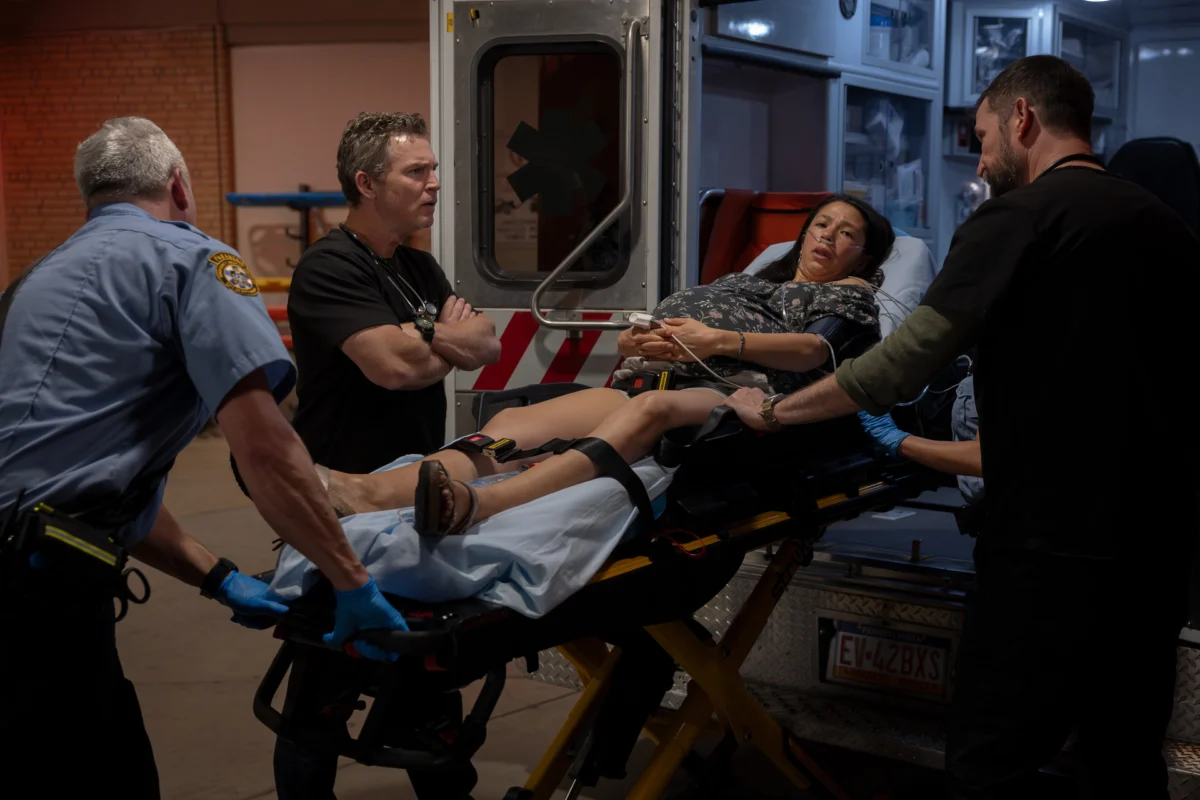
When production designer Nina Ruscio returned to the sprawling set of "The Pitt" for its highly anticipated second season, she wasn’t just revisiting a familiar space; she was embarking on a mission to breathe even more life into the Pittsburgh Trauma Medical Center. While many of her meticulous adjustments might have been invisible to the casual viewer, for the cast and crew, these subtle yet significant changes were instrumental in transforming the hospital into a more expansive, immersive, and palpably real environment. The impact of Ruscio’s vision is undeniable, contributing significantly to the series’ critical acclaim, including a remarkable 25 nominations at the year’s major awards, with Ruscio herself earning a well-deserved nod for Outstanding Production Design for a Narrative Contemporary Program for episode 15.
The physical footprint of "The Pitt" has dramatically increased, now spanning an impressive 24,000 square feet. This expansion isn’t merely about scale; it’s about narrative depth. Season 2 introduces several crucial new locations that enrich the show’s storytelling potential. The addition of a vibrant karaoke bar offers a much-needed space for character decompression and social interaction, providing a stark contrast to the high-stakes environment of the ER. A dedicated wing where Frank Langdon (Patrick Ball) meticulously checks on his patients allows for more intimate character moments and showcases the dedication of the medical staff. Furthermore, the inclusion of a multi-level parking garage adds a layer of urban realism and serves as a potential setting for clandestine meetings or moments of quiet reflection amidst the hospital’s chaos.
Crucially, Ruscio integrated practical lighting throughout these new and expanded sets. This thoughtful approach grants the cast and crew unparalleled freedom of movement, allowing for more dynamic and naturalistic blocking and camera work. This freedom is paramount in a show that thrives on the raw, unscripted feel of a real emergency room. The lighting isn’t just functional; it’s a narrative tool, subtly guiding the audience’s eye and shaping the emotional tenor of each scene.
Following the resounding success of Season 1, Ruscio was determined to expand the core triage area without sacrificing its established and beloved aesthetic. A key strategic decision was to build beyond the existing fire lane, the critical artery through which ambulances deliver the most critical patients. By extending the set’s boundaries, Ruscio ensured that the hospital wouldn’t feel claustrophobic or confined, a crucial element in conveying the immense pressure and constant influx of emergencies. "You never had a feeling that the set ended," Ruscio explained to Variety, highlighting her success in creating an illusion of boundless space within the hospital’s confines. This architectural expansion allows the narrative to breathe, preventing the audience from feeling trapped alongside the characters in a limited setting.
Ruscio believes that the season finale, episode 15, particularly stood out for its potent showcase of the hospital’s evolution and the expansion of the show’s narrative universe. "Many of the episodes could have applied, but this particular one really felt like it had a bow around it that showcased the new work. It showcased the additions and extensions, and there are a handful of sets that opened up the perspective a bit more," she elaborated. This sentiment underscores the intentionality behind every design choice, demonstrating how the physical space itself becomes an active participant in the storytelling.
Each new location within "The Pitt" was conceived with an almost obsessive attention to detail, designed to resonate with the emotional landscape of the characters and the overarching themes of the series. The karaoke bar, for instance, is bathed in the simulated glow of neon lights, a visual cue that hints at the escapism and temporary respite the characters seek from their demanding jobs. These carefully crafted lighting effects create an atmosphere that is both inviting and slightly melancholic, reflecting the complex emotional lives of the hospital staff.
Beyond the immediate confines of the hospital, Ruscio also meticulously designed external spaces that serve as vital narrative punctuation marks. The rooftop, a space where staff can gather to witness the spectacle of Fourth of July fireworks, was filmed at the actual Allegheny General Hospital in Pittsburgh. This integration of real-world locations grounds the series in a tangible reality, further enhancing its immersive quality. These "moments of release," as Ruscio terms them, provide crucial breathing room for characters and viewers alike, offering a brief respite from the relentless intensity of the emergency department.

Ruscio’s guiding philosophy for "The Pitt" is deeply rooted in the idea that the environment should mirror and amplify the emotional state of its inhabitants. "The idea that the emotional state of the people is mirrored in the environment from the get-go has been something that’s very important to me," she stated. "The emergency department has an energy and a dynamic to it that’s as a supporting character almost for the whole show." This philosophy extends even to the most fleeting moments, where brief glimpses of specific settings carry significant narrative weight.
Consider the supervised drug test undergone by Frank Langdon. This scene, lasting a mere 46 seconds in the 54-minute finale, might seem insignificant at first glance. However, the bathroom was intentionally designed to starkly contrast with the open, sterile environment of the emergency department. The use of dark-paneled walls and the confined space of the bathroom amplify the intimacy of the situation and highlight Langdon’s palpable unease as he’s observed by another doctor. This deliberate design choice transforms a brief medical procedure into a moment of intense personal vulnerability, demonstrating Ruscio’s mastery in using the environment to underscore character psychology.
Similarly, Baran Al-Hashimi’s (Sepideh Moafi) return to her car after her shift, a scene that occupies just over a minute of screen time, is powerfully evocative. Ruscio strategically places her against the backdrop of Pittsburgh, emphasizing her isolation in her "sad, little car," a physical manifestation of her inability to escape the trauma she has witnessed and experienced throughout the day. "Her as this lonely person inside of a tin can having an emotional breakdown is not dissimilar or metaphoric from the whole experience of being in a hospital where you’re just a tiny little speck of it all," Ruscio explained, articulating the profound thematic resonance of this seemingly simple moment. The car becomes a microcosm of her internal struggle, a small, enclosed space reflecting her feeling of being overwhelmed by the vastness of human suffering.
By the time viewers reach the culmination of the season, the staff has navigated a gauntlet of overwhelming challenges. Episode 15, in particular, plunges the audience into the heart of chaos: a cyberattack that forces the emergency department to revert to analog systems, a ceaseless deluge of Fourth of July emergencies, and the discovery of an abandoned infant. To visually represent this overwhelming disarray, Ruscio deliberately created a sense of visual clutter on set. "There was crap everywhere," she admitted, describing how scattered papers and folders were meticulously arranged to reflect the emotional disarray experienced by the doctors. This "crap," however, is far from random; it’s a carefully curated representation of the emotional toll of their work.
The meticulous nature of the set’s design goes far beyond superficial messiness. The foundation of Ruscio’s approach is intent, with every detail serving the purpose of conveying the trauma center’s inherent unease and the immense pressure on its staff. Bookshelves aren’t merely props; they are filled with actual paperwork and documents used by medical professionals, lending an authentic air to the proceedings. Even the hairline fractures visible on X-rays were rendered with the guidance of real-life practicing physicians, a testament to Ruscio’s commitment to verisimilitude. "There’s not one thing that’s random about any item or aspect of that set. We always quadruple down on doing research and speaking with doctors and getting clarity as to how they would handle this," Ruscio emphasized. This dedication to authenticity ensures that "The Pitt" feels not like a fabricated hospital, but a living, breathing institution.
The overall openness of the set is a deliberate design choice, intended to replicate the fluid and often chaotic nature of a real emergency room. This architectural spaciousness is not just for realism; it also grants the cameras unprecedented freedom to move without restriction. "You can go wherever you want to go without restraints," Ruscio stated, underscoring the symbiotic relationship between the set design and the cinematography. This unrestricted camera movement is intrinsically linked to the show’s ethos: "That you’re in it. That you’re experiencing it intimately." The immersive quality achieved through this design choice allows the audience to feel as though they are active participants in the unfolding drama, rather than passive observers.
Ruscio views the successful realization of this immersive environment as a fitting culmination of the season’s efforts. "It feels like a beautiful bow to have put on the set for Season 2," she concluded. This sentiment speaks to the profound satisfaction of seeing her vision translate into a tangible and impactful experience for both the cast and the audience. "The Pitt" Season 2, through Nina Ruscio’s visionary production design, has not only expanded its physical world but has also deepened its emotional resonance, solidifying its place as a compelling and critically acclaimed medical drama. The set, in essence, has become as much a character as any of the individuals who populate its halls, mirroring their struggles, their triumphs, and their unwavering dedication in the face of overwhelming adversity.
