
 By admin
I. Thou Shalt Pay Thy Balance in Full
The most critical rule of rewards credit cards—the one upon which all other strategies depend—is the requirement to pay your statement balance in full every single month. Credit cards that offer travel rewards typically carry significantly higher Annual Percentage Rates (APRs) than non-rewards cards. According to recent data from the Federal Reserve, the average credit card interest rate in the United States has climbed above 21%, with many premium rewards cards pushing closer to 30% for those without top-tier credit.

If you carry a balance, the interest charges will almost instantly negate the value of the points you earn. For example, if you earn 2 points per dollar on a $1,000 purchase, and those points are valued at 2 cents each, you have earned $40 in rewards. However, if you carry that $1,000 balance for just two months at a 25% APR, you will pay approximately $42 in interest. In this scenario, you haven’t earned a free flight; you have paid the bank for the privilege of "earning" points. To comply with this commandment, treat your credit card like a debit card: never spend money you do not already have in your bank account.
II. Thou Shalt Not Miss a Payment
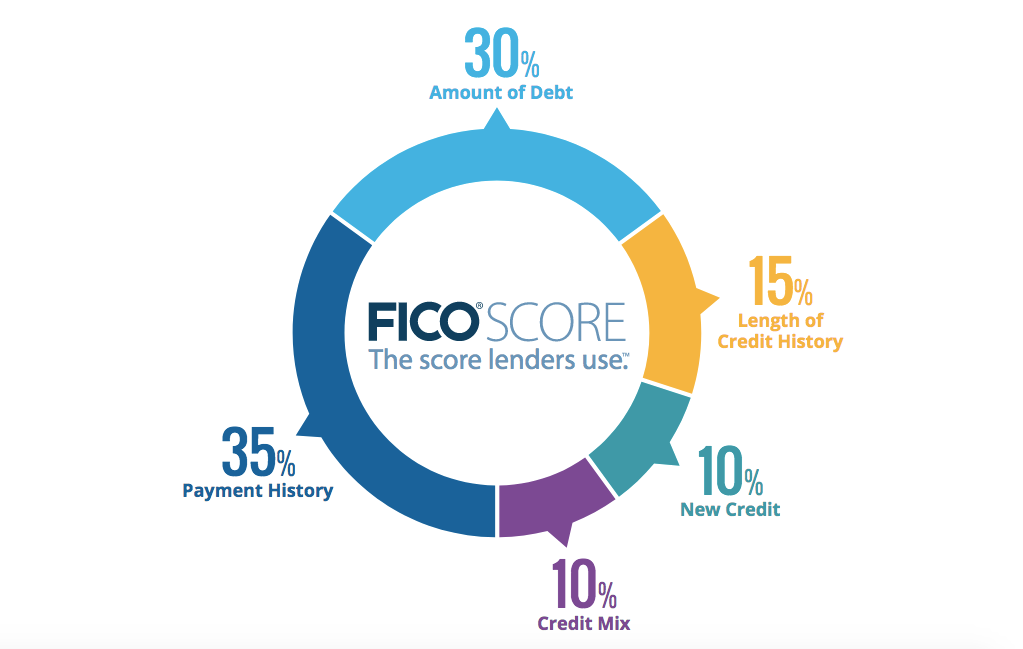
Missing a payment is a catastrophic error that impacts more than just your rewards balance. The financial industry operates on trust, and your payment history is the primary metric used to measure that trust. Under the FICO scoring model, payment history accounts for a staggering 35% of your total credit score. A single payment that is more than 30 days late can cause a credit score to plummet by 60 to 100 points, potentially staying on your credit report for seven years.
Beyond the credit score damage, late fees are a direct drain on your travel fund. Most issuers charge up to $41 for a late payment. To avoid this, financial experts recommend the "Set It and Forget It" method: activate autopay for at least the minimum amount due on every card. This ensures you never miss a deadline due to forgetfulness, even if you prefer to manually pay the full balance later in the month.
III. Thou Shalt Not Rush to Cancel a Card
A common misconception among beginners is that closing a card you no longer use is a "clean" way to manage finances. In reality, canceling a card—especially an older one—can be detrimental to your credit health. This is due to two factors: credit utilization and the average age of accounts. Credit utilization, which accounts for 30% of your FICO score, is the ratio of your total debt to your total available credit. If you close a card with a $10,000 limit, your total available credit shrinks, which can cause your utilization ratio to spike, signaling risk to lenders.

Furthermore, the length of your credit history makes up 15% of your score. Closing your oldest accounts shortens the "age" of your credit profile. Instead of canceling, look for a "downgrade" path. Most issuers allow you to move from a card with a high annual fee to a no-annual-fee version of the same card family. This preserves your credit line and your account age without costing you a dime in annual fees.
IV. Thou Shalt Not Lose Thy Rewards Upon Cancellation
If you must cancel a card, you must do so with a surgical plan for your points. Different types of rewards have different "lives." Co-branded cards, such as those from Delta, United, or Marriott, deposit points directly into your loyalty account with the airline or hotel. Once those points are in your Delta SkyMiles account, for instance, they remain there even if you close the American Express card that earned them.

However, "transferable" points—such as Chase Ultimate Rewards, Amex Membership Rewards, or Citi ThankYou Points—live with the bank. If you close your only Chase Sapphire card without first transferring your points to a partner (like Hyatt or United) or moving them to another Chase card you own, those points disappear forever. Before closing any account, audit your balance and ensure your "currency" has a safe home.
V. Thou Shalt Not Let Thy Rewards Expire
The "earn and burn" philosophy is popular among travel experts for a reason: points and miles are not a stable investment. Unlike a savings account, points are subject to inflation (devaluation) and expiration. While major airlines like Delta, United, Southwest, and JetBlue have moved to a "points never expire" model, others still require activity.

Programs like Hilton Honors or Marriott Bonvoy typically require some form of account activity every 12 to 24 months to keep the balance active. This "activity" doesn’t necessarily mean a flight or a hotel stay. Making a small purchase through an airline’s shopping portal or using a co-branded credit card to buy a pack of gum is usually enough to reset the clock for another two years.
VI. Thou Shalt Not Miss Out on a Welcome Bonus
The welcome bonus (or sign-up bonus) is the single most efficient way to accumulate massive amounts of points. A single bonus can often provide enough points for a round-trip international flight that would otherwise require $50,000 to $100,000 in normal spending. However, these bonuses come with strict "Minimum Spend Requirements" (MSR), often requiring you to spend $3,000 to $6,000 within the first three to six months.

Missing this window by even a single day or falling short by a single dollar means forfeiting the bonus entirely. Expert tip: Do not include the annual fee in your MSR calculations, as it does not count toward the requirement. Use tools like MaxRewards or a simple spreadsheet to track your progress, and consider timing your applications around large, planned expenses like insurance premiums, home repairs, or holiday shopping.
VII. Thou Shalt Maximize Category Bonuses
Using the wrong card for a purchase is a missed opportunity for "free" travel. Modern cards are designed with specific "multipliers." For example, the American Express® Gold Card earns 4x points at restaurants and U.S. supermarkets, while the Chase Sapphire Reserve® earns 3x on travel and dining. If you use a flat 1% cash-back card at a grocery store, you are leaving 3% or more in value on the table.

The goal is to build a "trifecta" or "quadfecta" of cards that cover your highest spending categories—usually dining, groceries, gas, and travel. By aligning your plastic to your lifestyle, you accelerate your earnings. If you find it difficult to remember which card to use, a small sticker on the back of the card or a digital wallet organization can help you stay optimized.
VIII. Thou Shalt Not Ignore Cards With Annual Fees
Psychologically, many consumers are averse to paying a $95, $250, or $695 annual fee. However, the "sticker price" of a card is rarely its "effective cost." Premium cards often come with credits that offset the fee entirely. For instance, the Chase Sapphire Preferred® Card has a $95 fee but offers a $50 annual hotel credit, effectively bringing the cost down to $45.

Furthermore, these cards provide intangible value through benefits like primary rental car insurance, lounge access, and "Global Entry" application fee credits. When evaluating a card, perform a "Net Value" analysis: (Value of Bonus + Value of Annual Credits + Value of Perks) – Annual Fee. If the result is positive, the card is a tool, not an expense.
IX. Thou Shalt Pursue Retention Bonuses
The relationship between a cardholder and a bank is a two-way street. Banks spend hundreds of dollars in marketing to acquire a single customer, and it is much cheaper for them to keep you than to find someone new. When your annual fee hits your statement, call the issuer. State that you are considering closing the account because the annual fee is difficult to justify.

Often, the representative will offer a "retention bonus"—either a statement credit to cover the fee or a chunk of points in exchange for a small amount of spending. This is essentially free money. Even if you plan on keeping the card anyway, it never hurts to ask if there are any "offers available on your account" to help offset the cost of membership.
X. Thou Shalt Avoid Foreign Transaction Fees
If you travel internationally, a 3% foreign transaction fee can quietly devour your rewards. Many mid-tier and premium cards waive these fees, but many "entry-level" or cash-back cards do not. If you spend $5,000 on an overseas vacation, a 3% fee adds $150 to your bill—likely more than the value of the points you earned on the trip.

Furthermore, beware of "Dynamic Currency Conversion" (DCC). When an international merchant asks if you want to pay in U.S. Dollars or the local currency, always choose the local currency. Choosing USD allows the merchant to set their own (usually terrible) exchange rate, which is essentially an additional hidden fee.
Bottom Line
The world of travel rewards is a meritocracy that rewards the organized and punishes the impulsive. By following these ten commandments, you move from being a consumer who "has a credit card" to a strategist who "manages a portfolio." The goal is not merely to spend, but to spend with intention. When you treat your credit with respect and your points with the same scrutiny you apply to your 401(k), the world becomes significantly smaller, and the front of the plane becomes a lot more accessible. Consistent adherence to these rules ensures that your travel rewards remain a benefit to your life rather than a burden on your finances.
