
 By admin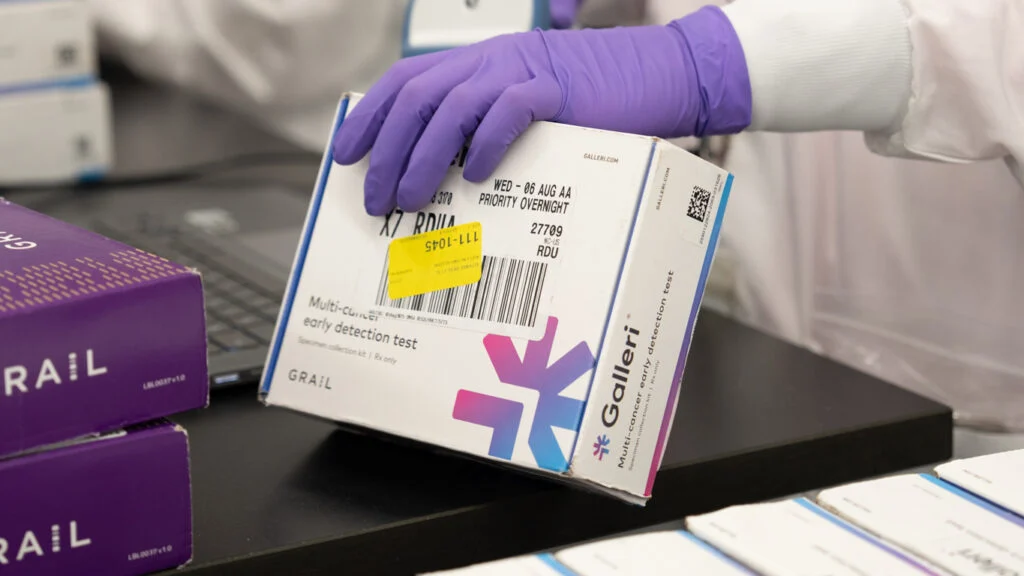
The company at the center of this controversy, Grail, was founded with a name intended to reflect its ambitious mission: finding the "holy grail" of oncology—a single blood test capable of detecting dozens of different types of cancer at their earliest, most treatable stages. The technology behind the Galleri test is undeniably sophisticated. It relies on the detection of cell-free DNA (cfDNA) shed by tumors into the bloodstream, specifically analyzing methylation patterns—chemical "tags" on the DNA—that can signal the presence of cancer and even pinpoint the organ of origin. While this "liquid biopsy" technology has shown immense promise in monitoring known cancer patients for recurrence or assessing the effectiveness of ongoing treatments, its application as a broad-based screening tool for the general population is a far more complex and ethically fraught endeavor.
The primary allure of multi-cancer early detection (MCED) is the "sooner is better" philosophy that has dominated cancer messaging for decades. Grail has capitalized on this sentiment, making bold claims that its test could save tens of thousands of lives annually while simultaneously reducing healthcare costs. However, the scientific reality presented by Grail’s own large-scale studies tells a different story. In a landmark partnership with England’s National Health Service (NHS), Grail conducted a trial involving 140,000 Britons to determine the test’s efficacy. The trial did not measure the gold standard of cancer screening—reduction in mortality—but instead focused on a surrogate endpoint: the reduction in the number of patients diagnosed with late-stage (Stage III and IV) cancers. The logic was that if the test found cancers earlier, there would be a corresponding drop in the number of people presenting with advanced disease.
Yet, the results of the Grail/NHS trial were decidedly negative. The test failed to show a significant reduction in late-stage cancer diagnoses. This mirrors a historical precedent in cancer screening; for instance, large-scale trials of ovarian cancer screening successfully identified more cases earlier but failed to change the ultimate death rate because the cancers found earlier were either too aggressive to be stopped or were types that did not require aggressive intervention. Despite this lack of evidence for clinical benefit, the FDA advisory panel’s recommendation for approval suggests a shifting regulatory landscape where technological novelty may be outweighing rigorous clinical outcomes.
The push for approval is not happening in a vacuum. It is bolstered by an unprecedented level of political and corporate maneuvering. Earlier this year, Congress passed the Medicare Multi-Cancer Early Detection Screening Coverage Act with broad, bipartisan support. The legislation is unique because it mandates that Medicare cover MCED tests immediately upon FDA approval, effectively bypassing the traditional review process conducted by the U.S. Preventive Services Task Force (USPSTF). Normally, the USPSTF—an independent panel of national experts—rigorously evaluates the balance of benefits and harms for any screening intervention before insurance coverage is mandated. By sidestepping this process, the Act removes a critical layer of protection designed to ensure that taxpayers and patients are not subjected to interventions that do more harm than good.
Grail’s lobbying efforts have been central to this legislative success. The company has spent millions of dollars influencing policymakers, even framing the adoption of MCED tests as a matter of social justice. In promotional materials and congressional testimony, Grail and its supporters, including the American Cancer Society’s advocacy wing, have suggested that these tests will help close the "cancer gap" and reduce health disparities among minority populations. However, many public health experts, including Dr. H. Gilbert Welch, a prominent researcher at the Center for Surgery and Public Health at Brigham and Women’s Hospital, argue that this is a deceptive narrative. Screening alone cannot resolve disparities rooted in unequal access to follow-up care, treatment quality, and the social determinants of health. In fact, an expensive, high-tech screening tool could exacerbate disparities if the subsequent diagnostic workups and treatments remain out of reach for marginalized communities.
The potential for "overdiagnosis" is perhaps the most significant medical concern associated with the Galleri test. Overdiagnosis occurs when a screening test identifies a cancer that is slow-growing and would never have caused symptoms or death during the patient’s lifetime. When these "pseudo-diseases" are found, patients often undergo invasive biopsies, surgeries, chemotherapy, and radiation—treatments that offer no benefit but carry substantial risks of side effects and psychological trauma. Multi-cancer screening tests are particularly prone to this because they cast such a wide net. By finding more "cancer," the test naturally produces more "cancer survivors," creating a powerful but misleading feedback loop. These survivors, often featured in emotional marketing campaigns, believe the test saved their lives, when in reality, many may have been diagnosed with a condition that never required treatment.
The economic implications of FDA approval are equally staggering. Dr. Welch estimates that if annual screening were adopted for the roughly 120 million Americans over the age of 50—the population for whom Grail recommends the test—the cost could range from $60 billion to $100 billion per year. This estimate is based on a per-test cost between $500 (the current Medicare benchmark for other advanced screening tests) and $949 (Grail’s list price). This figure does not even account for the "cascade" of follow-up costs. A positive Galleri test is not a diagnosis; it is a signal that requires extensive imaging, such as PET scans or MRIs, and invasive procedures to confirm the presence of a tumor. The financial burden of these follow-up tests, many of which will turn out to be false positives, could destabilize an already strained healthcare system and lead to higher premiums for all Americans.
Furthermore, premature FDA approval could stifle essential ongoing research. The National Cancer Institute (NCI) is currently preparing its own large-scale, randomized controlled trial of various MCED tests. Unlike the Grail/NHS trial, the NCI study is designed to use cancer mortality as its primary endpoint—the only metric that truly proves whether a screening test saves lives. If the FDA approves the Galleri test now and Medicare begins covering it, the NCI may find it nearly impossible to recruit participants for its trial. Potential volunteers are unlikely to join a study where they might be randomized to a "no-screening" control group if they can simply have the test covered by their insurance outside of the trial. This could permanently deprive the medical community of the data needed to understand the test’s true impact.
The history of cancer screening is replete with examples of initial enthusiasm being tempered by later evidence of harm. From the over-screening of prostate cancer with PSA tests to the debates over the frequency of mammograms, the lesson has consistently been that more screening does not always equal better health. The Galleri test represents the ultimate extension of the screening paradigm, and as such, it requires the ultimate level of scrutiny.
The FDA now stands at a crossroads. It can follow the recommendation of its advisory panel and usher in a new era of high-cost, high-tech screening based on surrogate endpoints and political pressure. Or, it can exercise regulatory caution, demanding that Grail provide definitive evidence that its test reduces the number of people dying from cancer. By waiting for the results of the NCI’s rigorous trials, the agency can ensure that it is protecting both the health and the pocketbooks of the American public. In the words of Dr. Welch, the mandate for the FDA should be clear: "Don’t approve the test. Test the tests." The "holy grail" of cancer screening may one day be found, but it should not be bought at the expense of scientific integrity and the economic stability of the healthcare system. Until the data confirms that these tests actually help people live longer, healthier lives, they remain a sophisticated promise rather than a proven medical necessity.
