
 By Rifan Muazin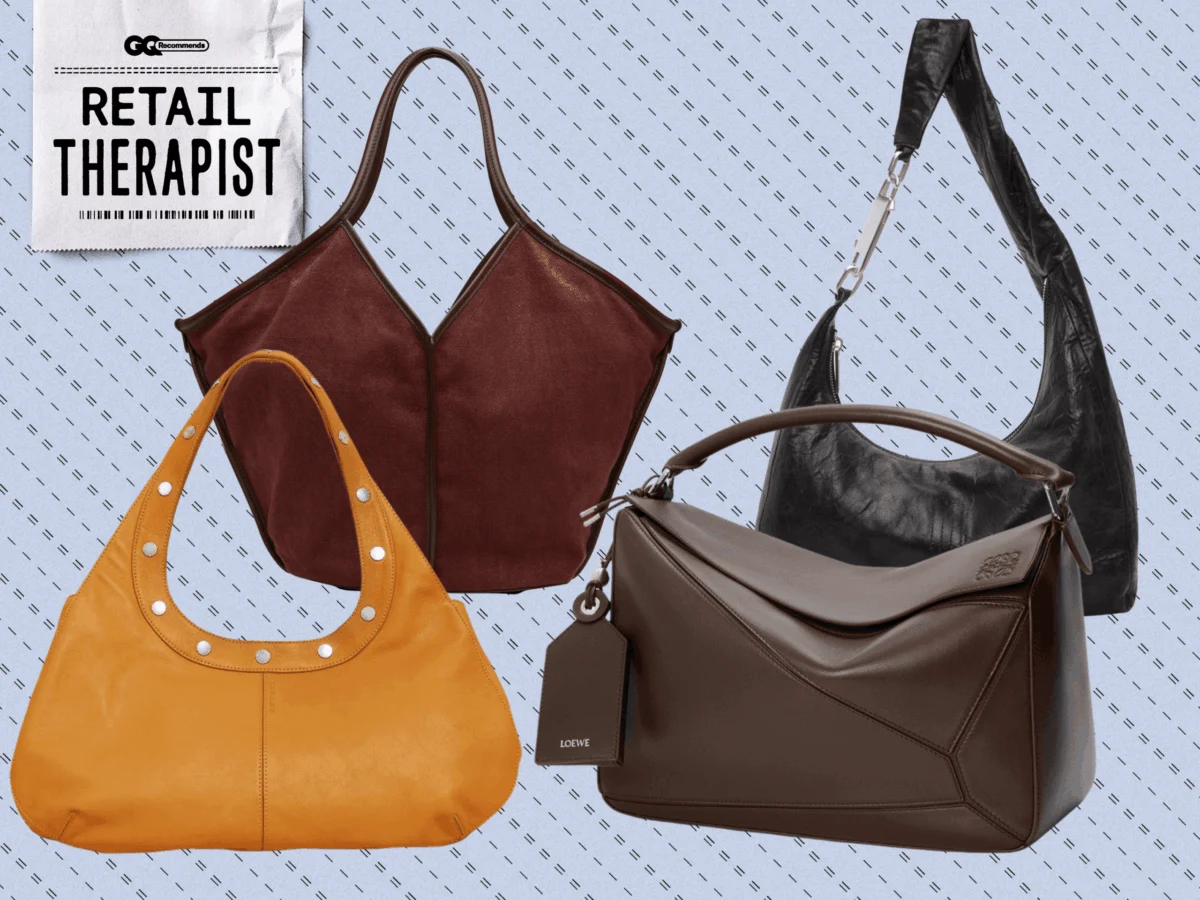
The psychological hurdle of moving beyond the tote is often rooted in the daunting variety of the current market. We are living in an era where the traditional boundaries of gendered fashion are blurring, leading to an explosion of silhouettes, materials, and price points. To navigate this landscape, one must look beyond mere utility and consider what Gerald Ortiz identifies as "bag attachment styles." This framework allows an individual to align their practical needs with their psychological relationship to fashion, ensuring that their first major investment is not just a purchase, but a reflection of their evolving self.
The first category for the transitioning tote enthusiast is the Upmarket Tote. This style serves as the most logical and comfortable evolution for someone who has spent years relying on the open-top, dual-handle convenience of a canvas bag. The Upmarket Tote retains the familiar silhouette but replaces flimsy cotton with luxurious materials like pebble-grained leather, buttery suede, or high-density technical fabrics. The shift here is one of quality and intent. A bag like the Métier Sergeant Suede Tote, retailing at approximately $4,050, represents the pinnacle of this category. Métier, a brand founded on the principle of "clutter-free" luxury, designs with obsessive attention to internal organization. While the exterior remains minimalist and understated, the interior is often a marvel of engineering, featuring dedicated compartments for tech, documents, and personal effects. This is the bag for the man who values security and familiarity but recognizes that he deserves a product that ages gracefully and commands respect in a boardroom.
For those seeking a similar structural familiarity at a more accessible price point, brands like Hereu offer the Calella Soft Linen Tote for around $530. By combining organic textures like linen with structural leather trim, Hereu bridges the gap between the casual "beach-ready" tote and a sophisticated city bag. This category appeals to the practical traditionalist—someone who wants their bag to be an elevated tool rather than a loud statement piece. It avoids the rigidity of a briefcase and the youthful connotations of a backpack, hitting a "sweet spot" of effortless professionalism.
The second category is the Capital-D Designer Handbag. This path is for the individual who views fashion as a form of social capital and a clear marker of taste. In this realm, the bag is an icon. Choosing a Gucci Jackie 1961 Medium Shoulder Bag ($3,450) or a Loewe Featherlight Puzzle Bag ($5,990) is an act of alignment with fashion history. The Jackie bag, originally popularized in the 1960s and named after Jackie Onassis, has been reimagined for the modern man, offering a sleek, hobo-style silhouette that exudes a refined, archival energy. Meanwhile, the Loewe Puzzle bag, designed by Jonathan Anderson, has become one of the most recognizable shapes of the 21st century. Its cuboid structure is composed of precisely cut leather pieces that allow the bag to fold completely flat—a feat of Spanish craftsmanship that signals a deep appreciation for avant-garde design.
Investing in a Designer Handbag is often about the assurance of the "known." These bags have high resale value on platforms like TheRealReal and Vestiaire Collective, making them safer financial bets than niche experimental pieces. They speak on behalf of the wearer, signaling an awareness of the luxury market and a commitment to high-end manufacturing. For the man who has spent years in the "anonymous" style of a canvas tote, stepping into the world of Gucci or Loewe is a bold declaration of his arrival into the upper echelons of personal style.
The third category, the "It" Bag, occupies a unique space defined by cultural momentum and insider knowledge. Unlike the timeless icons of the Designer category, an "It" bag is often tied to a specific "if you know, you know" (IYKYK) sensibility. These bags are the darlings of street-style photographers and fashion editors. They are often produced by smaller, more experimental labels or represent a specific, trendy moment within a major house. Currently, bags like the SC103 Record Messenger Bag ($550) or the Dragon Diffusion Nantucket Cactus Bag ($595) exemplify this trend.
SC103, a New York-based label, has gained a cult following for its hand-linked leather pieces that resemble chainmail or woven lattices. Carrying an SC103 bag tells the world that you are not just a consumer of luxury, but a participant in the cutting-edge dialogue of independent design. Similarly, Dragon Diffusion specializes in hand-woven leather that mimics the look of traditional reed baskets. These bags are tactile, artisanal, and inherently relaxed. The "It" bag user is a tastemaker; they aren’t interested in what everyone else is wearing—they are interested in what everyone will be wearing six months from now. This style requires a high degree of confidence, as these bags often challenge traditional notions of what a "men’s bag" should look like.
Finally, we arrive at the Petit Shoulder Bag, perhaps the most progressive and secure choice for the modern man. Often referred to as "hobo" bags or small crossbody styles, these bags reject the "bigger is better" philosophy. This category is defined by a radical honesty about one’s daily needs. In a digital age where a smartphone, a slim cardholder, and perhaps a pair of headphones are all one truly needs to carry, a massive tote or a heavy briefcase can feel like an unnecessary burden.
The Petit Shoulder Bag user is comfortable in their masculinity and has no qualms about adopting silhouettes traditionally categorized as feminine. The Toteme T-Lock Leather Shoulder Bag ($1,290) is a masterclass in this aesthetic—sleek, sculptural, and devoid of loud branding. For those who prefer a darker, more industrial edge, Rick Owens offers the Small Gemini Bag ($1,945), which features the designer’s signature brutalist hardware and unconventional proportions. These bags are about efficiency and "the edit." They pair perfectly with a tailored coat or a simple white T-shirt, acting as a functional piece of jewelry rather than a mere luggage item.
As the retail therapy session concludes, it is important to emphasize that a "bag attachment style" is not a life sentence. Style is a fluid, evolving process. A man might start his journey with an Upmarket Tote to ease the transition from his canvas roots, only to find himself gravitating toward the bold proportions of a Loewe Puzzle bag a few years later. The key is to assess one’s practical lifestyle—commuting habits, daily essentials, and professional environment—while allowing space for aesthetic experimentation.
The rise of the luxury bag in menswear is not merely a trend; it is a reflection of a broader cultural shift toward the "complete" wardrobe. Men are no longer expected to simply "carry things"; they are expected to curate their appearance with the same intentionality that has long been afforded to other areas of design. Whether it is the artisanal weave of a Dragon Diffusion tote or the historical weight of a Saint Laurent Mombasa, the right bag serves as a punctuation mark at the end of a well-crafted outfit. It is an investment in quality, a commitment to personal growth, and a definitive step away from the disposable nature of the canvas tote era. By understanding these four distinct categories, the "fashion anxious" can transform a daunting purchase into an empowering expression of their new, mature style.
