
 By admin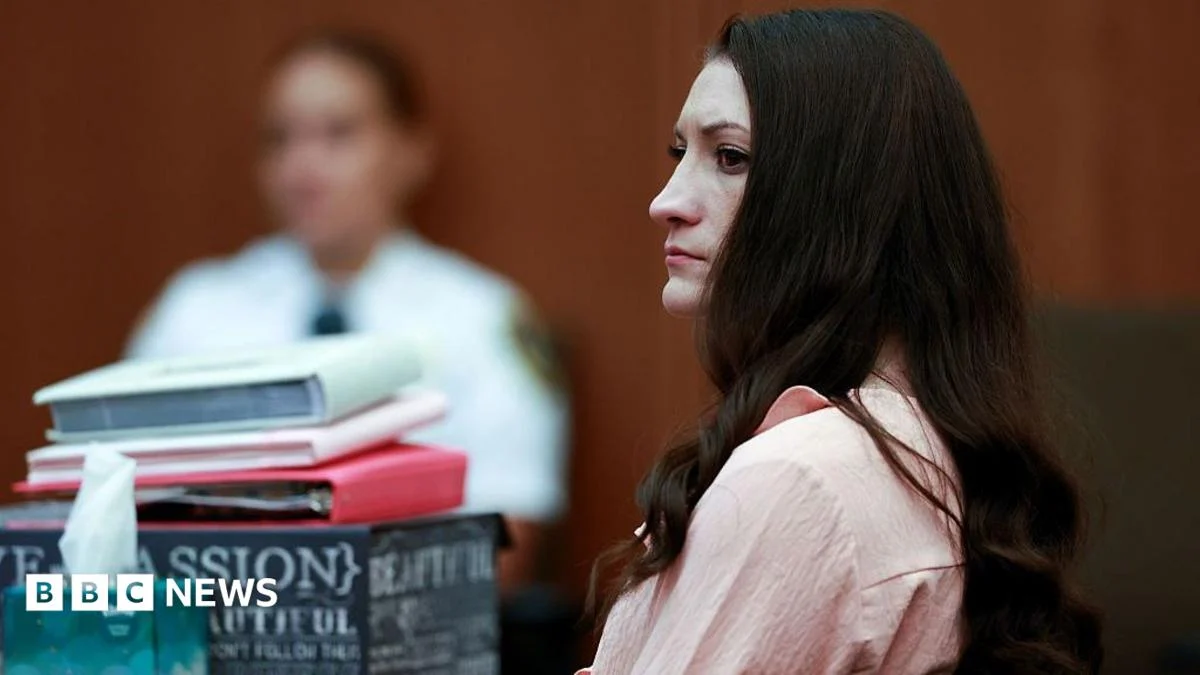
The core of the defense’s strategy has been to paint a picture of a woman consumed by profound mental distress, specifically postpartum psychosis, a severe mental health condition that can manifest after childbirth. Clancy’s attorneys have not contested her role in the killings; instead, they have focused on arguing that her actions were the product of hallucinations and delusions that took hold after the birth of her youngest child. Evidence presented to support this included her documented history of mental health treatment and a psychiatric hospital admission just days prior to the tragic events. Conversely, the prosecution has maintained that Clancy’s actions were deliberate and calculated, a premeditated decision to end her children’s lives. They allege that she orchestrated the circumstances by sending her husband, Patrick Clancy, on errands, ensuring his absence during the time of the murders. This prosecution narrative suggests a conscious intent to kill, devoid of the incapacitating mental state described by the defense.
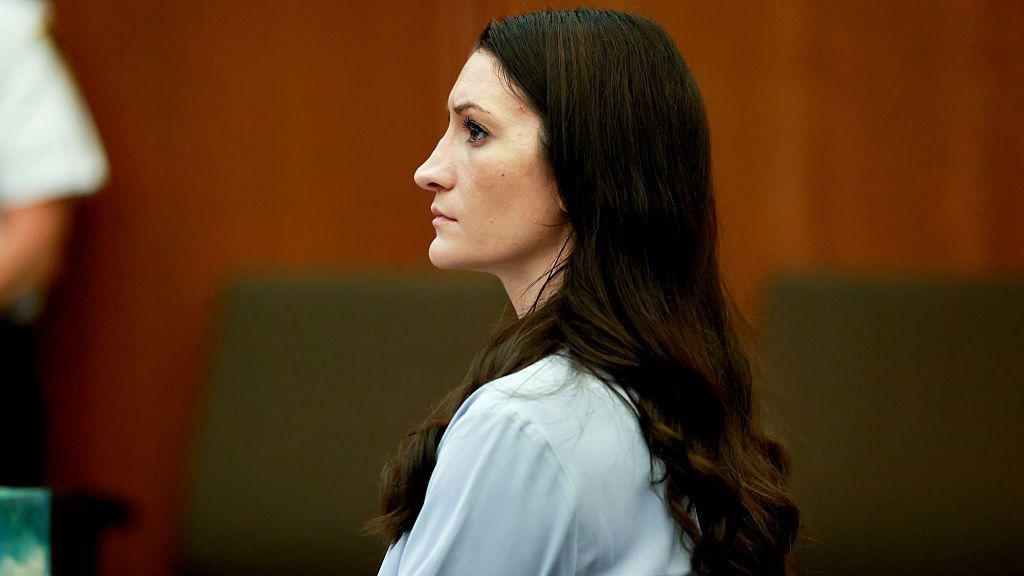
The tragic events unfolded on January 24, 2023, in Duxbury, Massachusetts. Prosecutors allege that Lindsay Clancy, then 36, intentionally strangled her three children with fitness bands within their family home. Following the killings, she reportedly jumped from a second-floor window, sustaining injuries that left her paralyzed and requiring her to attend court proceedings in a wheelchair. The image of a mother, physically incapacitated by her own actions, juxtaposed with the devastating loss of her children, has made this trial particularly poignant. The defense has emphasized Clancy’s prior mental health struggles, including seeking treatment and checking herself into a psychiatric facility, as evidence of her severe mental breakdown. This pre-existing condition, they argue, directly contributed to her state of mind at the time of the killings.
The five-week trial has been a public spectacle, drawing significant attention on social media platforms, with thousands tuning in to watch the proceedings unfold live. Outside the courthouse, a visible groundswell of support for Clancy emerged, with hundreds of women appearing in solidarity, donning pink shirts emblazoned with messages such as "She Needed Help" and "Peace For Lindsay." This public demonstration highlights the complex societal discussions surrounding mental health, maternal well-being, and the legal definitions of responsibility in cases of severe mental illness.

A particularly impactful and emotionally charged segment of the trial involved the testimony of Patrick Clancy, Lindsay’s ex-husband. Over two days, he provided a harrowing account of his ex-wife’s deteriorating mental health in the month leading up to the deaths. He described her significant weight loss, profound depression, and her struggle to cope, stating, "She started to lose a lot of weight, and she became very depressed, and she was having a really hard time." He detailed her intermittent engagement with medical professionals, her prescription of various medications, and her expressed thoughts of suicide. His testimony painted a picture of a woman in deep distress, grappling with overwhelming mental anguish.
Patrick Clancy recounted his final moments with his son Dawson, who was eating chicken nuggets on the couch, before he left to procure food and medication. The stark contrast between this seemingly normal family scene and the horror he discovered upon his return was palpable in his testimony. He returned to find his children dead, a discovery that led to a desperate 911 call. A recording of this call, played in court, captured Patrick Clancy’s anguished screams, "She killed the kids," a raw and devastating expression of his immediate grief and shock. Despite circulating conspiracy theories online speculating about his involvement, Patrick Clancy was never a suspect in the investigation; Lindsay Clancy herself admitted to the killings, and her defense has not disputed this fact.
The trial also featured intense battles of expert opinion, with over ten specialists testifying for both the prosecution and the defense. These expert witnesses, including psychiatrists and forensic psychologists, often found themselves at odds with legal teams over the interpretation of Clancy’s mental state and her treatment history. Clancy had been prescribed over a dozen medications throughout her treatment and had engaged with a suicide hotline and emergency room services. Her defense team championed the diagnosis of postpartum psychosis, a severe but rare condition characterized by mania, depression, or mixed symptoms in postpartum women, asserting that Clancy experienced hallucinations and delusions.
One particularly heated exchange occurred during the testimony of Dr. Jennifer Tufts, a psychiatrist who had seen Clancy over a dozen times during a five-month period. Tufts, testifying for the prosecution, stated that Clancy had not exhibited overt signs of psychosis during their sessions and that there were "no serious signs that her safety or anyone else’s safety was at risk." However, defense attorneys seized upon Tufts’ medical notes, which mentioned Clancy’s "not hyper, pressured speech." This phrase, they argued, could indicate a manic state, a symptom associated with severe mental illness. Tufts, however, contested this interpretation, asserting that the "not" applied to both "hyper" and "pressured," and insisted, "I don’t care what it says. I know what I meant."
The defense’s aggressive questioning extended to another prosecution expert, psychiatrist Dr. Avram Mack, regarding the diagnostic status of postpartum psychosis. Dr. Mack explained that the American Psychiatric Association classifies postpartum psychosis as a "proposed illness" rather than a fully recognized diagnosis. When pressed by defense attorney Kevin Reddington about whether it was a recognized diagnosis, Mack responded evasively, "I’m not sure if that specifically answers your question." Reddington, showing visible frustration, retorted, "I don’t care," underscoring the defense’s insistence on the severity and legitimacy of Clancy’s alleged condition.
Adding further emotional weight to the proceedings were the testimonies of Lindsay Clancy’s family members. Her former mother-in-law, Susan Clancy, described Lindsay as "begging for help" in the period leading up to the deaths. Susan Clancy testified that Lindsay suffered from insomnia, loss of appetite, and was experiencing significant anxiety and sadness. She characterized Lindsay as a "very nurturing" mother prior to the birth of her youngest son, highlighting the perceived drastic change in her mental state. Lindsay’s mother, Paula Musgrove, corroborated this, revealing that her daughter had confided in her and her ex-husband about thoughts of harming her children a month before their deaths. Musgrove also noted Lindsay’s increasing paranoia and her belief that her medications were "destroying her mind." Lindsay’s sister, Allison Ozga, testified that her sister had been experiencing suicidal thoughts daily in the month preceding the killings. These family accounts collectively reinforced the defense’s narrative of a woman in a severe mental crisis, overwhelmed by postpartum psychological distress.
A late-stage development in the trial saw the defense requesting a mistrial after prosecutors delved into Clancy’s Catholic faith. The prosecution had questioned Susan Clancy about whether she was aware that murder was considered a "mortal sin," following inquiries about her Catholic affiliation. Subsequently, forensic psychologist Kirk Heilbrun, who interviewed Lindsay Clancy post-killings, testified that he had asked her if suicide was considered a "mortal sin" as part of a discussion about her Catholic upbringing. Judge William Sullivan denied the mistrial request but sternly instructed the jury to disregard this testimony, labeling it "absolutely inappropriate" and emphasizing that it was "to be stricken. It is not to be considered. I can’t be any more clear of that." This judicial intervention aimed to prevent the jury from being swayed by religious considerations rather than focusing solely on the legal and psychological aspects of the case.
The deliberations are now in the hands of the jury, who must weigh the conflicting narratives of premeditated murder versus a descent into madness. The outcome will not only determine Lindsay Clancy’s fate but also reverberate through ongoing discussions about mental health in the legal system, particularly concerning postpartum conditions and the complex interplay of responsibility, illness, and justice. The case serves as a stark reminder of the profound challenges faced by individuals and families grappling with severe mental health issues, and the critical need for adequate support and understanding within society. The public awaits the jury’s verdict, which will bring a measure of closure to this deeply tragic chapter.
