
 By admin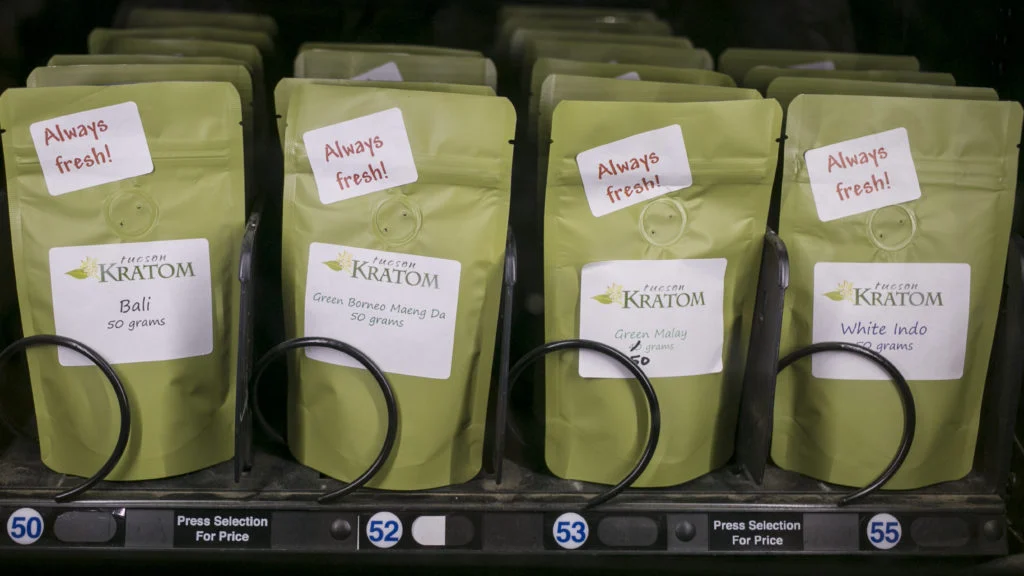
The redistribution of billions of dollars from national opioid settlements was intended to serve as a generational lifeline for communities ravaged by the addiction crisis, yet a burgeoning investigation into Louisiana’s spending reveals a stark divergence from public health priorities. Recent reports co-published by KFF Health News and STAT highlight a controversial trend among Louisiana sheriffs, who have allegedly funneled millions of dollars in settlement funds toward law enforcement hardware rather than the expansion of addiction treatment or harm reduction services. Central to this investigation is the acquisition of Flock Safety cameras—sophisticated, AI-powered automated license plate readers—which have become a symbol of the tension between punitive enforcement and therapeutic intervention. While law enforcement officials argue that these tools are essential for disrupting the drug supply chain, public health advocates point to the state’s escalating overdose rates as evidence that the funds are being diverted from their most effective use: keeping people alive. This misappropriation raises broader questions about the oversight of the more than $50 billion being distributed nationwide from settlements with drug manufacturers, distributors, and pharmacies, suggesting that without stricter mandates, the "restitution" meant for victims of the opioid epidemic may instead bolster the very carceral systems that many experts believe exacerbated the crisis.
In the political arena, the intersection of public health and ideology has reached a fever pitch as Health Secretary Robert F. Kennedy Jr. continues to engage in a high-profile dispute over vaccine efficacy and the resurgence of preventable diseases. The latest flashpoint occurred in Pennsylvania, where a measles outbreak resulted in two deaths, prompting Governor Josh Shapiro to issue a stern condemnation of the "misinformation machine" that has eroded public trust in pediatric immunizations. Kennedy responded by accusing the Governor of "gaslighting" the public, suggesting that the decline in vaccination rates is a byproduct of the Biden administration’s policies rather than his own long-standing skepticism toward the CDC’s recommended schedule. This rhetorical battle comes at a critical juncture; pediatric vaccination rates for MMR (measles, mumps, and rubella) have dipped below the 95% threshold required for herd immunity in several states, creating pockets of vulnerability that have led to the largest outbreaks seen in the United States in decades. Scientists and public health officials remain alarmed that Kennedy’s platform as a high-ranking official provides a veneer of legitimacy to debunked claims, potentially undoing decades of progress in eradicating childhood diseases.
Amidst these public health challenges, a significant clinical milestone has been reached with the FDA’s approval of Rasonque, a groundbreaking new treatment for advanced pancreatic cancer. For decades, pancreatic ductal adenocarcinoma has remained one of the most lethal forms of malignancy, characterized by late-stage diagnosis and a five-year survival rate that hovers around a dismal 12%. Rasonque represents a paradigm shift as the first precision medicine designed to target a specific genetic driver of the disease, offering hope to patients who previously had few options beyond standard, highly toxic chemotherapy regimens. Medical oncologist Andrew Ko described the approval as the most significant advancement in the field in over twenty years. However, the excitement surrounding the drug’s clinical efficacy is tempered by concerns over accessibility and cost. Early estimates suggest that Rasonque will carry a premium price tag typical of modern biologics, potentially costing hundreds of thousands of dollars per course of treatment. As the healthcare industry grapples with the "financial toxicity" of new oncology drugs, the debate intensifies over how to balance the rewards for pharmaceutical innovation with the need for equitable patient access.
Simultaneously, the American healthcare infrastructure is bracing for a monumental financial shock as the full implications of President Trump’s signature tax cut law begin to manifest. The legislation includes provisions that are projected to slash nearly $1 trillion from Medicaid funding over the next ten years, a move that hospital lobbyists warn could lead to widespread facility closures, particularly in rural and underserved areas. Medicaid serves as the primary payer for nearly half of all births in the U.S. and provides coverage for millions of low-income seniors and individuals with disabilities. Hospital systems, which have traditionally wielded significant influence in Washington, now find themselves in a defensive posture as they attempt to lobby for a delay or rollback of these cuts before they take effect next year. The political landscape, however, has shifted; there is a growing bipartisan skepticism toward large hospital conglomerates, which some lawmakers view as profit-driven entities rather than community safety nets. Senator Josh Hawley (R-Mo.) has emerged as a rare Republican voice expressing hesitation, suggesting that the reality of the cuts might force a legislative correction as the implementation date nears. The outcome of this struggle will likely dictate the stability of the American healthcare safety net for the next generation.
The regulatory environment for alternative substances is also undergoing a rapid transformation as the Drug Enforcement Administration (DEA) moves to tighten its grip on kratom-derived compounds. The DEA recently finalized a rule to ban three specific substances—MGPI, MGM-15, and MGM-16—placing them into Schedule I, the most restrictive category of controlled substances. Furthermore, the agency has extended the public comment period for a proposed ban on 7-hydroxymitragynine (7-OH), a potent psychoactive alkaloid found in the kratom leaf. While kratom has been used for centuries in Southeast Asia for its stimulant and analgesic properties, modern chemistry has allowed for the creation of highly concentrated 7-OH products that act as powerful mu-opioid receptor agonists. The DEA argues that these products pose a significant risk of addiction and overdose, akin to traditional opioids. This crackdown has significant political undertones, as some legislators have pointed to potential conflicts of interest within the administration. There are allegations that the 7-OH ban could selectively benefit certain players in the kratom industry who have ties to Health Secretary Robert F. Kennedy Jr., specifically companies like Botanic Tonics that market "whole leaf" products rather than isolated alkaloids. This regulatory battle highlights the difficulty of governing a burgeoning market of botanical supplements that blur the line between herbal medicine and illicit drugs.
Finally, a novel study into the digital lives of women experiencing menopause is shedding light on the disconnect between patient experiences and clinical documentation. Epidemiologist Yulin Hswen and her team at the University of California, San Francisco, conducted a comparative analysis between discussions on Reddit menopause forums and over two million electronic health records (EHRs). Their findings reveal a significant "data gap": symptoms that are frequently discussed with high intensity online—such as "brain fog," severe joint pain, and emotional volatility—are often absent or minimized in clinical notes. This suggests that physicians may be failing to capture the full spectrum of menopausal symptoms, possibly due to a lack of specialized training or the systemic dismissal of women’s health concerns. The study underscores the value of "real-world evidence" found in peer-to-peer digital spaces, where women often find the validation and information they are denied in the exam room. Hswen argues that by integrating these "digital biomarkers" into clinical practice, the medical community can better address the needs of a population that has historically been underserved and misunderstood.
As these various threads of health, politics, and technology converge, the overarching theme remains the struggle for a more transparent and responsive healthcare system. Whether it is the oversight of opioid settlement funds, the integrity of vaccine communication, the pricing of life-saving cancer drugs, the preservation of the Medicaid safety net, the regulation of emerging narcotics, or the validation of women’s health experiences, the stakes have never been higher. The decisions made in the coming months by regulators, legislators, and clinical leaders will reverberate through the lives of millions, defining the future of American public health in an era of deep political and social fracture. The data suggests that while innovation continues to flourish in laboratories, the equitable distribution and ethical management of these advancements remain the most significant hurdles to achieving a healthier society. The ongoing investigation into Louisiana’s spending serves as a cautionary tale: without rigorous accountability, even the most well-intentioned resources can be diverted, leaving those most in need to suffer the consequences of systemic failure. Progress, it seems, is not merely a matter of scientific discovery, but of the political will to ensure that such discoveries—and the funds meant to support them—are used for the common good.
