
 By admin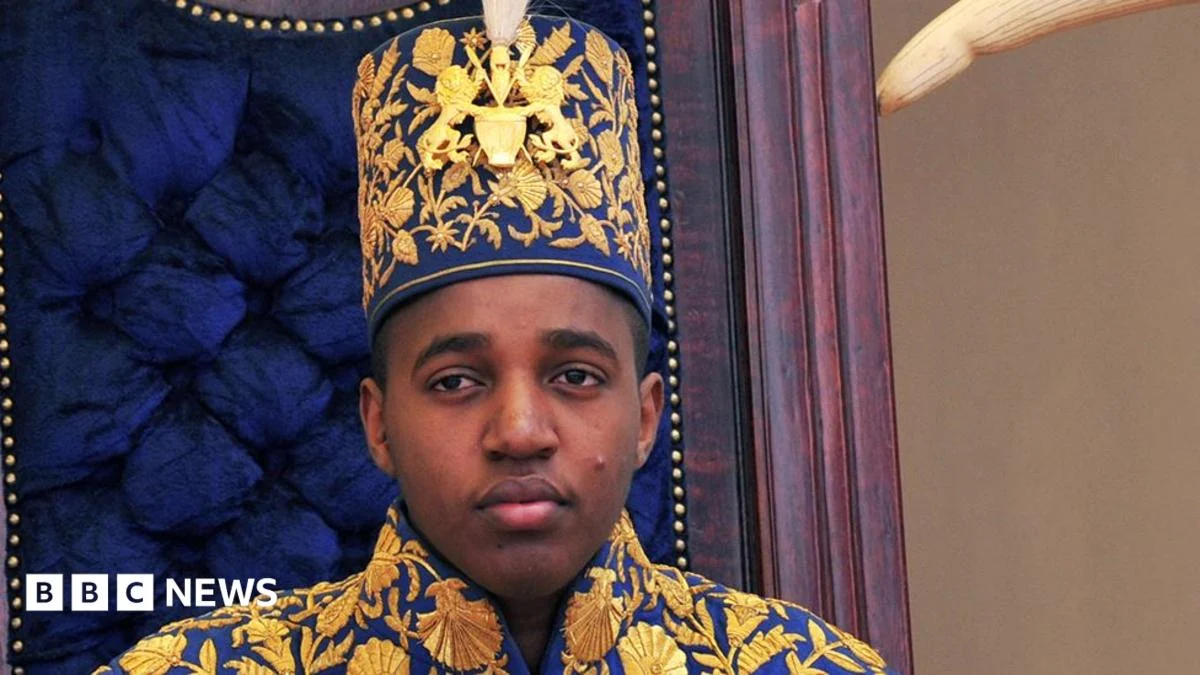
The nation of Uganda and the Tooro Kingdom are plunged into deep mourning following the untimely death of King Oyo Nyimba Kabamba Iguru Rukidi IV, a figure renowned globally as the world’s youngest reigning monarch. He passed away at the age of 34, a loss announced with profound sorrow by his Prime Minister, Calvin Armstrong Rwomiire Akiiki. The news, delivered on Friday, sent ripples of grief across the kingdom and beyond, marking the end of a reign that began in his infancy and spanned over three decades.
King Oyo ascended to the throne of the Tooro Kingdom in western Uganda in 1995, a mere three years old, inheriting the crown upon the tragic death of his father. This extraordinary circumstance, where a toddler assumed royal duties, led to his recognition by Guinness World Records as the youngest reigning monarch. His reign, though steeped in tradition, also navigated the complexities of a modernizing Uganda. While the exact cause of King Oyo’s death remains undisclosed by the Tooro Kingdom, local media reports, quoting a Ugandan government minister, indicated that His Majesty had been critically ill and was undergoing treatment in the United States. This suggests a battle against a serious ailment, adding a layer of poignant tragedy to his passing.
Uganda, while a republic governed by an elected president, retains a unique constitutional framework that acknowledges and respects several traditional kingdoms. These monarchies, including Tooro, do not wield direct political power in the national governance but continue to hold immense cultural and symbolic sway over their respective populations. King Oyo ruled over a kingdom that encompasses more than two million people, a significant demographic within Uganda. He was the 13th monarch of the Tooro Kingdom, an ancient institution with roots tracing back to the early 19th Century. His lineage and the history of his kingdom are integral to the cultural fabric of western Uganda.
Prime Minister Akiiki, in his somber announcement, described King Oyo’s passing as an "immeasurable loss" to the royal family and the entire populace of Tooro. His words, imbued with a deep sense of reverence and sorrow, urged the people of Tooro to remain united, calm, and prayerful during this "profoundly difficult time." The Prime Minister concluded his address with a heartfelt plea for eternal peace for His Majesty, a sentiment echoed by many who respected King Oyo’s dedication to his people and his kingdom.
The Tooro Kingdom, like many traditional monarchies, operates under a hereditary system for the succession of its rulers. This ensures a continuity of leadership, albeit with a profound sense of personal loss for the royal family and the nation. While King Oyo was not officially married, Prime Minister Akiiki assured the public that "the continuity of the Crown is assured." He elaborated that His Majesty leaves behind a Prince as his heir, whose identity will be formally revealed at the appropriate time, adhering strictly to the established traditions and customs of the Tooro Kingdom. This announcement seeks to alleviate any anxieties regarding the future of the monarchy and underscores the enduring strength of Tooro’s cultural institutions.
The early years of King Oyo’s reign were guided by a regency, a period of interim governance typically involving close family members, notably the Queen Mother. This arrangement was in place until Oyo reached the age of 18, at which point he underwent an official coronation, formally assuming the full responsibilities and authority of the King. This transition marked a significant milestone, allowing him to directly engage with his duties and lead his people.
Throughout his reign, King Oyo emerged as a respected figure among his subjects. Reports from the Daily Monitor newspaper highlighted his commitment to various social causes. He actively promoted initiatives focused on youth empowerment, recognizing the critical role of young people in the nation’s development. Education was another cornerstone of his advocacy, with efforts directed towards improving access and quality of learning within the kingdom. Furthermore, King Oyo demonstrated a keen awareness of environmental challenges, championing climate conservation efforts. His reign also saw a strong emphasis on public health, particularly in raising awareness and combating the scourge of HIV/Aids. These initiatives reflect a monarch who was not only a custodian of tradition but also a progressive leader attuned to the pressing needs of his people.
The broader impact of King Oyo’s passing has resonated across Uganda. The Buganda Kingdom, the largest and arguably most influential of Uganda’s traditional institutions, expressed its condolences to the people of Tooro. In their statement, they recognized King Oyo as a "valuable figure to Uganda," acknowledging his contributions to the nation’s rich tapestry of cultural heritage. This solidarity among the traditional kingdoms highlights a shared sense of loss and a mutual respect for their distinct roles in Ugandan society.
The legacy of King Oyo Nyimba Kabamba Iguru Rukidi IV is one of a young monarch who, thrust into leadership at an incredibly tender age, navigated the complexities of royal duty with grace and dedication. His reign, marked by both tradition and a forward-looking approach to social issues, leaves an indelible mark on the Tooro Kingdom and Uganda as a whole. As the kingdom embarks on the process of succession, guided by its ancient customs, the memory of King Oyo will undoubtedly serve as an inspiration, a reminder of a young leader who embraced his destiny and served his people with unwavering commitment. The challenges of succession are significant, especially given the young age of the heir and the cultural nuances involved in the formal reveal. However, the Prime Minister’s assurance of continuity and the inherent strength of the Tooro monarchy provide a foundation for stability during this period of transition. The outpouring of grief and respect from across Uganda signifies the profound impact King Oyo had, not just as a monarch of Tooro, but as a significant figure in the nation’s cultural and historical landscape. His passing at a relatively young age, before he could fully realize his potential and long-term vision, adds a layer of poignancy to his already remarkable life story. The world watches as the Tooro Kingdom prepares to usher in a new era, while cherishing the memory of the young king who captured the world’s attention and served his people with distinction. The coming weeks and months will be crucial for the Tooro Kingdom as it navigates this period of mourning and prepares for the formal enthronement of its new heir, a process that will undoubtedly be closely observed both domestically and internationally. The traditions and customs that have guided the kingdom for centuries will once again be at the forefront, ensuring a smooth and respectful transition of leadership, honoring the memory of King Oyo while safeguarding the future of the Tooro monarchy. The cultural significance of this event cannot be overstated, as it underscores the enduring importance of traditional institutions in contemporary Uganda and the deep-seated respect for royal lineage and heritage.
