
 By Lina Irawan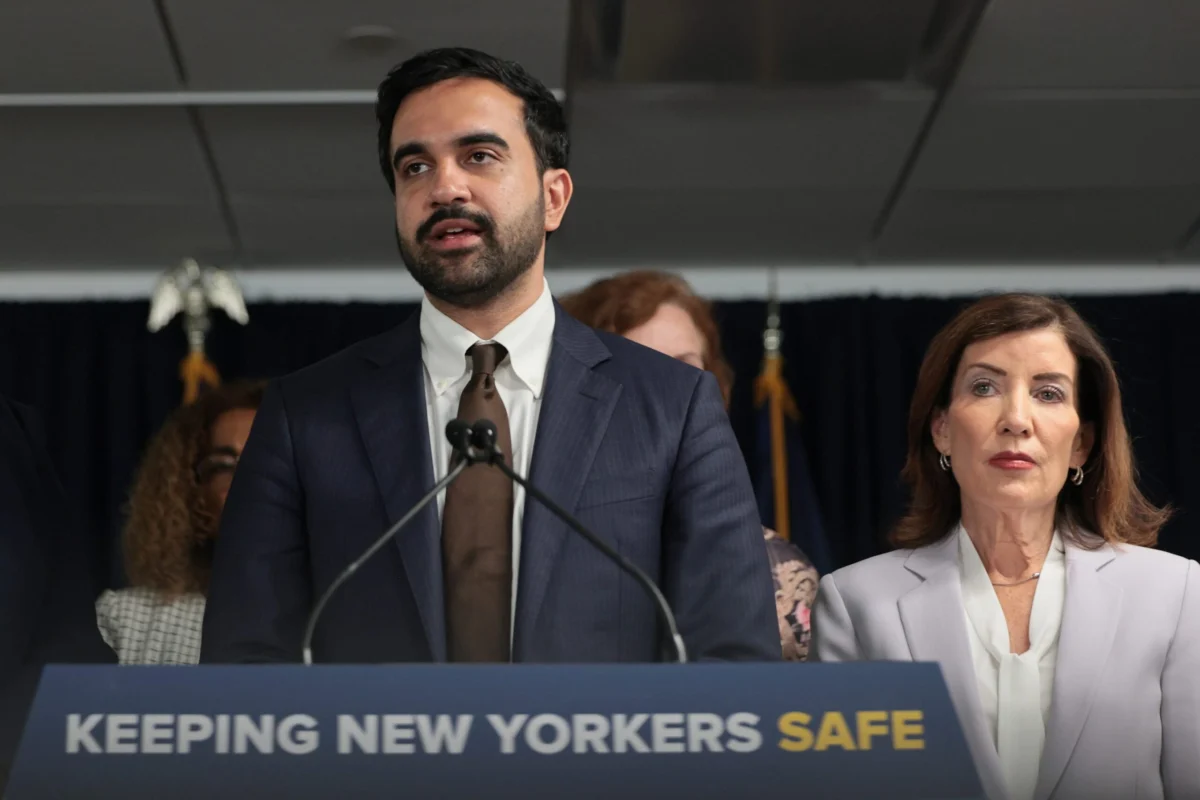
The pied-à-terre tax, a term derived from the French for "foot on the ground," refers to a secondary residence, typically an apartment or house used by owners who primarily live elsewhere. New York City’s version of this surcharge aims to address wealth inequality and generate substantial revenue for vital city services, such as affordable housing initiatives, public transit improvements, and infrastructure projects. The tax applies to non-primary residences, with a tiered rate structure: 0.8%–1.3% on homes valued over $5 million, and a steeper 4%–6.5% on condos and co-ops exceeding $1 million. These thresholds were specifically designed to target the city’s wealthiest property owners, particularly those who maintain luxury apartments as occasional residences rather than primary homes.
The tax was initially heralded by Mayor Mamdani as a progressive measure to ensure that the city’s most affluent residents contribute their fair share. He famously unveiled the plan in a video filmed outside Citadel billionaire Ken Griffin’s $238 million penthouse, using it as a potent symbol of the wealth the tax intended to tap. Governor Kathy Hochul stood alongside Mamdani when the tax was first announced in April, lending bipartisan support to the initiative. The state legislature swiftly passed the measure on May 27, and Governor Hochul signed it into law the very next day, paving the way for its implementation. Proponents argued that such a tax would not only fill city coffers but also potentially free up housing stock by disincentivizing speculative purchases of luxury properties left vacant for much of the year, thereby contributing to broader housing affordability goals.
However, the ambitious policy quickly veered into administrative disarray. The initial wave of notices sent out this summer warned approximately 17,000 owners that they might owe the surcharge. This first round of communication was widely criticized for its lack of clarity and for ensnaring thousands of legitimate primary residents who clearly did not meet the criteria for the tax. The Department of Finance’s supplemental roll, meant to flag properties potentially subject to the surcharge, ballooned into an unfiltered list of nearly a million properties. This massive, uncurated dataset was instantly branded a "rich hit list" online, sparking widespread panic and outrage. Homeowners who had unequivocally declared their properties as primary residences found themselves inexplicably targeted, leading to a deluge of inquiries and complaints to city agencies. The public relations fallout was severe, uniting not only the ultra-wealthy but also merely well-off New Yorkers in collective opposition and confusion.
The administrative blunder immediately attracted legal scrutiny. Randy Mastro, a prominent attorney known for his long history of litigating against the city, filed a lawsuit challenging the tax’s rollout. Mastro, representing a coalition of property owners, argued that the city’s haphazard approach violated due process and constituted an administrative overreach, forcing law-abiding citizens to prove their primary residency status due to the city’s own data deficiencies. The lawsuit quickly became a focal point for critics, further exposing the flaws in the DOF’s implementation strategy and putting immense pressure on the city to rectify its errors.
In a recent development, detailed in new court filings disclosed this week, the city has begun to clear 1,210 of the initially notified owners outright, acknowledging they do not owe the surcharge. The reason, according to city officials, has nothing to do with a change in the law but everything to do with timing and data acquisition. New York State sent the city’s DOF preliminary 2025 income-tax records on August 12, several months earlier than the agency would normally begin receiving them. Of the cleared group, 630 owners were exonerated because their 2025 tax returns explicitly listed the property as their primary home address. Another 580 were cleared using a combination of 2025 extension filings and 2024 returns, providing sufficient evidence of primary residency.
Mayor Zohran Mamdani addressed the issue at a Wednesday press conference, attempting to explain the DOF’s predicament. "By my last count, I think we sent out less than 20,000, ‘you may be subject to’ letters, I think it was about 17,000 or 18,000. And at the time that we sent those out, we did not have access to the 2025 income tax filings," Mamdani stated. He emphasized that the timing was not unusual on the state’s end, as 2025 filings are "typically released in February of the next calendar year," implying that the state simply granted DOF early access this time, allowing for belated corrections. This explanation, however, did little to quell the rising tide of skepticism and criticism regarding the city’s preparedness.
Despite the retractions, the DOF is simultaneously embarking on a second wave of mailings, targeting approximately 10,800 property owners. Mamdani laid out three distinct categories of properties the city is now scrutinizing. The first category, comprising about 6,400 households, involves properties owned by corporate entities such as LLCs or trusts. In these cases, the DOF lacks sufficient information to definitively identify the primary residence holder, necessitating further inquiry. The second category, though not part of the new mailings, refers to the 1,210 owners who were just cleared. The third category, accounting for about 4,400 households, consists of properties for which the DOF does not yet have 2025 tax returns that would indicate whether they are primary residences. The combination of the first and third categories makes up the 10,800 letters now being dispatched, indicating a continued struggle with comprehensive data.
Randy Mastro, seizing on the city’s admissions, did not mince words in his court filing. "There are many thousands fewer property owners subject to this surcharge than this administration originally boasted when it flooded the landscape with 17,000 threatening Mailed Notices," Mastro declared. He argued that the city had "effectively admitted" that some recipients of the initial letters "do not actually owe this surcharge," thereby vindicating the concerns of his clients. Mastro further challenged the city’s timing excuse, asserting that "The City admits that, after this lawsuit was filed on August 7, it obtained 2025 tax information within five days," which he claimed was irrefutable evidence that the DOF could have, and should have, acquired the necessary data before sending out any notices, not just reactively after being sued. His argument implies a fundamental lack of diligence and foresight on the part of the city administration.
The "rocky rollout" has not gone unnoticed by key political figures. New York Governor Kathy Hochul, who initially championed the tax alongside Mamdani, openly expressed her disapproval this week, stating she "wasn’t a fan of the rollout" and acknowledging that City Hall was actively working to correct the problems. Her public distancing signals a growing discomfort with the administrative missteps and the negative public perception generated by the tax’s implementation. Despite the political heat, Mayor Mamdani remained steadfast on the tax’s projected revenue, asserting at the same press conference, "We continue to be confident in that assessment of what the annual revenue will look like." This unwavering commitment suggests the city is banking heavily on the tax’s financial contributions, possibly to address significant budget shortfalls or fund ambitious new programs.
A DOF spokesperson, while acknowledging the issues, defended the department’s broader commitment to fairness and transparency. "From the beginning, we have been committed to ensuring that New Yorkers have the time and information they need. Property owners have until October 6th to file an exemption application. We have received the tax information from the state for 2025 and want to give New Yorkers more time to apply for an exemption, if applicable," the spokesperson stated. Mamdani also noted that October 6th isn’t necessarily the final word for owners who miss the deadline, assuring that "If New Yorkers still want to appeal an assessment, they can still appeal to the tax commission until early next year." These extensions and appeals processes are clearly designed to mitigate the damage from the initial errors and provide recourse for affected property owners, but they also highlight the significant administrative burden placed on both the city and its residents.
The ongoing saga of New York City’s pied-à-terre tax underscores the formidable challenges inherent in implementing complex new tax policies, especially those targeting specific demographics and relying heavily on data integration between different governmental bodies. The administrative hurdles of accurately identifying non-primary residences, particularly when properties are held in corporate structures or when current tax filings are unavailable, have proven to be far more significant than initially anticipated. This miscalculation has led to a significant erosion of public trust and a perception of governmental inefficiency.
From an economic perspective, while Mayor Mamdani remains confident in the revenue targets, the botched rollout could have unintended consequences. The confusion and the threat of erroneous taxation might deter future high-net-worth investment in the city’s luxury real estate market, potentially impacting property values and related economic activity. Critics argue that the administrative overhead and legal costs associated with the flawed implementation could significantly eat into the anticipated revenue, making the tax less efficient than projected. Moreover, the public backlash raises questions about the long-term political viability of such wealth taxes if their execution is perceived as arbitrary or incompetent. The balance between achieving equitable taxation and ensuring efficient, transparent governance remains a delicate tightrope for city officials.
As the lawsuit initiated by Randy Mastro continues to unfold, the city faces the prospect of further legal challenges and potentially court-ordered injunctions that could further delay or even reshape the tax’s application. The outcome of this legal battle will not only determine the fate of the pied-à-terre tax but also set a precedent for how future tax policies are implemented and how government agencies manage critical taxpayer data. The coming months will be crucial in determining whether New York City can salvage its ambitious revenue-generating scheme or if the "rocky rollout" will ultimately undermine the very goals it sought to achieve, leaving a legacy of confusion and mistrust in its wake.
