
 By admin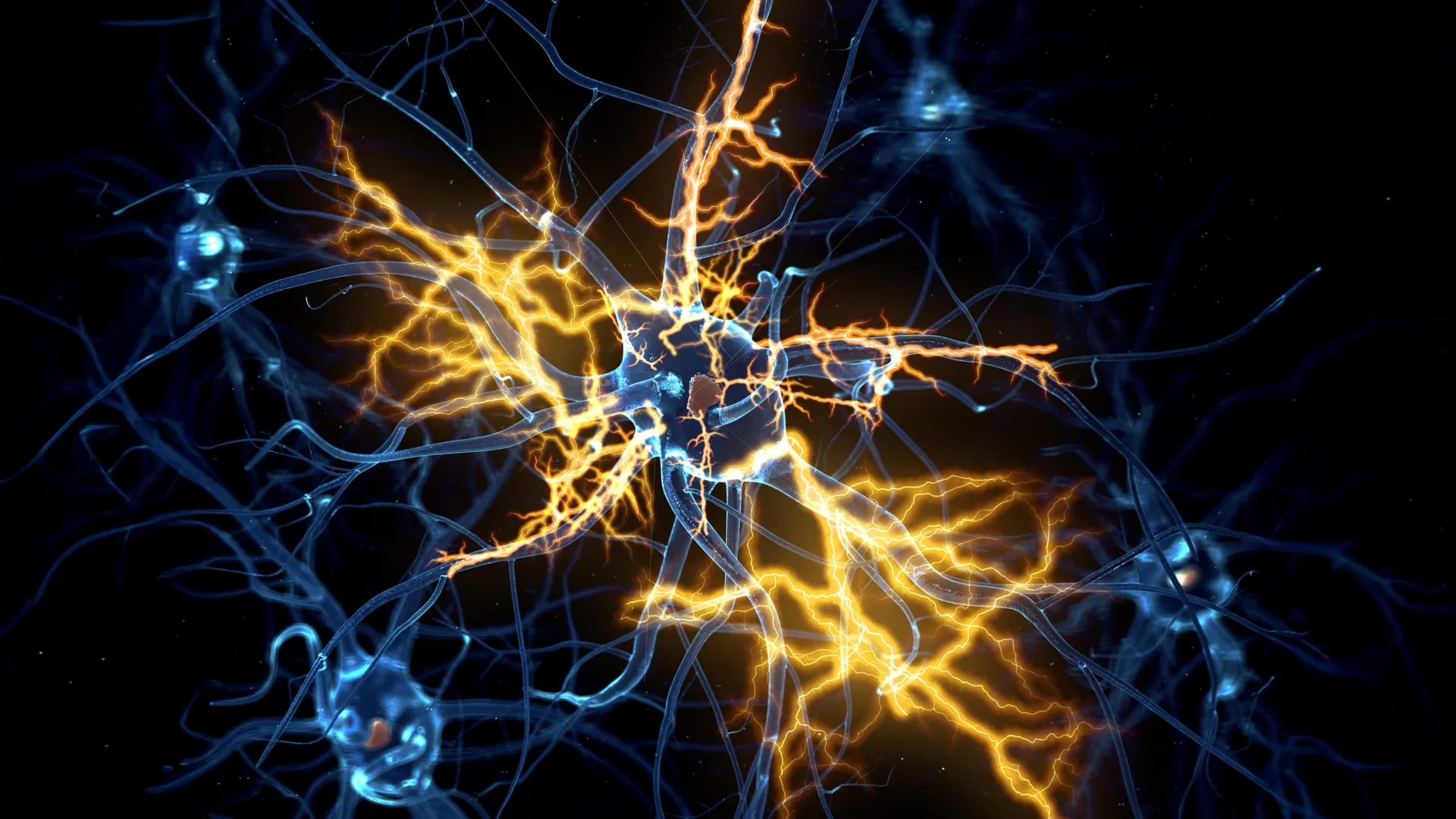
Axons, the elongated projections of nerve cells or neurons, are the fundamental conduits for transmitting electrical signals throughout both the central and peripheral nervous systems. These delicate, thread-like fibers are indispensable for facilitating communication between neurons, forming the intricate circuitry that underpins all bodily functions, from voluntary movement and sensory perception to complex cognitive processes. When axons are compromised, severed, or damaged, the ability of the nervous system to regain function hinges critically on the neurons’ capacity to repair and rebuild these vital connections. Without effective regeneration, the flow of information is disrupted, leading to a cascade of functional deficits.
The Enduring Challenge of Nerve Regeneration in Adult Mammals
A significant hurdle in neuroscience and regenerative medicine has been the observation that adult mammalian neurons possess only a limited, often insufficient, capacity to regenerate their axons after injury. This inherent regenerative failure is a primary reason why injuries to nerves or the spinal cord frequently result in debilitating, long-lasting, or even permanent impairments in motor control, sensory perception, and autonomic functions. The profound societal and personal burden of such injuries – from spinal cord trauma leading to paralysis to peripheral neuropathies causing chronic pain and weakness – underscores the urgent need for effective regenerative therapies. Understanding the precise molecular and cellular mechanisms that impede robust axonal regrowth has been a monumental challenge for researchers globally.
The newly published research from Mount Sinai dramatically shifts our understanding by pinpointing AHR as a critical, previously unrecognized, intrinsic regulator of how neurons respond to injury. Historically, research has focused on extrinsic factors like the inhibitory environment of the CNS (e.g., glial scar formation, myelin-associated inhibitors) and the PNS (e.g., Wallerian degeneration, inflammatory responses). While these external factors undoubtedly play a role, the current study highlights an intrinsic cellular "brake" within the neuron itself.
"When neurons are injured, they are thrust into a precarious balancing act: they must simultaneously contend with immense cellular stress while also attempting the arduous task of regrowing their damaged axons," explained Dr. Hongyan Zou, MD, PhD, Professor of Neurosurgery and Neuroscience at the Icahn School of Medicine at Mount Sinai and the study’s senior author. "Our team made the pivotal discovery that AHR functions akin to a molecular brake, effectively shifting the neuron’s metabolic and transcriptional priorities toward managing acute stress and ensuring survival, rather than channeling resources and energy into the resource-intensive process of rebuilding damaged connections."
The researchers conducted a series of elegant experiments that consistently demonstrated a clear inverse relationship: active AHR signaling suppressed axon growth, while its inhibition promoted it. When AHR was genetically removed from neurons (knockout models) or when its activity was pharmacologically blocked using specific inhibitory drugs, damaged axonal fibers exhibited markedly more successful and extensive regeneration. This critical finding was further validated in sophisticated mouse models of both peripheral nerve damage and spinal cord injury. In these in vivo studies, suppressing AHR activity translated directly into tangible functional improvements, including better recovery of movement and sensation, providing compelling evidence for its therapeutic potential.
The Intricate Tradeoff: Survival Versus Repair
To elucidate the underlying mechanisms governing AHR’s impact, additional experiments delved into the cellular consequences of its activity. The researchers discovered that following an injury, AHR plays a crucial role in orchestrating a protective cellular response centered on maintaining protein quality control, a vital process known as proteostasis. Proteostasis is the cellular machinery responsible for ensuring that proteins are correctly folded, assembled, and degraded, thereby preventing the accumulation of misfolded or aggregated proteins that can be toxic and lead to cell death. In the context of injury, this system helps injured neurons withstand the acute cellular stress, oxidative damage, and metabolic disruptions that inevitably accompany trauma.
However, this protective mechanism, while essential for short-term survival, comes with a significant cost to regeneration. The active maintenance of proteostasis, mediated by AHR, diverts substantial cellular resources and energy away from the production of new proteins—proteins that are absolutely essential for synthesizing new axonal structures and extending the growth cone. Essentially, the neuron makes a strategic choice: survive now, grow later.
Conversely, when AHR is inactive or inhibited, neurons appear to recalibrate their priorities. They significantly increase the production of new proteins, shifting their cellular machinery towards an anabolic state. Simultaneously, they activate specific biological pathways intimately associated with cellular growth and axon regeneration. The researchers further found that this regenerative response is intricately linked to another key molecular player: hypoxia-inducible factor 1-alpha (HIF-1α). HIF-1α is a master regulator of genes involved in cellular metabolism and tissue repair, often activated in low-oxygen conditions or cellular stress, and its upregulation when AHR is suppressed suggests a complex interplay that biases the neuron towards a repair-oriented phenotype.
"This discovery elegantly demonstrates that neurons utilize AHR as a finely tuned molecular switch to balance the immediate imperative of survival with the long-term goal of regeneration," Dr. Zou elaborated. "By effectively releasing this intrinsic brake, we can ‘reprogram’ neurons, pushing them into a physiological state that actively favors and promotes repair and regrowth over mere stress management."
An Unexpected Dual Role for a Toxin Sensor
One of the most intriguing aspects of this research is the identification of AHR’s unexpected role. AHR was initially characterized and widely studied for its primary function as an environmental toxin and pollutant sensor. It detects a broad spectrum of xenobiotics—foreign chemical compounds—including dioxins, polycyclic aromatic hydrocarbons (PAHs), and other environmental contaminants. Upon binding these ligands, AHR translocates to the nucleus, where it forms a complex with other proteins and initiates the transcription of genes involved in detoxification and metabolism, thereby protecting the cell from toxic insults.
The latest findings, however, dramatically expand our understanding of AHR’s biological significance, indicating that its role extends far beyond merely sensing environmental threats. Within neurons, AHR appears to serve as a crucial nexus, connecting the cell’s responses to its surrounding environment (including both exogenous toxins and endogenous stress signals generated during injury) with its intrinsic cellular processes that ultimately determine the fate of damaged axons. This dual functionality suggests that AHR is a sophisticated regulatory hub, integrating external cues with internal cellular decisions about survival, repair, and growth. This adds another layer of complexity to the neuron’s remarkable adaptive capabilities.
Moving Toward Potential Therapeutic Applications
The immediate and profound implication of this discovery lies in its therapeutic potential. A significant advantage is that several pharmaceutical agents designed to inhibit AHR are already in various stages of clinical trials for other medical conditions, such as autoimmune diseases (e.g., psoriasis) and certain types of cancer. This existing pipeline of AHR-inhibiting drugs could dramatically accelerate the translation of these preclinical findings into clinical applications for neurological injuries. The ability to repurpose existing drugs, which have already undergone initial safety and pharmacokinetic assessments, could shave years off the typical drug development timeline. This raises the tantalizing possibility that researchers could, in the not-too-distant future, investigate similar drugs as potential treatments for devastating injuries involving peripheral nerves or the spinal cord, and potentially even stroke or traumatic brain injury.
However, the researchers and the broader scientific community emphasize that this work, while immensely promising, remains at an early stage of preclinical development. Substantial additional research will be absolutely necessary before AHR targeting could be considered a viable therapeutic option for patients. Future studies will need to meticulously address several critical questions and challenges:
- Efficacy Across Injury Types: It is crucial to test how effectively AHR inhibitors work across the spectrum of different forms of neural injury. While promising results were seen in peripheral nerve and spinal cord injury models, their utility in other conditions like stroke, optic nerve injury, or various neuropathies needs to be rigorously evaluated.
- Optimal Treatment Parameters: Identifying the appropriate timing and dosage of AHR inhibition will be paramount. Is there a critical window post-injury where intervention is most effective? What is the optimal duration of treatment? How can systemic side effects be minimized while maximizing therapeutic benefit in the nervous system?
- Specificity and Off-Target Effects: While AHR inhibitors exist, their systemic use could have unintended consequences given AHR’s diverse roles in immunity, metabolism, and detoxification in other tissues. Future research will need to carefully examine how suppressing the protein affects other cell types involved in the injury response, such as immune cells, glia, and endothelial cells, which also express AHR.
- Targeted Delivery Strategies: To mitigate potential systemic side effects and enhance neuronal specificity, the Mount Sinai team plans to investigate more targeted approaches. This includes developing AHR-blocking drugs that can specifically cross the blood-brain barrier and accumulate in the nervous system, as well as exploring gene-therapy approaches designed to reduce AHR activity exclusively within neurons. Such strategies could offer a more refined and safer therapeutic profile.
- Combination Therapies: It is plausible that AHR inhibition could be even more effective when combined with other regenerative strategies. For instance, could it synergize with growth factor delivery, electrical stimulation, or biomaterial scaffolds designed to bridge gaps in damaged tissue?
- Long-term Safety and Efficacy: Comprehensive studies on the long-term safety and sustained efficacy of AHR inhibition will be essential before moving to human clinical trials.
The researchers hope that these advanced strategies, focusing on neuronal-specific reduction of AHR activity, can further enhance axon regeneration and significantly improve functional recovery following some of the most challenging neurological conditions, including spinal cord injury, stroke, and various neurodegenerative diseases. This discovery represents a significant leap forward in understanding the intrinsic mechanisms governing neural repair and opens an exciting new avenue for developing much-needed regenerative therapies.
