
 By Lina Irawan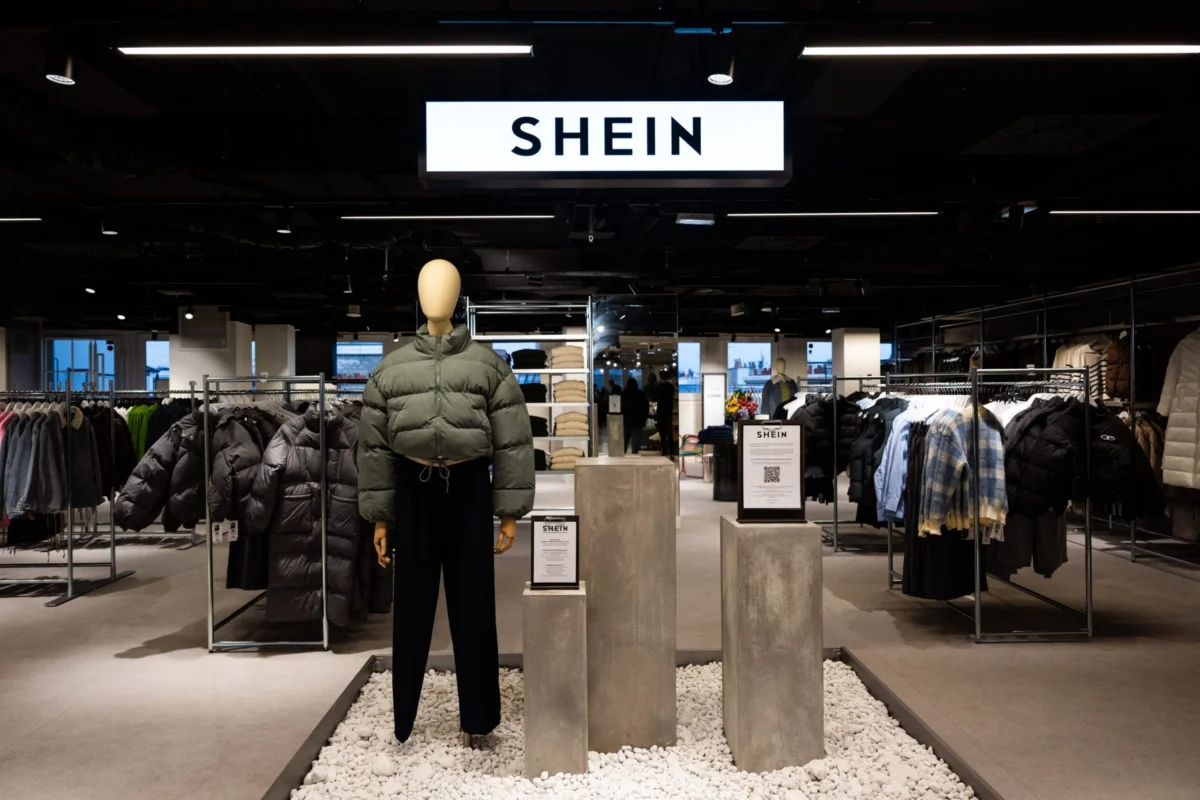
The precipitous decline in Xu’s riches is not merely an isolated incident but a confluence of external pressures and an unfortunate confluence of market timing. Shein has found itself embroiled in battles against increasing global tariffs, intensifying political scrutiny across key markets, and a rapidly evolving competitive landscape. Compounding these operational headwinds is a broader shift in investor sentiment, particularly within China’s public markets. Chinese consumer brands that ventured into public markets over the past year or so initially garnered robust investor interest, only to see their thunder stolen by a wave of artificial intelligence (AI) companies. These AI debuts have not only captivated global capital but have also minted a new generation of billionaires, overshadowing traditional e-commerce narratives.
“They definitely missed the window,” remarked Sam Wyatt, an international-equities portfolio manager at U Ethical Investors based in Melbourne, referring to Shein’s long-anticipated initial public offering. Wyatt emphasized that the e-commerce sector, while still vital, has become a far less attractive story to investors compared to the explosive potential perceived in AI and related technological advancements. This sentiment underscores a fundamental re-evaluation of growth narratives by the global investment community, where the promise of groundbreaking technology now outweighs even the most successful consumer-facing platforms.
Shein’s journey from a nascent startup to a global fast-fashion behemoth began in 2012. Sky Xu, then 43, co-founded the company with three partners, all of whom brought valuable experience from a shared background in search-engine marketing. This foundational expertise proved crucial, enabling them to leverage digital marketing and data analytics to cultivate Shein into an online retail powerhouse synonymous with cheap, trendy clothing. The business model was revolutionary: a hyper-responsive supply chain, often dubbed "real-time fashion," which could take a design from concept to production and then to consumers’ doorsteps in a matter of weeks, sometimes even days. This agility allowed Shein to constantly introduce thousands of new styles, catering to fleeting micro-trends and the insatiable demand of Gen Z shoppers. The company’s direct-to-consumer e-commerce model, combined with aggressive social media marketing campaigns featuring influencers, particularly on platforms like TikTok, fueled an explosion of sales, especially among young consumers during the peak of the Covid-19 pandemic. The global lockdowns and the pivot to online shopping provided an unprecedented tailwind, propelling Shein’s revenue and market share to dizzying heights, culminating in its peak $100 billion valuation.
However, the relentless pace of growth proved unsustainable in the face of mounting external challenges. Revenue growth has demonstrably slowed since its pandemic-fueled peak, as data disclosed by Shein in July ahead of its IPO indicated. A critical component of Shein’s early success was its ingenious, albeit controversial, strategy of sidestepping import taxes in key markets like the U.S. and Europe. The company skillfully utilized the "de minimis" rule in the U.S., which allows individual shipments valued under $800 to enter the country duty-free and with minimal inspection. By shipping orders directly to consumers in small, individual parcels, Shein effectively bypassed the tariffs and customs duties that larger, bulkier commercial shipments from China would incur. This competitive advantage was significantly undermined last year when the Trump administration signaled an end to this key tariff exemption, followed by the European Union’s announcement of a fixed customs duty on small parcels. These policy shifts directly impacted Shein’s cost structure and, consequently, its profitability, making its ultra-low pricing strategy harder to maintain.
Beyond tariffs, Shein has faced intense political and ethical scrutiny, particularly in Western markets where it initially sought to go public. Attempts to list in New York and London were met with significant pushback over concerns ranging from its labor practices to environmental impact. Allegations of forced labor in its supply chain, particularly concerning the Xinjiang region, and reports of exploitative working conditions for its factory workers, cast a dark shadow over its public image. The sheer volume of production inherent in its fast-fashion model also drew criticism for its environmental footprint, contributing to textile waste and carbon emissions. Furthermore, data security and supply chain transparency became key sticking points for regulators and investors alike. Despite executives attempting to distance the brand from its Chinese origins by moving its global headquarters to Singapore, the company’s operational backbone remains deeply rooted in China, ultimately necessitating approval from Chinese regulators for its IPO, a process that proved lengthy and complex.
“The direction of the market is changing, not in Shein’s favor, especially in recent years,” observed Sheng Lu, a professor in fashion and apparel studies at the University of Delaware. Professor Lu further highlighted that the advent of sophisticated AI is now leveling the playing field for Shein’s competitors. Where Shein once held an unparalleled advantage in rapidly identifying and responding to fashion trends through data, AI tools are now enabling other retailers, both established and emerging, to better and more quickly cater to changing consumer tastes. This technological democratization threatens to erode Shein’s unique edge, forcing it to compete on factors beyond just speed and low cost.
The broader market environment has also played a pivotal role in Shein’s diminished valuation. While some AI companies have indeed delivered blistering first-day gains, signifying a major shift in investor appetite, the overall performance of Hong Kong IPOs has been distinctly mixed. This broader trend has created a less hospitable environment for new listings, particularly for consumer brands. Shares of beverage maker Eastroc Beverage Group Co. and pig breeder Muyuan Foods Co., for instance, are both trading below their listing prices after debuts that exceeded $1 billion. Similarly, the founders of Mixue Group, a rapidly expanding bubble-tea chain, have seen their personal wealth shrink by more than a fifth since the company went public last year. These examples underscore a cooling enthusiasm for traditional consumer sector IPOs in Hong Kong, making Shein’s timing particularly unfortunate.
“Shein was the hottest topic two to three years ago — a Chinese firm that could have IPO’d in the US because it already had a strong fast-fashion brand in the US and strong consumer recognition,” commented Jason Hsu, chief investment officer at Rayliant Global Advisors. “But the hot topic now is AI.” This encapsulates the profound shift in market focus that has worked against Shein. The speculative fervor and growth narratives surrounding AI, from generative models to advanced robotics, have simply eclipsed the once-dominant story of e-commerce disruption.
Facing these multi-faceted challenges, Shein is now attempting to pivot its strategy. One of its key new growth strategies involves actively acquiring other brands, as evidenced by its recent acquisition of the U.S. apparel retailer Everlane. This move suggests a strategic shift towards diversification, potentially targeting different consumer segments and moving beyond its singular focus on ultra-fast, ultra-cheap fashion. By integrating established brands, Shein might aim to enhance its supply chain capabilities, expand its product offerings, and perhaps even mitigate some of the ethical and environmental criticisms leveled against its core model. However, successfully integrating and growing acquired brands while simultaneously navigating its own IPO and ongoing scrutiny presents a complex challenge.
The Hong Kong listing, while a significant milestone, represents a stark departure from the global ambitions Shein once harbored. The reduced valuation reflects not only the internal challenges and external pressures but also the pragmatic reality of a less forgiving investment landscape. For Sky Xu, the reclusive visionary who built an empire that once outshone fashion giants, the upcoming IPO marks a pivotal moment – a forced recalibration of ambition and wealth, driven by a world that has moved on to the next "hot topic," leaving the once-unstoppable fast-fashion machine to adapt or risk fading from the spotlight. A Shein spokesperson did not respond to a request for comment on these developments, maintaining the company’s characteristic reticence in the face of public scrutiny.
