
 By admin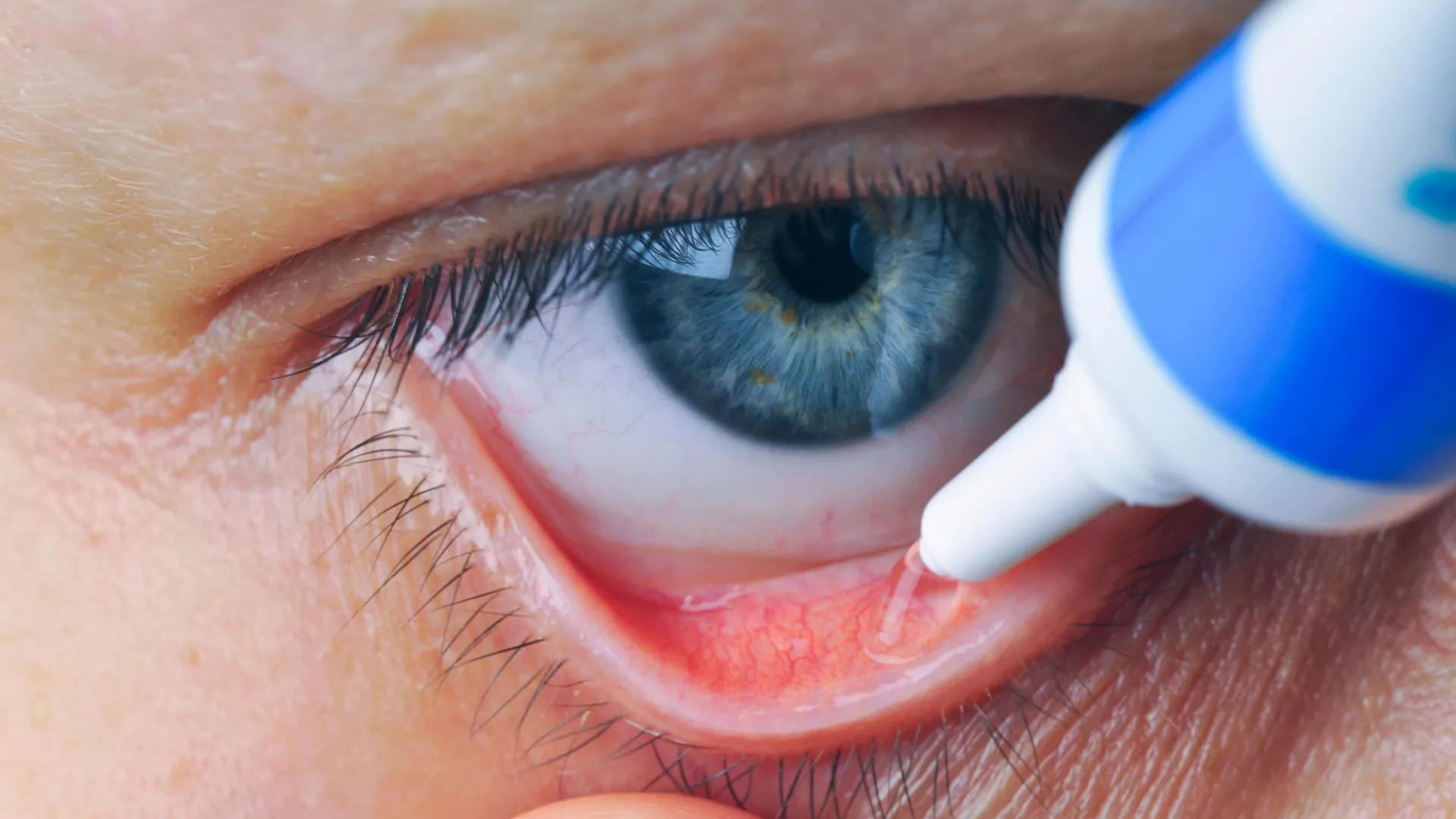
In the insidious progression of these debilitating diseases, the retina’s highly specialized photoreceptor cells – the rods and cones responsible for detecting incoming light and converting it into electrical signals – gradually deteriorate and eventually die. This loss is the primary culprit behind the loss of vision. Yet, remarkably, much of the intricate neural circuitry deeper within the retina often remains structurally intact and, crucially, functionally capable. The fundamental problem, however, is that without the photoreceptors to act as the initial light sensors, these surviving retinal cells are starved of the essential light signals they need to initiate the complex process of sending visual information toward the brain. The pathway is open, but the initial spark is missing.
This preserved but silent retinal circuitry has, therefore, emerged as a critical and highly promising target for scientists and clinicians striving to restore light sensitivity and functional vision. Current therapeutic strategies, while offering glimpses of hope, often come with significant limitations. Gene therapy, for instance, has shown promise for a select few, but its applicability is restricted to a small fraction of patients possessing particular genetic mutations, such as those with RPE65-associated retinitis pigmentosa, for which Luxturna is an approved treatment. This specificity limits its broad impact. Electronic retinal prostheses, such as the now-discontinued Argus II, represent another innovative approach, utilizing implanted devices to electrically stimulate surviving retinal cells. However, these systems are highly invasive, requiring complex surgery, are prohibitively costly, and demand extensive training for patients to interpret the rudimentary visual information they provide, typically offering only a low-resolution, "pixelated" form of vision. More recently, cutting-edge fields like optogenetics, which involves introducing light-sensitive proteins into neurons via gene therapy to make them responsive to light, and light-responsive small-molecule drugs have entered clinical testing. While light-responsive drugs have, encouragingly, produced promising safety results in initial trials, the formidable challenge of restoring high-quality, nuanced vision under ordinary, everyday levels of illumination remains a significant hurdle.
Light-Activated Drugs: A Novel Paradigm for Vision Restoration
Against this backdrop of unmet needs and evolving therapeutic landscapes, a groundbreaking development has emerged from a leading research consortium. This interdisciplinary team, spearheaded by the Institute for Bioengineering of Catalonia (IBEC), has successfully developed a revolutionary new class of photoswitchable small-molecule drugs. These compounds are meticulously designed to restore critical visual functions in various animal models of blindness, representing a significant leap forward in the quest for accessible vision restoration. The remarkable findings from this extensive research were recently published in the prestigious Journal of the American Chemical Society (JACS), signaling their scientific rigor and potential impact.
The innovative compounds are engineered to effectively take over a part of the crucial job normally performed by the now-absent photoreceptors. A key advantage lies in their non-invasive delivery methods: they can be administered either by a simple injection into the eye, much like other common ophthalmic drugs used for conditions like wet AMD, or, even more remarkably, applied topically as eye drops. Crucially, neither of these methods necessitates genetic modification of the patient’s cells nor the surgical implantation of a device, thereby significantly reducing risks, costs, and barriers to access. Furthermore, these compounds have demonstrated exceptionally promising safety profiles in preclinical studies, positioning them as compelling candidates for future human therapies aimed at broadly restoring vision.
"These molecules do not cure blindness in the sense that they do not address the underlying cause of photoreceptor degeneration, which often involves complex genetic or age-related factors," explains Pau Gorostiza, an ICREA Research Professor at IBEC, who leads the Nanoprobes and Nanoswitches group, is a member of CIBER-BBN, and co-leader of this pivotal study. "However, what they achieve is remarkably effective: they restore sight, and they do so using a very simple, non-invasive, and potentially patient-friendly approach that sidesteps many of the complexities of existing therapies." His insights highlight the practical and immediate benefit these drugs could offer, focusing on functional restoration rather than a complete biological reversal of the disease.
Adding to this perspective, Rosalba Sortino, a former PhD student at the University of Barcelona, now a postdoctoral researcher in Gorostiza’s group at IBEC and a co-first author of the study, elaborates on the foundational philosophy behind their design. "Our overarching goal was to restore vision using a molecular mechanism that operates as closely as possible to how the healthy retina functions naturally," Sortino states. "Instead of attempting to bypass or crudely stimulate the entire retinal processing network, we specifically aimed to reactivate it precisely at the same level of the retinal circuit as the lost photoreceptor cells. This targeted approach is designed to preserve as much of the retina’s intrinsic signal processing capabilities as possible." This strategy is a significant departure from approaches that simply stimulate ganglion cells, which can result in lower-resolution vision.
This monumental achievement is the culmination of more than a decade of dedicated, multidisciplinary research, involving a broad collaboration of esteemed institutions. The project benefited from the expertise of the team led by Pedro de la Villa at the University of Alcalá (UAH), alongside researchers from the Institut de Química Avançada de Catalunya (IQAC-CSIC), the University of Barcelona (UB), the Institute Ramón y Cajal of Health Research (IRYCIS), the Autonomous University of Barcelona (UAB), and the Fundació Eduard Soler, underscoring the collaborative spirit essential for such complex scientific breakthroughs.
Restoring Functional Vision in Blind Animals: Proof of Concept
The scientific bedrock of this innovative technique is photopharmacology, a cutting-edge approach that allows the activity of a drug to be precisely and reversibly controlled using light. This is achieved by subtly altering the chemical structure of a conventional drug, incorporating a highly specialized light-sensitive molecular switch. When this switch is exposed to light of a specific wavelength or intensity, it undergoes a conformational change, thereby altering the drug’s activity, either activating or deactivating it. This provides unprecedented spatiotemporal control over drug action.
Harnessing this sophisticated strategy, the IBEC team meticulously created a novel family of compounds, collectively known as prosthe6. These molecules are specifically designed to target ON-bipolar neurons, a critical class of cells in the retina’s signal processing pathway. In compelling preclinical studies, prosthe6 demonstrated its efficacy by successfully restoring saccadic eye movements – the rapid, involuntary eye movements crucial for visual tracking and acuity – in blinded zebrafish larvae. Zebrafish are a well-established and powerful model organism for investigating visual function due to their transparent embryos and genetic tractability.
Even more remarkably, the researchers observed that the prosthe6 treatment could restore innate light-avoidance behavior in mouse models of both age-related macular degeneration and retinitis pigmentosa. This particular behavioral assay is highly significant because it directly assesses a fundamental visual response. Healthy mice instinctively exhibit a strong preference for darker environments and actively avoid brightly illuminated spaces, a behavior entirely dependent on a functioning visual system. In stark contrast, blind mice, lacking the ability to detect differences between light and dark, lose this innate preference and navigate indiscriminately.
However, following the administration of prosthe6, the blind mice once again spontaneously favored dark areas over light ones. This profound behavioral shift unequivocally indicated that they were not only able to detect light but also to process this visual information sufficiently to guide their actions and make visually-driven decisions. Crucially, no prior training or conditioning was necessary for the mice to exhibit this restored behavior, suggesting a natural and intuitive return of light perception.
Furthermore, the restored visual effect occurred at illumination levels highly relevant to daily life – similar to those found indoors or outside on an overcast day. This crucial detail suggests that the prosthe6 treatment restored functional light perception robustly enough to elicit natural, visually guided behavior under normal ambient light conditions, a significant advantage over therapies that require specialized or unusually intense light sources. Among the family of compounds, two in particular, prosthe6-12 and prosthe6-15, yielded especially promising results, with the restored visual behaviors appearing not only after injection into the eye but also following simple topical administration as eye drops, further enhancing their potential for patient-friendly application.
Replacing the Function of Lost Photoreceptors: The Molecular Prosthesis
The ingenious mechanism by which prosthe6 operates lies in its precise targeting of ON bipolar cells. These are vital retinal neurons that, in a healthy eye, normally receive and process information directly from the photoreceptors, the cells primarily responsible for sensing light.
"In healthy vision, ON bipolar cells play an absolutely key role in passing on information about the presence of light to the rest of the visual circuit, ultimately leading to the brain’s interpretation of an image," explains Pedro de la Villa, a co-leader of the study. "In degenerative eye diseases, although the photoreceptors are lost, much of this underlying circuitry, including the ON bipolar cells, often remains remarkably intact but, crucially, inactive. This physiological state creates a major therapeutic opportunity, a window to re-engage the dormant visual pathway."
Specifically, the prosthe6 compounds target a particular protein known as mGlu6 (metabotropic glutamate receptor 6) within this surviving retinal circuitry. mGlu6 receptors are normally activated by glutamate released from photoreceptors in the dark, initiating the signal cascade that ultimately leads to light detection. By directly modulating this receptor, prosthe6 can effectively substitute for some of the critical functions normally provided by the missing photoreceptors. When light reaches the eye, the prosthe6 molecules undergo their characteristic light-induced change in shape. This conformational shift, in turn, triggers signaling within the ON bipolar cells in a way that remarkably mimics the normal physiological visual process. The researchers aptly describe these compounds as "molecular prostheses" because they allow the retina to respond to light again, effectively bypassing the need for implanted hardware or genetic modification.
Another exceptionally important feature of these compounds is their ability to function effectively under ordinary, ambient illumination. Unlike certain optogenetic approaches that often require specialized devices to amplify or deliver specific wavelengths of light, prosthe6 does not. The molecules are small, water-soluble, and critically, they respond to common visible or white light, including normal indoor illumination and natural daylight. This eliminates the need for unusually intense or specialized light sources, making them far more practical and user-friendly for everyday living.
Moving Toward Possible Human Treatments: The Road Ahead
The timing of these findings is particularly auspicious, arriving shortly after the publication of results from the first-ever clinical trial of a photopharmacological drug for vision restoration (which targeted an unrelated protein). That landmark clinical milestone underscores the maturation of the photopharmacology field, signaling its transition from purely experimental research toward tangible clinical application. This growing clinical validation lends significant credibility and momentum to the prosthe6 approach.
Recognizing the immense potential, the prosthe6 technology is currently protected by patent. The research team is now intensely focused on the critical next steps: comprehensive studies into its long-term safety, optimal formulation, and pharmacokinetic properties, with the overarching goal of extending the duration of the restored visual function. Longevity of effect is paramount for any chronic treatment.
To facilitate the crucial translational development and pave the way for future clinical trials in humans, the team is actively collaborating with Eyelumina, a spin-off company currently in formation. Eyelumina’s mission will be to secure the necessary investments to bridge the gap between groundbreaking laboratory discovery and clinical reality.
"Turning this remarkable scientific breakthrough into an approved, widely available therapy is undeniably a long, complex, and laborious process," acknowledges Professor Gorostiza. "However, the compelling results we have achieved clearly demonstrate that there is a realistic and highly promising possibility of restoring high-quality vision with drugs. This approach is non-invasive, potentially reversible, and operates via a mechanism that is elegantly independent of the specific retinal disorder or underlying genetic mutation. This universality means it has the potential to reach a vast majority of patients currently suffering from photoreceptor degeneration."
If this innovative approach ultimately proves successful and safe in human clinical trials, it could revolutionize the landscape of vision restoration. It would provide a widely accessible, affordable, and patient-friendly alternative to current vision-restoration technologies, many of which are invasive, expensive, or highly specific. This drug-based therapy could be particularly transformative for the millions of people living with advanced retinal degeneration who, at present, have no effective treatment options available to them, offering a renewed sense of hope and the profound gift of sight.
The initial stages of this transformative project received vital early funding from dedicated patients’ foundations such as Fundaluce (2016), as well as significant support from CaixaHealth (Drug4sight, 100010434), the Government of Catalonia (through its Innovadors, Producte, and Peris programs), and CIBER-BBN (via its valorization program), highlighting the critical role of diverse funding sources in fostering innovation. This seminal work also formed a central part of Rosalba Sortino’s exceptional doctoral thesis, which was presented at the Faculty of Pharmacy and Food Sciences and subsequently awarded the prestigious Extraordinary Doctoral Prize for the 2023-24 academic year by the University of Barcelona, recognizing the profound impact and quality of her contributions.
