
 By admin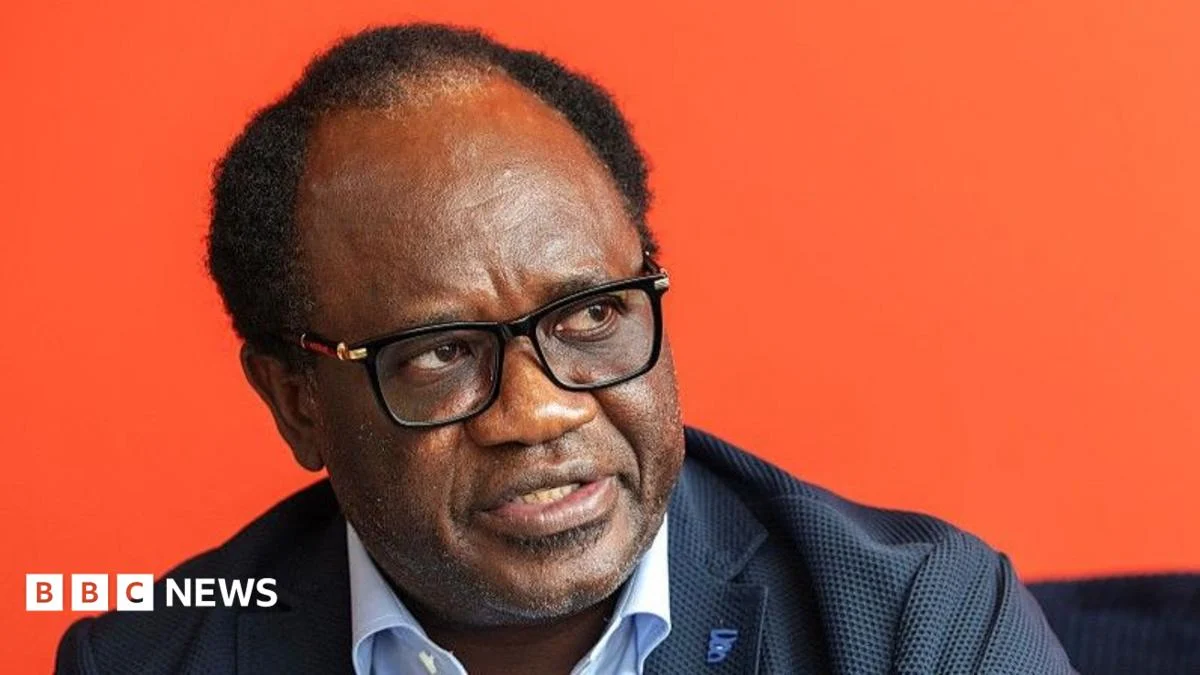
In a dramatic turn of events that has plunged Zambia into a deepening political crisis, opposition leader Brian Mundubile has been formally charged with treason, his legal representative confirmed on Saturday night. The charges, announced by lawyer Milner Katolo, follow a period of intense political volatility, marked by a deadly raid by security forces and Mundubile’s subsequent temporary sanctuary within a United Nations facility in Lusaka. The arrest and subsequent charges against Mundubile and at least 17 other individuals, including his running mate Makebi Zulu, have sent shockwaves across the nation and raised serious concerns about the state of democratic freedoms and the rule of law in Zambia.
The charges stem from the aftermath of the country’s recent presidential election, held on August 13th, which saw incumbent President Hakainde Hichilema secure a second term. Mundubile, representing the Patriotic Front (PF) party, vocally disputed the election results, alleging widespread irregularities and a flawed process. Official tallies indicated that Hichilema garnered 60% of the vote, while Mundubile secured a substantial 38%, reflecting a significant but ultimately unsuccessful challenge to the incumbent’s mandate.
The political tensions, already simmering due to the disputed election, boiled over the day after the poll. Security forces conducted a raid on a property in the capital, Lusaka, which authorities linked to Mundubile. During this operation, a former cabinet minister was killed, and a number of other politicians were apprehended. The government subsequently claimed that weapons were seized during the raid, presenting this as evidence of an alleged plan by Mundubile’s party to orchestrate an armed insurgency. The PF vehemently denied these accusations, characterizing the raid as a politically motivated act of repression aimed at silencing dissent and intimidating opposition figures.
Following the raid and the ensuing crackdown, both Brian Mundubile and Makebi Zulu sought refuge at a United Nations building in Lusaka. Their presence at the UN facility highlighted the perceived threat to their safety and the urgency of their situation. However, their sanctuary proved temporary. Reports indicate that President Hichilema’s administration exerted significant pressure on the UN to hand over the two opposition leaders, ultimately leading to their detention. This move has been criticized by international human rights organizations as a potential violation of diplomatic norms and a further erosion of civil liberties.
The ability of the opposition to legally challenge the election outcome has been severely hampered. On Monday, the final day for filing an election petition, the country’s courts were reportedly sealed off by authorities, preventing any legal challenges from being lodged. This procedural obstruction has been interpreted by critics as a deliberate tactic to prevent a judicial review of the election results and to solidify President Hichilema’s victory without the possibility of legal recourse for the opposition.
The treason charges against Mundubile and his associates are grave and carry significant implications for Zambia’s political landscape. Treason, under Zambian law, is an offense that involves betraying one’s country, often through acts of war against the state or by assisting an enemy. The specific allegations are yet to be fully detailed by the prosecution, but the accusation of planning an armed insurgency, as previously stated by the government, forms the basis for these severe charges.
Milner Katolo, Mundubile’s lawyer, stated that his client is prepared to face the accusations in court. "He looks forward to answering the accusation in court," Katolo told the Zambian Eye, a local news outlet. This assertion suggests a resolve on the part of the opposition leadership to engage with the legal process, despite the challenging circumstances and the power imbalance they face. The involvement of Makebi Zulu, Mundubile’s running mate, in the treason charges underscores the extent of the government’s alleged crackdown on the PF leadership.
The election itself, according to regional and international observers, was largely peaceful, a positive assessment that contrasts sharply with the post-election turmoil. However, the Zambian Human Rights Commission has acknowledged the concerns surrounding the election period, calling for accountability for individuals whose whereabouts remain unknown following arrests and security operations. This statement from the Human Rights Commission adds a layer of institutional concern regarding the conduct of the security forces and the respect for human rights during the contentious electoral period.
President Hakainde Hichilema is scheduled to be sworn in for his second term on September 1st. The impending inauguration, coupled with the treason charges against a prominent opposition leader, creates an atmosphere of uncertainty and potential instability. The government’s actions are likely to be scrutinized by international bodies, human rights organizations, and diplomatic missions, all of whom will be monitoring the unfolding situation closely.
The political climate in Zambia has been characterized by a dynamic interplay between the ruling United Party for National Development (UPND) and the main opposition, the Patriotic Front (PF). Hichilema, a former mining executive, rose to power in 2021 on a platform of economic reform and good governance. His victory marked a significant shift in Zambian politics after decades of PF rule. However, the electoral contest for his second term proved to be more challenging, with Mundubile presenting a robust challenge.
The PF, under the leadership of Edgar Lungu, Hichilema’s predecessor, had been in power for ten years. Lungu’s tenure was marked by both developmental projects and accusations of authoritarian tendencies and economic mismanagement. The transition of power in 2021 was seen by many as a democratic milestone for Zambia. However, the current events suggest that the country may be grappling with renewed challenges to its democratic institutions and the protection of fundamental freedoms.
The accusation of planning an armed insurgency, if proven, would indeed represent a grave threat to national security and democratic order. However, without concrete evidence being publicly presented and rigorously examined in an open court, these charges remain allegations. The opposition’s denial of such plans, coupled with the context of a disputed election and a subsequent raid that resulted in fatalities, fuels suspicions of political persecution.
The role of the judiciary in this unfolding crisis will be critical. The alleged sealing off of the courts on the final day for filing election petitions raises serious questions about the independence and accessibility of the justice system. For the treason charges to be perceived as legitimate and fair, the legal process must be transparent, impartial, and accessible to all parties involved, including the defense.
Expert analysis of the situation highlights a potential pattern of heightened political polarization in Zambia. Dr. Chileshe Kalumba, a political scientist specializing in Southern African politics, commented, "The charges of treason are exceptionally serious and, if not handled with absolute adherence to due process, could severely damage Zambia’s reputation as a beacon of democracy in the region. The government needs to demonstrate that these actions are based on irrefutable evidence and not on political expediency."
The international community’s response will also play a significant role. Zambia has historically been a recipient of international aid and support, often tied to adherence to democratic principles and human rights standards. A crackdown on political opposition and allegations of unfair legal processes could jeopardize these relationships and lead to diplomatic pressure.
The historical context of political transitions in Zambia is also relevant. While the country has a relatively strong democratic tradition, it has not been immune to periods of political tension and instability. The events of the past week suggest that these underlying challenges persist.
The coming days and weeks will be crucial in determining the trajectory of Zambia’s political future. The government’s commitment to upholding the rule of law, ensuring fair trials, and respecting fundamental human rights will be under intense scrutiny. The outcome of the treason charges against Brian Mundubile and his associates will undoubtedly shape the political landscape and the discourse surrounding democracy and governance in Zambia for years to come. The nation watches with bated breath as its political future hangs in the balance, with the gravity of the treason charges casting a long shadow over the country’s democratic aspirations.
