
 By admin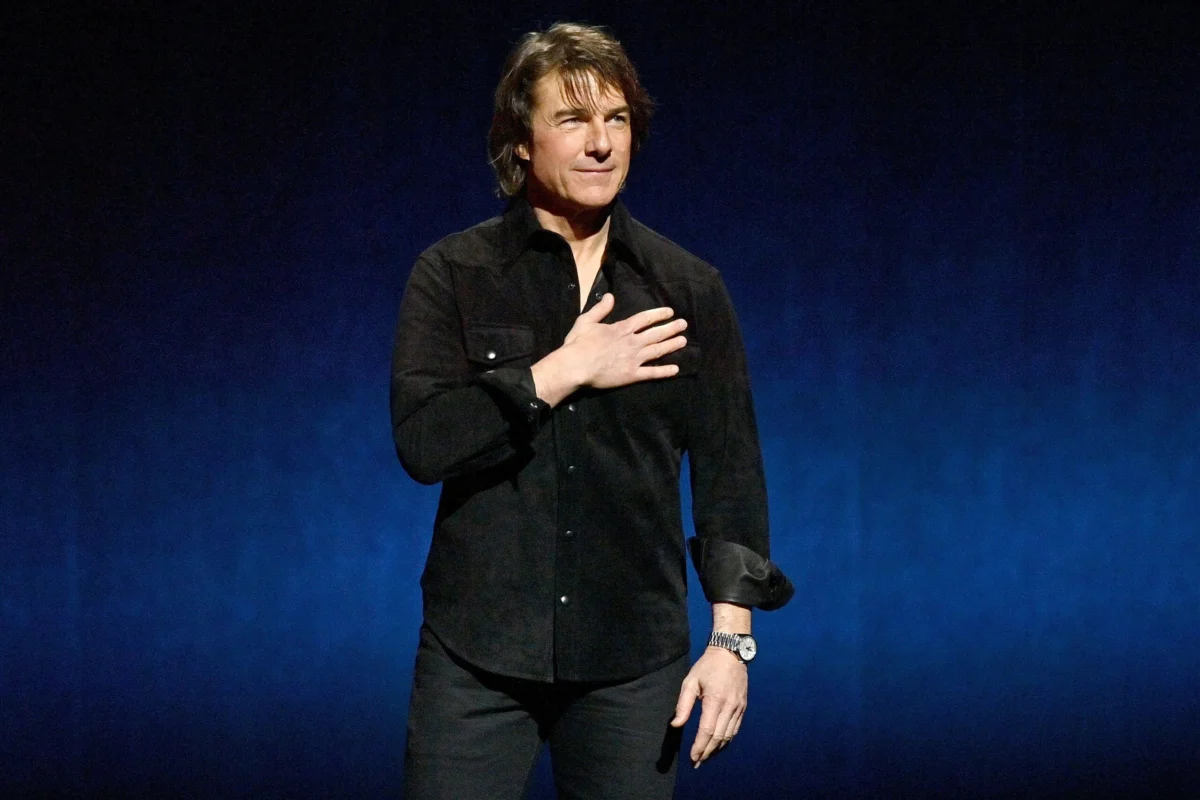
In a candid and enthusiastic endorsement, global superstar Tom Cruise has thrown his full support behind David Ellison’s ambitious plan to revitalize Paramount Pictures and Warner Bros. through a strategic partnership that aims to deliver a formidable slate of 30 films annually. Speaking on "The Pat McAfee Show," Cruise expressed unwavering confidence in Ellison’s leadership and the potential of this collaborative endeavor, framing it not as a mere industry consolidation but as a crucial rebuilding of a cinematic "community."
"I think it’s awesome," Cruise declared, his voice resonating with genuine excitement. "You know, here’s the thing. They’re going to deliver 30 movies. It’s a community to me. It’s not an industry. The people in these studios are not just people in the studios. They’re my family. I know we’re going to get those 30 movies. I want us all to come together as a community to help make those 30 movies. It’s not just going to be, you know, Paramount doing it. Everyone’s going to need all the help of every artist to be able to do it."
This powerful statement from one of Hollywood’s most bankable and respected stars carries significant weight, particularly given Cruise’s deeply entrenched and long-standing relationship with Paramount Pictures. For decades, Paramount has been the exclusive home for Cruise’s most iconic and commercially successful projects, most notably the groundbreaking "Mission: Impossible" franchise. The studio has been instrumental in the release of all eight installments of the beloved spy series, beginning with the original film in 1996 and continuing through the latest installments, solidifying Cruise’s status as a global action hero and Paramount’s position as a powerhouse in the genre.
Beyond the "Mission: Impossible" saga, Cruise’s filmography is replete with other significant collaborations with Paramount. These include the high-octane aerial combat of the "Top Gun" films, the legal thriller "The Firm," the mind-bending science fiction of "Vanilla Sky," the gritty neo-noir "Collateral," Steven Spielberg’s chilling alien invasion epic "War of the Worlds," the rugged action of the "Jack Reacher" series, and the exhilarating racing drama "Days of Thunder," which is notably slated for a sequel in 2028, further underscoring the enduring partnership.
Cruise’s profound connection to Paramount is not merely professional; it’s deeply personal. His unwavering loyalty and visible commitment to the studio were strikingly demonstrated during CinemaCon 2025. In a memorable featurette presented during Paramount’s exclusive showcase, a visibly enthusiastic Cruise was filmed scaling the iconic Paramount water tower, a symbolic act that underscored his dedication and belief in the studio’s legacy and future. This gesture, far from being a mere publicity stunt, served as a powerful visual metaphor for his willingness to go to extraordinary lengths for the brands he believes in.
The proposed merger of interests between Paramount and Warner Bros., spearheaded by Ellison’s Skydance Media, represents a seismic shift in the studio landscape. While the specifics of the deal are still being finalized, the overarching strategy centers on leveraging the combined assets, intellectual property, and creative talent of both venerable studios to create a more robust and diversified film production and distribution pipeline. The target of 30 films per year is an ambitious undertaking, designed to ensure a consistent flow of content across various genres and for diverse audiences, aiming to recapture market share and re-establish a dominant presence in the global box office.

Industry analysts have been closely monitoring the unfolding developments, with many viewing Cruise’s vocal support as a significant validation of Ellison’s vision. Ellison, a relatively young but highly driven media executive, has consistently demonstrated a keen understanding of the entertainment business and a willingness to pursue bold, unconventional strategies. His leadership at Skydance Media has already yielded considerable success, with a slate of critically and commercially successful films and television series. Now, his sights are set on a much larger prize: the revival of two of Hollywood’s most historic studios.
The "community" aspect that Cruise emphasizes is particularly pertinent in the current climate of the film industry. The rise of streaming services and the evolving viewing habits of audiences have presented significant challenges for traditional theatrical distribution models. Studios are increasingly looking for ways to optimize their resources, streamline production, and cultivate stronger relationships with creative talent. Ellison’s approach, as articulated through Cruise’s commentary, suggests a desire to foster a more collaborative and supportive environment, where filmmakers and artists are empowered and where the collective success of the studios is prioritized over individual silos.
The prospect of 30 films annually from a combined Paramount and Warner Bros. entity raises several key questions and considerations. Firstly, the logistical and creative challenges of producing such a high volume of content are immense. It will require a sophisticated understanding of production pipelines, talent management, and market demands. Secondly, the integration of two distinct studio cultures and intellectual property libraries will be a complex undertaking. Warner Bros. boasts a rich history of iconic franchises like DC Comics, "Harry Potter," and "The Lord of the Rings," while Paramount is home to "Star Trek," "Transformers," and its own robust library of classic films. The synergy between these vast portfolios will be a critical factor in the success of the venture.
Furthermore, the financial implications of such a large-scale production slate are substantial. Securing the necessary funding and ensuring profitability will be paramount. Ellison’s background in private equity and his proven track record in deal-making suggest he is well-equipped to navigate these financial complexities. However, the long-term economic viability will ultimately depend on the quality and commercial appeal of the films produced.
Cruise’s involvement extends beyond mere verbal endorsement. His deep understanding of what makes a film resonate with audiences, coupled with his unparalleled experience in delivering blockbuster hits, makes him an invaluable asset to any studio he partners with. His emphasis on the "community" and the need for "every artist" to contribute suggests a philosophy that aligns with the collaborative spirit often required to overcome the challenges of large-scale filmmaking.
The immediate future will see the industry closely watching the finalization of the Paramount-Warner Bros. deal and the subsequent rollout of their combined production strategy. The success or failure of this ambitious undertaking could have far-reaching implications for the future of major Hollywood studios and the way films are made and distributed.
Cruise’s powerful words serve as a beacon of optimism in a period of significant transition for the film industry. By championing David Ellison’s vision, he not only lends his star power to the initiative but also articulates a compelling argument for a more unified, collaborative, and artist-centric approach to filmmaking. The promise of 30 films a year is not just a number; it represents a renewed commitment to theatrical cinema, a dedication to nurturing creative talent, and a belief in the enduring power of storytelling to unite audiences. As the industry navigates these turbulent waters, the voice of a seasoned and respected filmmaker like Tom Cruise, advocating for a vision of community and shared success, is a powerful force indeed. The legacy of both Paramount and Warner Bros., two titans of Hollywood, hangs in the balance, and with Cruise’s endorsement, the prospect of their resurgence appears brighter than ever. The coming years will undoubtedly reveal whether this ambitious plan can translate into a sustained era of cinematic excellence and commercial triumph.
