
 By admin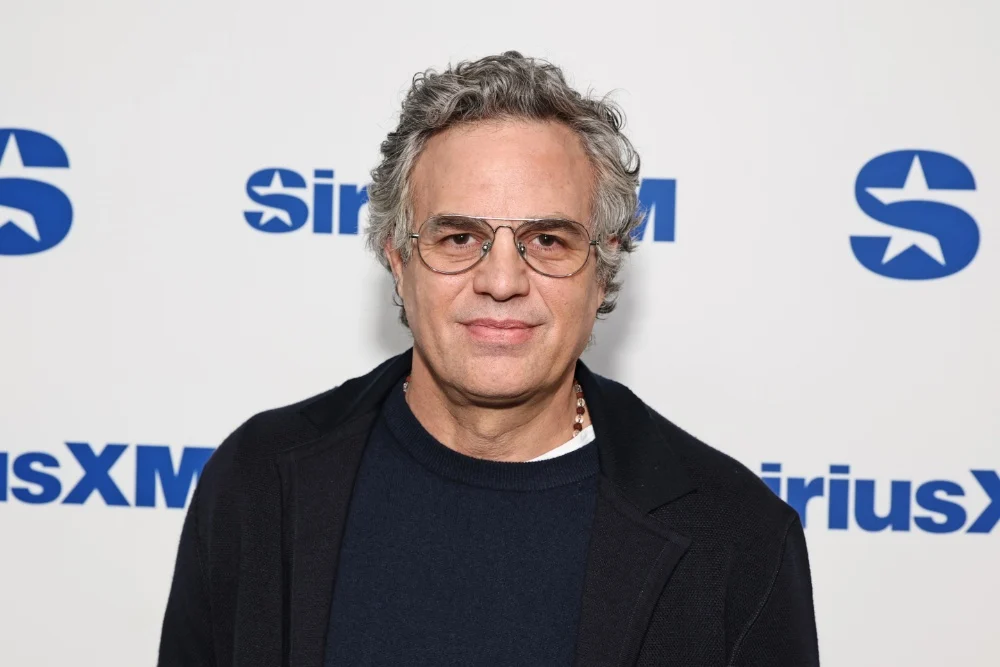
The impending acquisition of Warner Bros. Discovery by Paramount Global, a deal that has stirred considerable controversy within the entertainment industry and beyond, has officially received judicial approval, paving the way for its tentative closure next week. This significant development has drawn a renewed and impassioned denunciation from actor Mark Ruffalo, who has emerged as a vocal critic of the proposed merger. In a strongly worded statement released on Threads on Wednesday, Ruffalo articulated his profound disappointment and unwavering opposition, asserting that the consolidation of these media giants poses a direct threat to the creative landscape, free speech, and economic stability.
"This merger will stifle creativity, weaken free speech, and cost people their jobs – it is a bad deal for this country and should never have been approved," Ruffalo declared, his words echoing the sentiments of a growing chorus of concerned individuals. He underscored the extensive grassroots movement that mobilized against the deal, expressing that while the approval is a setback, it is by no means the conclusion of their collective efforts. "This is an incredibly disappointing outcome for the hundreds of thousands of us who stood up to block it, but it’s also not the end. This grassroots movement isn’t going to fade away and neither is our resolve."
Ruffalo framed his opposition not merely as a reaction to a specific corporate transaction, but as part of a broader struggle against what he perceives as the unchecked power of "corrupt oligarch billionaires" who prioritize personal financial gain over the interests of ordinary citizens. "This was never about just one merger: this was about fighting back against corrupt oligarch billionaires trampling the interests of everyday people to line their own pockets. We’re still in that fight. Join us." This statement positions the merger as a symptom of a larger systemic issue, urging a wider public engagement in holding powerful entities accountable.
The actor’s outspoken stance against this particular merger is not a new phenomenon. Earlier in the month, Ruffalo actively campaigned against a potential settlement in the lawsuit filed by California Attorney General Rob Bonta and a coalition of 11 other state Attorneys General. This legal challenge aimed to prevent David Ellison’s Skydance Media from acquiring Warner Bros. Discovery, a move that Ruffalo and his allies believed would pave the way for the broader Paramount-Warner Bros. consolidation.
In a fervent plea directed at Attorney General Bonta via X (formerly Twitter), Ruffalo implored him not to capitulate. "Don’t you dare, [Rob Bonta], do not cave," he wrote, highlighting the significant public support garnered by their campaign. "5,670 filmmakers put their necks on the line for you to fight this merger. Another 75,000+ and counting have signed to tell you not to concede in just 3 weeks. You work for the people – the very people who will be hurt if you let this lousy deal filled with empty promises go forward. Please sign to send a message to the AGs and Paramount. Reject the deal. The people don’t want it!" This appeal underscored the perceived betrayal of public trust if the AGs were to settle, emphasizing the collective voice of artists and citizens demanding scrutiny and rejection of the deal.
The approval of the merger by a judge signifies a pivotal moment, yet the underlying concerns articulated by Ruffalo and others merit deeper examination. The potential ramifications of such a significant consolidation in the media landscape are multifaceted and extend beyond the immediate stakeholders.
Economic Consolidation and Market Power:
The merger of Paramount Global and Warner Bros. Discovery would create a media behemoth with an unprecedented concentration of power. This entity would control a vast portfolio of film studios, television networks, streaming services, and intellectual property, including iconic franchises like Star Trek, Mission: Impossible, DC Comics, and Harry Potter, among many others. Such market dominance raises significant antitrust concerns. Critics argue that a single entity wielding such influence could stifle competition, limit consumer choice, and dictate terms within the industry, potentially leading to higher prices for content and reduced opportunities for independent creators.
Economists specializing in media mergers often point to the potential for "vertical integration" and "horizontal integration." Vertical integration occurs when a company controls different stages of production and distribution, such as a studio owning a streaming service. Horizontal integration involves the consolidation of companies operating in the same market. In this case, the merger would involve both, allowing the combined entity to potentially control content creation, distribution, and exhibition more tightly. This could give them leverage over advertisers, cable providers, and other distributors, potentially squeezing out smaller competitors.
Furthermore, the financial health of both Paramount Global and Warner Bros. Discovery has been a subject of scrutiny. Both companies have faced challenges in the rapidly evolving streaming landscape, grappling with declining linear TV viewership and the high costs associated with producing original content for streaming platforms. A merger, proponents argue, could offer economies of scale, cost synergies, and a more robust financial footing to navigate these challenges. However, critics counter that these purported efficiencies often come at the expense of job losses and reduced investment in diverse content.
Impact on Creativity and Free Speech:
Ruffalo’s assertion that the merger will "stifle creativity" is a widely held concern within the creative community. When media companies consolidate, there is often a pressure to streamline operations, reduce overhead, and focus on commercially viable, "sure-fire" hits. This can lead to a homogenization of content, with a greater emphasis on established franchises and less appetite for riskier, more experimental projects. The fear is that a larger, more bureaucratic entity might be less willing to champion unique voices and diverse narratives that do not fit a predictable profit model.
The concept of "gatekeeping" in the media industry is also amplified by such mergers. With fewer major players, the power to decide what stories get told, what talent gets platformed, and what narratives reach the public becomes concentrated in fewer hands. This can have a chilling effect on artistic expression, as creators may self-censor or tailor their work to appeal to the perceived preferences of a dominant entity.
The "weakening of free speech" argument, as articulated by Ruffalo, relates to the potential for a single, powerful media conglomerate to shape public discourse. While the First Amendment protects freedom of speech, the ownership and control of media outlets can influence the range of information and perspectives that are widely disseminated. A more consolidated media landscape could, in theory, lead to a narrowing of the spectrum of viewpoints available to the public, potentially marginalizing dissenting or alternative voices. This is particularly relevant in an era where media plays a crucial role in shaping public opinion and informing democratic processes.
Job Security and Labor Relations:
The immediate concern for many employees of both Paramount Global and Warner Bros. Discovery is the potential for widespread job losses. Mergers are often followed by "synergy" initiatives, which typically involve eliminating redundant positions in areas like administration, marketing, and even production. The entertainment industry, with its large workforce of writers, actors, directors, crew members, and support staff, is particularly vulnerable to these types of cuts.
Beyond direct job losses, there are also concerns about the impact on labor unions and collective bargaining power. A larger, more consolidated company may have greater leverage in negotiations with unions, potentially leading to less favorable contract terms for workers. This could impact wages, benefits, working conditions, and the overall stability of employment for many in the industry.
The "hundreds of thousands" of individuals Ruffalo refers to in his statement likely encompass not only direct employees but also freelancers, contractors, and those whose livelihoods are indirectly tied to the production and distribution of content by these companies. The ripple effect of layoffs and reduced production can extend far beyond the corporate offices.
The Grassroots Movement and Future Activism:
Ruffalo’s declaration that the "grassroots movement isn’t going to fade away" signals a commitment to continued advocacy. The mobilization of filmmakers, industry professionals, and the public in opposition to the merger highlights a growing awareness and willingness to challenge corporate consolidation. This activism can take various forms, including public awareness campaigns, lobbying efforts, and continued legal challenges where avenues exist.
The success of such movements often depends on sustained engagement and the ability to translate public sentiment into tangible political or economic pressure. The reference to over 75,000 signatures gathered in a short period demonstrates the potential for broad public support. The challenge will be to maintain this momentum and translate it into meaningful action that can influence future regulatory decisions or corporate behavior.
The "corrupt oligarch billionaires" framing by Ruffalo suggests a critique of the unchecked influence of wealth in shaping public policy and corporate outcomes. This perspective aligns with broader societal concerns about wealth inequality and the power of large corporations. The fight against this merger, therefore, can be seen as an instantiation of a larger struggle for economic justice and democratic accountability.
Conclusion:
The judicial approval of the Paramount-Warner Bros. Discovery merger marks a significant victory for the proponents of the deal, promising potential financial synergies and market consolidation. However, it simultaneously represents a setback for those who, like Mark Ruffalo, believe the merger poses a threat to creative freedom, free speech, and the economic well-being of countless individuals. Ruffalo’s unwavering resolve and the continued activism of the grassroots movement suggest that this is far from the final chapter. The ongoing debate surrounding this merger underscores the critical importance of antitrust scrutiny, the protection of creative industries, and the ongoing struggle to ensure that corporate power does not come at the expense of the public good. As the deal tentatively moves towards closure, the reverberations of this controversy are likely to be felt across the media landscape and beyond, prompting continued vigilance and advocacy from those who fear the consequences of unchecked corporate consolidation. The fight, as Ruffalo emphasizes, is far from over.
