
 By admin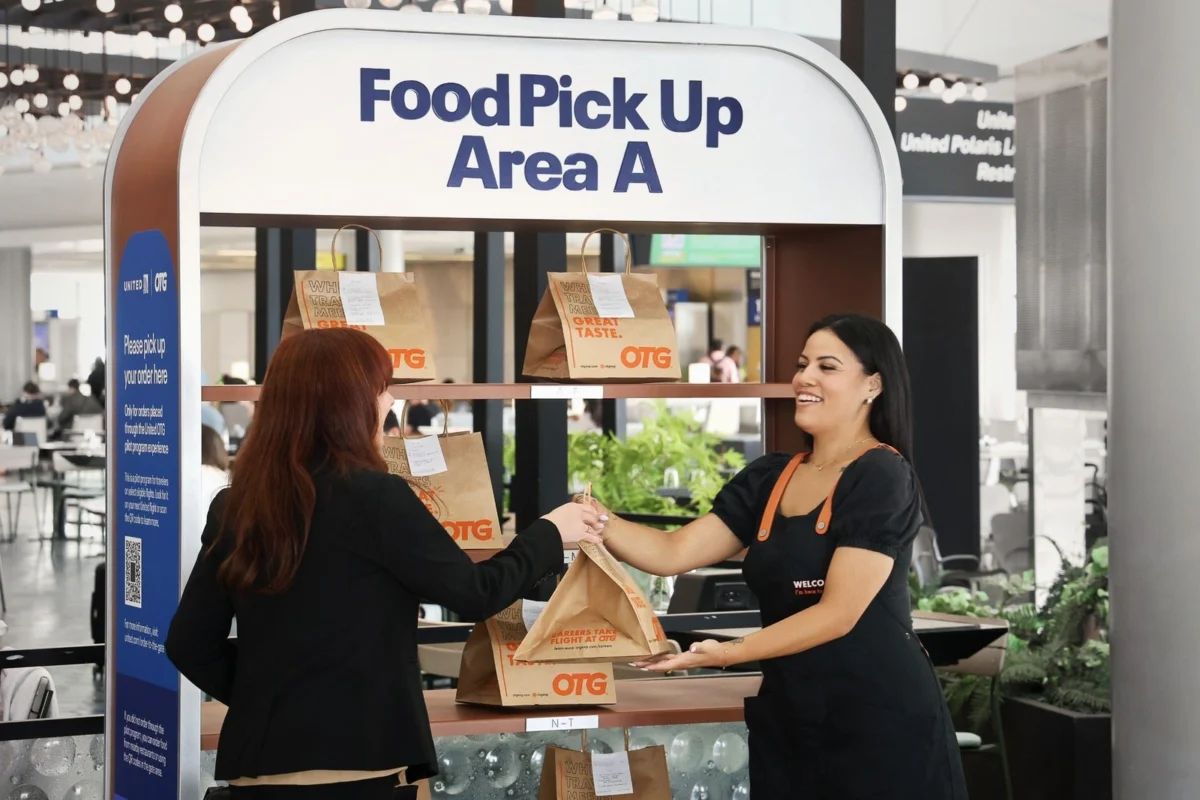
In an era where the competitive landscape of the aviation industry is increasingly defined by technological seamlessness and personalized service, United Airlines has unveiled a series of strategic updates designed to mitigate the friction of modern travel. These innovations, ranging from automated standby management during flight disruptions to the pilot of gate-side food and amenity delivery, represent a broader push by the Chicago-based carrier to overtake its rivals in the premium and reliability sectors. As of September 2026, United is positioning itself not just as a transport provider, but as a tech-forward logistics company dedicated to the "United Next" philosophy, which seeks to modernize every touchpoint of the passenger journey.
The most significant of the recent announcements focuses on the perennial headache of irregular operations, or IRROPS. Flight disruptions—whether caused by inclement weather, air traffic control constraints, or mechanical issues—have long been the primary source of passenger dissatisfaction. Traditionally, a traveler whose flight was delayed or canceled faced a stressful choice: accept a confirmed seat on a significantly later flight or join a standby list for an earlier one, often losing their confirmed seat in the process or being forced to hover near a gate agent for updates. United’s new digital solution, integrated directly into its mobile app, fundamentally alters this dynamic.
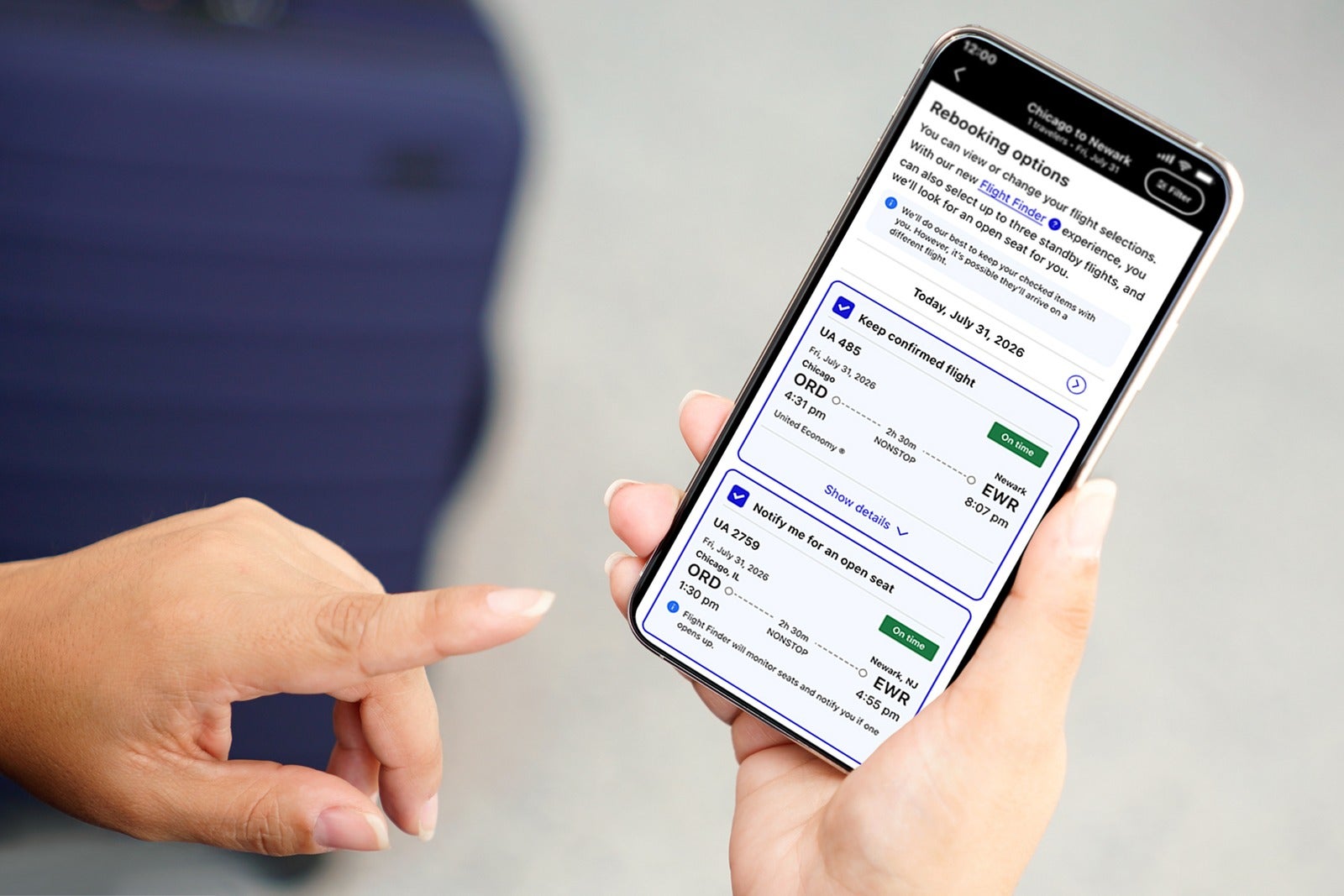
Under the new system, delayed passengers who are rebooked on a later flight can retain their confirmed seat while simultaneously selecting up to three earlier United flights to the same destination to monitor for standby availability. The innovation lies in the backend automation; United’s system now actively monitors seat inventory on those selected flights in real-time. If a seat becomes available—due to a "no-show" or a last-minute cancellation—the app sends a proactive text notification to the passenger. The traveler then has the agency to decide whether to accept the earlier seat or stick with their later, confirmed itinerary. This "confirmed-plus-standby" model removes the "gate-squatting" phenomenon, allowing passengers to wait in the comfort of a lounge or a restaurant rather than in a crowded boarding area. From a psychological perspective, this restores a sense of control to the traveler, a factor that industry analysts suggest is critical for maintaining brand loyalty during operational meltdowns.
Parallel to these operational improvements, United is addressing the logistical challenges of airport dining and retail. At Newark Liberty International Airport (EWR), specifically within Terminal C at gates C125 through C138, the airline has launched a trial for gate-side delivery. This service allows travelers to order a variety of items—including sandwiches, salads, children’s meals, and beverages—along with essential travel gear like charging cables, neck pillows, and over-the-counter medications. By partnering with established airport vendors such as Nonna’s Kitchen and Victory Grill, United is effectively turning the gate area into a point-of-sale hub.
Eligible passengers receive a push notification or an email link prior to their departure, enabling them to place an order that will be waiting for them at a designated pickup shelf at their specific gate. This pilot program is slated for expansion to George Bush Intercontinental Airport (IAH) in Houston later this year. Perhaps most ambitious is United’s plan to eventually integrate this service into its inflight entertainment (IFE) systems. If successful, a passenger traveling on a connecting flight could browse a menu on their seatback screen at 35,000 feet, order a hot meal or a replacement charger, and find it waiting at their arrival gate the moment they step off the aircraft. This level of predictive service mimics the "instant gratification" economy popularized by land-based delivery apps, tailoring it to the high-security, time-sensitive environment of an international airport.
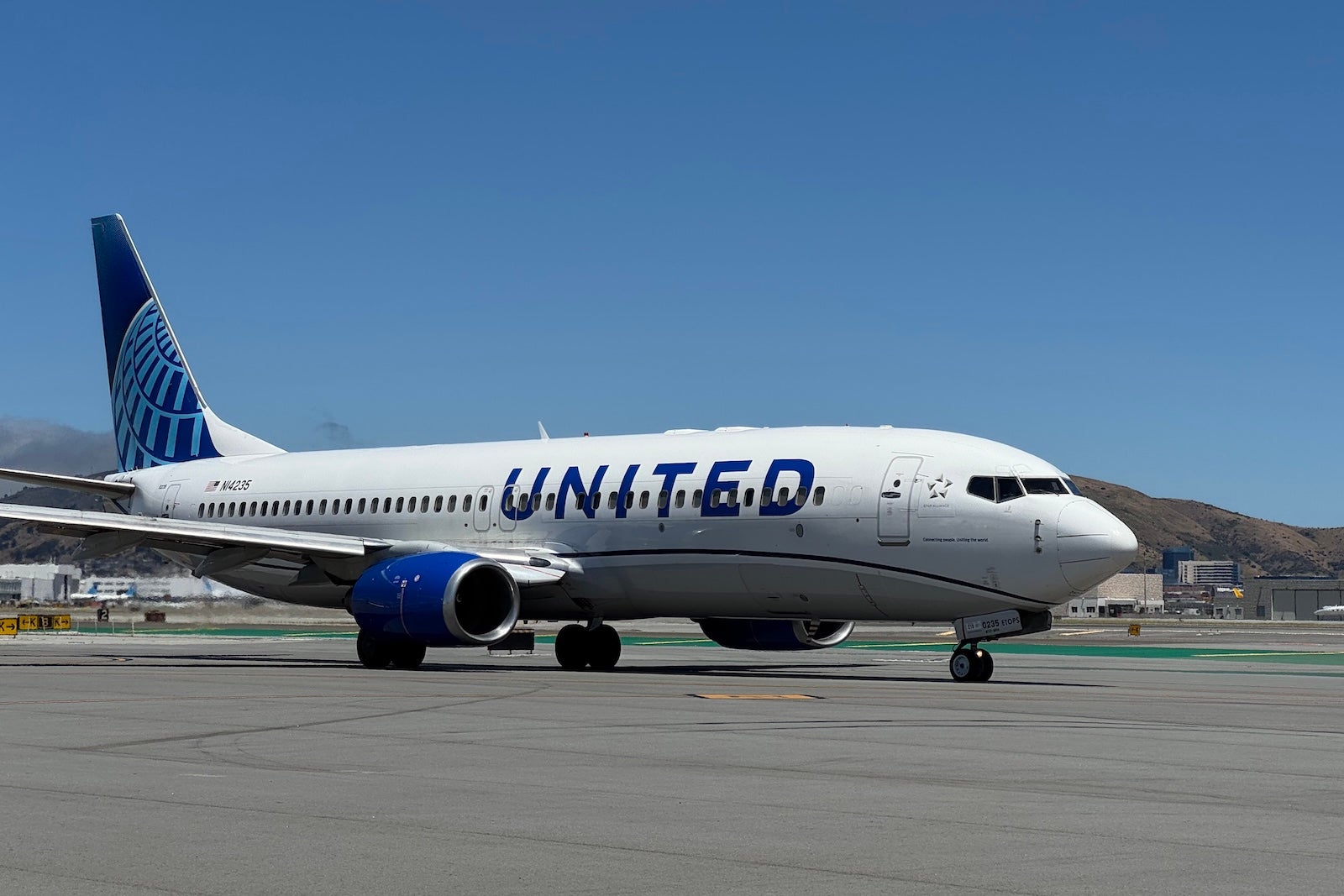
These micro-innovations are occurring against the backdrop of a massive macro-expansion for the airline. United recently announced an ambitious 13-route global expansion for the 2027 season, targeting underserved markets and strengthening its hubs in Washington D.C., Chicago, and San Francisco. This network growth is supported by the arrival of new aircraft, most notably the Airbus A321XLR. This "extra-long-range" narrow-body aircraft is a game-changer for United, allowing it to fly "thin" transatlantic routes that do not have enough demand for a wide-body Boeing 787 Dreamliner but are too far for a standard A321. The domestic debut of the A321XLR will also introduce a higher standard of narrow-body comfort, featuring larger overhead bins and upgraded seatback entertainment.
Furthermore, United is making significant investments in its premium "Polaris" business class. The introduction of the Polaris "Studios" on the Boeing 787 fleet reflects a shift toward more private, suite-like accommodations, responding to the "suite wars" currently being fought by Delta Air Lines and various Middle Eastern and Asian carriers. These suites feature sliding doors, enhanced storage, and the latest in ergonomic design. Not to be outdone by its own premium cabin, the airline is also rolling out improvements to the economy experience, including 4K screens with Bluetooth audio connectivity, which allows passengers to use their own wireless headphones—a small but highly requested feature that significantly improves the "bring your own device" ecosystem of modern travel.
The physical infrastructure of the airline is also seeing a record-breaking overhaul. United is in the process of opening some of its largest-ever lounges, including massive new United Club locations in Denver and Newark. These spaces are designed to handle the increased volume of travelers while providing "club-within-a-club" experiences, such as grab-and-go snack stations and high-end cocktail bars. The focus on lounge capacity is a direct response to the overcrowding issues that have plagued premium credit card lounges and airline clubs across the United States in the post-pandemic travel boom.
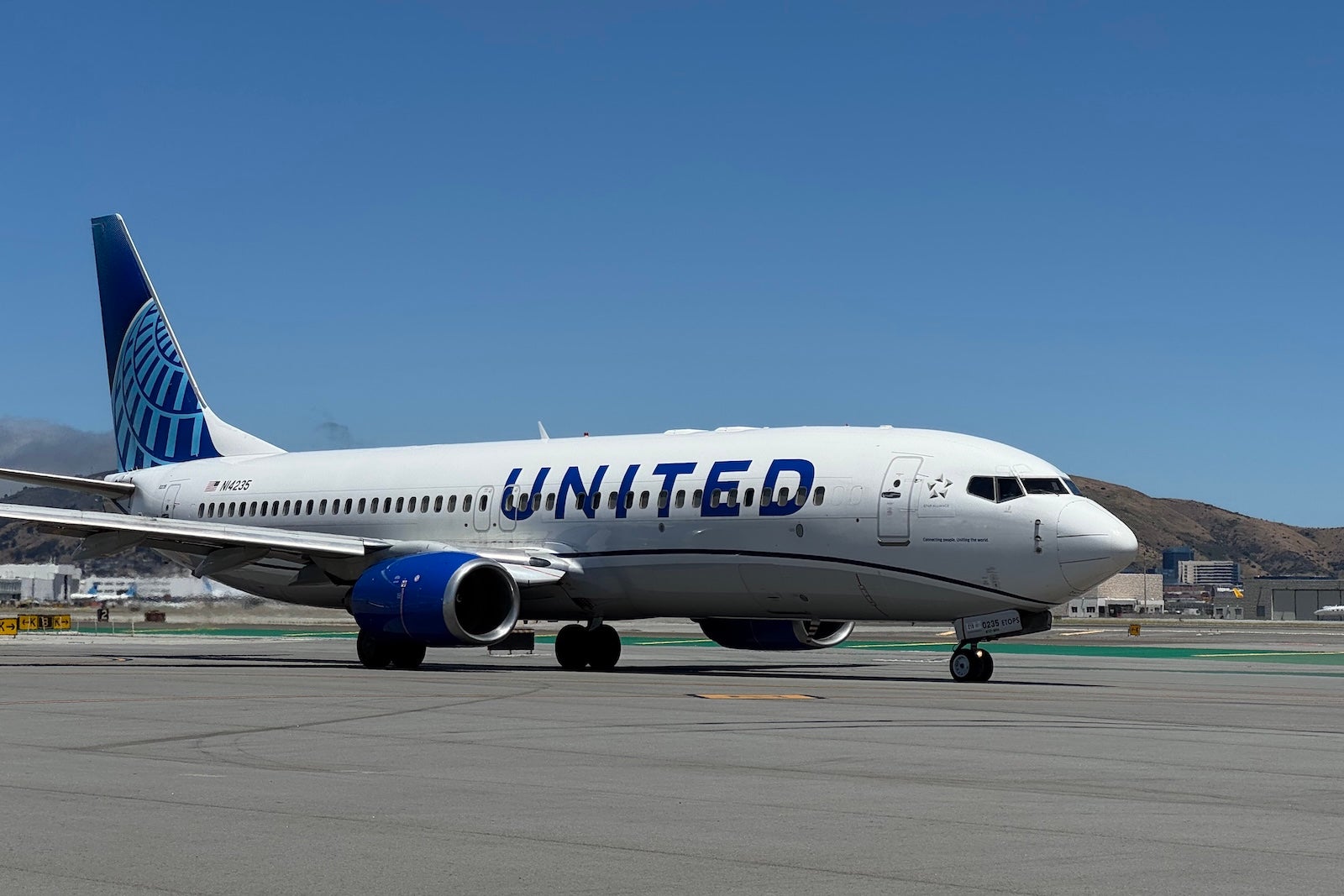
The timing of these announcements is no coincidence. In the latest "Best Airlines" study for 2026, United Airlines secured the second-place spot, trailing Delta Air Lines by a narrow margin. While Delta has long been the darling of industry analysts for its operational reliability and "premium" brand perception, United has been closing the gap through aggressive capital expenditure and a more robust international network. The study noted that while United’s reliability metrics—such as on-time performance and baggage handling—had previously dragged down its ranking, the airline’s recent investments in technology and fleet modernization are beginning to yield results.
Experts in the aviation sector suggest that United’s strategy is twofold: capture the high-yield corporate traveler with superior international connectivity and Polaris suites, while simultaneously using technology to win over the tech-savvy millennial and Gen Z traveler who values app functionality and "frictionless" experiences. By automating the standby process and facilitating gate-side delivery, United is addressing "pain points" that its competitors have yet to fully solve through digital means.
As United prepares to integrate these services more deeply into its operations throughout 2026 and 2027, the industry will be watching closely to see if these "smaller" improvements can drive a significant shift in customer satisfaction scores. In an industry where a flight delay is often viewed as an inevitability, the airline that can most effectively manage that delay—and perhaps provide a sandwich and a charging cord in the process—is the one likely to win the loyalty of the modern traveler. For United, the goal is clear: to transition from being a legacy carrier to becoming the world’s most innovative airline, proving that in the skies, it is often the digital experience on the ground that makes the most lasting impression. With its current momentum in route expansion, cabin upgrades, and digital automation, United is not just keeping pace with its rivals; it is actively attempting to redefine the standards of the American aviation industry.
