
 By Lina Irawan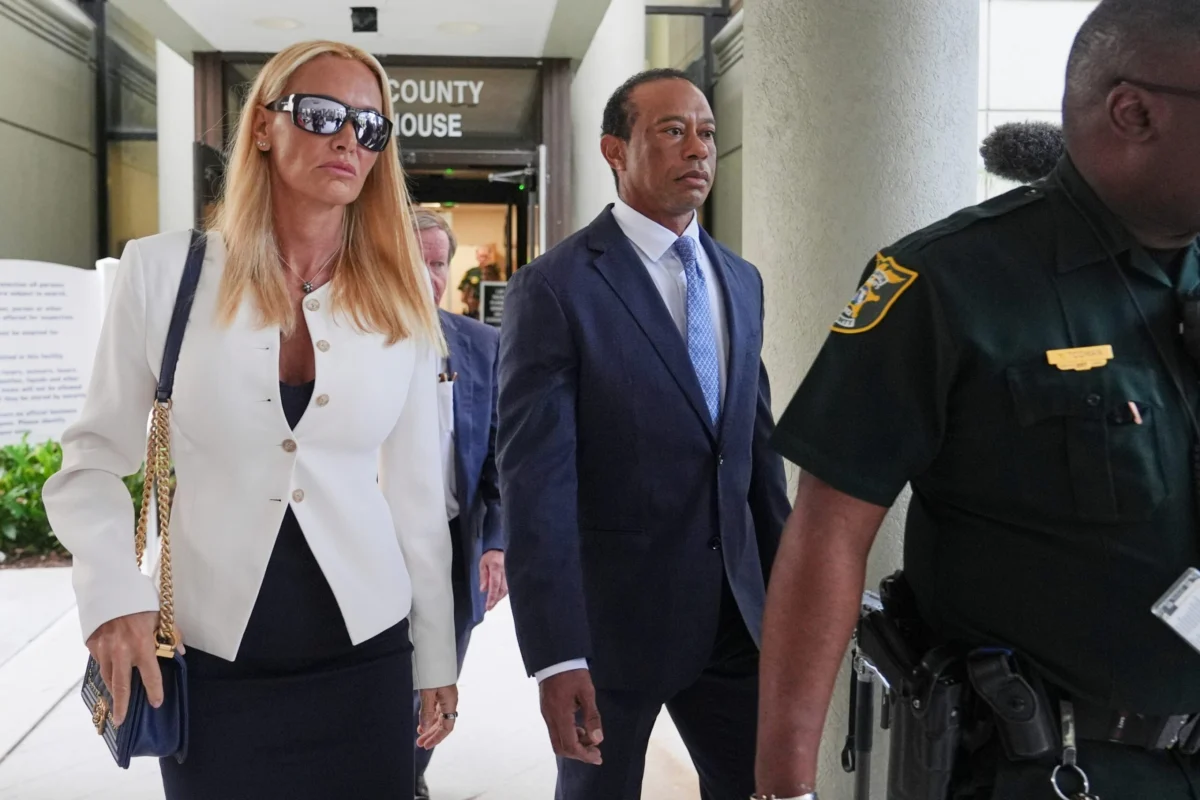
In a significant legal development for one of golf’s most iconic figures, Tiger Woods formally entered a plea of no contest to a reckless driving charge on Wednesday, culminating a protracted legal process stemming from a rollover crash in Florida last March. The outcome mandates a five-year suspension of his driver’s license, alongside a $1,500 fine for refusing to submit to testing following the incident. This resolution marks another challenging chapter in the life of the celebrated athlete, who was initially accused of driving under the influence (DUI).
The plea, accepted in a Florida courtroom, signifies that Woods neither admits guilt nor disputes the charge, a legal maneuver treated as a conviction within the criminal justice system. The severe five-year license suspension underscores the gravity of the reckless driving offense, particularly given the initial DUI allegations that captivated public attention. Woods’ legal team and prosecutors negotiated the terms, with the state attorney’s office ultimately acknowledging complexities surrounding the evidence of impairment due to prescription medication.
The March crash itself, which occurred on a beachside residential road near Woods’ home on Jupiter Island, sent shockwaves through the sports world. Details emerging from the sheriff’s report painted a concerning picture: Woods’ SUV clipped a truck before rolling onto its side. Deputies arriving at the scene observed the golfer exhibiting signs of impairment, including slurred speech and disorientation. They also discovered two pain pills, later identified as hydrocodone, in his pocket. While a Breathalyzer test administered at the scene yielded a negative result for alcohol, Woods refused to take a urine test, a critical piece of evidence often sought in cases involving suspected drug impairment. This refusal subsequently led to the additional fine he received.
For Tiger Woods, still undeniably one of golf’s most influential figures and a global athletic icon, this incident is the latest in a series of personal and professional setbacks that have profoundly reshaped his public image. His remarkable victory at the 2019 Masters, a stunning comeback that marked his 15th major championship, briefly rekindled hopes of a sustained resurgence. That win, coming 22 years after he shattered racial barriers as the first person of Black heritage to don the green jacket in 1997, seemed to symbolize a triumph over adversity. Yet, his career has been repeatedly derailed by an arduous history of multiple back and knee surgeries, a string of car crashes, and a documented dependence on pain medication, issues that have plagued him for over a decade.
Woods’ struggles with physical pain are well-documented, tracing back to the early 2000s when he first underwent knee surgery. Over the years, he has endured numerous procedures to address cartilage and ligament damage, a ruptured tendon, arthritis, and severely damaged discs in his back, including a pivotal spinal fusion surgery in 2017. These chronic ailments necessitated the use of potent prescription painkillers, which, while medically prescribed, carry a significant risk of dependence, particularly with prolonged use. The discovery of hydrocodone and his admission of taking Vicodin (a brand name painkiller containing hydrocodone and acetaminophen) to deputies after the crash provided a stark illustration of his ongoing battle with pain management.
In the courtroom in Palm Beach County (not Marin County as initially misreported), Woods, now 50 years old, maintained a subdued presence. He sat at the defense table, occasionally glancing back at the mostly empty gallery, his demeanor stoic. He spoke little during the proceedings, offering only brief affirmations as he agreed to the terms of the reduced charge. He arrived at the courthouse accompanied by his girlfriend, Vanessa Trump, the former daughter-in-law of President Donald Trump, who sat discreetly behind him throughout the hearing. Following the swift resolution, Woods departed the courthouse without addressing the throng of reporters awaiting his comments, leaving his longtime manager, Mark Steinberg of Excel Sports, to issue a statement.
"Tiger is not absolved of accountability and he surrendered his license for the next five years," Steinberg told The Associated Press, emphasizing a tone of responsibility. "He is continuing his treatment and prioritizing all aspects of his health." This statement underlined the ongoing nature of Woods’ recovery journey, suggesting that the legal outcome is but one component of a broader effort to address his health challenges.
The decision by the prosecution to accept a plea of reckless driving rather than pursue the original DUI charge was a point of considerable public interest. Thomas Bakkedahl, the state attorney in the case, defended his office’s decision, stating, "I did what I think is right." He explained that two toxicologists, after reviewing the evidence, found insufficient proof of his impairment at the time of the crash. Crucially, they determined that Woods had developed a "pharmacological tolerance" to the pain medication after years of using prescription pills for his chronic injuries. Prosecutors had obtained Woods’ pharmacy records, which confirmed that he possessed lawful prescriptions for the medications found.
The concept of "pharmacological tolerance" is key to understanding the legal outcome. It refers to the body’s diminished response to a drug after repeated exposure, meaning a person might have a high concentration of a substance in their system but not exhibit the same level of impairment as someone without tolerance. This factor, combined with the negative Breathalyzer for alcohol and the lawful prescription for the pills, complicated the prosecution’s ability to definitively prove impairment "to the extent that his normal faculties were impaired," which is a standard requirement for a DUI conviction in Florida.
Andrew Buda, a defense lawyer in Tampa not involved in the case, offered an external expert perspective that resonated with the prosecution’s rationale. He noted that a positive drug result from a urine test, even if Woods had taken one, would not necessarily have been strong evidence against him, as prescription medications can remain detectable in the body for extended periods without actively impairing a person. "A reduced plea to reckless driving is a plausible and unremarkable outcome — not evidence of special treatment," Buda stated. He further elaborated that "a defendant with a good attorney who took the same steps — disclosure, mitigation, treatment — could reasonably expect a similar outcome under the same facts." This analysis suggests that while Woods’ celebrity undoubtedly brought intense scrutiny to the case, the legal process itself followed established protocols for handling complex DUI cases involving prescription medications.
During the hearing, Judge Darren Steele issued a stern warning to Woods regarding the absolute nature of his license suspension. "If you were to drive for any reason at all, you would immediately go back to jail," the judge admonished, leaving no room for misunderstanding. Prosecutor Bakkedahl also acknowledged the unique challenge presented by Woods’ global recognition. "Of all the people in the world who should not get behind the wheel of a car, it’s one of the most recognizable people on the planet," he remarked, expressing confidence that Woods would be spotted if he failed to adhere to the restrictions.
However, in a somewhat ironic twist that offered a moment of levity amidst the seriousness, there is one vehicle Woods can still legally operate in Florida: a golf cart. Florida law permits individuals aged 18 or older to drive a golf cart without a license, whether on a golf course or public property. Bakkedahl confirmed this quirk of the law, a small concession to the very sport that has defined Woods’ life, even as he navigates a challenging period off the course.
Body camera footage released by law enforcement provided a candid glimpse into the immediate aftermath of the crash and Woods’ state. The video captured Woods on his phone, telling a deputy, "I was just talking to the president," as he hung up. While it was not explicitly confirmed whether he was referring to then-President Donald Trump, the comment quickly became a point of public discussion. Further footage from the ride to the detention center showed Woods handcuffed in the back of a police vehicle, hiccupping, yawning, and repeatedly appearing to nod off during the 15-minute journey, clear indicators of his impaired state. Neither Woods nor the person in the truck he clipped sustained injuries in the incident. Woods later told a deputy that he had been looking down at his phone and changing the radio station when the crash occurred, an admission that underscored the reckless nature of his driving.
President Donald Trump, who shares a personal relationship with Woods, commented on the resolution of the case, deeming it "fair." He relayed a conversation he had with Woods, stating, "I told him that a long time, ‘Why don’t you get somebody to drive you?’ So he’s going to have somebody drive him from now on." Trump added, "And, you know, he’s just a very special guy. I’m glad that was resolved." The president’s remarks highlighted the close ties between the two public figures, with Trump often praising Woods’ character and talent.
This March incident was not Woods’ first brush with serious automotive trouble. He has been involved in at least four car crashes over the years, each drawing significant media attention. Perhaps the most infamous was the Thanksgiving night crash in 2009, when he drove his SUV into a fire hydrant and a tree outside his Florida home. That incident famously unraveled his carefully curated public image, exposing marital infidelity and leading to a hiatus from golf, numerous endorsement losses, and a period of intense public scrutiny. The pattern of these incidents, particularly those involving impairment or distracted driving, paints a troubling picture of a man grappling with profound personal challenges beyond the golf course.
Following his March arrest, Woods again took a leave from the golf tour, withdrawing from competitive play to focus on his recovery. Court records indicated that he sought treatment at an inpatient facility, likely addressing issues related to pain management and potential addiction. His first public appearance since returning from treatment occurred on June 23, when he introduced the PGA Tour’s plans to revamp its schedule for 2028. Despite his personal travails, Woods has maintained his influential role as chair of the tour’s Future Competition Committee, a testament to his enduring impact on the sport’s governance.
As Tiger Woods navigates the terms of his license suspension and continues his journey toward holistic health, the golf world and the broader public remain keenly observant. His legal issues serve as a stark reminder that even the most celebrated individuals are not immune to personal struggles and the consequences of their actions. While the immediate legal questions surrounding the March crash have been answered, the long-term impact on his career, his health, and his public persona continues to unfold, ensuring that the saga of Tiger Woods remains a compelling narrative for years to come.
Associated Press reporters Doug Ferguson in Jacksonville, Florida; Ed White in Detroit; John Seewer in Toledo, Ohio; and Aamer Madhani in Washington contributed.
