
 By admin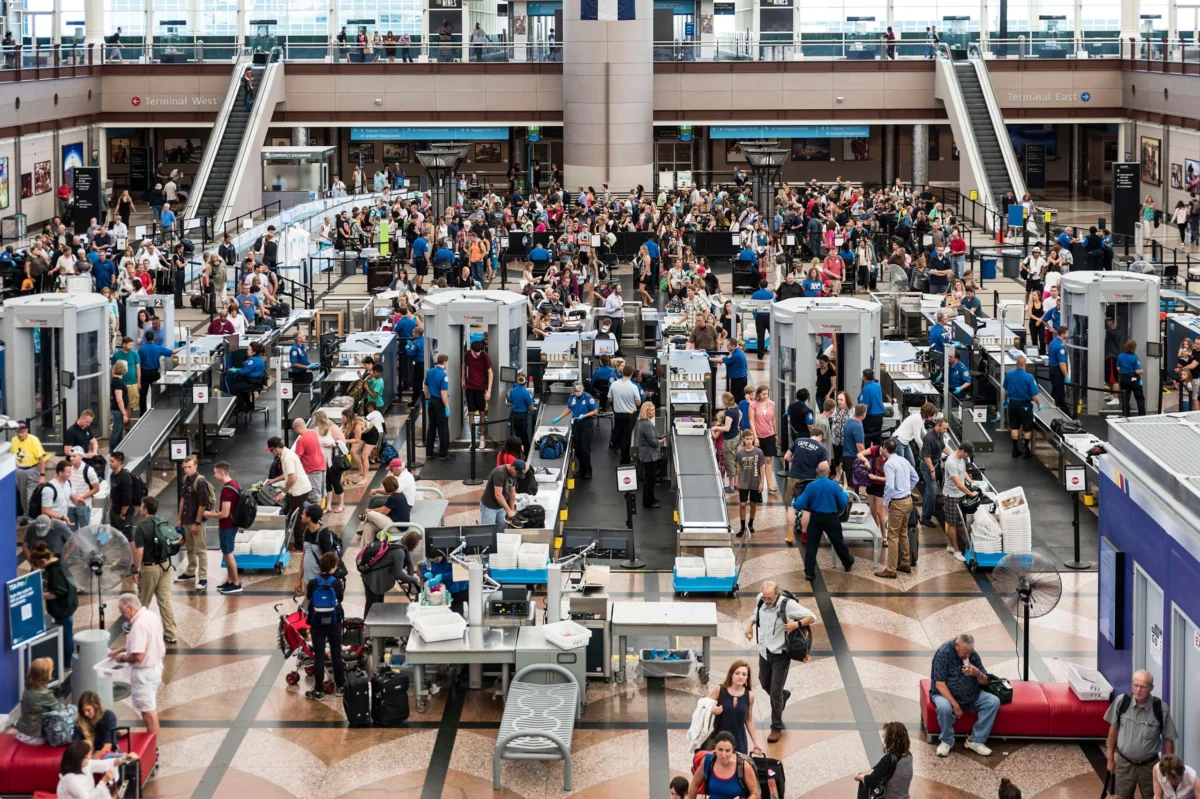
As of September 2026, the landscape of aviation security is undergoing its most significant transformation in two decades, yet for many travelers, the most persistent vestige of the post-9/11 era remains the restriction on liquids, gels, and aerosols. For exactly twenty years, the Transportation Security Administration (TSA) has enforced a strict protocol that dictates how much shampoo, sunscreen, or contact lens solution a passenger can carry in their hand luggage. This policy, while foundational to modern air travel safety, has long been a primary source of frustration, checkpoint delays, and secondary bag screenings. However, as the industry moves further into the mid-2020s, technological advancements and recent policy shifts suggest that the end of the "3-1-1" era may finally be on the horizon.
To understand the current state of liquid restrictions, one must look back to the summer of 2006. In August of that year, British authorities thwarted a major terrorist plot, known as the Transatlantic Aircraft Plot or "Operation Overt," which intended to detonate liquid explosives disguised as soft drinks on multiple flights traveling from the United Kingdom to North America. The plotters planned to use triacetone triperoxide (TATP), a highly volatile substance that can be synthesized from common household liquids. In the immediate aftermath, the TSA briefly banned all liquids from cabin luggage before refining the policy into what we now know as the 3-1-1 rule. This regulation was designed to limit the volume of any single liquid container to a size that, even if filled with explosives, would be insufficient to cause catastrophic damage to an aircraft when confined within a quart-sized bag.
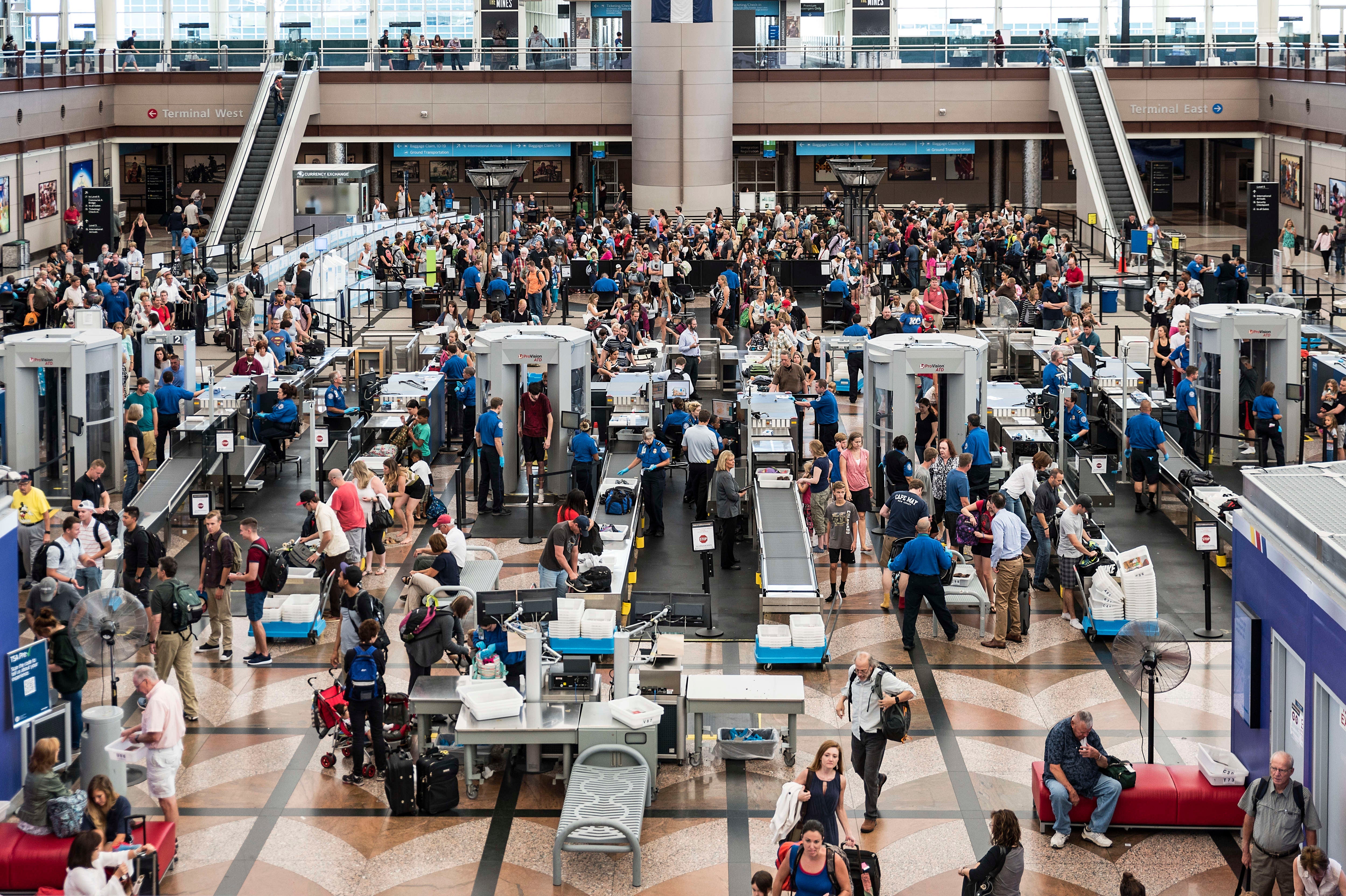
The 3-1-1 rule is a mnemonic designed to help travelers remember the specific requirements for carry-on liquids: "3" refers to the 3.4-ounce (100-milliliter) limit per container; "1" signifies that all containers must fit into one clear, quart-sized, zip-top bag; and the final "1" dictates that only one such bag is permitted per passenger. This rule covers a broad spectrum of items that travelers might not instinctively classify as liquids, including "spreadables" like peanut butter, hummus, and soft cheeses, as well as aerosols like hairspray and gels like toothpaste. According to TSA guidelines, even if a large container is nearly empty—such as a 10-ounce tube of toothpaste with only a small amount remaining—it will still be confiscated if it exceeds the 3.4-ounce capacity limit.
Despite the rigidity of these rules, the TSA has established several critical exceptions to accommodate the needs of diverse travelers. "Medically necessary" liquids, gels, and aerosols are permitted in reasonable quantities exceeding the 3.4-ounce limit. This includes prescription medications, saline solution, and glucose treatments. Furthermore, the agency makes significant allowances for parents and caregivers traveling with infants or toddlers. Breast milk, toddler drinks, and baby formula are considered medically necessary liquids and are allowed in "reasonable quantities" for the duration of the journey. Travelers utilizing these exceptions are required to declare the items to a TSA officer at the start of the screening process. These items are often subjected to additional testing, such as being passed through a bottle liquid scanner or having the exterior of the container swabbed for explosive residue.
The year 2025 marked a turning point in the TSA’s approach to checkpoint efficiency. In a move that signaled the beginning of a new era of "frictionless" security, the TSA officially ended the long-standing requirement for passengers to remove their shoes during standard screening. This change was made possible by the widespread deployment of advanced Computed Tomography (CT) scanners and enhanced shoe-scanning technology at the nation’s busiest airports. With the "shoes-off" policy relegated to history, the focus of both the traveling public and the Department of Homeland Security has shifted toward the eventual retirement of the liquid restrictions.
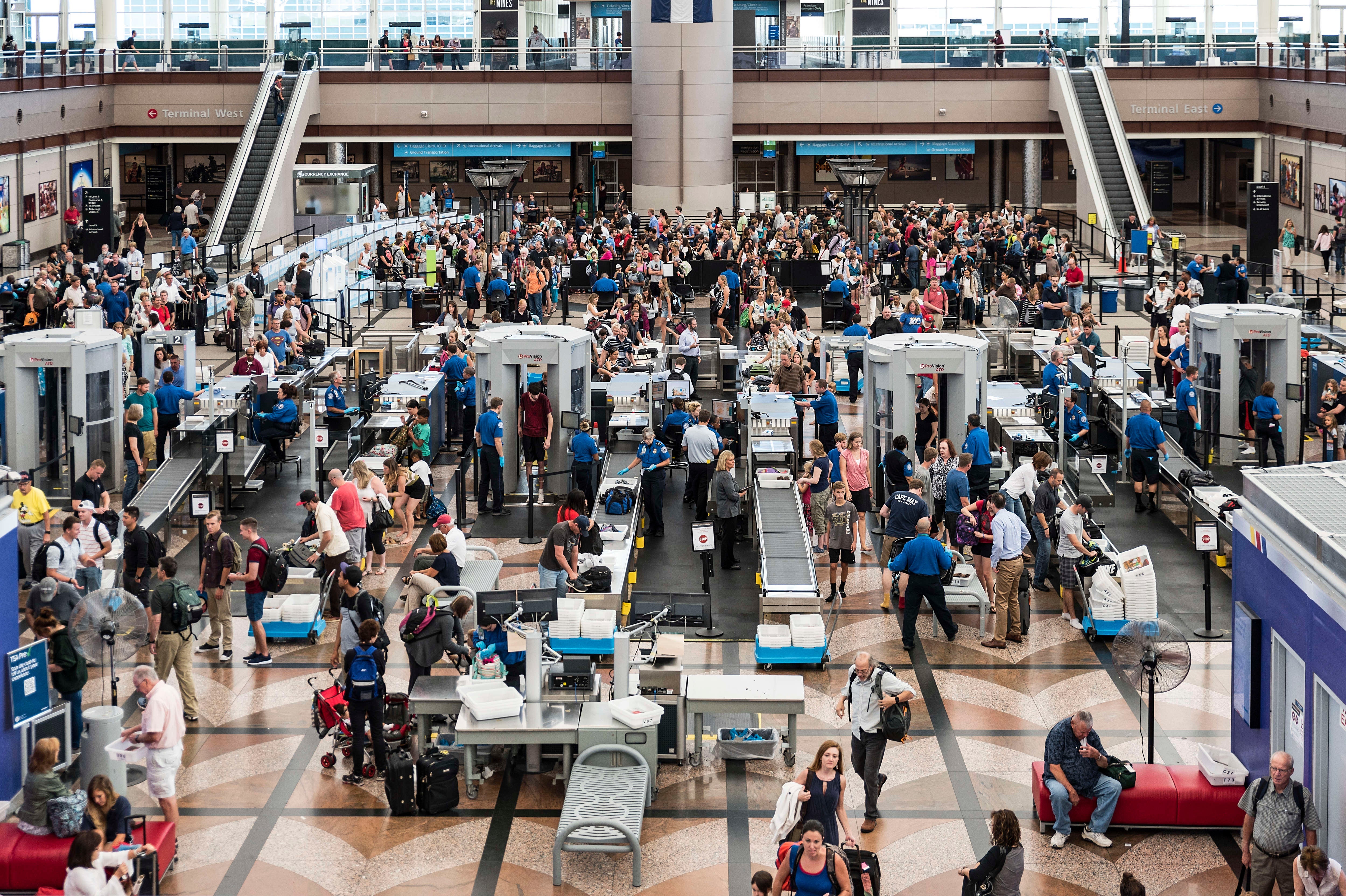
During his summer 2026 confirmation hearing, the newly appointed TSA Administrator, David Cummins, addressed the future of the 3-1-1 rule directly. Cummins informed Congress that the agency is aggressively exploring technologies that could eventually allow for the return of full-sized water bottles and larger toiletry containers to the aircraft cabin. The linchpin of this effort is the continued rollout of 3D CT scanners. Unlike traditional X-ray machines, which provide a flat, two-dimensional image, CT scanners use sophisticated algorithms to create a 3D rotation of a bag’s contents. These machines can analyze the density and atomic number of liquids in real-time, allowing them to distinguish between harmless substances like water or apple juice and potentially dangerous chemical compounds.
The movement to lift liquid bans is not limited to the United States. The United Kingdom has already led the way in this regard, mandating that its major airports install high-tech 3D scanners to phase out the 100ml limit. While the global transition has faced some logistical hurdles and supply chain delays, the trend toward more permissive liquid policies is undeniable. For the TSA, the challenge lies in the scale of the American aviation system. With over 400 airports and thousands of screening lanes, the capital investment required to replace every legacy X-ray machine is immense. Consequently, the 3-1-1 rule remains the standard for now, but the rhetoric from the current administration suggests a timeline where these restrictions could be lifted at Tier 1 airports within the next few years.
In the interim, travelers must navigate the current reality with strategic packing. The TSA’s "What Can I Bring?" tool, available both on their website and via the MyTSA app, remains the gold standard for verifying specific items. The app provides a searchable database that categorizes items as allowed in carry-on, checked-only, or prohibited. For example, many travelers are surprised to learn that items like creamy dips, gravy, honey, and even liquid chocolate are subject to the 3.4-ounce limit. Conversely, solid food items like bread, cooked meats, and hard cheeses are generally permitted without volume restrictions.
To mitigate the inconvenience of the 3-1-1 rule, many frequent flyers have turned to "solid" alternatives for their hygiene needs. The market for shampoo bars, solid conditioners, and toothpaste tablets has exploded in recent years, driven by travelers looking to save space in their quart-sized bags and reduce their environmental footprint. Additionally, the use of reusable, empty water bottles has become a standard practice. Most modern airports, including major hubs like Chicago O’Hare (ORD) and Denver International (DEN), have installed post-security hydration stations, allowing passengers to bypass the high costs of airport-vended bottled water while complying with TSA regulations.
The economic impact of the liquid rule is also worth noting. For two decades, the "captive audience" of the airport terminal has bolstered the sales of beverages and toiletries at high price points. A roll-back of the 3-1-1 rule would likely disrupt the revenue models of airport concessions while providing significant savings to the average traveler. From a security perspective, the goal remains the same: the mitigation of risk without stifling the efficiency of the national transportation system. As Administrator Cummins noted, the objective is to reach a state where "security is invisible but invincible."
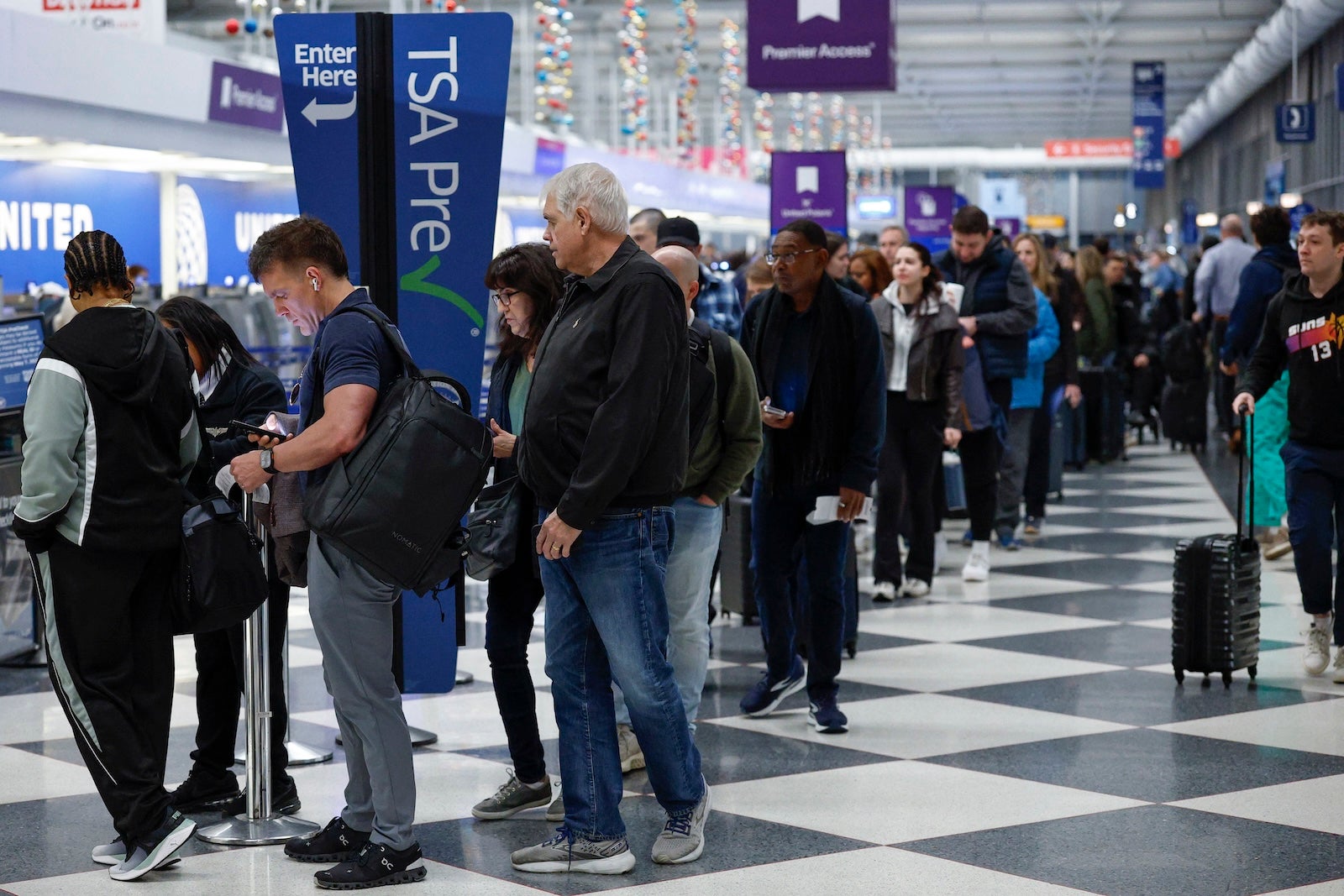
As we look toward the remainder of 2026 and into 2027, the aviation industry is watching closely to see how the implementation of new technology will reconcile with evolving threats. While the 2006 plot necessitated a rapid and restrictive response, the era of "smart" security promises a more nuanced approach. For now, the quart-sized bag remains an essential component of the traveler’s kit, but its days are numbered. The transition to a "liquids-in" screening process will likely be phased, starting with PreCheck lanes and eventually expanding to standard screening as the hardware becomes ubiquitous.
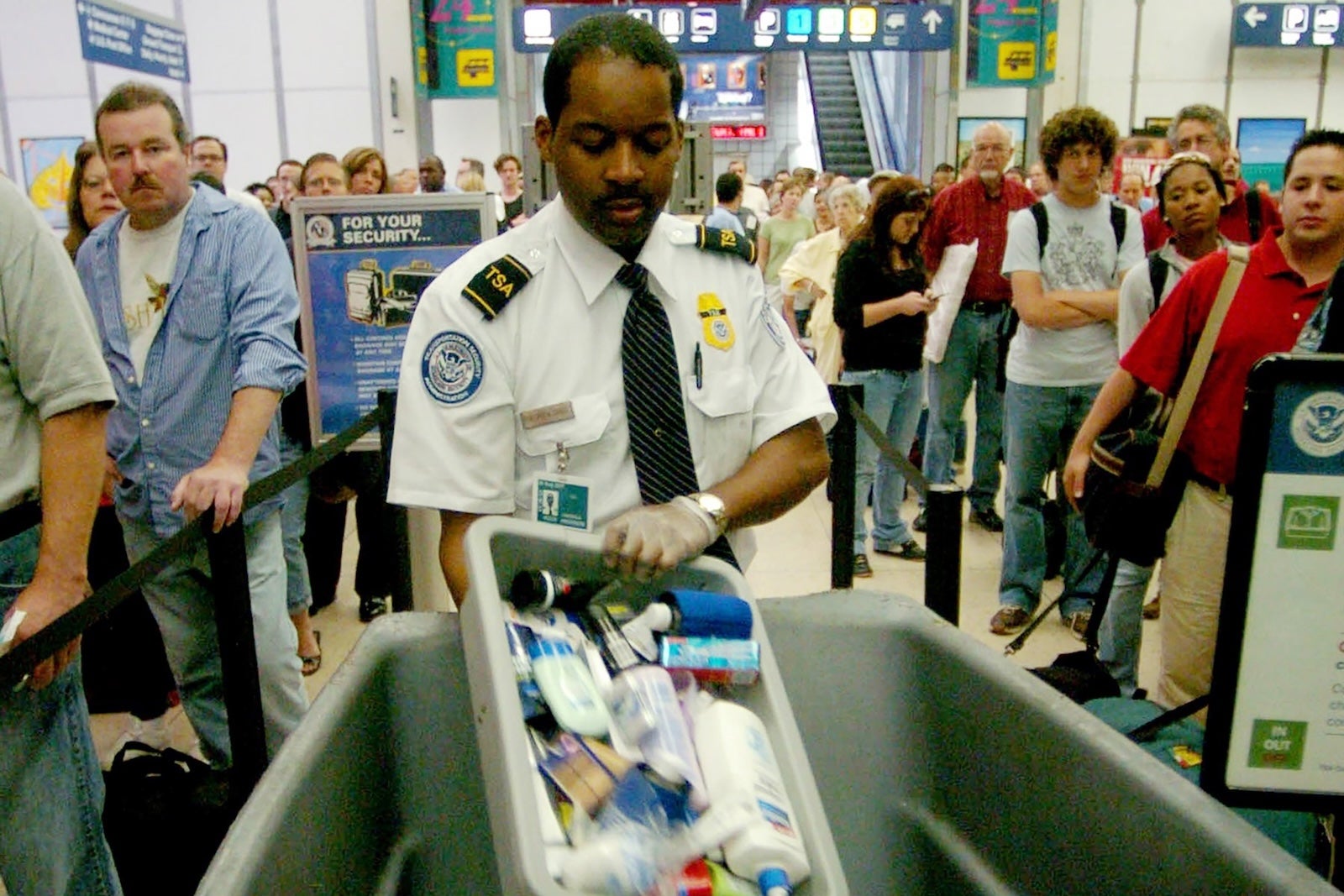
In conclusion, while the TSA liquid rules are currently a twenty-year-old staple of the airport experience, they are not permanent fixtures. The evolution of security from the 2025 end of the shoe-removal policy to the current 2026 push for advanced CT scanning represents a broader shift toward data-driven, technological solutions over manual, blanket restrictions. Travelers are encouraged to stay informed through official channels like the MyTSA app and to prepare for a future where the 3-1-1 rule is finally a thing of the past. Until that day arrives, adhering to the 3.4-ounce limit is the best way to ensure a smooth journey through the checkpoint and onto the aircraft. The journey toward a more seamless airport experience continues, fueled by innovation and a commitment to adapting security protocols to the realities of modern technology.
