
 By Titik Puspa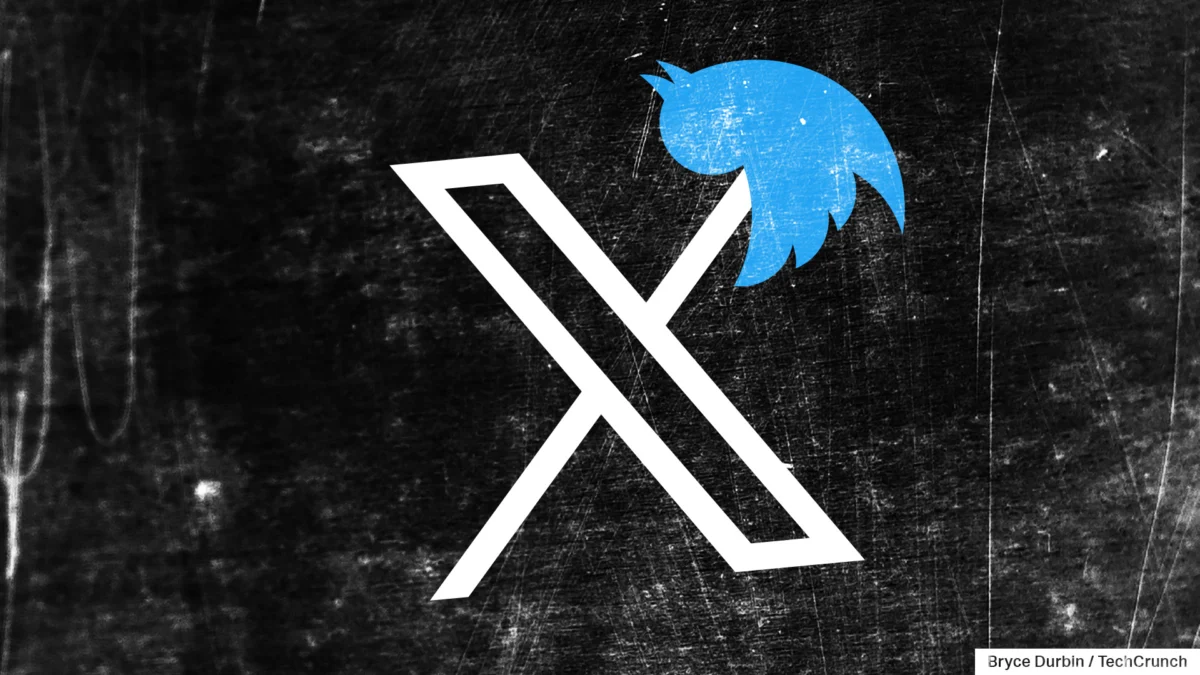
In a significant legal victory for Elon Musk’s social media giant X, a federal court in Delaware has largely sided with the company in a complex trademark dispute against a burgeoning startup, Operation Bluebird. The court has definitively barred Operation Bluebird from using the iconic "Twitter" name for its nascent social network, upholding X’s primary claim to the foundational trademark. However, in a surprising twist that injects a fresh dynamic into the ongoing legal saga, the court also ruled that X has likely abandoned two other crucial elements of the former Twitter brand: the word "tweet" and the recognizable Twitter bird logo. This latter finding effectively liberates these valuable intellectual properties, allowing Operation Bluebird to rebrand its platform as Tweet.app and commence public operations.
The narrative of Operation Bluebird, a Virginia-based startup, transcends the typical tech industry story of innovation and disruption. Instead, it is deeply rooted in a strategic endeavor to reclaim and leverage what are perceived as abandoned trademarks, remnants of Elon Musk’s transformative, and at times controversial, acquisition and rebranding of Twitter. The company’s own homepage openly articulates this objective, stating its mission to "go back and pick up what Elon Musk dropped when he renamed the town square as X, and threw the bird away on his way out." This candid declaration underscores a business model predicated on identifying and acquiring dormant brand assets, rather than solely on pioneering new technological frontiers.
The driving force behind Operation Bluebird is a team with a clear understanding of the legal landscape surrounding trademarks. The initiative is spearheaded by two legal professionals, including founder Michael Peroff, an Illinois-based attorney, and Stephen Coates, who previously served as a trademark lawyer at Twitter itself. Their legal acumen and insider knowledge lend credence to the notion that their primary interest lies in acquiring the valuable trademarks associated with Twitter, rather than solely in developing a novel social network. While they are engaging in the motions of launching a platform, the strategic acquisition of established brand equity appears to be the more compelling driver.
Despite the legal complexities and the strategic underpinnings of the venture, Tweet.app is actively progressing towards public availability. The company has reported substantial interest, with over 172,000 individuals pre-registering for a username before the official launch. This overwhelming response is largely attributed to the enduring affection and familiarity the public holds for the "Twitter" brand, a sentiment that the startup, despite its legal success in acquiring related marks, can no longer directly capitalize on for its core identity. This highlights the potent emotional and cultural resonance that even a rebranded entity can evoke.
In a move that directly fuels its legal battles and operational expenses, Operation Bluebird is charging users a $20 fee to reserve their preferred handles and gain early access to the social network. This revenue generation strategy not only supports the ongoing legal proceedings but also serves as a testament to the perceived value of securing a digital identity on a platform that carries the legacy of a globally recognized brand. It suggests a calculated approach to funding the acquisition and utilization of these potent brand assets.
The court’s decision, delivered by U.S. District Court Judge Colm F. Connolly, represents a nuanced, split ruling on X’s request for a preliminary injunction. X had sought to prevent Operation Bluebird from using a series of trademarks associated with the former Twitter platform, arguing that the startup’s claims of abandonment were unfounded. Judge Connolly granted X’s motion for a preliminary injunction concerning eight specific Twitter-related marks, thereby reinforcing X’s proprietary rights over those elements. However, the judge notably denied the injunction with respect to the "Tweet" mark and the distinctive Twitter bird logo.
In his written opinion, Judge Connolly articulated a compelling rationale for his decision regarding the "Tweet" mark and the bird logo. He stated that Operation Bluebird was "likely to succeed in proving both that X Corp. discontinued the bona fide use of the Tweet mark and Bird logo and that it intends not to resume the use of the marks." This assessment hinges on the legal principle that trademarks, to remain valid, must be actively used in commerce. If a company ceases to use a mark in a manner that indicates an intent to resume its use, it can be deemed abandoned, opening the door for others to claim rights.
The ongoing legal proceedings will now focus on definitively determining whether X has, in fact, relinquished all rights to any of the "Twitter" marks, especially in light of the company’s wholesale rebranding to "X" across most of its public-facing operations. The shift in branding, from the recognizable "Twitter" name to the more abstract "X," has been a pivotal factor in the court’s consideration of trademark abandonment. The very act of rebranding suggests a potential disavowal of the prior brand’s associated assets.
Stephen Coates, president of Operation Bluebird, offered a poignant perspective on the court’s findings in an announcement shared with TechCrunch. He summarized the outcome with the observation, "They kept the word. They let go of the bird, and they let go of the tweet." Coates further elaborated on the intrinsic nature of the "tweet" as a concept, stating, "A tweet was never a corporation. It’s one person saying something. That word survived three years of a company trying to replace it, because the public declined to stop using it. We think that tells you who it belongs to." This sentiment emphasizes the idea that certain linguistic and symbolic elements of a brand can transcend corporate ownership and become deeply embedded in public consciousness, thereby resisting formal eradication.
The legal battle between X and Operation Bluebird is a fascinating case study in the evolving landscape of digital branding and trademark law in the era of rapid corporate restructuring. Elon Musk’s acquisition of Twitter in late 2022 marked a seismic shift, culminating in the swift and radical rebranding to "X." This rebranding, while aimed at forging a new identity for the platform, has inadvertently created opportunities for entities seeking to capitalize on the residual equity of the former brand. Operation Bluebird’s strategy exemplifies a shrewd exploitation of this legal and market dynamic.
The core of the dispute lies in the concept of trademark abandonment, a legal doctrine that allows for the cancellation of a trademark registration if the mark has not been used in commerce for a specified period, typically three consecutive years, with no intent to resume use. X’s decision to phase out the "Twitter" name, logo, and the term "tweet" in favor of "X" has been central to Operation Bluebird’s argument that these elements have fallen into disuse. The court’s preliminary finding suggests that Operation Bluebird has presented a strong enough case to proceed with this argument regarding the "tweet" mark and the bird logo.
The "Tweet" mark, in particular, holds significant brand value. It represents not just a communication function but a cultural phenomenon that defined a generation’s online discourse. The bird logo, a symbol of flight and freedom, was instantly recognizable worldwide. For X to have potentially abandoned these marks, even unintentionally, represents a substantial loss of brand capital. Operation Bluebird’s ability to acquire these marks could allow them to tap into the nostalgia and established user base associated with the original Twitter experience, albeit under a new corporate banner.
The legal strategy employed by Operation Bluebird, led by legal professionals, indicates a sophisticated understanding of trademark law. Their focus on abandonment rather than direct infringement suggests a calculated approach to avoid a direct confrontation with X’s core "Twitter" trademark, which the court has clearly protected. By targeting the peripheral but highly recognizable elements, they have carved out a space for their own venture to emerge from the ashes of the old brand.
The preliminary injunction granted to X on eight other "Twitter-related marks" indicates that X is not entirely losing its grip on the legacy brand. These could include specific taglines, design elements, or other proprietary identifiers that the court deemed still in active use or demonstrably intended for future use by X. This split decision underscores the complexity of trademark law, where rights can be granular and dependent on specific usage and intent.
The future of the "Tweet" mark and the bird logo under Operation Bluebird’s stewardship remains to be seen. The success of Tweet.app will depend not only on its ability to leverage these established brand assets but also on its capacity to build a compelling user experience and a sustainable business model. The $20 handle reservation fee, while a practical funding mechanism, could also be a point of contention for potential users accustomed to free access on social media platforms.
However, the underlying sentiment expressed by Coates—that the "tweet" belongs to the public—resonates with many who felt a personal connection to the original Twitter platform. The idea that a term, once adopted and integrated into daily language, can gain a quasi-public ownership is a fascinating concept that legal frameworks are still grappling with. The court’s acknowledgment of this possibility, at least in a preliminary sense, opens up new avenues for understanding brand evolution and ownership in the digital age.
The case highlights the significant impact of corporate rebranding on intellectual property. When a company undergoes a radical transformation, as X has done, it necessitates a thorough review and potential reassignment of existing trademarks. Failure to maintain active use or demonstrate intent to resume use can lead to the forfeiture of these valuable assets. Operation Bluebird’s strategy is a prime example of how such corporate transitions can create unforeseen opportunities for agile competitors.
The ongoing legal proceedings will continue to be closely watched, as the final determination of ownership for these iconic trademarks could set important precedents for future cases involving large-scale brand overhauls. The public’s enduring affection for the "Twitter" brand, even after its rebranding to "X," demonstrates the deep cultural imprint that social media platforms can leave. Operation Bluebird’s gamble on reclaiming the abandoned elements of this legacy is a bold move that could redefine the contours of digital brand ownership. The ultimate success of Tweet.app will depend on its ability to blend the power of nostalgia with the promise of a fresh, forward-looking social media experience, all while navigating the intricate legal terrain established by the court’s decision.
