
 By admin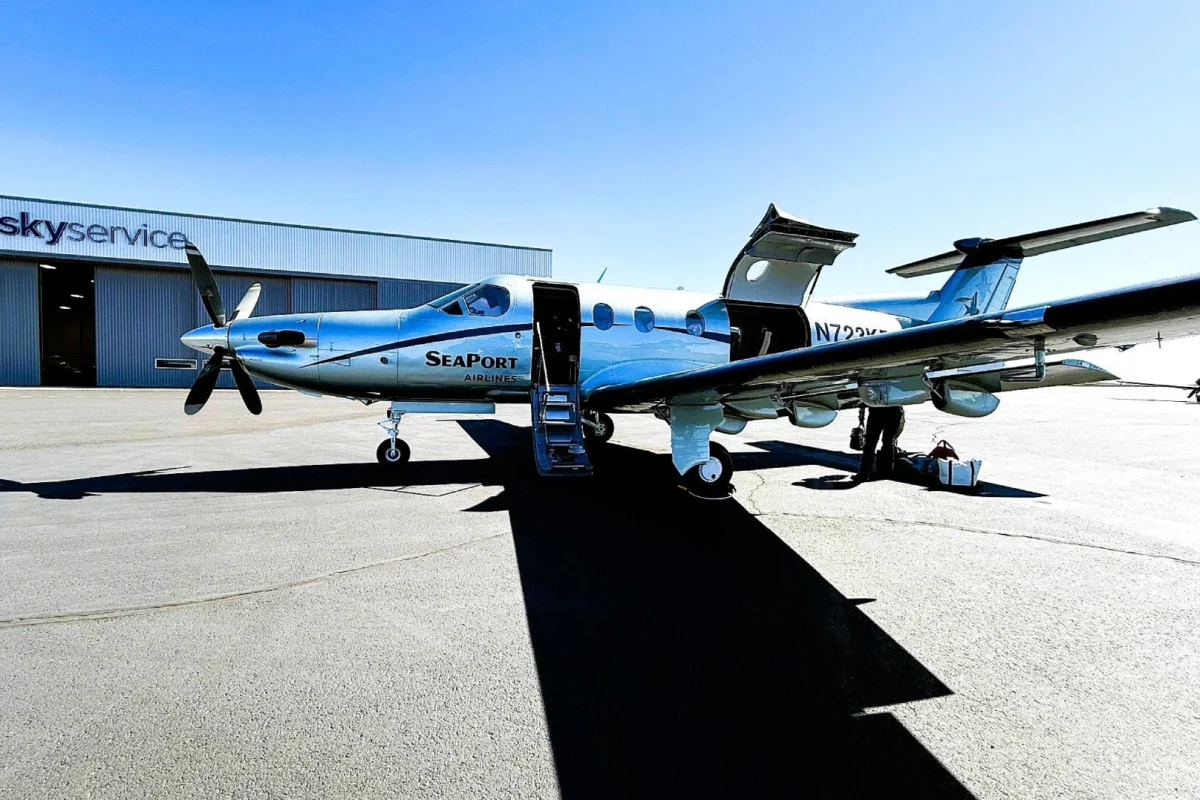
For the modern traveler, the airport experience has become a gauntlet of predictable frustrations: the long-term parking shuttle, the labyrinthine check-in kiosks, the removal of shoes and belts at security, and the frantic dash to a gate located miles from the terminal entrance. However, a growing niche in the Pacific Northwest is challenging the necessity of this friction. Imagine an airport where you can arrive a mere 20 minutes before departure, park your vehicle for free, walk directly into a quiet terminal, and board a nine-seat aircraft without ever passing through a traditional Transportation Security Administration (TSA) checkpoint. This isn’t a description of a high-priced private charter for the billionaire class; it is the reality of a scheduled flight on SeaPort Airlines between Spokane, Washington, and Seattle.
The experience of flying this Juneau, Alaska-based carrier is so efficient that it often prompts a sense of protective secrecy among its regulars. "Please don’t tell anyone about this," fellow passenger Ken Batali pleaded, moments after we disembarked a SeaPort Airlines Pilatus PC-12 turboprop plane. We had just grabbed our bags directly off a cart and walked through a silent terminal to an empty curb—a process that took less than three minutes from the moment the propellers stopped spinning. Batali, who resides approximately 30 miles north of Seattle and commutes to Spokane frequently for work, is emblematic of a shift in business travel. For him, the value of SeaPort isn’t just the flight itself, but the recovery of time and the elimination of the "hassle factor" inherent in major hubs like Seattle-Tacoma International Airport (SEA).
SeaPort Airlines operates a strategic model that leverages secondary, general aviation airports. Instead of the massive, congested corridors of SEA or Spokane International Airport (GEG), the airline utilizes Felts Field (SFF) in Spokane and King County International Airport, more commonly known as Boeing Field (BFI). Boeing Field is located just five miles south of downtown Seattle, providing a massive logistical advantage over SEA, which sits nearly 15 miles away and is subject to the notorious gridlock of the I-5 corridor. By using airports that primarily serve private, corporate, and charter flights, SeaPort bypasses the infrastructure bottlenecks of the "Big Two" airlines, Alaska and Delta, which dominate the regional market.
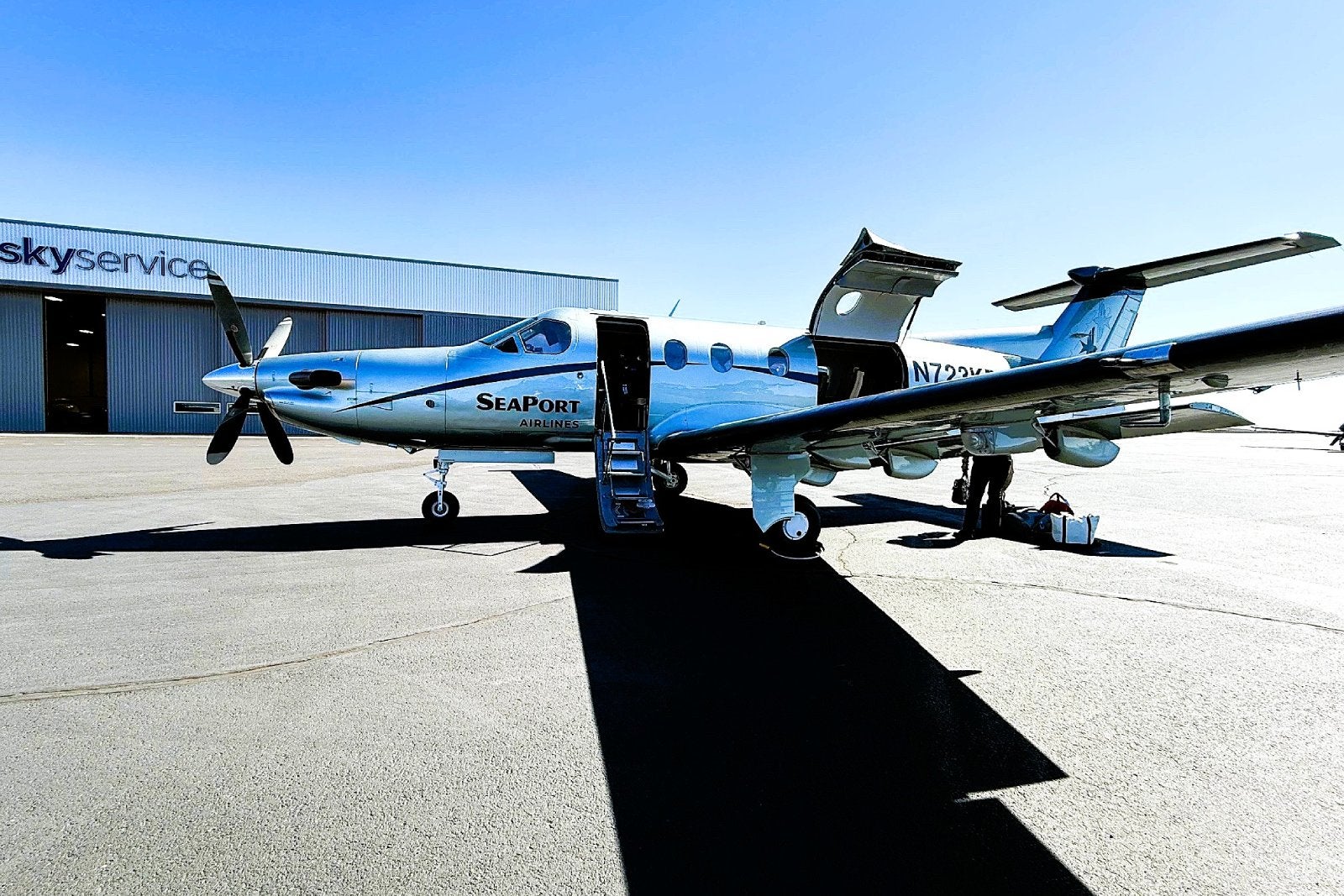
The logistical freedom of this model is striking. Because SeaPort operates under specific federal regulations, passengers are not required to show up hours in advance. There are no liquid restrictions, allowing travelers to carry full-sized toiletries or even a bottle of wine without scrutiny. Furthermore, the baggage policy is refreshingly generous for a small-scale operation: each passenger can bring up to 50 pounds of luggage, and small pets in carriers are often accommodated for free. For a business traveler like Batali, the ability to book a last-minute seat is the ultimate selling point. While SeaPort’s tickets can cost roughly $50 more than a major carrier when booked weeks in advance, the pricing remains remarkably stable. When Alaska or Delta spike their prices for day-of bookings, SeaPort’s rates often remain competitive, providing a predictable ceiling for emergency business trips.
The airline’s resurgence in the Pacific Northwest marks a new chapter for the brand. A previous incarnation of SeaPort served the Portland-to-Seattle route between 2008 and 2016 before the company underwent significant restructuring. The current iteration began offering scheduled flights between Boeing Field and Spokane’s Felts Field in March 2026, following the successful re-establishment of the Seattle-to-Portland route in May 2025. This summer, the carrier even expanded into seasonal service to the general aviation terminal in Redmond, Oregon. This network targets the "productivity corridor" of the Northwest, connecting the tech and aerospace hubs of Seattle with the growing medical, professional, and agricultural sectors of Eastern Washington and Central Oregon.
But what is it actually like to fly on a nine-seat turboprop? For those accustomed to the Boeing 737s or Airbus A320s that service the Spokane-Seattle route, the Pilatus PC-12 can look intimidatingly small. Yet, the aircraft is a marvel of Swiss engineering, widely regarded as one of the safest and most versatile single-engine turboprops in the world. Upon boarding, the atmosphere is more akin to a private jet than a commercial bus. The pilot and co-pilot greet passengers by name in the waiting area, check a printed manifest, and personally escort the group to the tarmac. The bags are loaded into a netted area at the rear of the cabin, and once inside, the pilot swivels around from the cockpit to deliver a face-to-face safety briefing. There is no cockpit door, offering passengers a front-row view of the instrumentation and the stunning topography of the Cascade Mountains during the one-hour transit.
The demographic of these flights is also shifting. While one might expect the cabin to be filled exclusively with C-suite executives, Andy Kline, SeaPort Airlines’ marketing manager, notes a more blue-collar reality. "We get electricians, roofers, project managers, and contractors," Kline explained. "It’s a lot of people who need to get to job sites in other cities and a lot of people who charge by the hour." For a contractor, the three hours saved by skipping the TSA lines and the commute from Sea-Tac can represent hundreds of dollars in billable time, easily offsetting a slightly higher ticket price.
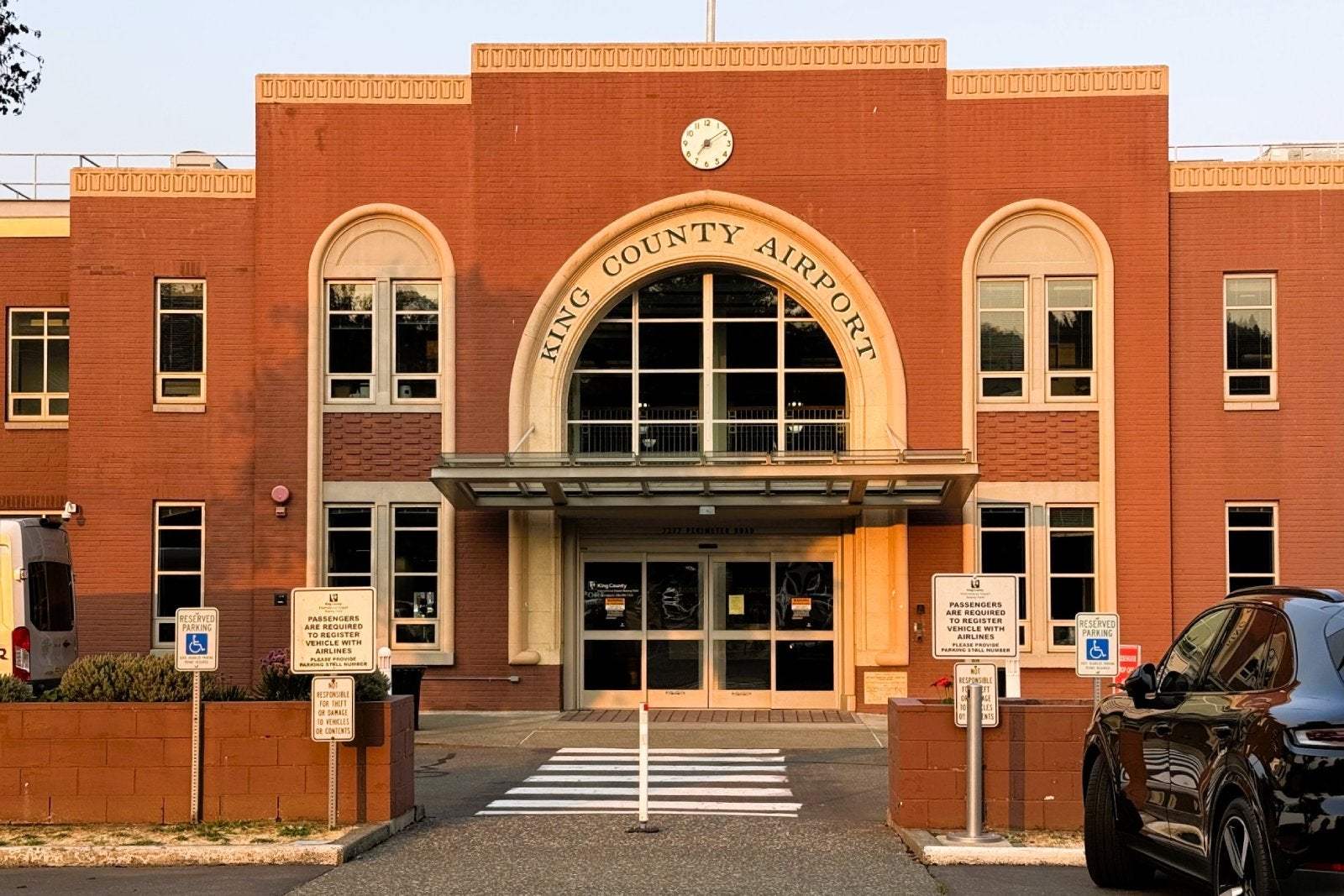
The most common question regarding this "frictionless" travel is the security aspect. How can an airline legally bypass the TSA? The answer lies in the Federal Aviation Administration (FAA) Part 135 regulations. While major airlines operate under Part 121—which requires rigorous federalized security screening for aircraft with more than 30 to 60 seats—Part 135 governs smaller, scheduled service carriers operating planes with nine or fewer passenger seats. Under these rules, the carrier is responsible for its own security program. This doesn’t mean there is no oversight; rather, it is a different kind of vigilance.
According to Mark A. Dombroff, an aviation attorney and partner at Fox Rothschild LLP, the TSA makes case-by-case determinations on security protocols based on factors such as the weight of the aircraft and whether the flight interacts with "sterile" areas of major airports. Because SeaPort operates out of private terminals (often referred to as Fixed Base Operators or FBOs), they are not required to put passengers through the federalized magnetometer process. Airline staff are trained to watch for hazardous materials and behavioral red flags. As Hansford Smith, vice president of risk management at Silver Air Private Jets, points out, "The absence of a traditional checkpoint does not mean there is no security screening." It simply means the screening is proportional to the risk profile of a small, nine-passenger aircraft.
This "semi-private" model is part of a broader trend in American aviation. Companies like JSX (formerly JetSuiteX), Cape Air, and Boutique Air have pioneered this space, finding success by targeting travelers who are willing to pay a modest premium to "buy back" their time. For SeaPort, the challenge remains one of awareness and scale. If the airline becomes too popular, the very convenience that makes it attractive—the ease of last-minute booking—might vanish. Small planes have limited "weight and balance" requirements, meaning that even a few extra passengers or heavy bags can reach the aircraft’s capacity quickly.
Furthermore, regional aviation faces headwinds such as pilot shortages and the volatility of fuel prices, which hit small turboprop operators harder than major carriers with massive hedging power. Yet, for the Pacific Northwest, SeaPort represents a vital link in the regional economy. By connecting the "second-tier" airports of the region, they are revitalizing infrastructure that was largely ignored during the hub-and-spoke boom of the late 20th century.
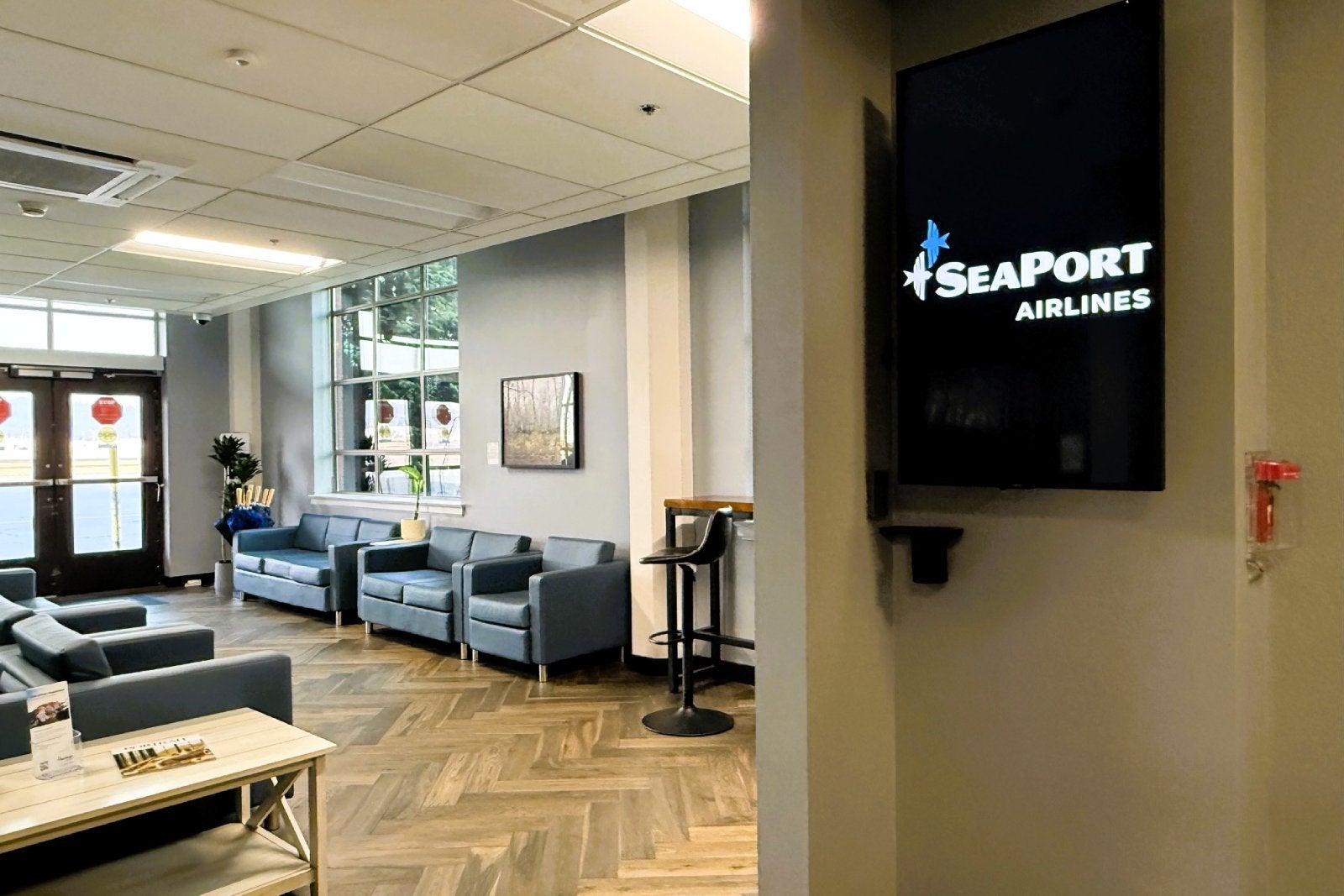
As I flew from Redmond through Portland and back to Seattle, the sentiment among passengers was unanimous. Brian Hayvaz, the vice president of operations for a Tacoma-based aviation training company, noted that the pricing was surprisingly competitive. "I assumed SeaPort was going to be too expensive, but it’s easy and convenient," he said. "I’d fly this airline to other destinations if I could." His comment highlights the potential for growth in this sector. As travelers become increasingly disillusioned with the "cattle-car" experience of major airlines, the demand for "it’s about time" travel—the SeaPort tagline—is likely to grow. For now, SeaPort remains a "best-kept secret" for those in the know, offering a glimpse into a world where flying is once again about the journey and the efficiency of the destination, rather than the endurance of the process.
